
 Budi Mulyono
The premium credit card market has seen a significant shift with the introduction of the Citi Strata Elite Card, a product designed to compete directly with high-end offerings from American Express, Chase, and Capital One. Positioned as a flagship travel and lifestyle tool, the card enters the market with a robust introductory offer of 75,000 bonus points after a cardmember spends $6,000 within the first three months of account opening. Beyond the initial bonus, the card’s value proposition is heavily anchored in a suite of annual and semi-annual credits that target frequent travelers and luxury consumers. These benefits are structured primarily on a calendar year basis, a design choice that offers unique strategic advantages for new applicants who can leverage these credits twice within their first year of membership.

Comprehensive Overview of the Citi Strata Elite Benefit Suite
The Citi Strata Elite Card is built around four primary pillars of financial incentives: the $200 Splurge Credit, the $200 semi-annual Blacklane credit, the $300 annual hotel benefit, and a tiered lounge access program. Each of these features serves a specific segment of the premium market, ranging from high-street retail to luxury ground transportation.
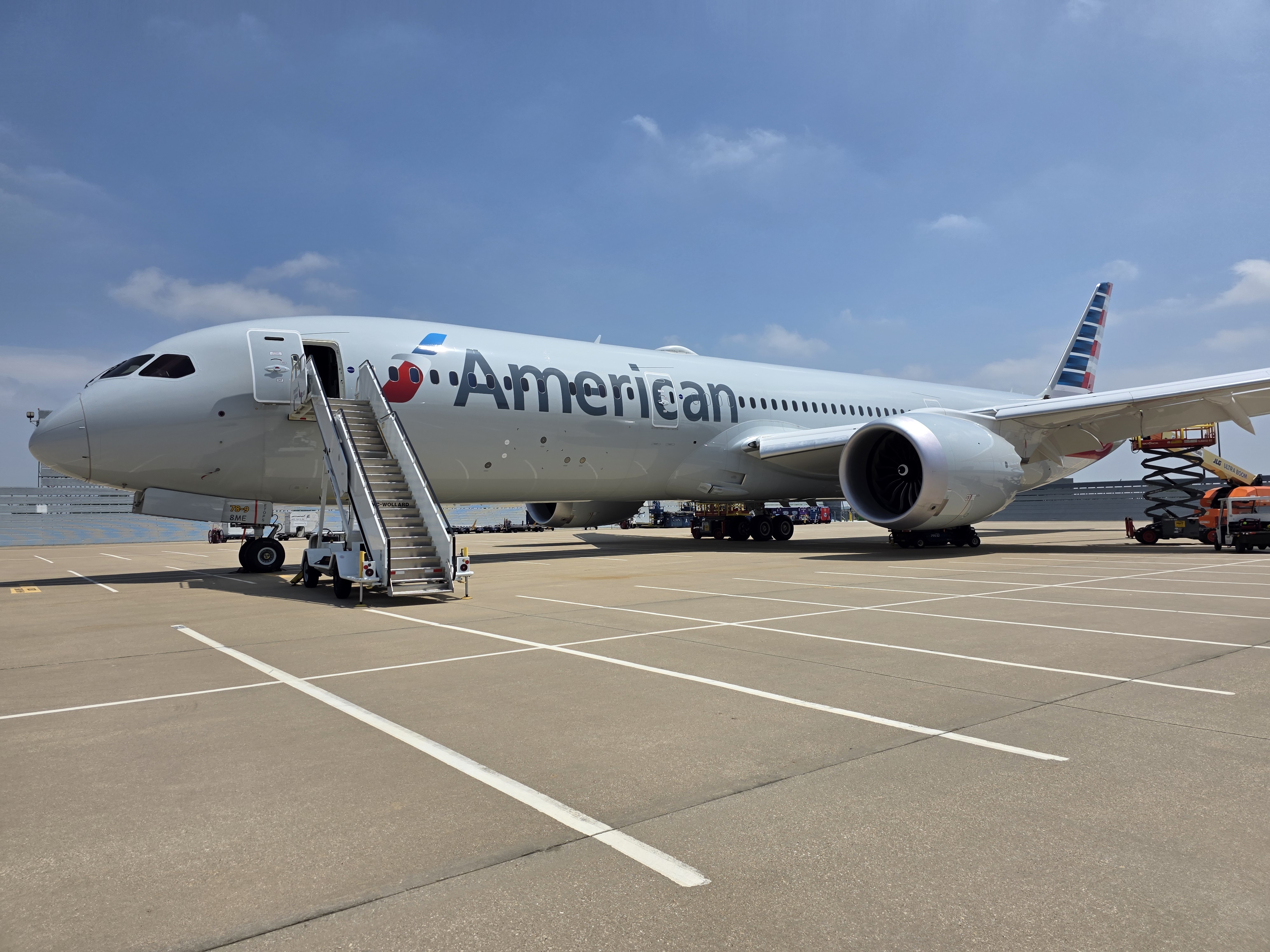
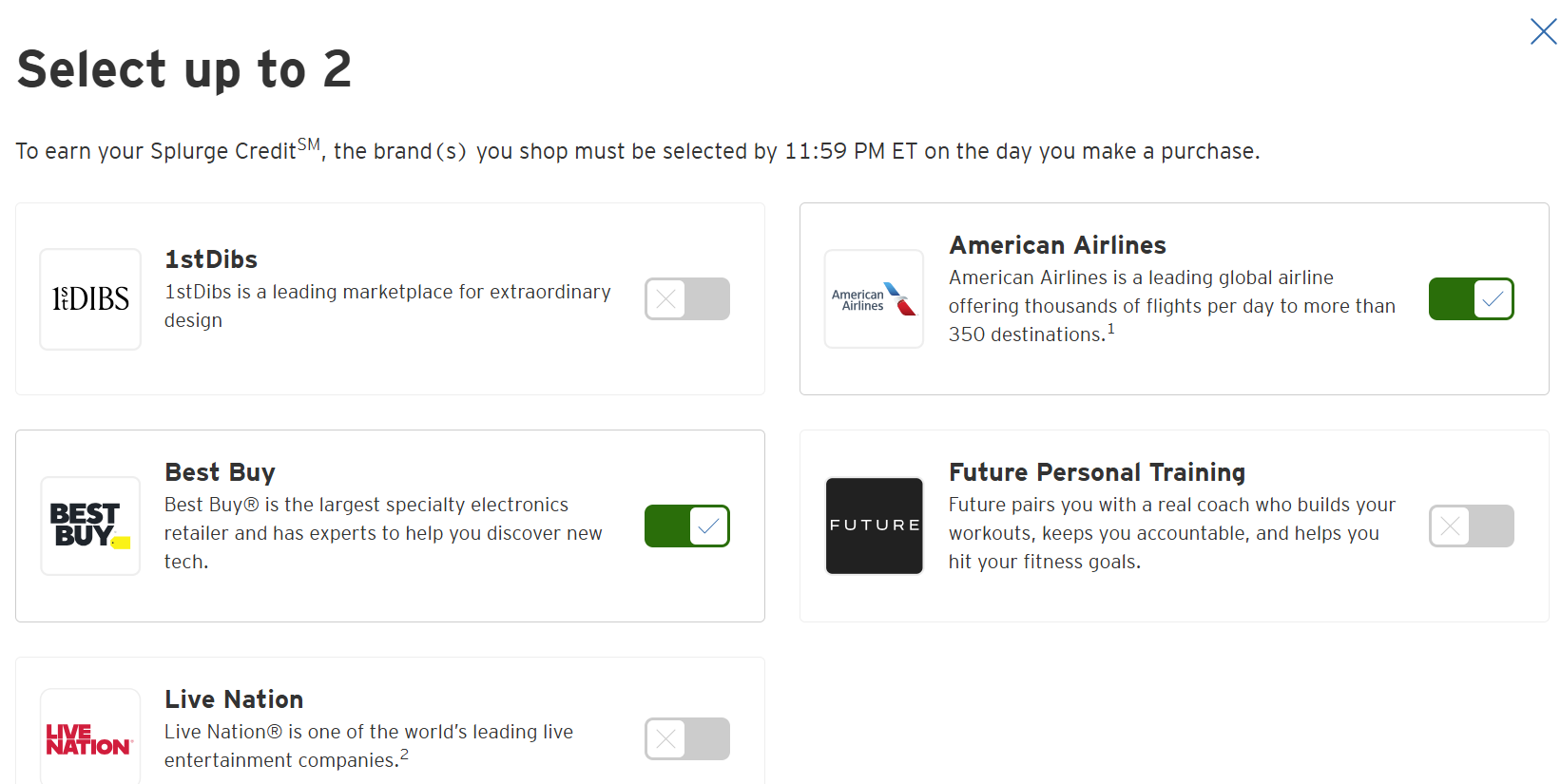
The $200 Splurge Credit is perhaps the most versatile of the card’s lifestyle offerings. It provides up to $200 in statement credits annually for purchases made with a specific roster of merchants. Currently, the eligible retailers include 1stDibs, American Airlines, Best Buy, Future Personal Training, and Live Nation. This selection reflects a strategic partnership approach, covering electronics, travel, fitness, and entertainment. To utilize this credit, cardmembers must register through the Citi portal and select up to two merchants at a time. The credit can be applied across multiple transactions, ensuring that users do not lose the remaining balance if their first purchase is under the $200 threshold.
Strategic Timing and the Calendar Year Advantage
A critical component of the card’s financial appeal is the distinction between "calendar year" and "cardmember year." While the annual fee is typically charged on the cardmember’s anniversary, many of the Strata Elite’s credits reset on January 1st. This creates a window of opportunity for consumers who apply mid-year.
For instance, a cardmember who opens an account in late 2025 can claim the full $200 Splurge Credit and the $300 hotel credit before December 31st. Upon the arrival of January 1, 2026, these credits reset, allowing the user to claim them again before their second annual fee is due. This "double-dipping" strategy effectively doubles the tangible value of the card in the first year, potentially offsetting the annual fee several times over when combined with the 75,000-point sign-up bonus.
Ground Transportation and the Blacklane Partnership
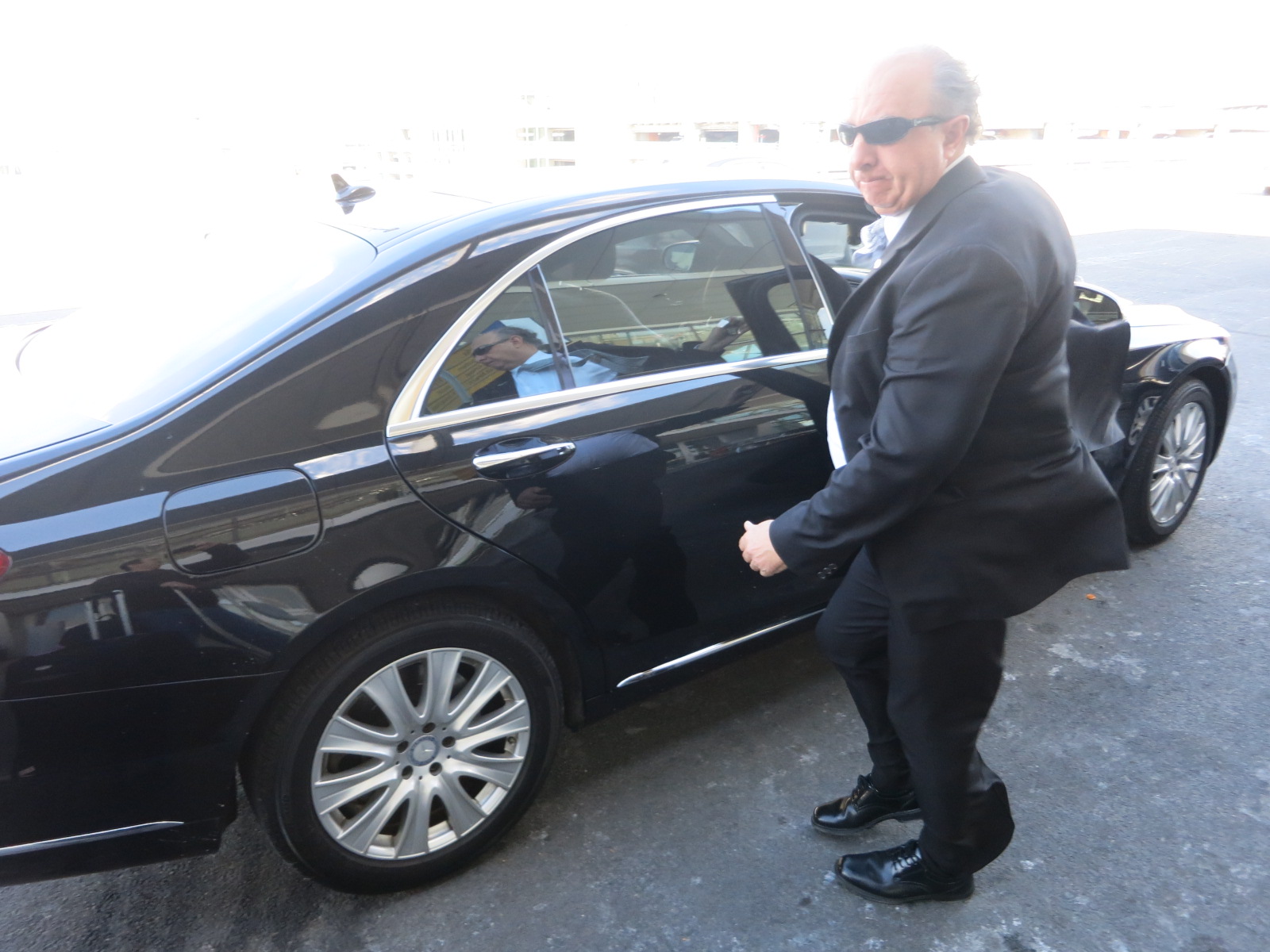
In a move to differentiate itself from competitors that often provide generic Uber or Lyft credits, Citi has partnered with Blacklane, a global professional chauffeur service. The card offers a $200 annual credit, distributed as two $100 semi-annual tranches: one for the period of January through June, and another for July through December.
Unlike the Splurge Credit, the Blacklane benefit does not require manual registration. Credits are triggered automatically when the card is used to pay for services on the Blacklane platform. Blacklane operates in significantly more international locations than standard American rideshare companies and focuses on high-end service, including flight tracking, professional meet-and-greet services at airport baggage claims, and luggage assistance. This benefit is particularly valuable for international travelers in cities like London, Paris, or Dubai, where professional car services are often preferred over local taxis or standard rideshare apps due to reliability and vehicle quality.
The $300 Hotel Credit and Citi Travel Integration
The Citi Strata Elite Card includes a $300 annual hotel credit, which is applicable to stays of two or more nights. However, this benefit comes with specific procedural requirements. The reservation must be prepaid through the Citi Travel portal. While the credit is applied at the time of booking rather than as a subsequent statement credit, it is important to note that these are considered Online Travel Agency (OTA) bookings.
Data from the travel industry suggests that while OTA bookings are convenient, they often preclude travelers from earning hotel loyalty points or elite night credits with major chains like Marriott, Hilton, or Hyatt. Furthermore, elite status benefits such as room upgrades or late check-outs may not be honored on these bookings. Consequently, this credit is most effectively used at independent boutique hotels or luxury properties where the traveler does not hold significant loyalty status. Like the Splurge Credit, the hotel benefit is based on the calendar year of the booking date, further facilitating the first-year double-dip strategy.

Evolution of Airport Lounge Access
Lounge access remains a cornerstone of the premium credit card experience, and Citi has implemented a two-pronged approach for the Strata Elite. The card provides a Priority Pass Select membership, which includes unlimited visits for the primary cardmember and authorized users, along with up to two complimentary guests per visit.
A unique operational feature of this card is the "card-as-pass" technology. Unlike most other Priority Pass-eligible cards that require the user to wait for a separate membership card or activate a digital ID, the physical Citi Strata Elite Card itself is recognized by lounge scanners as the entry credential. However, it is important to note that this membership follows the modern trend of excluding "non-lounge" experiences, such as airport restaurants, cafes, or spa treatments that are sometimes included in other Priority Pass versions.
In addition to Priority Pass, the card provides four one-time Admirals Club passes per calendar year. These passes offer access to American Airlines’ domestic and international lounges. These passes expire at the end of each calendar year, meaning they cannot be rolled over. For a new cardmember, this results in eight total passes within the first twelve months of card ownership if timed across two calendar years.
Market Context and Competitive Positioning
The launch of the Strata Elite represents Citi’s renewed commitment to the high-fee, high-reward sector following the sunsetting of the Citi Prestige card several years ago. To understand the impact of this card, it must be viewed alongside its primary competitors:
- The American Express Platinum Card: Offers a wider array of credits (digital entertainment, Saks Fifth Avenue, Equinox) but carries a higher annual fee and more complex redemption rules.
- The Chase Sapphire Reserve: Features a broader $300 travel credit that applies to any travel-related expense, including tolls and parking, but lacks the specific high-value merchant credits found on the Strata Elite.
- The Capital One Venture X: Known for its simplicity and "anniversary bonus" points, though its lounge network is currently smaller than the Priority Pass network utilized by Citi.
Industry analysts suggest that Citi’s decision to use calendar-year resets is a calculated move to gain market share rapidly. By providing a "front-loaded" value proposition, Citi is targeting "switchers"—consumers who may be dissatisfied with recent fee increases or benefit devaluations from other major issuers.
Financial Implications and Consumer Analysis
From a financial planning perspective, the Citi Strata Elite Card offers a compelling "Year One" internal rate of return. If a consumer maximizes the $200 Splurge Credit twice ($400), the $300 hotel credit twice ($600), the Blacklane credits ($200), and the 75,000 points (valued conservatively at 1.5 cents per point, totaling $1,125), the total value exceeds $2,300 in the first year alone.

However, the long-term sustainability of the card for the average consumer depends on their natural spending patterns. The "Splurge" merchants are relatively niche; for a consumer who does not shop at Best Buy or fly American Airlines, that credit loses its utility. Similarly, the requirement to book hotels through the Citi Travel portal to use the $300 credit may be a deterrent for high-tier Hyatt or Marriott loyalists who value their elite status perks more than a $300 discount.
Broader Impact on the Credit Industry
The introduction of the Strata Elite signals a trend toward "lifestyle" integration in financial products. Banks are no longer just providing a line of credit; they are attempting to curate a specific lifestyle by choosing which merchants to subsidize. The inclusion of Future Personal Training and Live Nation suggests a desire to capture a younger, affluent demographic that prioritizes wellness and experiences over traditional luxury goods.

Furthermore, the "card-as-pass" lounge access technology may set a new standard for user experience, removing the friction of secondary registrations. As the travel industry continues its post-pandemic evolution, the Citi Strata Elite Card stands as a significant entry that challenges the established hierarchy of premium travel cards, forcing competitors to re-evaluate their own calendar-based benefit structures.
In conclusion, the Citi Strata Elite Card is a strategically designed financial tool that offers outsized value in its introductory phase. While its long-term place in a consumer’s wallet will depend on individual brand loyalties, its current structure provides one of the most aggressive benefit-to-fee ratios in the current market. For the informed traveler, the card represents a sophisticated opportunity to maximize travel subsidies through careful timing and strategic merchant utilization.




 Anjar Salim
 Chandra Hamzah
 Tatiana Tantri Indah Sari
 Lukman Taruna Persada Ramadan
