
 Budi Mulyono
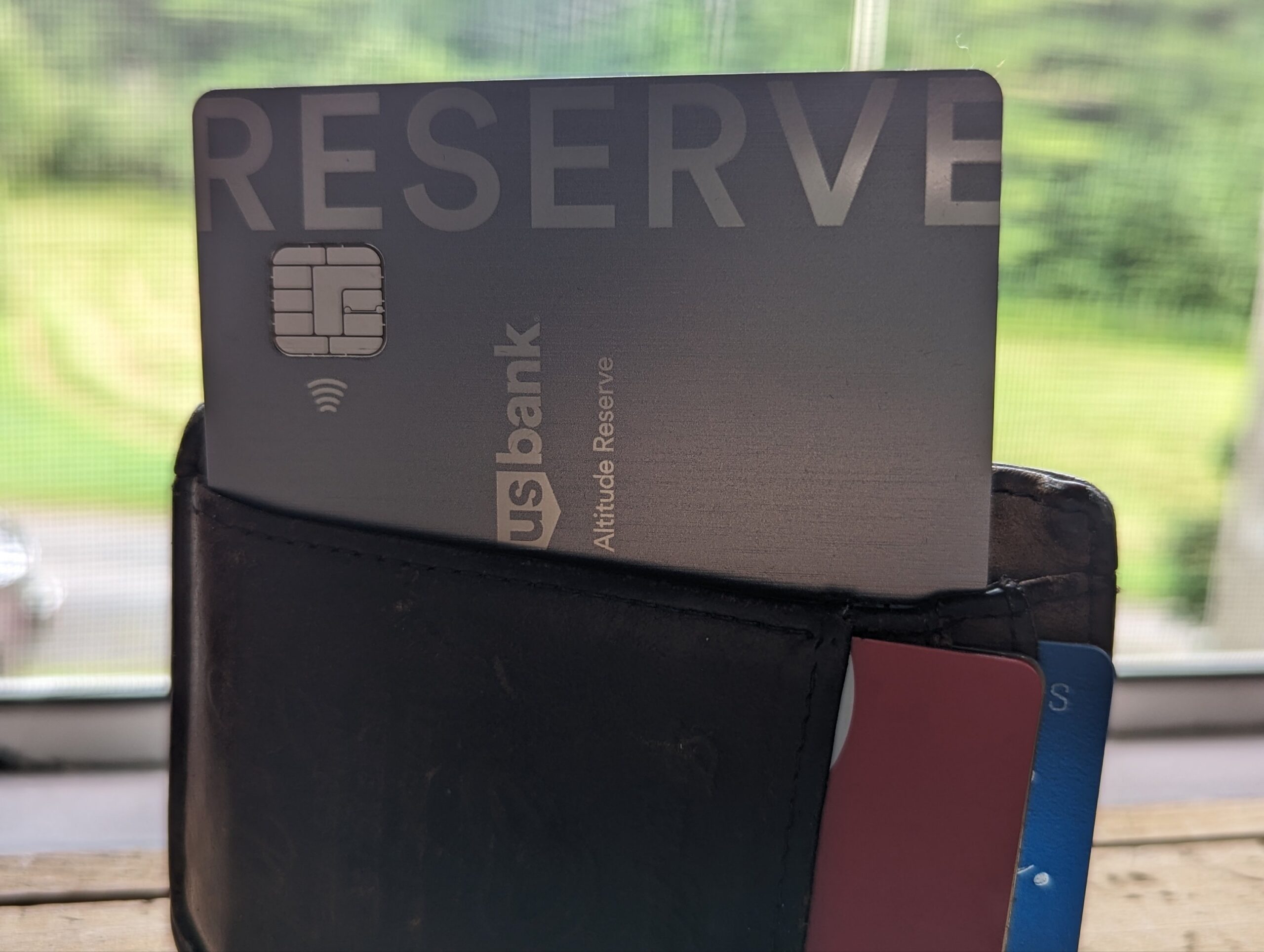
U.S. Bank has officially removed the promotional banners from its Rewards Center that previously promised the imminent arrival of airline and hotel transfer partners for the Altitude Reserve credit card. This development follows months of anticipation and serves as a significant pivot from the bank’s public roadmap, which originally suggested that a transferable currency system would be integrated into its premium travel ecosystem by late 2025. Industry observers and cardholders have noted the removal of these "coming soon" indicators as a sign that the financial institution may be abandoning its plans to compete directly with the transferable point programs offered by major competitors such as American Express, Chase, and Capital One.
The Altitude Reserve card, known for its unique 3x points on mobile wallet transactions and its 1.5 cents-per-point redemption value toward travel, has long occupied a specific niche in the credit card market. However, the lack of transferability has been a consistent point of comparison between U.S. Bank and its rivals. The recent scrub of the rewards portal suggests a potential scaling back of the card’s evolution, leaving current cardholders to reassess the long-term value of the product in a market increasingly dominated by flexible rewards programs.
Historical Context and the Promise of 2025
The trajectory toward a transferable rewards system for U.S. Bank began approximately ten months ago. In early 2025, the bank announced a series of comprehensive changes to the Altitude Reserve card, scheduled to take effect on December 14, 2025. Among the most anticipated updates was the introduction of a transfer partner program, which would allow cardholders to move their Altitude Reserve points to various airline and hotel loyalty programs at a designated ratio.
For years, the Altitude Reserve had been viewed as a "fixed-value" powerhouse. Its primary appeal was the ability to redeem points for 1.5 cents each through the U.S. Bank travel portal or via the "Real-Time Rewards" feature, which allows users to wipe away travel purchases made directly with vendors. The promise of transfer partners represented a fundamental shift in strategy, signaling U.S. Bank’s intention to transition the Altitude Reserve from a high-yield cashback-style travel card into a true "big four" competitor in the transferable points space.
When the December 14 deadline arrived, however, the expected functionality was absent. Instead of a live transfer portal, the bank updated its Rewards Center with a digital banner stating that transfer partners were "coming soon." This placeholder remained active for several months into early 2026, maintaining a sense of optimism among the card’s user base despite the lack of a specific launch date or a confirmed list of participating partners.
The Removal of the "Coming Soon" Banner
The recent removal of the banner, first identified by industry watchdogs and confirmed through user interface audits, marks a departure from the bank’s previous communications. In the world of credit card rewards, the removal of a promised feature’s placeholder often indicates a project has been shelved, delayed indefinitely, or cancelled due to contractual or technical hurdles.
Analysts suggest that the timing of this removal—nearly five months after the original implementation date—points toward a breakdown in negotiations with potential airline and hotel partners. Building a transfer ecosystem requires complex bilateral agreements, technical API integrations, and a financial structure that allows the bank to purchase points or miles from partners at a rate that remains profitable. If U.S. Bank was unable to secure a roster of partners that added significant value to the card without cannibalizing the existing 1.5-cent-per-point redemption floor, the program’s viability may have been called into question.
Comparative Market Analysis
To understand the impact of this development, one must look at the competitive landscape of premium travel cards. The "Big Three" ecosystems—Chase Ultimate Rewards, American Express Membership Rewards, and Citi ThankYou Rewards—along with the rising Capital One Miles program, all offer the ability to transfer points to external partners. This flexibility is often cited as the primary reason why enthusiasts pay annual fees ranging from $250 to $695.
- Redemption Value Floors: Most premium cards offer a baseline redemption value of 1.0 cents per point. The Altitude Reserve’s 1.5-cent floor is exceptionally high, making it a favorite for those who prefer "simple" travel bookings.
- The "Transfer Trap": While transfer partners allow for high-value redemptions (such as international business class flights where points can be worth 3 to 5 cents each), they also require more effort from the consumer.
- The Competitive Gap: Without transfer partners, the Altitude Reserve remains a "closed" system. While efficient, it lacks the aspirational upside that its competitors leverage to attract high-spending travelers.
The removal of the transfer promise places U.S. Bank in a precarious position. By announcing the feature and then failing to deliver, the bank risks alienating a segment of its customer base that held onto the card specifically in anticipation of the new functionality.
The Role of Terms and Conditions Artifacts
Despite the removal of the public-facing banner, some eagle-eyed users have reported that references to a "Transfer Partner Program" still exist deep within the rewards system’s legal terms and conditions. While some hold out hope that this is an "Easter egg" indicating the program is still in development, legal experts and industry analysts often view these as "artifacts."
When a major bank prepares for a product launch, legal departments often update terms of service in advance. If a project is cancelled or paused, these text-based updates are frequently overlooked during the scrubbing process. The presence of the language in the fine print likely reflects the bank’s intent as of late 2025, rather than its current operational reality in mid-2026.
Implications for Cardholders and Product Strategy
For current Altitude Reserve cardholders, the lack of transferability changes the math on the card’s $400 annual fee. While the card offers a $325 annual credit for travel and dining, effectively lowering the cost to $75, the "opportunity cost" of earning U.S. Bank points versus transferable points is a major consideration.
Potential Product Changes
Reports indicate that some cardholders are already considering "product changes" or downgrades. A primary candidate for this shift is the U.S. Bank Altitude Connect card. Recent changes to the Altitude Connect have made it a compelling alternative for those dissatisfied with the Reserve’s current trajectory:
- No Annual Fee: The card has moved to a $0 annual fee structure.
- Priority Pass Access: It offers four annual Priority Pass lounge visits, which currently include participating airport restaurants—a benefit that has been stripped from many other premium cards.
- Travel Benefits: It includes repeatable GigSky mobile data benefits, providing utility for international travelers without the premium price tag.
Retention and Trust
The broader implication for U.S. Bank involves brand trust. Financial institutions rely on the predictability of their rewards programs to maintain long-term customer relationships. By missing a self-imposed deadline and subsequently removing the promise from their interface without a formal statement, U.S. Bank may face increased "churn" as users move their spending to banks with more transparent roadmaps.
The Future of U.S. Bank Travel Rewards
As of May 2026, the future of the Altitude Reserve as a "transferable" card remains in doubt. While it is possible that U.S. Bank is simply resetting expectations to avoid the "soon" label while they work on a longer timeline, the silence from the institution is telling.
If the bank does not intend to launch transfer partners, they will likely double down on their "Real-Time Rewards" technology. This system remains one of the most frictionless ways to use points in the industry, allowing users to receive a text message after a travel purchase and redeem points instantly to cover the cost. For the "average" traveler who finds the world of airline miles too complex, the Altitude Reserve’s 1.5-cent fixed value remains a top-tier proposition. However, for the "power user" market that U.S. Bank appeared to be targeting with its 2025 announcement, the removal of the transfer partner banner represents a significant retreat.
Industry analysts will continue to monitor the bank’s regulatory filings and rewards portal updates for any sign of a renewed push toward transferability. For now, the consensus is that the Altitude Reserve will remain a fixed-value travel tool for the foreseeable future, and the era of U.S. Bank as a transferable currency provider has been deferred, if not cancelled entirely.




 Anjar Salim
 Chandra Hamzah
 Tatiana Tantri Indah Sari
 Lukman Taruna Persada Ramadan
