
 Cholid Fahmi Thalib
Travel for a multitude of reasons, but the indelible memories often coalesce around shared meals and the discovery of local flavors. A meticulously planned culinary experience can unlock a deeper understanding of a place, often revealing more about its culture and soul than a day spent merely sightseeing. By placing food at the epicenter of travel planning, individuals can foster a tangible connection with local traditions, optimize their time with intentionality, and mitigate the stress often associated with last-minute dining decisions. This approach transcends the pursuit of fleeting recommendations, enabling the creation of a personalized itinerary that genuinely reflects a desire to engage with a destination through its distinct tastes, daily routines, and authentic dining habits.
The Centrality of Culinary Exploration in Modern Travel
In an era where travel experiences are increasingly valued for their authenticity and immersive qualities, the role of food in shaping travel narratives has become paramount. Research indicates that food tourism is a significant driver of global travel, with a growing number of travelers prioritizing culinary experiences when selecting destinations. A 2023 report by the World Food Travel Association found that 79% of travelers consider food and drink a significant factor in their travel decisions, and a substantial portion actively seek out local culinary specialties and authentic dining establishments. This trend underscores a shift from passive observation to active participation in the cultural fabric of a destination, with food serving as a primary gateway.
The practice of centering travel around food is not merely a trend but a strategic method for engaging with a locale. It acknowledges that food is intrinsically linked to history, agriculture, social customs, and economic activities. By understanding what locals consume and when, travelers can align their schedules with the natural rhythms of a place, leading to more authentic and less disruptive experiences. This proactive planning allows for a more nuanced appreciation of a destination, moving beyond superficial tourist attractions to embrace the everyday life and cultural practices that define a community.
Pre-Trip Culinary Research: Laying the Foundation for Authentic Discovery
The cornerstone of any successful culinary itinerary lies in thorough pre-trip research, focusing on the actual eating habits and schedules of the local population. Understanding these nuances is crucial for shaping the flow of travel days. For instance, recognizing that dinner in Madrid typically occurs late in the evening or that the vibrant markets of Florence reach their peak activity in the early morning hours allows travelers to plan their days in harmony with these established rhythms, rather than attempting to impose an incompatible schedule.
This research can be facilitated through a variety of digital resources. Local food blogs and specialized food forums offer invaluable insights into regional specialties, hidden gems, and the cultural significance of various dishes. Engaging with these platforms provides a window into the local palate and preferences. Furthermore, the strategic use of a Virtual Private Network (VPN) extension can be instrumental in accessing region-specific restaurant listings and reviews that might not be readily available in a traveler’s home country due to geo-restrictions or algorithm biases. This proactive step is vital in circumventing tourist traps and identifying establishments that prioritize quality and offer value that aligns with local expectations, ensuring a more authentic and satisfying dining experience.
The depth of this research can also extend to understanding the historical context of local cuisine. Many dishes are deeply rooted in the region’s agricultural history, trade routes, and cultural exchanges. For example, the prevalence of certain spices in a particular region might be traced back to ancient Silk Road trade, or the staple ingredients of a dish could reflect the dominant crops cultivated over centuries. Incorporating this historical backdrop into the culinary exploration adds a rich layer of understanding and appreciation.
Balancing Planned Experiences with Spontaneous Encounters
While a curated list of renowned restaurants and iconic dishes is often an integral part of travel aspirations, over-scheduling every meal can inadvertently lead to a rigid and less adaptable trip. A balanced approach involves reserving specific time slots for a select number of "must-visit" culinary experiences. These might include a highly acclaimed tasting menu, a visit to a historic café with a storied past, or participation in a renowned cooking class.
However, it is equally important to intentionally leave gaps in the itinerary to accommodate flexibility and serendipity. These open periods allow for the adoption of spontaneous recommendations from locals encountered during the day, or the impulse to explore a bustling neighborhood eatery that has caught the traveler’s eye. This strategic balance not only reduces the pressure of adhering to a minute-by-minute schedule but often unlocks opportunities for more authentic and memorable meals that might not have surfaced through online searches. Such unplanned discoveries can lead to genuine cultural immersion, fostering a deeper connection with the destination.
The philosophy behind this balance is rooted in the understanding that authentic experiences often emerge from unexpected moments. By allowing for flexibility, travelers are more receptive to the subtle cues of a place and the informal advice of its inhabitants. This can lead to discovering a family-run trattoria serving generations-old recipes or a street food vendor whose craft has been perfected over decades, experiences that are often more enriching than those found in heavily publicized establishments.
Structuring the Itinerary Around Signature Culinary Moments
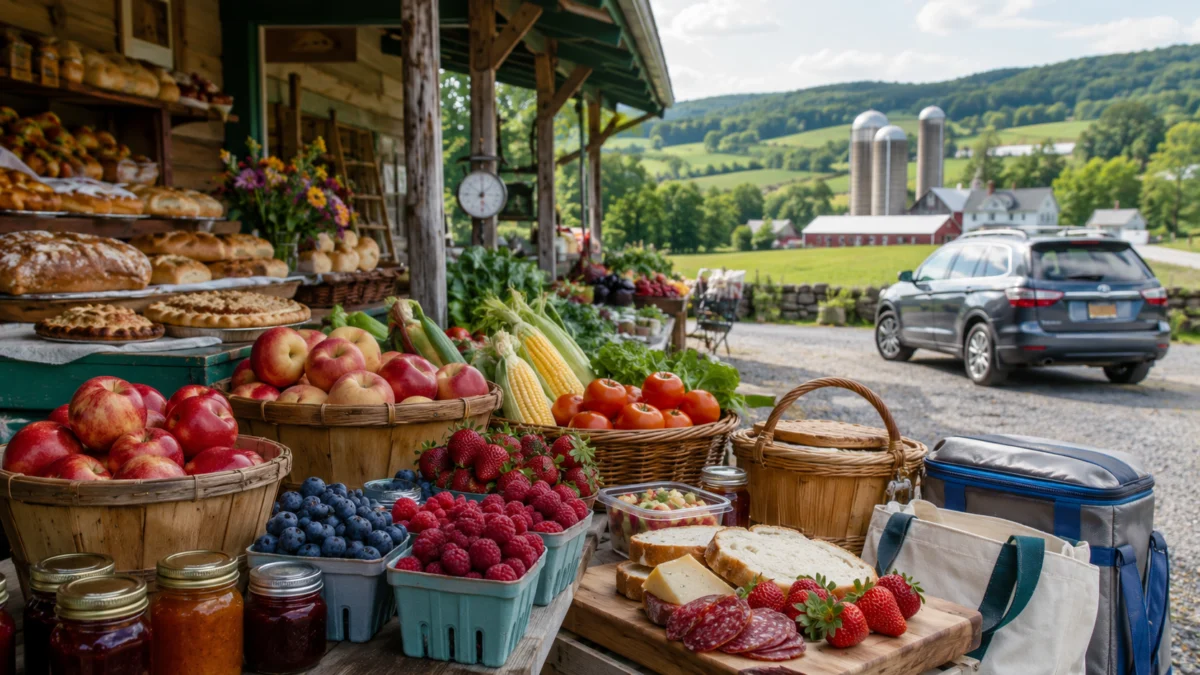
To create a framework that is both structured and adaptable, it is advisable to anchor each day around one significant culinary experience. This approach provides a clear focus for the day without overwhelming the traveler. For instance, a morning could be dedicated to exploring a local market, immersing oneself in the sights, sounds, and aromas of fresh produce, artisanal products, and regional delicacies. This can be followed by a casual lunch at a nearby eatery that utilizes ingredients sourced directly from the market.
The afternoon can then be left open for general sightseeing or cultural exploration, with the knowledge that a pre-booked dinner reservation awaits, or perhaps an evening dedicated to exploring a specific neighborhood’s nightlife and its accompanying culinary offerings. This method of itinerary design helps to minimize unnecessary travel across a city, conserving energy and maintaining a focused exploration. When meals serve as navigational anchors, travelers are naturally drawn to explore neighborhoods more thoroughly, fostering a deeper engagement with the urban landscape rather than simply hopping between disconnected attractions.
The benefits of this structured approach are manifold. It allows for a more efficient use of travel time, reducing transit fatigue and maximizing opportunities for genuine discovery. By concentrating activities geographically around key dining experiences, travelers can gain a more intimate understanding of different districts and their unique characters. Furthermore, it provides a sense of accomplishment and anticipation throughout the day, with each culinary anchor serving as a milestone.
Leveraging Digital Tools for Seamless Organization
In the contemporary travel landscape, digital tools are indispensable for streamlining the planning process and ensuring that all essential information remains readily accessible while navigating between different locations. The utilization of map applications, such as Google Maps or Apple Maps, for saving restaurant pins based on research and recommendations is a fundamental step. This creates a visual guide of potential dining spots, categorized by neighborhood or cuisine type.
Organizing all booking confirmations, reservation details, and contact information within a single, easily accessible digital folder on a smartphone or cloud storage service is also crucial. This centralized repository minimizes the time spent searching for critical information, particularly when plans need to be adjusted on the fly or when encountering unexpected situations. Keeping detailed notes on specific dishes to try, along with any dietary considerations or preferences, further enhances the planning process. When all relevant information is consolidated, travelers can dedicate more of their attention to savoring their surroundings and enjoying their experiences, rather than being consumed by logistical concerns.
These tools also facilitate last-minute adjustments. If a previously planned restaurant is unexpectedly closed, or if a local recommends a superior alternative, having all reservation and contact information readily available allows for swift modifications. This digital organization transforms potential stressors into manageable transitions, ensuring a smoother and more enjoyable travel experience. The integration of these tools into a travel workflow is no longer a luxury but a necessity for efficient and enjoyable exploration.
The Imperative of Continuous Review and Adaptation
The dynamic nature of travel necessitates a commitment to ongoing review and adaptation of the meticulously crafted itinerary. Checking in with the plan at the end of each day, or at strategic intervals, allows for an honest assessment of what is working effectively and what feels forced or unsustainable. This reflective practice is crucial for maintaining a travel experience that feels natural and aligned with individual appetites and energy levels.
For instance, if a planned long lunch has resulted in feeling overly satiated, the subsequent day’s plan can be adjusted to incorporate lighter meal options or to explore a different neighborhood that offers a distinct culinary profile. This iterative process of refinement ensures that the itinerary remains responsive to the traveler’s evolving needs and preferences throughout the journey. By embracing flexibility and being willing to deviate from the original plan when necessary, travelers can prevent their trip from feeling overly structured or prescriptive, thus maximizing their enjoyment and the authenticity of their discoveries.
This adaptive approach also encourages a more mindful engagement with the destination. Instead of blindly following a pre-determined path, travelers become more attuned to their own physical responses and desires. This self-awareness is a hallmark of immersive travel, leading to a more profound and personal connection with the places visited. The ability to adjust and evolve one’s plans is a testament to a mature and intentional approach to travel, where the journey itself is as valued as the destination.
The Broader Implications of Culinary-Centric Travel
The growing emphasis on culinary-centric travel has significant implications for local economies and cultural preservation. When travelers actively seek out authentic local food experiences, they contribute directly to the viability of small businesses, family-run restaurants, and artisanal producers. This can help to sustain traditional foodways and prevent the homogenization of culinary landscapes, which is a growing concern in many tourist-heavy regions.
Furthermore, food serves as a powerful ambassador for cultural understanding. By engaging with local cuisine, travelers gain insights into the history, values, and social fabric of a community. This fosters empathy and respect for different cultures, contributing to a more interconnected and tolerant world. The shared experience of a meal, regardless of language barriers, can create bonds and foster mutual appreciation.
The trend also places a greater responsibility on travelers to be mindful and respectful consumers. This includes understanding the provenance of food, supporting sustainable practices, and being aware of the cultural significance of certain dishes or ingredients. As culinary tourism continues to evolve, a commitment to responsible and ethical engagement will be paramount in ensuring that its benefits are shared equitably and that cultural heritage is preserved for future generations. The act of planning a culinary itinerary, therefore, becomes an act of cultural stewardship, a conscious effort to engage with a destination in a way that is both enriching and respectful.


 Anjar Salim
 Dwi Wanna
 Budi Mulyono
 Lukman Taruna Persada Ramadan
 Chandra Hamzah
 Gabriela Annisa