
 Cholid Fahmi Thalib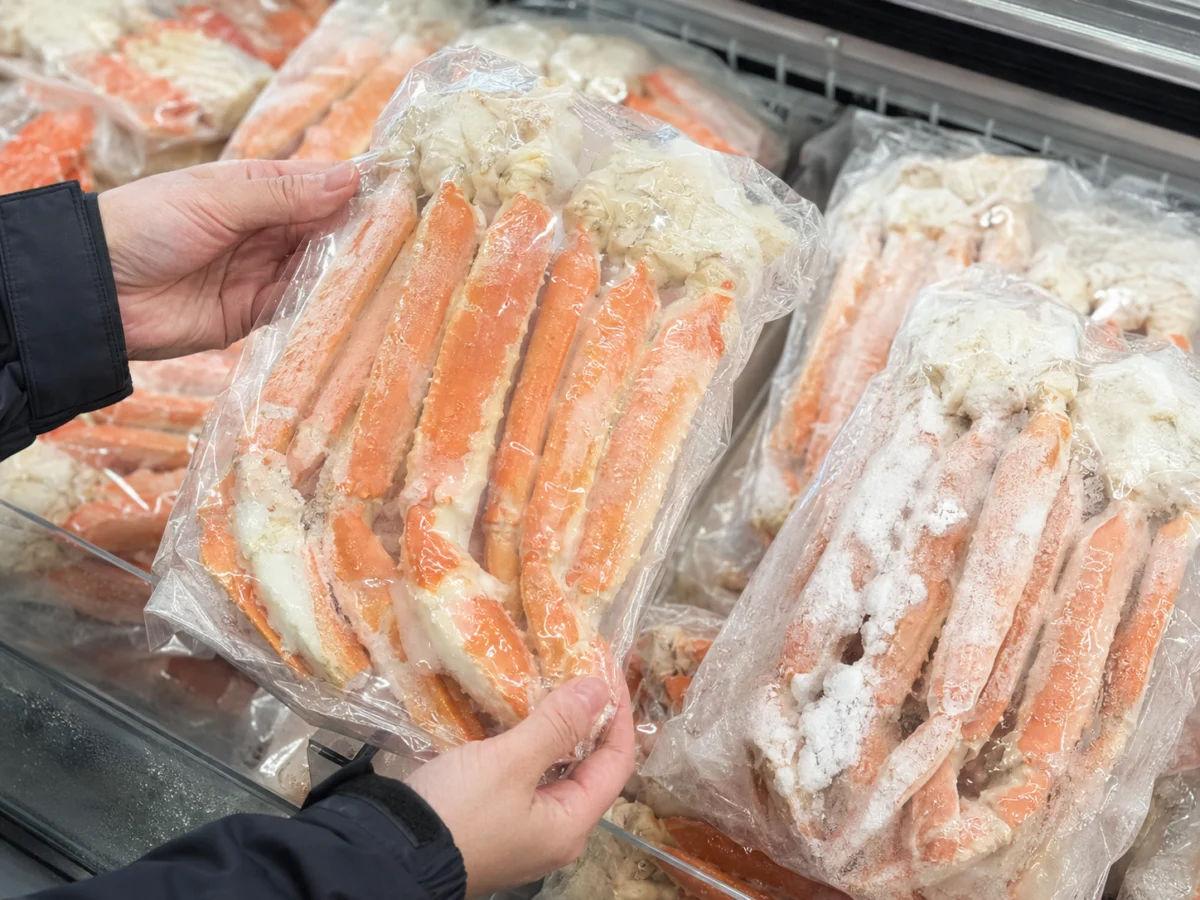
The allure of snow crab legs, with their sweet, succulent meat and festive presentation, often leads home cooks to a common misconception: that a pound purchased at the seafood counter translates directly to a generous portion of edible protein. However, a closer examination reveals a significant portion of that weight is comprised of shell and cartilage, leading to a surprisingly low yield of actual meat. This understanding is crucial for anyone planning a seafood feast, from intimate dinners to large-scale crab boils, as it directly impacts purchasing decisions and ultimately, guest satisfaction.
A typical pound of snow crab clusters, as sold by weight, contains approximately 70 to 75 percent shell. This means that what appears to be a substantial quantity of crab legs when purchased can dwindle down to a mere 4 to 5 ounces of pure, edible meat. Consequently, the widely cited rule of thumb – one pound of crab per person – often falls short of providing a truly satisfying main course, leaving diners with a sense of incompleteness rather than culinary contentment. This article delves into the nuances of snow crab purchasing, breaking down cluster counts by size grade, clarifying edible meat yields, and offering practical guidance for accurate portioning.
Decoding the Snow Crab Cluster: More Than Just Legs
A snow crab cluster is essentially one-half of a crab, encompassing all its legs and one claw, still attached at the body’s shoulder. Typically, a cluster comprises four to six legs and a single claw, though this number can fluctuate slightly based on the crab’s size and the commercial grading system. This distinction is vital because seafood vendors price their products by total weight, not by the number of individual legs or claws. Therefore, a package labeled "2 lb snow crab clusters" can represent a vastly different quantity of crab depending on the grade of the clusters. Two pounds of smaller clusters might equate to six to eight individual pieces, whereas the same weight of jumbo clusters could yield as few as three to four. The visual and physical quantity on the plate can be dramatically different, despite the identical weight.
Most frozen snow crab clusters available at retail are pre-cooked during the initial processing stages. This means that home preparation primarily involves reheating the product, a process that does not alter the fundamental shell-to-meat ratio. The calculation of edible yield remains consistent, regardless of whether the crab is steamed, boiled, or baked.
The Crucial Role of Size Grade in Cluster Count
The number of snow crab clusters within a pound is not a fixed quantity; it is entirely dictated by the commercial size grade. This grading system is based on the weight of individual clusters before they are packaged. Understanding these grades is paramount for making informed purchasing decisions.
Commercial snow crab clusters are categorized based on the weight of each cluster, with standard ranges generally agreed upon by major suppliers. These grades provide a clear indication of the size and density of the crab you are buying:
- Small: Clusters typically weigh between 4 to 5 ounces each. The legs in this grade are noticeably thinner, often described as being less than finger-width.
- Medium: These clusters fall into the 5 to 8 ounce range. The legs are generally about the width of a finger.
- Large: Clusters in this category weigh between 8 to 10 ounces. The legs are thicker, measuring between a finger and a thumb in width.
- Jumbo: These substantial clusters weigh between 10 to 12 ounces each. The legs are close to thumb-width in thickness.
- Colossal: The largest available grade, with clusters weighing 12 ounces or more, featuring legs that are thumb-width or thicker.
These size definitions directly influence how many clusters constitute a pound and, consequently, how much meat each cluster yields. Market dynamics, such as tightened quotas in regions like the Bering Sea or Atlantic Canada, can lead to a higher prevalence of smaller-grade crab in retail markets. In such scenarios, scrutinizing the grade label becomes even more critical than simply observing the total weight.
Clusters Per Pound: A Grade-Based Breakdown
To simplify the purchasing process, a clear understanding of the number of clusters per pound, categorized by size grade, is essential:
| Size Grade | Cluster Weight | Clusters Per Pound |
|---|---|---|
| Small | 4 to 5 oz | 3 to 4 clusters |
| Medium | 5 to 8 oz | 2 to 3 clusters |
| Large | 8 to 10 oz | 1.5 to 2 clusters |
| Jumbo | 10 to 12 oz | 1 to 1.5 clusters |
| Colossal | 12 oz and above | 1 to 1.5 clusters |
When purchasing pre-packaged snow crab, if the label simply states "snow crab legs" without specifying a cluster weight range, it often indicates smaller or mixed grades. A quick inquiry at the seafood counter about the average weight per cluster can save considerable disappointment and ensure a more visually appealing and satisfying plate.
The Unvarnished Truth About Meat Yield
The most critical factor for consumers to grasp is the actual meat yield from a pound of snow crab clusters. As established, a pound of these clusters yields approximately 4 to 5 ounces of edible meat. This represents a meat yield of roughly 25 to 30 percent, a figure supported by data from organizations like the Alaska Sea Grant and industry publications. The remaining 70 to 75 percent of the weight comprises the shell, cartilage, and inherent moisture within the crab.
This stark reality should be the cornerstone of any snow crab purchasing strategy. While many seafood guides might briefly mention this yield, its implications are profound: a pound of clusters provides only about a quarter-pound of actual food. This necessitates careful planning to avoid disappointment, especially when snow crab is intended as a main course.
Why the "One Pound Per Person" Rule Often Fails
The common "one pound per person" guideline for snow crab often proves insufficient because it fails to account for the substantial shell weight. One pound of snow crab clusters delivers roughly the same amount of edible meat as a small chicken breast – hardly a full meal for most adults.
When guests are served according to this rule, they may find themselves finishing the cracking process within a short period, often still feeling hungry. While a pound of clusters can look impressive when piled high, the actual food content is significantly less. For any meal where snow crab is the star attraction, adhering strictly to this rule significantly increases the risk of running short. A more prudent approach involves planning based on desired edible meat ounces and then converting that back into the required shell-on weight of clusters.
Strategic Planning: How Much Snow Crab to Purchase Per Person
To ensure a successful and satisfying snow crab experience, it is advisable to start by determining the desired amount of edible meat per person and then calculating the corresponding shell-on weight of clusters needed. This method sidesteps the illusion that a large volume of shells equates to an abundant meal.
- As a Side Dish: When snow crab is part of a larger meal that includes complementary items like corn on the cob, potatoes, and bread, a reasonable target for edible meat is 6 to 8 ounces per person. This translates to approximately half a pound of shell-on clusters per individual.
- As a Main Course: If snow crab is the primary focus of the meal, aim for a more generous portion of 10 to 14 ounces of edible meat per person. This requires purchasing between 1 to 1.5 pounds of shell-on clusters per person. Opting for the higher end of this range (1.5 pounds) is a safer bet, particularly for guests with hearty appetites or when the accompanying dishes are lighter.
Practical Purchasing for Gatherings
For a Crab Boil for Six: When hosting a crab boil where snow crab is the undisputed centerpiece, a recommended total purchase is between 9 to 12 pounds of clusters. If opting for medium-grade clusters (5-8 oz each), this would equate to approximately 18 to 24 clusters. It is important to note that the lower end of this range is feasible only if there are substantial side dishes like sausage, corn, or potatoes to fill plates. To mitigate the risk of running out, it is wise to add a 10 to 15 percent buffer to your initial calculation. For a group of six, this would mean an additional 1 to 1.5 pounds of crab beyond the base requirement.
For a Date-Night Side for Two: For an intimate occasion where snow crab serves as an appetizer or a side dish, purchasing 1 to 1.5 pounds in total is generally sufficient. This equates to roughly 2 to 4 medium-grade clusters. However, if opting for larger grades like large or jumbo, this same weight could yield only 2 clusters. Therefore, confirming the grade before ordering is crucial to avoid a sparse presentation. If the crab is intended as the main course for a romantic dinner for two, planning for approximately 3 pounds of clusters is advisable. This would provide 6 to 9 medium clusters, ensuring a satisfying meal when paired with a few well-chosen accompaniments.
Navigating Common Purchase Sizes and Cluster Counts
Seafood is often sold in standard box sizes, making it helpful to understand the cluster count based on these common weights and varying grades:
| Box Size | Medium Grade (5-8 oz) | Jumbo Grade (10-12 oz) |
|---|---|---|
| 2 lb | 4 to 6 clusters | 3 to 4 clusters |
| 5 lb | 10 to 15 clusters | 7 to 10 clusters |
| 10 lb | 20 to 30 clusters | 14 to 20 clusters |
A 5-pound box of medium-grade clusters can typically serve 3 to 4 people as a main course. The same weight in jumbo clusters will serve a similar number of people but will provide fewer, more substantial pieces, requiring less individual cracking per ounce of meat. For larger gatherings, a 10-pound box of jumbo clusters, yielding 14 to 20 clusters, can comfortably serve 6 to 8 people as a main course. The same 10-pound box of medium-grade clusters, however, can extend to serve 7 to 10 people, highlighting the impact of grade on overall portioning.

The Economics of Edible Ounces: Size Grade and Cost
While larger clusters generally come with a higher price per pound, they can often represent better value when the cost is calculated based on the actual edible meat yield. For instance, a medium cluster priced at $16 per pound, yielding approximately 4 to 5 ounces of meat, results in a cost per edible ounce of about $3.20 to $4. In contrast, a jumbo cluster, priced at $22 per pound, will yield the same meat ratio but offer more meat per piece, simplifying the eating experience and potentially reducing the perceived effort per ounce.
At first glance, medium-grade crab appears more economical when viewed solely by the pound. However, when the cost is analyzed on a per-edible-ounce basis, jumbo clusters frequently emerge as the more advantageous choice, particularly for events like crab boils where efficiency and value are paramount.
Strategic Use of Smaller Clusters
Smaller clusters, often priced lower per pound, can be an excellent option for specific culinary applications. Recipes such as bisques, crab dips, or any dish where the crab meat is picked and incorporated into a mixture do not necessitate the visual appeal of large clusters. In these instances, the lower cost of small or medium grades can significantly reduce overall expenses without compromising the final dish’s outcome, as the yield percentage remains consistent.
With prices for small or medium grades typically ranging from $10 to $14 per pound, they represent a sound choice for cooked dishes where the presentation of individual clusters is not a primary concern. Conversely, for plated presentations where the visual impact of the crab clusters is important, investing in larger grades like large or jumbo can contribute to a more impressive and premium dining experience.
The Art of Buying Frozen Snow Crab Clusters
The majority of snow crab clusters available in stores are frozen, and the quality can vary considerably beyond what the packaging might suggest. When selecting frozen clusters, prioritize those with thick, firm legs that exhibit a clean white to light-orange coloration. Avoid any products displaying gray spots or signs of freezer burn. Dry white patches near the joints often indicate that the product has been thawed and subsequently refrozen, which can compromise its quality.
A common issue with lower-quality frozen crab is an excessive ice glaze. This can artificially inflate the labeled weight by 10 to 15 percent, meaning a 2-pound box with heavy icing might contain as little as 1.7 pounds of actual crab. This discrepancy is rarely disclosed and significantly skews the perceived value per pound.
Decoding Labels and Identifying Ice Buildup
When examining frozen crab, look for labels that clearly state the cluster weight range, such as "8 to 10 oz clusters," rather than just the total box weight. If a package only indicates "snow crab legs" without any weight specification per cluster, it is highly probable that you are looking at smaller or mixed grades.
Visually inspecting the clusters can also provide valuable clues. Legs thinner than a finger typically belong to small or medium grades, while those approaching thumb-width suggest large or jumbo grades. Excessive ice buildup around the joints or claw tips is a warning sign of improper storage. A thin, even glaze is normal and serves to protect the meat; however, a thick, icy coating encasing each leg is a strong indicator of poor quality.
The Yield Math: A Practical Recap
The persistent reliance on the "one pound per person" guideline has led to countless instances of guests remaining hungry after crab feasts. The fundamental reason is simple: shell weight is not edible food. Once the math of meat yield is understood, it becomes clear that a pound of snow crab clusters is more akin to a generous appetizer than a substantial meal. Purchasing solely by weight is an unreliable metric. The grade of the crab is as significant as its weight, and a jumbo cluster, despite its higher price per pound, can ultimately prove more cost-effective per bite than a bag of smaller, mixed-grade clusters. The most practical approach involves prioritizing the desired edible ounces, verifying the cluster weight before purchase, and incorporating a 10 to 15 percent buffer for anticipated servings. The goal is to ensure the plate looks full because it is, not because it is artfully piled with empty shells.
Frequently Asked Questions About Snow Crab Cluster Yield
How many clusters constitute 1 lb of snow crab legs?
Typically, 1 lb of snow crab legs contains between 2 to 3 clusters, but this varies significantly with the size grade. Smaller clusters (4-6 oz each) yield 3-4 per pound, while larger, premium clusters (8-10 oz) reduce this count to 1-2 per pound. The packaging should ideally specify the cluster weight range for clarity.
How many people will 2 lbs of snow crab feed?
Two pounds of snow crab can serve two people as a main course or 3-4 people as a side dish, depending on other accompaniments. Given that one pound yields approximately 4-5 ounces of meat, two pounds provide around 8-10 ounces of total protein, suitable for two substantial individual servings or a shared appetizer for a few.
How much does 1 pound of crab legs feed?
One pound of snow crab clusters is generally sufficient for one person as an appetizer or a light main meal, or as a generous side for two people. Due to the significant portion of shell weight, the actual meat yield is only 4-5 ounces, which is why many home cooks find they need to purchase more when crab is the primary dish.
How many clusters are needed per person for a main course?
For a main course where snow crab is the star, plan for approximately 2 to 3 clusters per person. This equates to roughly 1 to 1.5 pounds per person, translating to 10-14 ounces of edible meat after cracking, which is generally considered a satisfying portion.
What is the weight of 2 clusters of snow crab?
The weight of two snow crab clusters can range from 12 to 20 ounces, depending on their grade. Small clusters (4-6 oz each) would total 8-12 oz, while large or jumbo clusters (8-12 oz each) would bring the total closer to 16-20 oz. It is important to inquire about the size grade if purchasing by the piece to ensure an appropriate portion.
How many pounds are 3 clusters of snow crab legs?
Three clusters of snow crab legs typically weigh between 1 to 1.5 pounds, contingent on their size grade. Three medium clusters (5-8 oz each) would approximate one pound, whereas three large or jumbo clusters (8-12 oz each) could easily reach 1.5 pounds or more. The size grade is always a critical factor.
What is the distinction between a snow crab cluster and a leg?
A snow crab cluster refers to one side of the crab, comprising 4 to 6 legs and a claw, all connected at the shoulder. A single leg is merely one of these appendages. Purchasing "snow crab clusters" means you are acquiring these grouped sections, which present a fuller and more visually appealing plate compared to loose legs.
How much edible meat is in a pound of snow crab legs?
A pound of snow crab clusters yields only about 4-5 ounces of edible meat, as the shell accounts for approximately 70-75% of the total weight. This is why the "1 pound per person" guideline often proves insufficient for a main course, and why jumbo clusters can sometimes offer better value when shell weight is considered.
Why does the appearance of a pound of snow crab vary?
Seasonal supply fluctuations mean that markets stock different crab grades at different times. A pound labeled "medium" one month might appear smaller or larger the next due to variations in average cluster size. It is always advisable to check for the cluster weight range (e.g., "8-10 oz") rather than relying on visual estimation. Additionally, inquire about ice buildup, as it can increase labeled weight by 10-15% without adding any meat.
Is 1 lb of snow crab legs sufficient for one person?
One pound of snow crab clusters can suffice as a solo main course if one has a very large appetite and minimal side dishes. However, it is generally more appropriate as an appetizer or a light meal. If crab is intended as the primary focus of the meal, opting for 1.5 pounds per person is recommended to achieve the 10-14 ounce edible meat range for a truly satisfying main course.



 Anjar Salim
 Dwi Wanna
 Budi Mulyono
 Lukman Taruna Persada Ramadan
 Chandra Hamzah
 Gabriela Annisa