
 Cholid Fahmi Thalib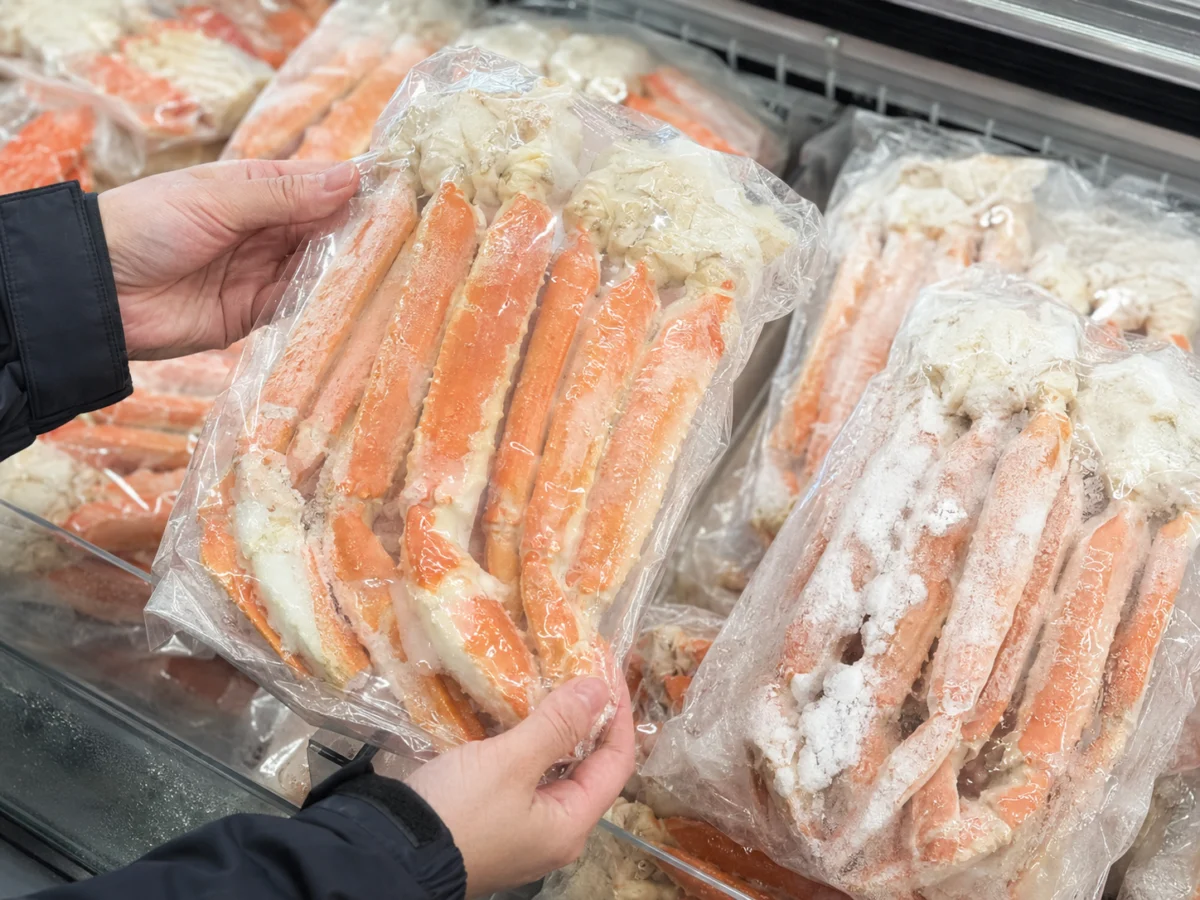
The allure of snow crab legs, with their sweet, succulent meat and impressive presentation, often leads home cooks to a common misconception at the seafood counter: that a pound of clusters will generously feed multiple people. This widespread assumption, however, overlooks a crucial detail: the substantial weight of the crab’s shell. For every pound of snow crab clusters purchased, approximately 70 to 75 percent of that weight is composed of shell, cartilage, and moisture, leaving a mere 4 to 5 ounces of actual edible meat. This reality renders the traditional "one pound per person" guideline insufficient, barely qualifying as an appetizer portion for many dining occasions. Understanding the nuances of snow crab grading, cluster count, and meat yield is essential for consumers to make informed purchasing decisions and ensure a satisfying culinary experience, whether for a casual weeknight meal or an elaborate seafood feast.
The Anatomy of a Snow Crab Cluster: More Than Meets the Eye
A snow crab cluster, as it’s presented at the market, represents half of the crab’s body, complete with its legs and one claw still attached at the shoulder. Typically, a cluster comprises four to six legs and a single claw. The precise number can fluctuate slightly based on the size grade of the crab. This distinction is vital because seafood vendors price their product by total weight, not by the number of individual legs or claws. Consequently, a label indicating "2 lb snow crab clusters" offers little insight into the quantity of pieces one can expect unless the size grade is clearly identified. Two pounds of smaller clusters might yield six to eight individual pieces, whereas the same weight of jumbo clusters could contain as few as three to four. This disparity in cluster count for the same total weight highlights the importance of understanding grade classifications.
The majority of frozen snow crab clusters available in retail markets are pre-cooked during the processing stage, necessitating only a brief reheating period for home preparation. This cooking process, however, does not alter the inherent shell-to-meat ratio, meaning the yield calculations remain consistent regardless of the chosen cooking method.
Understanding Snow Crab Grading: Size Matters for Serving Size
The number of snow crab clusters that constitute a pound is not a fixed quantity; it is entirely dependent on the commercial size grade assigned to the crab. These grades are determined by the weight of each individual cluster prior to packaging. Major suppliers, including Ocean Choice International and Global Seafoods, adhere to standardized grading criteria, which classify clusters based on their individual weight and often provide visual cues for leg thickness.
| Size Grade | Cluster Weight (per cluster) | Typical Leg Thickness |
|---|---|---|
| Small | 4 to 5 oz | Thinner than a finger |
| Medium | 5 to 8 oz | About finger-width |
| Large | 8 to 10 oz | Between finger and thumb |
| Jumbo | 10 to 12 oz | Close to thumb-width |
| Colossal | 12 oz and above | Thumb-width or thicker |
These size definitions are critical for consumers to grasp. They directly influence how many clusters are packed into a pound and, consequently, the amount of meat each cluster contains. During periods of tightened quotas in major snow crab fishing grounds like the Bering Sea or Atlantic Canada, retailers may offer a greater proportion of smaller-grade crab. In such scenarios, scrutinizing the grade label becomes even more imperative than simply observing the total weight of the package.
Clusters Per Pound: A Grade-Based Calculation
To provide a practical reference for shoppers, the following table outlines the typical number of clusters found in one pound, broken down by size grade:
| Size Grade | Cluster Weight (per cluster) | Clusters Per Pound |
|---|---|---|
| Small | 4 to 5 oz | 3 to 4 clusters |
| Medium | 5 to 8 oz | 2 to 3 clusters |
| Large | 8 to 10 oz | 1.5 to 2 clusters |
| Jumbo | 10 to 12 oz | 1 to 1.5 clusters |
| Colossal | 12 oz and above | 1 to 1.5 clusters |
In instances where a package simply reads "snow crab legs" without specifying a cluster weight range, it is highly probable that the product is either small-grade or a mixed-grade selection. A quick inquiry with seafood counter staff regarding the average weight per cluster can provide valuable clarity in mere seconds, potentially preventing disappointment with a less substantial serving.
The Edible Yield Reality: What a Pound of Clusters Truly Delivers
The most significant takeaway for consumers is the actual meat yield from a pound of snow crab clusters. Scientific data, including reports from Alaska Sea Grant and figures published by KnowSeafood, consistently indicate that a pound of snow crab clusters yields approximately 4 to 5 ounces of edible meat. This translates to a meat yield of roughly 25 to 30 percent, with the remaining 70 to 75 percent consisting of shell, cartilage, and inherent moisture.
This yield statistic is paramount and should inform every purchasing decision. While many seafood guides may mention this yield briefly, its implications are profound: a pound of clusters provides only about a quarter-pound of meat, necessitating careful planning to avoid underestimating serving sizes.
The Flawed "One Pound Per Person" Rule
The widely cited "one pound per person" rule for snow crab clusters is demonstrably insufficient when crab is intended as a main course. One pound of clusters, after shelling, offers roughly the same amount of edible meat as a modest chicken breast – hardly a complete meal. Diners adhering to this guideline may find themselves finishing the cracking process within 15 minutes and still feeling unsatisfied. The visual abundance of a large pile of clusters can be deceptive; the actual edible food content is significantly less. For any meal where snow crab is the focal point, the one-pound rule is almost guaranteed to result in shortages. A more prudent approach involves calculating based on edible ounces and then converting that figure back to the required shell-on weight of clusters.
Strategic Snow Crab Purchasing: Planning by Edible Meat
The most effective strategy for purchasing snow crab is to begin by determining the desired amount of edible meat per person and then translating that into the equivalent shell-on weight of clusters. This method circumvents the illusion that a substantial volume of shells equates to an ample serving of food.
-
As a Side Dish: When snow crab is served as a complementary component alongside other dishes such as corn on the cob, potatoes, and bread, a planning target of 6 to 8 ounces of edible meat per person is appropriate. This translates to approximately half a pound of shell-on clusters per individual.
-
As a Main Course: If snow crab is the centerpiece of the meal, the recommended amount of edible meat per person should be between 10 to 14 ounces. This requires purchasing roughly 1 to 1.5 pounds of clusters per person. Opting for the higher end of this range (1.5 pounds) is advisable for guests with larger appetites or when the accompanying dishes are lighter.
Case Study: Planning for a Crab Boil for Six
For a group of six people where snow crab is the star attraction, a total purchase of 9 to 12 pounds of clusters is recommended. Assuming a medium grade (approximately 5-8 oz per cluster), this would equate to roughly 18 to 24 clusters.
It is important to note that utilizing the lower end of this range (9 pounds) is only advisable if the accompanying dishes, such as sausage, corn, or potatoes, are substantial enough to provide adequate satiety. To mitigate the risk of running short, it is prudent to incorporate a 10 to 15 percent buffer into the total calculation. For a group of six, this buffer would add an additional 1 to 1.5 pounds to the base quantity.
Case Study: A Date-Night Side for Two
For a romantic occasion where snow crab is served as an appetizer or a side dish for two people, purchasing 1 to 1.5 pounds in total is sufficient. This would typically yield about 2 to 4 medium-grade clusters.
If opting for larger grades like large or jumbo, the same total weight could result in as few as 2 clusters. Therefore, verifying the grade before placing an order is crucial to avoid presenting a sparse plate. For a date-night main course for two, planning for approximately 3 pounds of clusters in total is recommended, providing 6 to 9 medium clusters, which should be adequate for a satisfying meal when complemented by a few side dishes.
Cluster Count for Common Purchase Quantities
Seafood is frequently sold in standardized box sizes, and understanding the cluster count for these common weights can streamline purchasing:
| Box Size | Medium Grade (5-8 oz per cluster) | Jumbo Grade (10-12 oz per cluster) |
|---|---|---|
| 2 lb | 4 to 6 clusters | 3 to 4 clusters |
| 5 lb | 10 to 15 clusters | 7 to 10 clusters |
| 10 lb | 20 to 30 clusters | 14 to 20 clusters |
A 5-pound box of medium-grade clusters is generally sufficient to serve 3 to 4 people as a main course. The same 5-pound box of jumbo clusters would serve approximately the same number of people but would provide fewer, more substantial pieces, requiring less individual effort for cracking per ounce of meat. For a larger gathering, a 10-pound box of jumbo clusters, containing 14 to 20 clusters, can comfortably serve 6 to 8 people as a main course. The same 10-pound box of medium-grade clusters could potentially serve 7 to 10 people.

Size Grade and the Cost of Edible Meat
While larger snow crab clusters inherently carry a higher price per pound, they can often represent a more economical choice when considering the actual amount of edible meat. For example, a medium cluster priced at $16 per pound yields approximately 4 to 5 ounces of meat, resulting in a cost per edible ounce of around $3.20 to $4. In contrast, a jumbo cluster, which might be priced at $22 per pound, yields the same meat ratio but offers a greater quantity of meat per piece, thereby reducing the labor involved in cracking for each ounce consumed.
At face value, medium-grade crab appears to be the cheaper option. However, when comparing the cost per edible ounce, jumbo clusters frequently prove to be the more advantageous purchase, particularly for events like crab boils where efficiency and maximizing edible yield are priorities.
When Smaller Clusters Offer Value
Smaller snow crab clusters are particularly well-suited for culinary applications where the meat is extracted and incorporated into dishes, such as bisques, crab dips, or seafood salads. In these preparations, the visual impact of large clusters is inconsequential, and the lower price point of smaller grades significantly reduces overall costs without compromising the final dish’s meat yield percentage.
With pricing for small or medium grades ranging from $10 to $14 per pound, they represent a sound economic choice for cooked dishes where the presentation of whole clusters is not a primary concern. For plated presentations where the aesthetic appeal of the clusters themselves is paramount, investing in large or jumbo grades yields a noticeably superior visual and textural experience.
Navigating the Purchase of Frozen Snow Crab Clusters
Frozen snow crab clusters are the predominant form available in most retail outlets, and their quality can vary significantly beyond what the packaging might suggest. Consumers should look for clusters with thick, firm legs that exhibit a clean white to light-orange coloration, devoid of gray spots or signs of freezer burn. Dry, white patches near the joints often indicate that the product has been thawed and subsequently refrozen, compromising its quality.
A common issue with lower-quality frozen crab is an excessive ice glaze. This can artificially inflate the labeled weight by as much as 10 to 15 percent, meaning a 2-pound box with a heavy ice coating might contain only 1.7 pounds of actual crab. This discrepancy is rarely disclosed and significantly distorts the perceived value based on the price per pound.
Reading Labels and Identifying Ice Buildup
When purchasing frozen snow crab, it is advisable to look for labels that specify a cluster weight range, such as "8 to 10 oz clusters," rather than relying solely on the total box weight. If a package simply states "snow crab legs" without any indication of cluster size, it is likely a smaller or mixed-grade product.
Visual inspection can also be a reliable indicator. Legs thinner than a standard finger typically signify small or medium-grade crab, while legs approaching thumb-width suggest large or jumbo grades. Excessive ice accumulation around the joints or claw tips is a strong indicator of suboptimal storage conditions. A light, thin glaze is normal and serves to protect the meat, but a thick, encasing layer of ice around each leg is a cause for concern.
The Yield Math: A Practical Conclusion
The pervasive "pound-per-person" guideline for snow crab often leaves diners feeling unsatisfied, primarily because the weight of the shell is erroneously counted as edible food. Once the actual meat yield is considered, a pound of clusters functions more as a substantial appetizer than a complete meal. Purchasing solely based on weight invariably leads to an underestimation of serving needs. The grade of the crab is as critical as its total weight, and a jumbo cluster, despite its higher price per pound, can ultimately be more cost-effective per bite than a bag of smaller, mixed-grade crab. The most practical approach involves initiating planning with the desired quantity of edible meat, confirming the cluster weight before purchase, and incorporating a 10 to 15 percent buffer for servings where the headcount is firm. The goal is to ensure that the serving platter is genuinely full, not merely piled high with empty shells.
Frequently Asked Questions About Snow Crab Cluster Yield
How many clusters constitute one pound of snow crab legs?
Typically, one pound of snow crab legs contains between 2 to 3 clusters, though this number varies significantly with the size grade. Smaller clusters (4-6 oz each) will yield 3-4 per pound, while larger, premium clusters (8-10 oz each) may contain only 1-2 per pound. The packaging should ideally indicate the cluster weight range for clarity.
How many people can two pounds of snow crab feed?
Two pounds of snow crab can adequately feed two people as a main course or 3-4 people as a side dish, contingent upon the presence of other accompaniments. Given that one pound yields approximately 4-5 ounces of meat, two pounds provide a total of about 8-10 ounces of protein, which is suitable for two substantial servings or a shared appetizer for a few individuals.
What is a typical serving size for one pound of crab legs?
One pound of snow crab clusters is generally considered an appetizer portion for one person or a generous side dish for two. Due to the significant shell weight, the edible meat content is only 4-5 ounces, which is why many home cooks find they need to purchase more than initially anticipated when crab is the primary dish.
How many clusters are recommended per person for a main course?
For a main course where snow crab is the focal point, plan for 2 to 3 clusters per person. This equates to roughly 1 to 1.5 pounds per person, delivering an edible meat yield of 10-14 ounces, which is considered a proper main course portion.
What is the weight of two clusters of snow crab?
The weight of two snow crab clusters can range from 12 to 20 ounces, depending on their grade. Small clusters (4-6 oz each) would total 8-12 oz, while larger or jumbo clusters (8-12 oz each) could approach 16-20 oz. When purchasing by the piece, inquiring about the size grade ensures an accurate understanding of the portion size.
How many pounds do three clusters of snow crab legs typically weigh?
Three clusters of snow crab legs weigh approximately 1 to 1.5 pounds, depending on whether they are medium (5-8 oz each) or large (8-10 oz each). Three medium clusters would be around one pound, while three large or jumbo clusters could exceed 1.5 pounds. The size grade is always a determining factor.
What is the distinction between a snow crab cluster and a snow crab leg?
A snow crab cluster refers to one side of the crab’s body, comprising 4 to 6 legs and a claw, all attached at the shoulder joint. A single leg is merely one of these individual appendages. Purchasing "snow crab clusters" ensures a more visually appealing and substantial presentation compared to loose legs.
How much edible meat is in a pound of snow crab legs?
A pound of snow crab clusters yields only about 4-5 ounces of edible meat, as the shell accounts for approximately 70-75% of the total weight. This is why the "1 pound per person" rule often proves insufficient for main courses, and why jumbo clusters can sometimes offer better value when the shell weight is factored out.
Why does the perceived amount of snow crab in a pound vary?
Variations in the perceived amount of snow crab per pound can arise from seasonal supply fluctuations, leading to different grades being available at different times. A "medium" grade one month might appear smaller or larger the following month. It is always advisable to check for the cluster weight range (e.g., "8-10 oz") rather than relying on visual estimation. Additionally, significant ice buildup can inflate the labeled weight by 10-15% without adding any meat.
Is one pound of snow crab legs enough for a single person?
One pound of snow crab legs can suffice as a main course for an individual with a hearty appetite and minimal accompanying dishes, but it is generally better suited as an appetizer or a lighter meal. If crab is the primary focus of the meal, a quantity of 1.5 pounds per person is recommended to achieve the desired 10-14 ounces of edible meat for a satisfying main course.




 Anjar Salim
 Chandra Hamzah
 Tatiana Tantri Indah Sari
 Budi Mulyono
 Lukman Taruna Persada Ramadan
