
 Budi Mulyono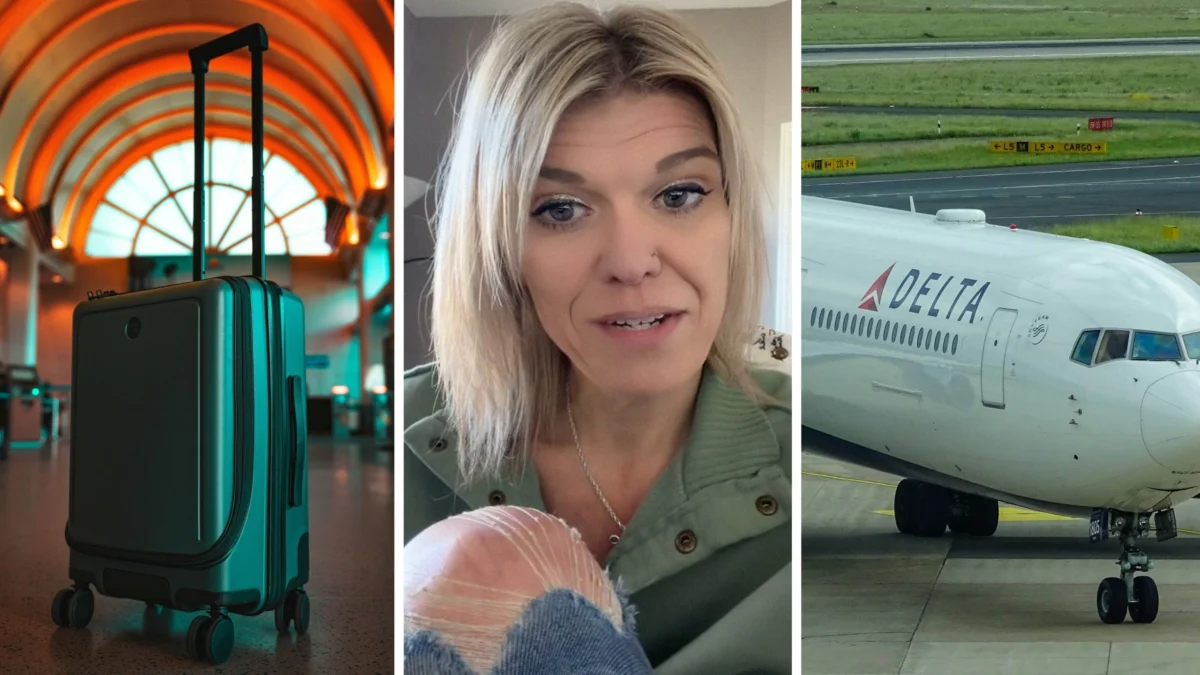
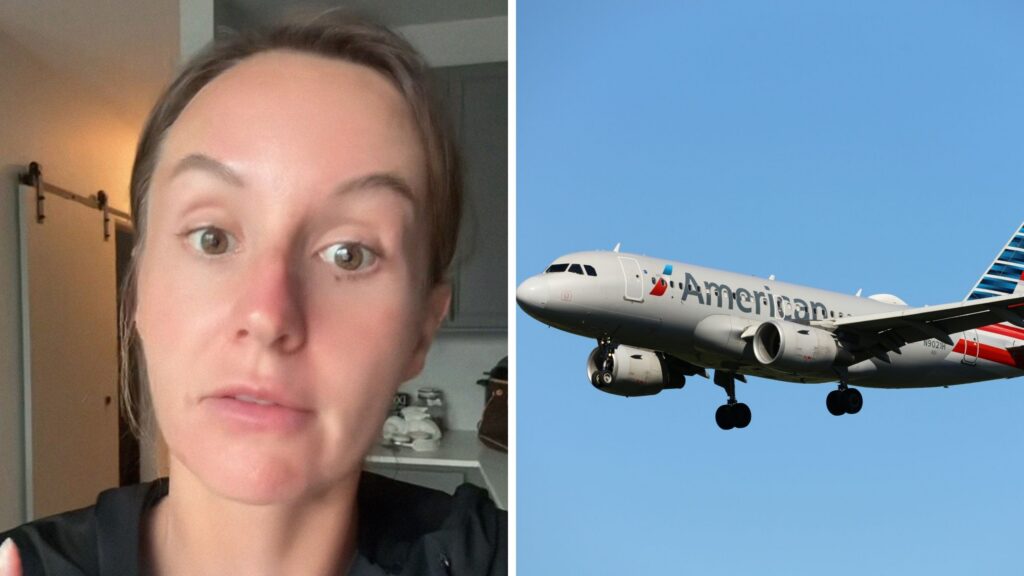
The perennial conflict over overhead bin space has reached a new level of public discourse following a viral incident involving a Delta Air Lines passenger. Amy, a content creator known on TikTok as @amyrae269, recently shared a six-second video that has ignited a fierce debate regarding airline boarding procedures, the enforcement of baggage rules, and the systemic pressures that lead to passengers being forced to gate-check their luggage. The footage, which has garnered more than 41,700 views, captures a common but frustrating sight for frequent flyers: overhead compartments filled with small backpacks and personal items, while passengers with standard-sized carry-on bags are told there is no room left in the cabin.

The incident occurred during the return leg of a trip from Jamaica. According to the passenger, she had purchased a fare class that explicitly included a carry-on bag. Despite this, she was intercepted at the gate and informed that the flight was "full" and her bag would need to be checked to her final destination. Upon boarding the aircraft, however, she discovered that the bins directly above her assigned seat were not only available but were partially occupied by items that, according to Delta’s published policies, should have been stowed under the seats in front of the owners.

The Core of the Dispute: Delta’s Published Baggage Policy
To understand the friction between the passenger and the airline, one must look at the specific language of Delta Air Lines’ carry-on baggage policy. The airline stipulates that each passenger is allowed one carry-on bag and one personal item at no extra charge. The personal item is defined as a purse, briefcase, small backpack, camera bag, or diaper bag. Crucially, the policy states that personal items must fit under the seat in front of the passenger.
The video posted by Amy highlights a breakdown in the enforcement of these rules. In her narration, she expresses a sentiment shared by many travelers: "Anyone think that this is [expletive] that we have to check our bags at the gate because [expletive] people like this." The "people" she refers to are those who place small backpacks—items clearly fitting the "personal item" description—into the overhead bins, thereby consuming space intended for larger roller bags.
This behavior creates a secondary conflict between passengers. While some travelers prioritize their own legroom by placing everything overhead, others find themselves forced to wait at baggage carousels or risk lost luggage because the cabin’s shared resources were managed inefficiently.

The Backpack Defense: A Conflict of Rights
The online reaction to the video revealed a significant divide in passenger philosophy. While many sympathized with Amy, a vocal minority defended the use of overhead bins for backpacks. This group, often referred to as "one-bag travelers," argues that if a backpack is their only piece of luggage, they are entitled to use the overhead bin.

Under the technical reading of most airline contracts of carriage, a passenger is entitled to one "carry-on" slot. If a traveler chooses to bring only a backpack, that backpack becomes their carry-on bag. Several commenters on the video, such as a user named Vali, pointed out that many people use backpacks as their primary luggage. Another traveler, Nicole Elizabeth, explained that her backpack often contains sensitive equipment, such as rechargeable luggage scales, cameras, and laptops, which are regulated by the Federal Aviation Administration (FAA) and must remain in the cabin. For these passengers, the under-seat space is often reserved for a second, even smaller item, or left empty to accommodate their own physical comfort.

This creates a "grey area" in Delta’s policy. While the airline lists "small backpacks" as examples of personal items, it does not strictly prohibit a passenger from using a backpack as their primary carry-on. The result is a lack of standardization that leaves flight attendants to mediate disputes on a case-by-case basis, often leading to inconsistent enforcement.

The 70% Trigger: Behind the Scenes of Gate-Checking
One of the most revealing aspects of the discourse surrounding Amy’s video involves the internal logic used by airline staff to initiate gate-checking. A common complaint among passengers is being forced to check a bag only to find empty bins once they board. This is rarely the result of a mistake by a single agent, but rather a systemic protocol designed to ensure on-time departures.

According to industry insights and comments from Delta flight attendants, many airlines use a "70% fullness trigger." Once flight attendants estimate that the overhead bins are approximately 70% full, they relay this information to the gate agents. At this point, gate agents begin a preemptive "mandatory gate-check" for all remaining passengers in the boarding line who are not in premium cabins or do not have elite status.

The rationale for this buffer is rooted in operational efficiency. If a flight reaches 100% bin capacity while passengers are still in the aisle, the boarding process grinds to a halt. Passengers must then move backward against the flow of traffic to hand their bags to crew members, who must then process the bags and send them down to the ramp. This can cause delays of 10 to 15 minutes—a significant margin for an industry where "D0" (departure at zero minutes past scheduled time) is a primary metric for employee performance and airline rankings.

A former flight attendant commenting on the video noted an even more pragmatic, if frustrating, tactic: "They’d have us start shutting bins so the passengers wouldn’t be livid they were empty and we made them check bags." This suggests that the visual of an empty bin is recognized by the airline as a source of passenger "rage," yet the pressure to depart on time outweighs the desire to maximize cabin storage for every individual.

Chronology of the Incident and Public Reaction
The timeline of the event and its subsequent viral spread follows a familiar pattern in the age of social media travel reporting:
- Early May 2026: Amy travels to Jamaica. On her return flight, she is forced to gate-check her carry-on despite having a confirmed ticket that includes cabin baggage.
- Mid-May 2026: Upon boarding, she films the overhead bins containing small items and empty spaces. She uploads the six-second clip to TikTok with a caption demanding that Delta "do better."
- Late May 2026: The video gains traction, surpassing 40,000 views. The comments section becomes a forum for flight attendants and frequent flyers to debate airline policy.
- May 28, 2026: Travel news outlets and boarding area blogs pick up the story, highlighting the "70% rule" and the discrepancy between airline policy and gate enforcement.
The reaction from airline staff has been notably sympathetic toward the passenger’s frustration, if defensive of their own roles. One regional jet flight attendant noted that they are "constantly given attitude" when asking passengers to move small bags under seats, highlighting the emotional labor required to enforce bin etiquette in an increasingly tense cabin environment.
Broader Implications for the Airline Industry
The friction documented in this incident is a symptom of a larger shift in the aviation industry that began in 2008, when major carriers started charging for checked bags. This policy change fundamentally altered passenger behavior, incentivizing everyone to bring the largest possible bag into the cabin. While newer aircraft are being outfitted with "SpaceBins" or "XL Bins" that allow bags to be stored on their sides, the demand for overhead space continues to outpace supply.

Furthermore, the rise of "Basic Economy" fares has added another layer of complexity. These fares often restrict passengers from using overhead bins entirely, yet enforcement relies on gate agents identifying these passengers during the frantic boarding process. When enforcement fails, or when passengers "sneak" bags into the cabin, it further displaces those who have paid for the privilege.

The incident also highlights the "incentive gap" in airline operations. Gate agents and flight attendants are incentivized by "on-time performance" (OTP). Passengers, conversely, are incentivized by convenience and the security of their belongings. When these two sets of incentives clash, the passenger’s experience is usually the casualty.
Analysis of Potential Solutions
To mitigate these conflicts, industry analysts suggest several paths forward, though each comes with its own set of challenges:

- Strict Enforcement of Personal Item Dimensions: If airlines utilized "sizers" for personal items at the boarding gate—similar to how they do for carry-ons—they could ensure that only true carry-on bags reach the overhead bins. However, this would significantly slow down the boarding process, contradicting the goal of on-time departures.
- Universal Checked Bag Inclusion: Some advocates argue that returning to a model where the first checked bag is free would alleviate the pressure on overhead bins. However, with baggage fees generating billions in ancillary revenue for carriers like Delta, a voluntary reversal is unlikely.
- Automated Bin Monitoring: Future aircraft may include sensors that provide gate agents with real-time, accurate data on bin capacity, removing the "guesswork" and the need for the conservative 70% trigger.
Conclusion
The case of Amy vs. Delta Air Lines serves as a microcosm of the modern air travel experience: a high-stress environment where vague rules, operational pressures, and passenger self-interest collide. While Amy has declared that she will "never fly Delta again," the reality is that the "70% rule" and the "backpack defense" are prevalent across nearly all major US carriers.

As of this report, Delta Air Lines has not issued a formal statement regarding the specific flight in question. However, the discourse generated by the incident suggests that until airlines find a way to align their efficiency metrics with the promised amenities of their fare classes, the battle for the overhead bin will remain a fixture of the friendly skies. For now, the "social contract" of the cabin remains fragile, leaving passengers to navigate a system that often prioritizes the clock over the carry-on.




 Anjar Salim
 Chandra Hamzah
 Tatiana Tantri Indah Sari
 Lukman Taruna Persada Ramadan
