
 Budi Mulyono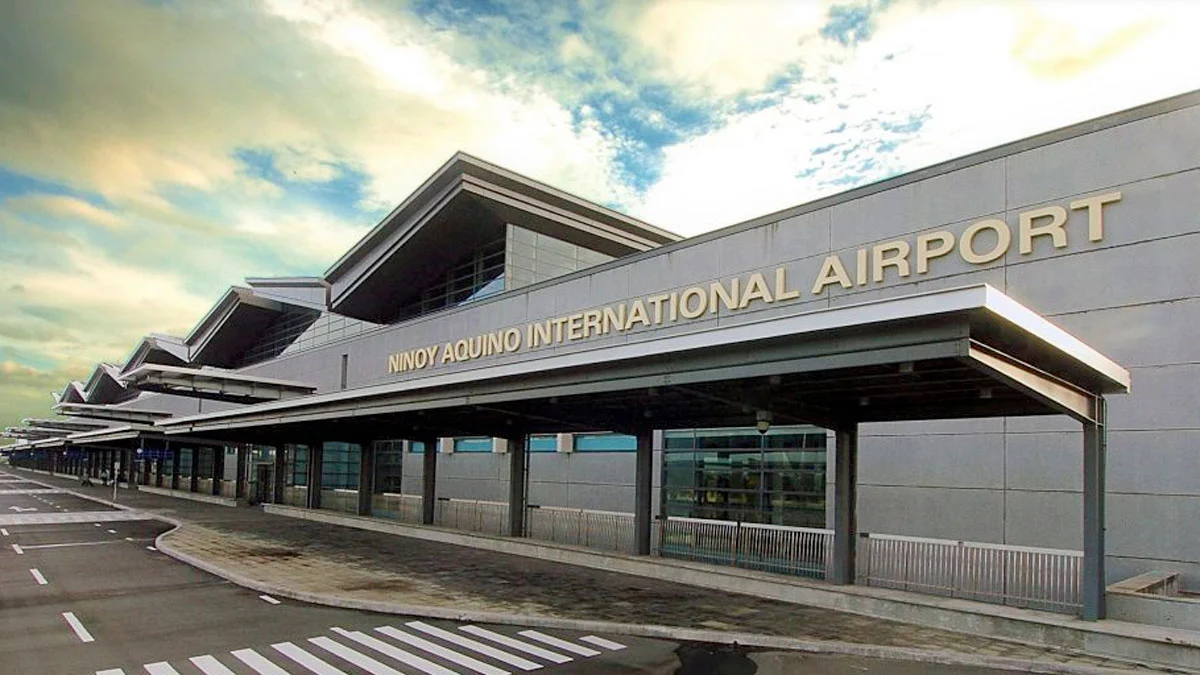
Qantas Frequent Flyers have gained significantly expanded access to the Philippine archipelago following a major update to the airline’s partnership with Philippine Airlines (PAL), allowing members to book Classic Reward seats across the carrier’s entire domestic and international network. Effective May 28, 2026, this development marks a pivotal shift in the relationship between the two carriers, moving beyond limited access to Manila and opening up 15 new regional and island destinations for points redemption. This expansion allows travelers to utilize Qantas Points for flights to high-demand locations such as Boracay, Cebu, and Palawan, which were previously difficult to access through the Qantas Loyalty ecosystem.
The integration includes access to Economy, Premium Economy, and Business Class cabins across PAL’s Australian and international routes, providing a comprehensive range of options for travelers seeking both leisure and corporate travel. The timing of the launch coincides with a notable surge in Australian interest in the Philippines; data from the Philippine Department of Tourism indicates that visitor arrivals from Australia rose by 19% in the first quarter of 2026 compared to the previous year. This strategic move by Qantas Loyalty is designed to capture this growing demand by providing more versatile redemption options in a market that is increasingly seen as a competitive alternative to traditional Southeast Asian hubs like Bali and Phuket.
A New Era for Regional Connectivity
Until this recent expansion, Qantas Frequent Flyer members were largely restricted to redeeming points on international legs into Manila’s Ninoy Aquino International Airport. While this served travelers visiting the capital, those looking to reach the country’s famous white-sand beaches or diving spots were often required to purchase separate domestic tickets or use cash for the entire journey. The new agreement eliminates these barriers by integrating PAL’s full domestic network into the Qantas Classic Flight Reward system.
The addition of 15 regional destinations via Manila and Cebu transforms the value proposition for Qantas members. Boracay, renowned for its White Beach and vibrant nightlife, is now accessible via points-based bookings through Caticlan or Kalibo. Cebu, a central hub for the Visayas region, serves as a gateway for travelers interested in world-class diving in Moalboal or swimming with whale sharks in Oslob. Perhaps most significant is the inclusion of Palawan, home to the Puerto Princesa Subterranean River National Park—a UNESCO World Heritage site—and the dramatic limestone cliffs of El Nido and Coron.
By providing seamless booking capabilities to these secondary markets, Qantas is positioning itself to better serve the "adventurous luxury" segment of its membership base. This demographic increasingly seeks destinations that offer natural beauty and cultural depth without the over-commercialization found in older tourist hubs.

Chronology of the Qantas-Philippine Airlines Partnership
The evolution of the partnership between Qantas and Philippine Airlines has been characterized by steady incremental growth over the past decade. Historically, the two airlines maintained a standard interline agreement, allowing for basic baggage transfers and ticketing. However, as the Filipino-Australian community grew and trade between the two nations intensified, the need for deeper loyalty integration became apparent.
In early 2024, the airlines began discussing a more robust reciprocal arrangement. By 2025, limited codeshare agreements were in place, primarily focusing on the trunk routes between Sydney, Melbourne, and Manila. In March 2026, Qantas launched its revamped "Reward Seat Search Tool," a digital interface designed to simplify the discovery of partner airline availability. This tool laid the technical groundwork for the May 28, 2026, announcement, ensuring that the influx of PAL seat inventory could be easily navigated by members.
This timeline reflects Qantas’s broader strategy of diversifying its partner portfolio. While Qantas remains a cornerstone member of the Oneworld alliance, it has increasingly sought bilateral partnerships with non-alliance carriers—such as Emirates, WestJet, and now an expanded PAL agreement—to fill geographical gaps and provide members with more diverse travel corridors.
Redemption Economics and Fleet Specifics
The cost of redeeming Qantas Points for Philippine Airlines flights is determined by the distance-based Classic Flight Reward table for partner airlines. For travelers departing from Australia’s east coast, the requirements are structured around the aircraft type and flight duration.
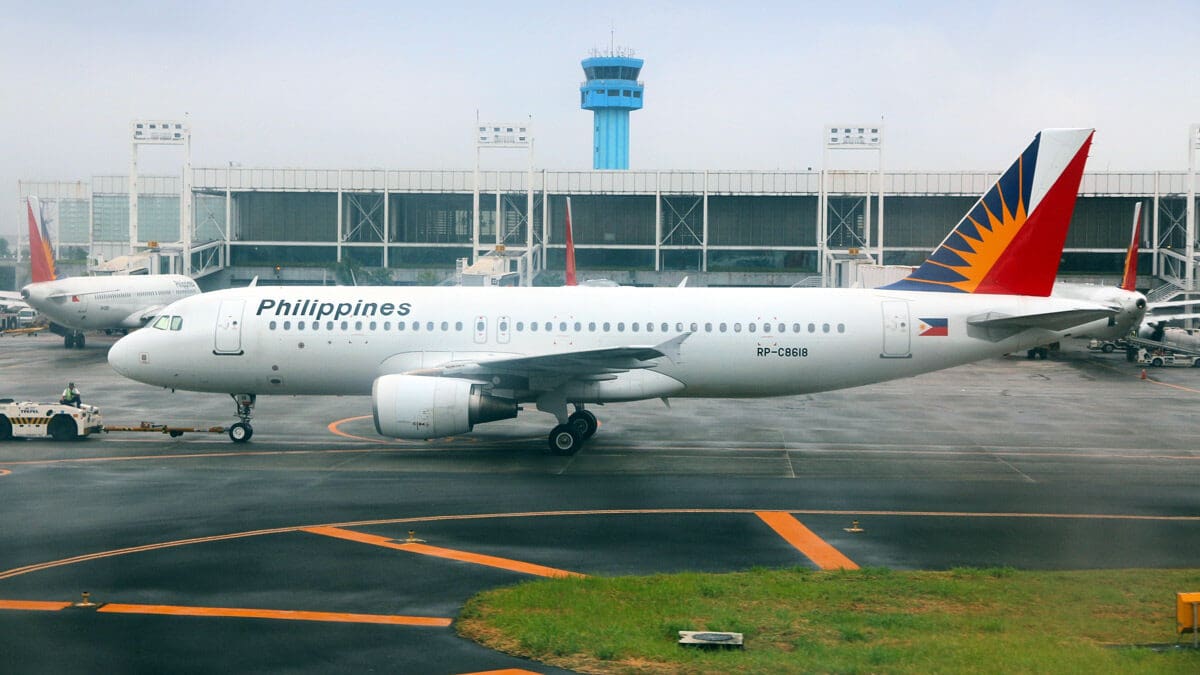
For flights from Sydney or Melbourne to Manila, PAL typically operates the Airbus A330-300. This aircraft features a staggered 1-2-1 Business Class configuration, providing all passengers with direct aisle access—a significant draw for points redeemers. The points required for a one-way Classic Reward on these routes are approximately:
- Economy: 30,000 – 35,000 Points
- Premium Economy: 52,000 – 58,000 Points
- Business Class: 75,000 – 82,000 Points
Conversely, routes from Perth or Brisbane are often serviced by the Airbus A321neoLR (Long Range). While a narrow-body aircraft, the A321neoLR is equipped with full flat-bed seats in Business Class, making it a highly efficient and comfortable option for the mid-haul journey to Manila. Redemptions on these routes generally cost slightly less due to the shorter distance:
- Economy: 25,000 – 30,000 Points
- Business Class: 65,000 – 72,000 Points
These figures exclude taxes, fees, and carrier charges, which remain payable in cash. However, the inclusion of PAL in the Classic Reward seat pool is a significant win for members, as these seats offer much higher value per point compared to "Points Plus Pay" options.
Strategic Implications for the Aviation Market
The decision to open the full PAL network to Qantas members carries several strategic implications for the Asia-Pacific aviation landscape. First, it strengthens Qantas’s position against competitors like Singapore Airlines and Cathay Pacific, who have traditionally dominated the Australian-to-Philippines market via their respective hubs in Singapore and Hong Kong. By offering a "one-stop" points solution to regional Philippine destinations via Manila or Cebu, Qantas provides a more direct alternative.
Second, the move supports the Philippine government’s "Build Better More" infrastructure program, which has prioritized the modernization of regional airports. As airports in locations like Palawan and Bohol receive upgrades, the ability for international travelers to book these destinations on a single itinerary becomes a vital component of tourism growth.
Industry analysts suggest that this move may also be a response to the rising popularity of low-cost carriers (LCCs) in the region. With Cebu Pacific expanding its Australian footprint, Qantas must leverage its loyalty program—one of the most successful in the world—to retain premium travelers who might otherwise be tempted by the lower base fares of LCCs.
Official Responses and Industry Outlook
While official statements from airline executives emphasized the "seamless nature" of the new booking process, the underlying sentiment is one of mutual economic benefit. Sources close to Qantas Loyalty indicate that the partnership is expected to drive a 15% increase in points redemptions in the Southeast Asian sector over the next 18 months.
"This expansion is about giving our members more choice in a region that is seeing unprecedented growth," a spokesperson for the loyalty program noted. "By connecting our members to the full Philippine Airlines network, we are making the Philippines as accessible as traditional favorites like Fiji or Hawaii."

Philippine Airlines management has expressed similar optimism, noting that Australian travelers are among the highest-spending visitors per capita. By facilitating easier access for Qantas Frequent Flyers, PAL aims to increase its load factors on domestic legs and showcase its full-service offering to a wider international audience.
Conclusion and Traveler Considerations
The integration of Philippine Airlines’ full network into the Qantas Frequent Flyer program represents a significant milestone in regional travel. For the 15 million Qantas members, the move provides a new frontier for points redemptions, moving beyond the traditional hubs and into the heart of the Philippine islands.
However, travel experts advise that while the availability has increased, the "Classic Reward" seats remain subject to capacity controls. Travelers aiming for Business Class seats during peak periods—such as the Christmas holidays or the Philippine "summer" (March to May)—are encouraged to book well in advance. The use of the Qantas Reward Seat Search Tool will be essential for identifying the 12-month booking windows where availability is highest.
As the Philippines continues to invest in its tourism infrastructure and as Australian demand for diverse travel experiences grows, the Qantas-PAL partnership stands as a model for how legacy carriers can collaborate to provide enhanced value in a rapidly evolving global market. For the frequent flyer, the message is clear: the path to the islands of the Philippines is now paved with points.




 Anjar Salim
 Chandra Hamzah
 Tatiana Tantri Indah Sari
 Lukman Taruna Persada Ramadan
