Gabriela Annisa
The global aviation industry is currently navigating a period of profound transformation, marked by significant leadership changes, persistent fuel price volatility, and ambitious strategic recalibrations. High-profile executive moves, including Willie Walsh’s surprising transition to IndiGo and Michael Rousseau’s impending departure from Air Canada, signal a dynamic environment at the helm of major carriers and industry bodies. Simultaneously, market-specific challenges, such as those faced by Alaska Airlines in its Hawaii and Mexico routes, alongside broader industry speculation regarding mergers like JetBlue’s, underscore the complex interplay of operational pressures and strategic imperatives defining the sector.
Executive Exodus and Strategic Shifts Reshape Industry Leadership
The aviation world was recently stirred by the announcement that Willie Walsh, the Director General of the International Air Transport Association (IATA), will step down from his role on July 31st to assume the position of CEO at IndiGo, India’s largest airline, by August 3rd. This move has been widely regarded as a significant and unexpected development, as Walsh’s tenure at IATA, often perceived as a capstone "retirement job," concludes earlier than anticipated. Known throughout his career for his decisive leadership and often blunt communication style, Walsh previously held top positions at Aer Lingus, British Airways, and the International Airlines Group (IAG), where he built a reputation as a formidable cost-cutter and turnaround specialist.
His appointment at IndiGo places him at the helm of one of the world’s fastest-growing airlines, a carrier with an ambitious mandate for expansion. IndiGo operates a vast fleet, predominantly Airbus A320neo family aircraft, and has significant orders in place, including for the long-range A321XLR, which will enable it to expand its international footprint beyond its current regional focus. The airline has been actively exploring options for wide-body aircraft to further its global ambitions, a strategy Walsh’s experience in managing large, complex international networks will undoubtedly shape. This leadership change follows the departure of IndiGo’s previous CEO, Pieter Elbers, whose tenure faced operational challenges, notably a significant meltdown in December. Analysts suggest that Walsh’s appointment reflects IndiGo’s commitment to fortifying its operational resilience and executing its aggressive growth strategy with proven global leadership. His presence is expected to bring renewed focus on efficiency and strategic route development, leveraging IndiGo’s extensive order book to capitalize on India’s booming aviation market.
The search for Walsh’s successor at IATA is reportedly "well advanced," with the association’s board of directors having prepared for a leadership transition. The announcement of a new Director General could potentially coincide with IATA’s Annual General Meeting (AGM) in Rio in early June, where member airlines will convene to discuss critical industry issues. The selection of a successor will be closely watched, as the industry body seeks a leader who can navigate the complexities of global airline representation, government relations, and advocacy, while maintaining the dynamic presence Walsh brought to the role.
Concurrently, Air Canada announced the upcoming retirement of its President and CEO, Michael Rousseau, by the end of the third quarter of this year. This decision comes amidst a challenging period for the Canadian flag carrier, which has faced operational setbacks and public scrutiny. Rousseau’s tenure was notably marked by controversy surrounding his proficiency in French, Canada’s other official language. A particular incident in 2021 saw Rousseau stating he did not need to learn French despite living in Montreal for 14 years, drawing widespread criticism and calls for his resignation from Quebec officials. More recently, his public statement following a tragic Air Canada Express accident at LaGuardia Airport was criticized by Canadian Prime Minister Mark Carney for "lacking compassion," further intensifying pressure.
Air Canada’s financial performance in fiscal year 2025 also reflected difficulties, with an operating margin of 6%, a decline from 8% in 2024 and 11% in 2023. This downturn was largely attributed to labor strife during the summer months, which significantly impacted the airline’s peak season profitability. Despite a strong fourth quarter in 2025 and positive demand trends in early 2026, the company’s executive turnover adds another layer of complexity. The search for Rousseau’s successor is underway, involving both an internal development program and an external search initiated in January. The pool of potential candidates is notably constrained by the requirement for French language proficiency, a critical factor for a company headquartered in Montreal, a predominantly French-speaking city with federal language requirements for public-facing entities. Air Canada has a history of strong leadership, including former CEOs like Ben Smith (now CEO of Air France-KLM) and Calin Rovinescu, who were instrumental in the airline’s recovery from bankruptcy two decades ago, successfully exploiting international opportunities, optimizing hubs like Montreal, and developing loyalty programs. The incoming CEO will face the dual challenge of improving operational stability and restoring public confidence while navigating the specific linguistic and cultural expectations of the Canadian market.
Market Dynamics and Strategic Airline Responses
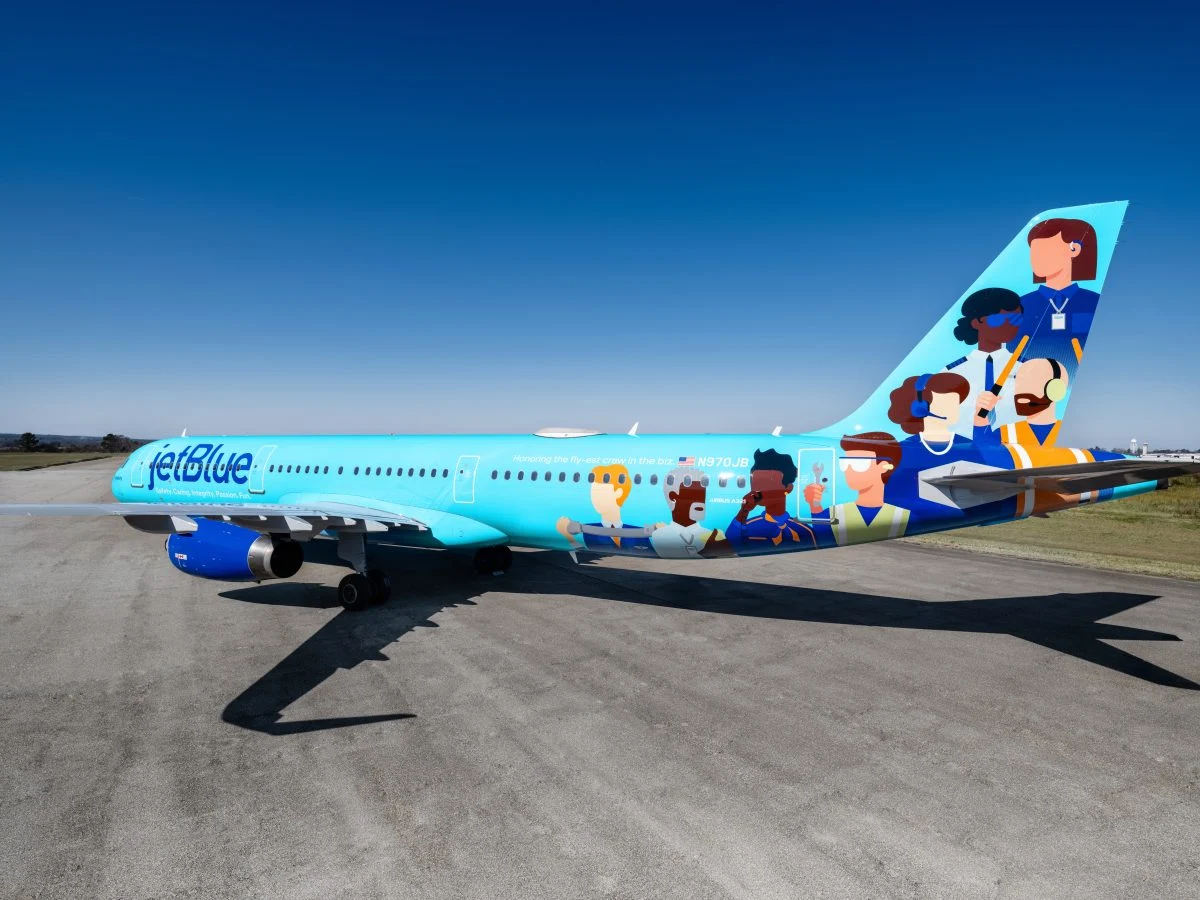
The North American airline market is also abuzz with renewed merger speculation, following reports that JetBlue Airways is actively seeking a merger partner. While an April Fool’s Day joke about an American Airlines acquisition briefly circulated, the underlying rumors reported by online news organizations like Semaphore suggest a serious intent from JetBlue to explore consolidation. Potential partners cited include United Airlines, which has expressed a desire to re-establish a significant presence at JFK Airport and already has a "Blue Sky" partnership with JetBlue. Southwest Airlines could also be an interesting strategic fit. A merger with American Airlines, however, is considered less likely given the recent contentious breakup of their Northeast Alliance (NEA) due due to antitrust concerns and subsequent litigation, highlighting the complexities and regulatory hurdles involved in such large-scale transactions. Any significant consolidation involving JetBlue would undoubtedly reshape the competitive landscape in key East Coast markets and potentially trigger further industry realignments.
Meanwhile, Alaska Airlines is facing its own set of unique challenges, as evidenced by its revised first-quarter outlook, which now anticipates a larger loss than initially forecast. The airline cites two primary factors: persistently high jet fuel prices and weaker demand in key leisure markets. Global oil benchmarks, including West Texas Intermediate (WTI) and Brent crude, remain stubbornly above $100 per barrel, exacerbated by elevated refining spreads. Alaska reported paying close to $3 per gallon for jet fuel in Q1, a significant increase from $2.57 in Q4 2025, with projections for even higher costs in Q2 if current trends continue.
On the revenue front, while Alaska’s corporate business remains exceptionally strong and overall revenue trends are positive, demand for its Hawaii and Mexico routes has notably declined. These two markets collectively represent approximately 30% of Alaska’s total capacity, making their underperformance a significant drag on the airline’s profitability. The drop in demand for Mexico is attributed to recent drug-related violence in Acapulco, which, despite swift stabilization efforts by Mexican authorities, spooked risk-averse travelers during the crucial spring break period. Similarly, Hawaii has seen a dip in demand due to weather-related issues, including flooding, impacting tourism during what would typically be a peak travel season.
Against this backdrop of market-specific headwinds, Alaska Airlines is simultaneously embarking on an ambitious long-haul international expansion, a strategic pivot largely enabled by its acquisition of Hawaiian Airlines. The rationale behind the Hawaiian merger, announced in December 2023 and pending regulatory approval, was multifaceted: it addressed growth constraints at Alaska’s primary hub in Seattle and provided access to Hawaiian’s wide-body aircraft fleet, which Alaska previously lacked. This move represents a significant departure from Alaska’s historical discipline around its narrow-body fleet, which contributed to its strong operational focus and profitability. The airline is leveraging these wide-bodies to launch new international services from Seattle, including flights to Rome (seasonal, April-October), year-round daily service to London Heathrow, and routes to Reykjavik, Seoul, and Tokyo. The addition of these long-haul routes puts Alaska in direct competition with established global carriers like Delta Air Lines, Virgin Atlantic, British Airways, and Korean Air, all of whom operate highly competitive services in these markets, often through powerful joint ventures. The expansion into wide-body operations introduces a new level of risk for Alaska, as these aircraft are expensive to acquire and operate, and international long-haul markets can be highly seasonal and subject to intense competition. While Alaska benefits from a strong corporate base in Seattle and alliances with carriers like British Airways, the success of this strategy will depend on its ability to effectively compete against seasoned international players and integrate the Hawaiian Airlines operations, including harmonizing reservation systems and labor contracts, a process that is still very much in its early stages.
Broader Industry Context and Outlook
The persistent elevation of jet fuel prices continues to be a major concern across the global aviation industry. Geopolitical tensions, fluctuating global supply and demand dynamics, and the refining capacity crunch contribute to the volatility, directly impacting airline operating costs and profitability. Carriers are continually adjusting capacity, hedging strategies, and pricing structures to mitigate these pressures, but the fundamental challenge remains.
Beyond fuel, the post-pandemic operating environment continues to present a complex mix of strong leisure demand, evolving business travel patterns, and ongoing labor market tightness. Airlines are navigating a landscape where agility and strategic foresight are paramount. The leadership changes at IndiGo and Air Canada, the merger speculation surrounding JetBlue, and Alaska Airlines’ strategic repositioning are all indicative of an industry in constant flux, adapting to both internal and external pressures. The drive for innovation, from advancements in customer experience and digital transformation to sustainability initiatives and new aircraft technologies, is being actively pursued and recognized, as exemplified by programs like the Skift Idea Awards, which highlight companies and leaders driving meaningful change across the travel ecosystem. As the industry moves forward, the ability of airlines to effectively manage these multifaceted challenges—from executive transitions and operational efficiency to market shifts and strategic growth—will define their success in an increasingly competitive and unpredictable global arena.


 Chandra Hamzah
 Tatiana Tantri Indah Sari
 Budi Mulyono
 Anjar Salim