
 Budi Mulyono
The global travel landscape is currently witnessing a series of significant shifts, ranging from aggressive pricing strategies by major carriers to the rapid expansion of luxury ground services by financial institutions. Recent reports have identified a substantial, unadvertised award sale from Delta Air Lines, the inauguration of a new Chase Sapphire Lounge at Dallas/Fort Worth International Airport (DFW), and the emergence of niche digital tools designed to gamify international travel through specialized mapping projects. These developments highlight a broader trend in the travel industry: the increasing importance of dynamic value propositions and the "premiumization" of the end-to-end passenger experience.
Delta Air Lines and the Economics of Unadvertised Award Sales
Delta Air Lines has recently implemented an unadvertised award sale that has captured the attention of the frequent flyer community, offering roundtrip economy flights to Australia for as low as 25,000 SkyMiles. This pricing represents a historic low for trans-Pacific travel, a route that typically commands between 80,000 and 200,000 miles depending on the season and demand. The sale, initially identified by the subscription service Thrifty Traveler Premium and subsequently corroborated by various industry analysts, underscores Delta’s strategic use of dynamic pricing to manage seat inventory on long-haul routes.
For years, Delta has moved away from published award charts, which previously allowed travelers to know exactly how many miles a flight would cost based on geographic zones. By adopting a dynamic model, Delta can adjust the "price" in miles as frequently as it adjusts cash prices. While this often leads to "mileage inflation," it also allows the airline to offer "flash sales" to fill aircraft during off-peak periods or to respond to competitive pressures from other carriers like Qantas or United Airlines.
The 25,000-mile roundtrip rate to Australia is particularly noteworthy given the distance and the typical cost of the fare. At a standard valuation of 1.2 cents per SkyMile, a 25,000-mile redemption is worth approximately $300. Considering that cash fares to Sydney or Melbourne from the United States often exceed $1,200, travelers participating in this sale are achieving a value of nearly 5 cents per mile—well above the industry average. Industry analysts suggest that such aggressive pricing may be a tactical move to stimulate interest in Delta’s expanded South Pacific network, which has seen increased capacity over the last twenty-four months.
The Expansion of the Chase Sapphire Lounge Network
Parallel to the shifts in airfare pricing is the ongoing "lounge war" among major credit card issuers. Chase has officially opened its latest Sapphire Lounge by The Club at Dallas/Fort Worth International Airport, marking a significant milestone in the brand’s effort to compete with American Express’s established Centurion Lounges and Capital One’s growing lounge footprint.
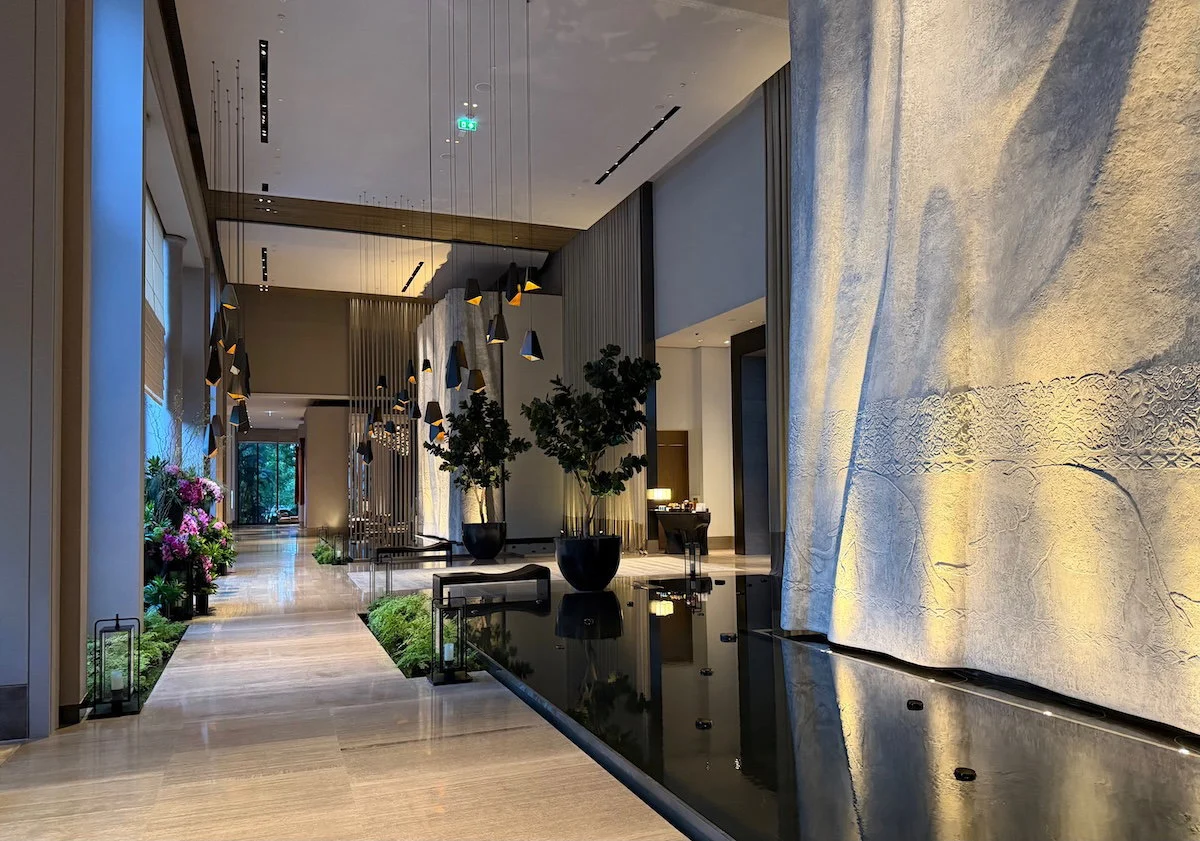
Located in Terminal D, the primary international gateway for DFW, the new Chase Sapphire Lounge spans approximately 11,800 square feet. The facility is designed to offer a respite from the high-traffic environment of one of the world’s busiest airports. The DFW location follows successful openings in Boston (BOS), Hong Kong (HKG), and New York (JFK and LGA), signaling Chase’s commitment to building a comprehensive network for its premium cardholders.
The lounge features a range of high-end amenities, including:
- A dedicated "Wellness Suite" offering treatments and relaxation spaces.
- Locally inspired culinary menus crafted in collaboration with renowned chefs.
- Dedicated workspaces and high-speed internet infrastructure.
- Private bathrooms and shower facilities.
Access to these lounges is primarily reserved for Chase Sapphire Reserve cardmembers, who receive a complimentary Priority Pass membership. However, unlike standard Priority Pass lounges, Chase has implemented specific access rules to maintain exclusivity and prevent overcrowding—a common complaint among frequent travelers in recent years. This strategic expansion into DFW is particularly significant because the airport is a primary hub for American Airlines. By placing a premium lounge in this location, Chase is directly targeting high-net-worth travelers who may already be loyal to American Airlines but are looking for a superior ground experience that the airline’s own Admirals Clubs may not provide.
The Rise of Niche Travel Tools: The Tiki Bar Passport Case Study
Beyond the corporate maneuvers of airlines and banks, the travel sector is seeing a rise in community-driven, niche digital tools. A prominent example is the "Tiki Bar Passport," a passion project aimed at mapping every tiki bar globally. While seemingly whimsical, such projects represent the "gamification" of travel and the growing desire for curated, thematic experiences.
Tiki culture, which saw a mid-century boom in the United States and has experienced a modern "craft cocktail" revival, often involves hidden or destination-specific locations. The Tiki Bar Passport allows enthusiasts to track their visits, discover new venues, and contribute to a global database. This mirrors broader trends in the travel industry where travelers are moving away from generic sightseeing in favor of "collection-based" travel—whether that involves visiting every Major League Baseball stadium, every national park, or, in this case, every notable tiki establishment.
These digital tools serve as a form of social currency and community building. They also provide valuable data on consumer behavior in the hospitality sector, showing how specific themes can drive international tourism and local spending.
Chronology of Recent Premium Travel Developments
To understand the current state of the industry, it is necessary to look at the timeline of events that have led to this current environment of high-value redemptions and luxury infrastructure:
- 2021-2022: Major credit card issuers accelerate lounge construction plans as travel demand rebounds following the global pandemic. Capital One opens its first lounge at DFW, setting a new standard for domestic lounges.
- Early 2023: Delta Air Lines faces backlash over changes to its SkyMiles program and Sky Club access rules, leading to a period of brand recalibration and the introduction of more frequent "Flash Sales."
- Mid-2023: Chase opens the Sapphire Lounge at Boston Logan International Airport, receiving critical acclaim for its design and food program.
- Late 2023: American Express expands several Centurion Lounge locations to combat overcrowding.
- Late 2024: The opening of the DFW Chase Sapphire Lounge and the discovery of the 25,000-mile Australia award sale highlight a peak in competition for traveler loyalty.
Data Analysis: The Value of Premium Redemptions
Data from recent travel quarters suggests that the "sweet spot" for mileage redemptions is shifting. While domestic "saver" awards are becoming rarer, international flash sales are providing unprecedented value.
| Destination | Standard Mile Cost | Flash Sale Cost | Percentage Savings |
|---|---|---|---|
| Australia | 90,000+ | 25,000 | 72% |
| Europe | 60,000+ | 32,000 | 46% |
| Japan | 80,000+ | 40,000 | 50% |
The data indicates that travelers who maintain flexibility in their destination and timing can extract significantly more value from their loyalty points than those who book based on fixed schedules. Furthermore, the proliferation of premium lounges adds a "shadow value" to travel. A traveler who utilizes a lounge like the new Chase Sapphire DFW facility may save $50 to $100 on airport dining and services, further enhancing the total economic value of their trip.
Official Responses and Market Implications
While Delta Air Lines rarely comments on the specifics of unadvertised sales to prevent a "run" on inventory, company spokespeople have frequently emphasized their commitment to "providing value through a simplified and dynamic SkyMiles program." Industry analysts view these sales as a necessary valve to release excess mileage liquidity in the market.
Regarding the lounge expansion, JPMorgan Chase has stated that their goal is to provide a "best-in-class" experience that rewards the loyalty of their Sapphire Reserve members. Market analysts from firms like McKinsey & Company note that the "battle for the wallet" is no longer just about interest rates or cash back; it is about the "lifestyle ecosystem" a card provides. The opening of the DFW lounge is a clear indicator that Chase intends to be a dominant player in the physical travel space, not just the financial one.
The broader implications for the travel industry are twofold. First, the barrier to entry for "luxury" travel is lowering for those who are savvy with points and miles. A 25,000-mile flight combined with premium lounge access allows a middle-class traveler to experience a journey that was once reserved for the wealthy. Second, the competition between banks and airlines is intensifying. As banks build their own lounges and travel booking portals, they are increasingly becoming the "face" of the travel experience, sometimes overshadowing the airlines themselves.
Conclusion
The convergence of Delta’s aggressive award pricing, Chase’s infrastructure expansion, and the rise of niche travel communities reflects a highly competitive and rapidly evolving travel market. As airlines use data-driven dynamic pricing to fill seats, and financial institutions invest heavily in the ground experience, the consumer stands to benefit—provided they have the tools and knowledge to navigate these complex systems. The "Tiki Bar Passport" and similar projects further illustrate that modern travel is as much about the "hunt" for unique experiences as it is about the destination itself. Moving forward, the industry is expected to see further integration of digital tracking tools and physical luxury amenities, as brands strive to capture the loyalty of an increasingly discerning global traveling public.



 Anjar Salim
 Chandra Hamzah
 Tatiana Tantri Indah Sari
 Lukman Taruna Persada Ramadan
