
 Budi Mulyono
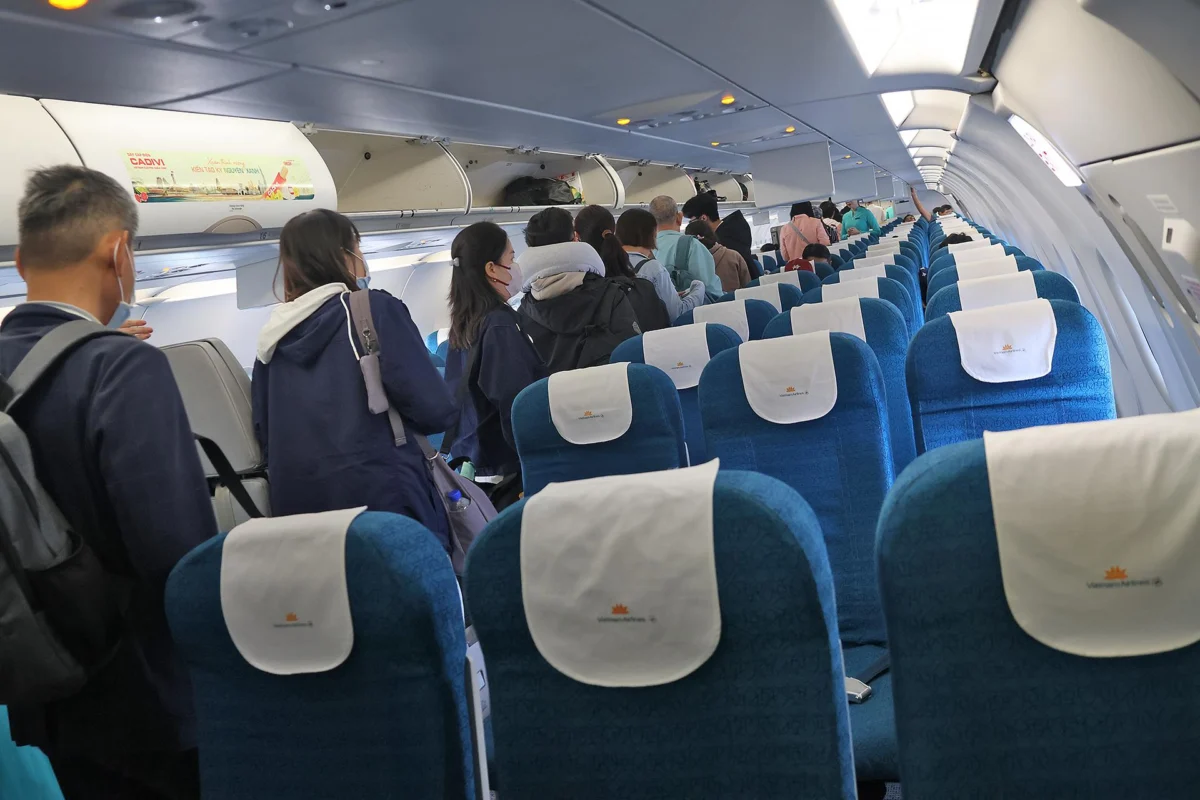
Modern commercial aviation is characterized by a relentless pursuit of efficiency, cost-reduction, and passenger comfort. Amidst the high-tech innovations of composite-material fuselages, fuel-efficient turbofan engines, and advanced inflight entertainment systems, airlines continue to rely on a remarkably low-tech textile innovation: the antimacassar. Positioned discreetly across the headrests of millions of aircraft seats globally, this small, often overlooked piece of cloth serves a vital operational purpose that bridges nineteenth-century domestic hygiene with twenty-first-century commercial aviation economics.
Historical Origins and Evolution of the Antimacassar
To understand the ubiquity of the antimacassar in modern transport, one must trace its origins to the Victorian era of the early nineteenth century. During this period, gentlemen frequently applied heavy pomades, unguents, and oils to their hair—most notably macassar oil, an expensive preparation imported from the island of Sulawesi in present-day Indonesia, prized for its ability to groom and style hair. However, when these men leaned back against upholstered parlor furniture, the persistent transfer of natural scalp oils and petroleum-based products permanently stained and degraded the expensive fabrics of sofas, couches, and armchairs.

To combat this domestic nuisance, resourceful homemakers devised a removable, easily washable protective cover specifically tailored for the high-wear areas of seating furniture. By the mid-nineteenth century, these functional cloths had formally acquired the designation "antimacassar"—literally meaning "against macassar oil."
What began strictly as an utilitarian measure soon evolved into a canvas for domestic artistry and fashion. Victorian women routinely crocheted, embroidered, and laced bespoke antimacassars, transforming utilitarian grease-guards into decorative status symbols. As interior design trends shifted and the popularity of macassar oil waned toward the close of the century, the protective cloths persisted, transitioning seamlessly from domestic drawing rooms to the burgeoning public transportation sectors of the late nineteenth and twentieth centuries, including railways, steamships, and eventually commercial aviation.
Economic and Practical Imperatives in Commercial Aviation
In the contemporary airline industry, the antimacassar performs a dual function: hygiene maintenance and asset preservation. Commercial aircraft cabins endure intensive daily utilization, with aircraft often completing multiple short-haul rotations or grueling long-haul intercontinental flights within a single 24-hour cycle. Hundreds of passengers utilize each seat, transferring skin oils, cosmetic products, perspiration, and particulate dirt onto the headrest areas.

Without a protective barrier, the upholstery of aircraft seats—whether manufactured from high-grade fabric, wool blends, or simulated leather—would rapidly accumulate persistent stains and structural degradation. Replacing cabin upholstery is an exceptionally labor-intensive, time-consuming, and capital-intensive endeavor. It typically requires aircraft to be removed from active service for heavy maintenance checks, resulting in substantial opportunity costs and lost revenue for carriers.
By deploying antimacassars, airlines establish a standardized hygiene protocol that can be executed rapidly during standard turn-around times at the gate. Ground cleaning crews can swap out soiled headrest covers in a matter of seconds, ensuring a pristine appearance for incoming passengers while drastically extending the operational lifespan of the underlying seat structures. From a financial perspective, the humble antimacassar represents an exceptionally high return on investment, mitigating long-term capital expenditures related to interior refurbishments.
Corporate Advertising and Inflight Revenue Generation
Beyond its foundational role in hygiene and asset protection, the antimacassar has increasingly been co-opted by commercial carriers as a lucrative real estate platform for corporate advertising and ancillary revenue generation. In an era where airlines continuously seek innovative ways to monetize passenger attention, the headrest cover offers prime, unescapable visual placement directly in the line of sight of travelers for the duration of a flight.

Major international carriers—particularly on long-haul routes spanning international and transoceanic corridors—frequently replace plain linen or branded fabric headrest covers with high-density paper or treated fabric panels featuring full-color corporate advertisements. For instance, travelers flying long-haul routes on wide-body aircraft such as the Airbus A330 or Boeing 777 frequently encounter headrest covers plastered with promotional messaging from global brands, financial institutions, tourism boards, or telecommunications companies.
This advertising medium can present unique logistical challenges for passengers. On extended intercontinental journeys—such as flights lasting fifteen hours or more between major global aviation hubs—headrest advertisements remain persistently within the field of view. Furthermore, modern cabin configurations sometimes position essential passenger amenities, such as electrical power outlets and USB charging ports, near or directly beneath the headrest assembly. Consequently, passengers searching for connectivity ports frequently find themselves negotiating around or lifting corporate-branded antimacassars to locate recessed infrastructure, occasionally guided only by faint indicator lights glowing from beneath the fabric.
Industry Perspectives and Passenger Perception
Despite their universal presence across global airline fleets, antimacassars occupy a peculiar psychological space among air travelers. Market research and passenger sentiment analyses indicate that the vast majority of flyers register little to no conscious awareness of these headrest covers during their journey. They function as background elements of the standard travel experience, rarely eliciting verbal commentary, praise, or critique from the traveling public.

Airlines and interior designers view the antimacassar as an indispensable element of cabin ergonomics and brand consistency. When designed with high-quality materials that complement the cabin’s overarching color palette and lighting scheme, antimacassars reinforce a sense of cleanliness, order, and premium care. Conversely, poorly maintained, frayed, or misaligned headrest covers can disproportionately degrade a passenger’s perception of overall airline hygiene and service quality.
Broader Implications for Aviation Design and Future Cabins
Looking ahead, the evolution of the antimacassar reflects broader trends in cabin design and materials science. As airlines increasingly adopt advanced, antimicrobial, and stain-resistant upholstery materials—such as nanotechnology-treated fabrics and advanced synthetic leathers designed to repel liquids and oils—some industry analysts question the long-term necessity of traditional headrest covers.
However, regulatory standards regarding cabin cleanliness, combined with the extreme cost-efficiency of laundering or recycling disposable headrest covers compared to treating fixed upholstery, suggest that the antimacassar will remain a fixture of commercial aviation for the foreseeable future. Whether utilized strictly for its historical purpose of hygiene preservation, transformed into an interactive advertising billboard, or integrated into the aesthetic branding of modern cabins, this nineteenth-century textile innovation endures as an essential component of global air travel.



 Gabriela Annisa

 Lukman Taruna Persada Ramadan

 Tatiana Tantri Indah Sari

 Anjar Salim


 Dwi Wanna
