
 Budi Mulyono
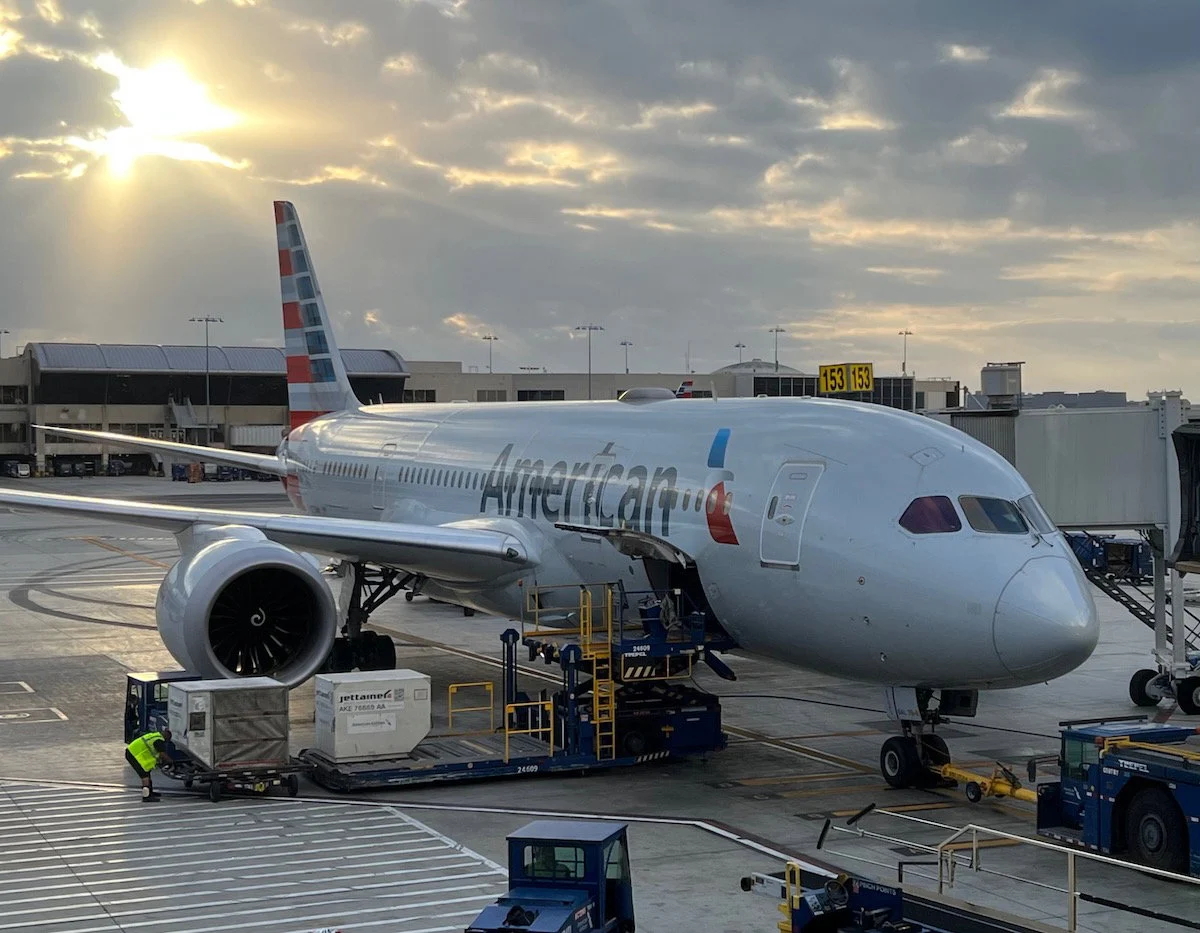
The modern United States commercial aviation landscape is defined by intense competition, financial volatility, and the omnipresent reliance on lucrative frequent flyer programs. While airline mergers frequently invite consumer skepticism and intense regulatory scrutiny, industry analysts and financial strategists continuously evaluate potential consolidations that could reshape domestic and international travel. Among the "Big Six" legacy and major network carriers in the United States, a potential union between American Airlines and Alaska Airlines emerges as a structurally logical, albeit controversial, proposition. This analysis examines the strategic, economic, and operational implications of such a prospective merger, weighing the advantages of network harmonization against significant regulatory hurdles and consumer apprehension.
Strategic and Network Complementarity
At the core of the case for a combined American and Alaska carrier lies the principle of network complementarity. American Airlines, despite its expansive global reach and dominant hubs in Dallas/Fort Worth (DFW), Charlotte (CLT), Miami (MIA), Chicago (ORD), and Philadelphia (PHL), has historically struggled to maintain a commanding, profitable presence on the West Coast. Its current positioning in Los Angeles (LAX) often leaves it trailing competitors, and the airline lacks a robust, strategically positioned transpacific hub to efficiently capture lucrative Asian markets.
Conversely, Alaska Airlines commands an enviable, deeply entrenched network across the Pacific Northwest, anchored by its primary hub at Seattle-Tacoma International Airport (SEA), alongside strong operations in Portland (PDX), Anchorage (ANC), San Francisco (SFO), and San Diego (SAN). Seattle represents a premier geographic gateway to Asia, a capability that would significantly enhance American’s international portfolio.
Furthermore, both carriers already maintain a deep operational and commercial relationship. As long-standing members of the oneworld global alliance, American and Alaska share codeshare agreements, frequent flyer reciprocity, and mutual lounge access. Their partnership has expanded to include joint commercial initiatives, with Alaska pursuing integration into American’s lucrative trans-Atlantic and trans-Pacific joint ventures. This pre-existing integration minimizes the systemic friction typically associated with merging two distinct airline networks.
The Corporate Governance Dilemma: Management Culture
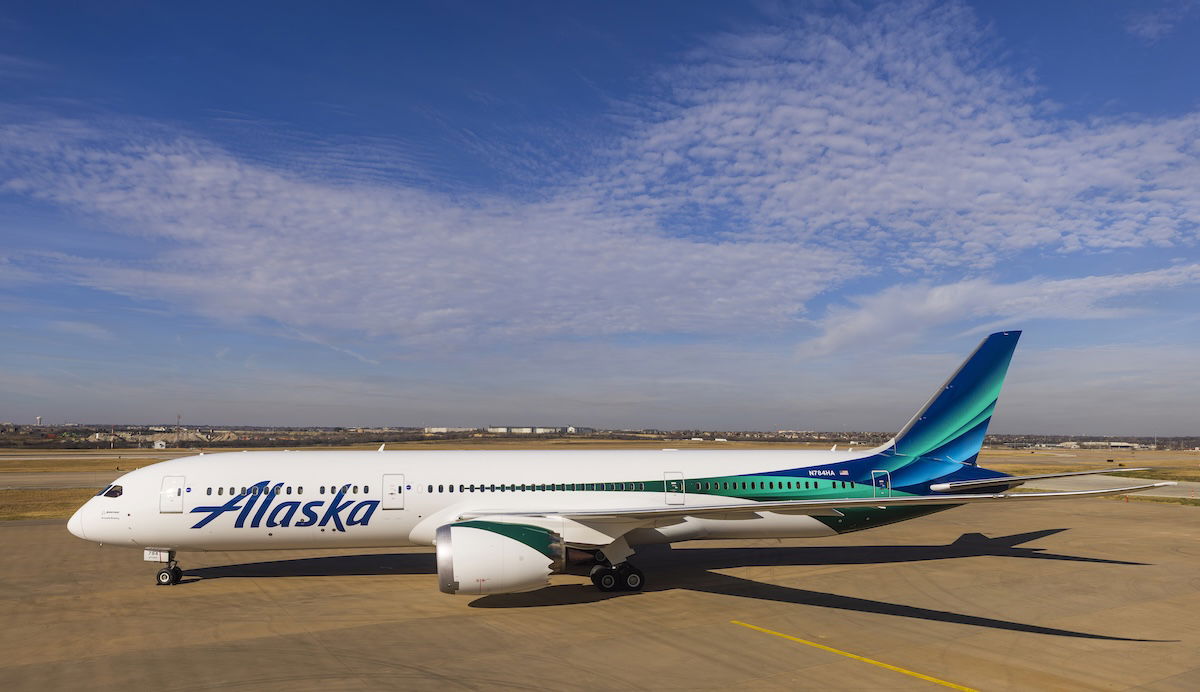
A critical variable in evaluating any potential merger between these two entities is corporate leadership. Alaska Airlines has long enjoyed a reputation for superior operational reliability, strong labor relations, and a customer-centric corporate culture. In contrast, American Airlines has frequently faced criticism from both frequent flyers and financial analysts regarding its strategic direction, financial performance, and customer experience under its current legacy executive team led by CEO Robert Isom.
Industry observers note that any successful integration could not rely on American’s current top-down management structure. Instead, market analysts suggest that a viable corporate turnaround would require Alaska’s executive leadership—or experienced former Alaska executives now embedded within American’s ranks, such as Chief Commercial Officer Nat Pieper—to steer the combined enterprise. Allowing Alaska’s customer-focused operational philosophy to scale globally, rather than having American simply absorb and dilute Alaska’s brand equity, would be paramount to maintaining employee morale and passenger satisfaction.
Financial Underpinnings and Loyalty Program Economics
To understand the economic rationale driving major airline consolidations, one must look beyond passenger ticket sales. Modern U.S. airlines operate fundamentally as financial hybrids, deriving substantial portions of their enterprise value and profitability from co-branded credit card partnerships and frequent flyer loyalty ecosystems. Major carriers generate billions of dollars annually by selling miles to banks and financial institutions, effectively subsidizing the capital-intensive and often low-margin business of transporting physical passengers.
From a financial perspective, a merger that unites two robust loyalty bases while streamlining overlapping infrastructure can yield substantial operating efficiencies. By consolidating back-office operations, fleet maintenance, and corporate overhead while preserving key regional monopolies, the resulting carrier could better insulate itself against macroeconomic shocks, such as fluctuating jet fuel prices and economic recessions.
Consumer Implications and Passenger Experience
Historically, airline mergers have triggered widespread consumer backlash, driven by fears of reduced competition, higher airfares, and degraded service quality. Prominent industry consolidations—such as the Delta-Northwest, United-Continental, and American-US Airways mergers—frequently resulted in complex IT migrations, labor disputes, and temporary service disruptions.
However, proponents of an American-Alaska consolidation argue that consumer upside could exist if executed correctly. A combined network would offer passengers a seamless, truly coast-to-coast domestic network paired with an expanded oneworld international footprint. Travelers would benefit from broader redemption options, unified elite status recognition, and enhanced schedule frequency across major domestic business and leisure routes. Nevertheless, critics maintain that any reduction in independent low-fare competition on West Coast routes could lead to localized fare increases, necessitating strict regulatory oversight.
Regulatory Landscape and Antitrust Scrutiny
The most formidable obstacle facing any prospective airline merger is obtaining approval from federal antitrust regulators, specifically the Department of Justice (DOJ) and the Department of Transportation (DOT). The regulatory environment governing commercial aviation has grown increasingly hostile toward large-scale consolidation, as evidenced by the successful federal block of the proposed JetBlue-Spirit merger and ongoing scrutiny of airline alliance partnerships.
Regulatory approval would depend heavily on the political climate in Washington, D.C., and the specific legal arguments presented by the merging parties. To secure approval, the airlines would likely be forced to offer significant structural concessions, such as divesting gates and slots at congested hub airports like Seattle or Los Angeles to low-cost carriers, or agreeing to strict caps on corporate remuneration and fare increases. These mandated concessions frequently erode the projected financial synergies of a merger, making the approval process a high-stakes gamble for corporate boards.
Broader Industry Implications and Outlook
While neither American Airlines nor Alaska Airlines has formally announced merger intentions, ongoing discussions regarding airline consolidation remain a staple of Wall Street and aviation industry discourse. As major carriers search for sustainable pathways to long-term profitability and global competitiveness, strategic partnerships often serve as the precursor to deeper corporate integration.
Whether an American-Alaska merger transitions from theoretical industry analysis to corporate reality will depend on macroeconomic pressures, shifts in federal regulatory policy, and the strategic vision of airline executives navigating an increasingly competitive global marketplace. For now, the concept remains the most analytically sound consolidation scenario among the primary U.S. legacy and major carriers, serving as a benchmark for how network airlines might restructure to meet the demands of the future.




 Diana Nuri Rohmawati

 Gabriela Annisa

 Lukman Taruna Persada Ramadan

 Tatiana Tantri Indah Sari

 Anjar Salim

