Anjar Salim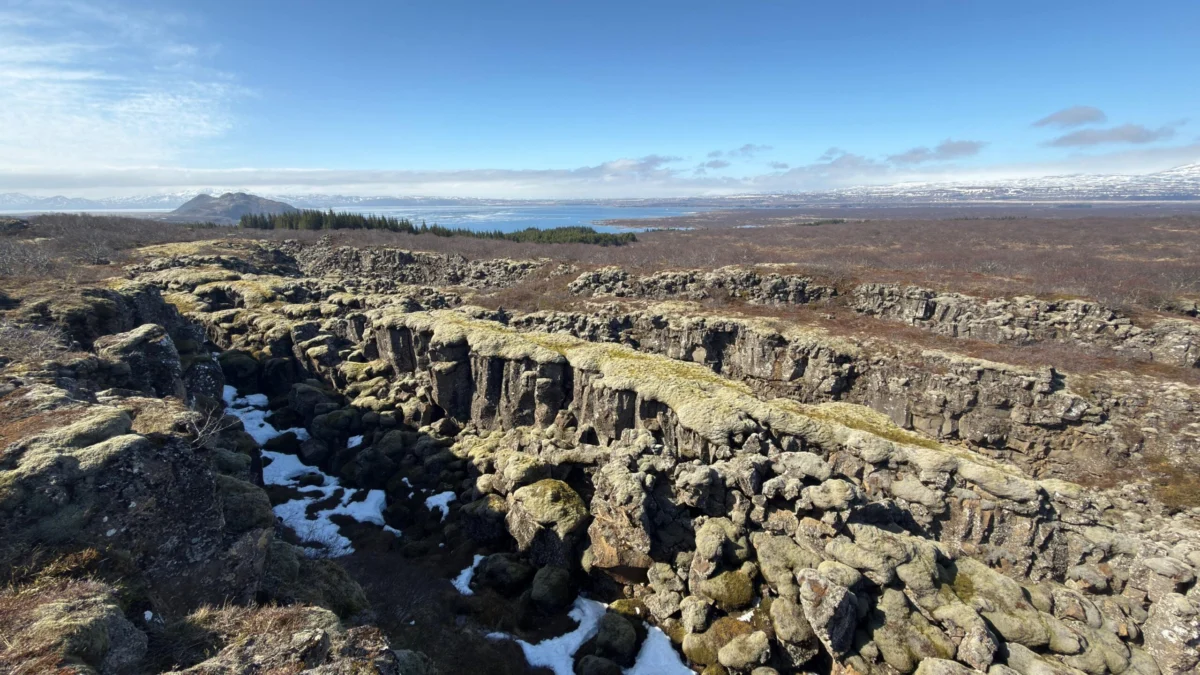
The Evolution of Arctic Expeditionary Travel
The launch of the winter expedition marks a significant milestone in Explora’s expansion beyond its traditional South American stronghold. Founded in 1993, the company has spent over three decades establishing a footprint in remote territories such as the Atacama Desert, Torres del Paine, and the Sacred Valley of the Incas. Its entry into the Icelandic market began in 2025 with a series of summer expeditions focused on the Southern Highlands. The upcoming winter iteration represents a specialized adaptation of this model, tailored to the unique logistical and environmental demands of the Icelandic winter.
Icelandic tourism has undergone a radical transformation over the past two decades. Data from the Icelandic Tourist Board indicates that international visitor numbers surged from approximately 450,000 in 2010 to over 2.3 million by 2018. While the summer months remain the most popular, there has been a 15% increase in winter arrivals over the last five years, driven largely by interest in the Aurora Borealis and the country’s unique geothermal features. Explora’s new program seeks to capitalize on this demand while maintaining a philosophy of "progressive exploration," which prioritizes deep immersion over high-volume sightseeing.
Progressive Exploration: A Strategic Itinerary
Central to the new expedition is the concept of "progressive exploration," a term coined by Sebastián Correa, Explora’s Vice President of Explorations and Expeditions. This methodology acknowledges the volatility of Icelandic weather and the physical diversity of travelers. Rather than adhering to a rigid, pre-determined schedule, the guides facilitate a collaborative decision-making process each morning, selecting routes and activities based on real-time meteorological data and the group’s collective energy levels.
The itinerary begins in Reykjavik and moves eastward through the southern regions of the island. Key geographic and geological highlights include:
- Þingvellir National Park: A UNESCO World Heritage site where the North American and Eurasian tectonic plates are visibly drifting apart. The winter expedition offers a unique perspective on the park’s rift valleys, often covered in a pristine layer of snow that highlights the dramatic fissures in the earth’s crust.
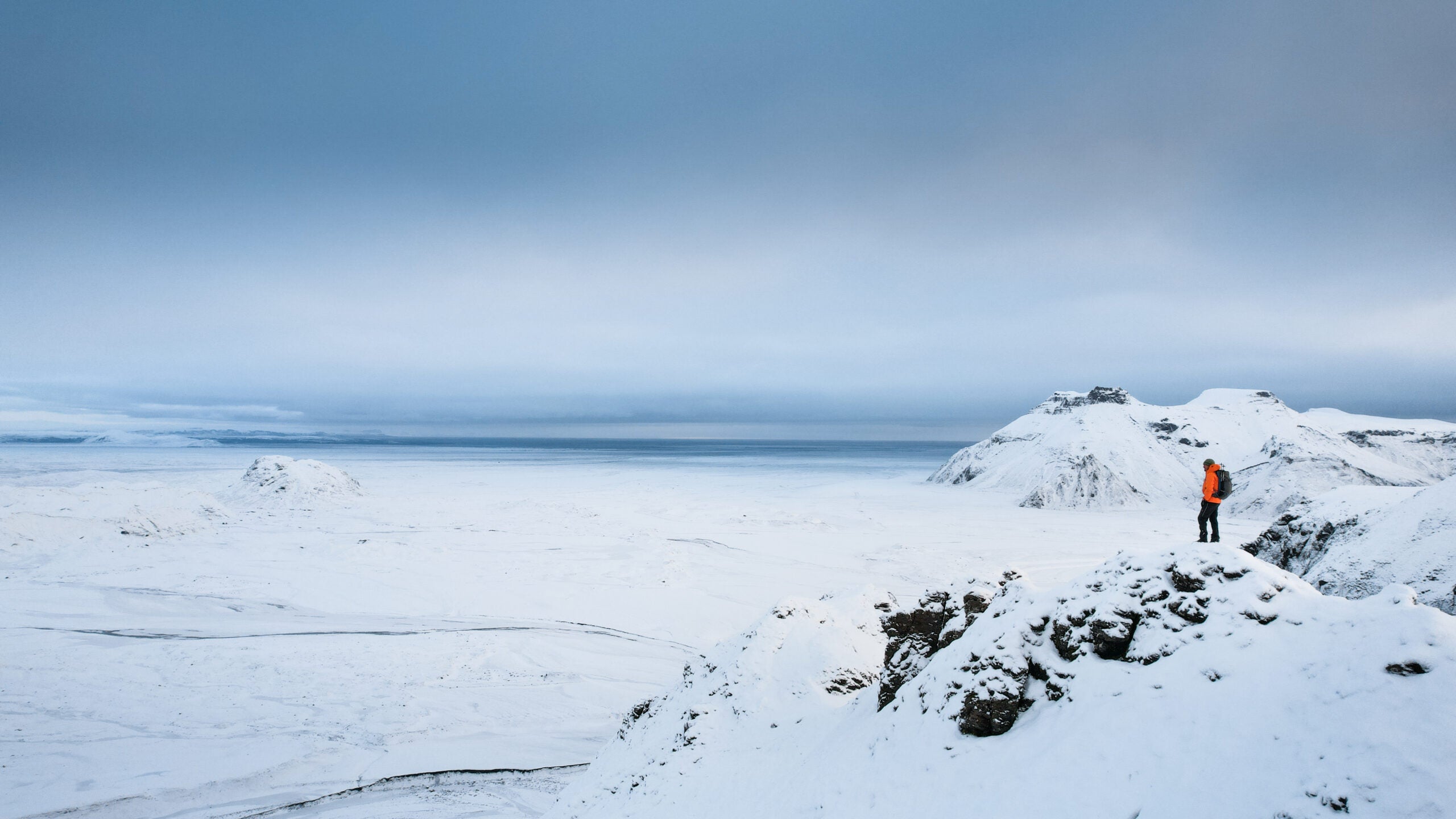
- Þórsmörk Valley: This glacial valley, nestled between the Tindfjallajökull and Eyjafjallajökull glaciers, is notoriously difficult to access in winter. Explora utilizes specialized vehicles and snowshoeing excursions to reach frozen summits, providing views of a landscape shaped by catastrophic sub-glacial eruptions.
- Vatnajökull Glacier: Covering approximately 7,900 square kilometers, Vatnajökull is the largest ice cap in Europe by volume. The expedition offers three tiers of engagement here: a technical trek across the glacier surface, a guided hike along a lateral moraine, or a visit to the Jökulsárlón glacial lagoon, where icebergs from the retreating glacier drift toward the Atlantic Ocean.
- Reynisfjara and the South Coast: The journey includes explorations of the black-sand beaches near Vík, where the basalt column formations and powerful North Atlantic swells create a monochromatic winter aesthetic.
Logistical Framework and Sustainability
As a certified B Corporation, Explora’s operational model in Iceland is built upon the pillars of scientific conservation and cultural respect. The winter expedition utilizes a network of boutique hotels and remote country lodges that are selected for their architectural integration into the landscape and their commitment to sustainable resource management.
The provision of local cuisine is a core component of the experience. By sourcing ingredients from Icelandic fisheries and greenhouse-based agriculture—which utilizes the country’s abundant geothermal energy—the expedition minimizes its carbon footprint while supporting the local rural economy. This approach aligns with Iceland’s national goal of achieving carbon neutrality by 2040, a target that requires the tourism sector to adopt more efficient transportation and supply chain practices.
The expedition concludes at the Sky Lagoon, a geothermal spa that utilizes traditional Icelandic turf-house construction techniques. This final stop serves as a reflective period for travelers, situated on the edge of the Atlantic, bridging the gap between the wild interior and the urban center of Reykjavik.
Scientific and Environmental Context
The "Fire and Ice" dichotomy mentioned in the expedition’s mission is not merely a marketing term but a geological reality. Iceland sits atop the Mid-Atlantic Ridge and a mantle plume, or hotspot. This results in intense volcanic activity; the island is home to approximately 30 active volcanic systems. In winter, the interaction between this subterranean heat and the surface ice creates unique phenomena, such as "jökulhlaups" (glacial outburst floods) and complex ice cave systems.
The winter of 2026–2027 is also expected to coincide with a period of high solar activity within Solar Cycle 25. This increases the frequency and intensity of the Aurora Borealis, a primary draw for winter travelers. Explora’s guides are trained to interpret these natural phenomena, providing guests with a scientific understanding of the solar winds and geomagnetic fields that produce the light displays.
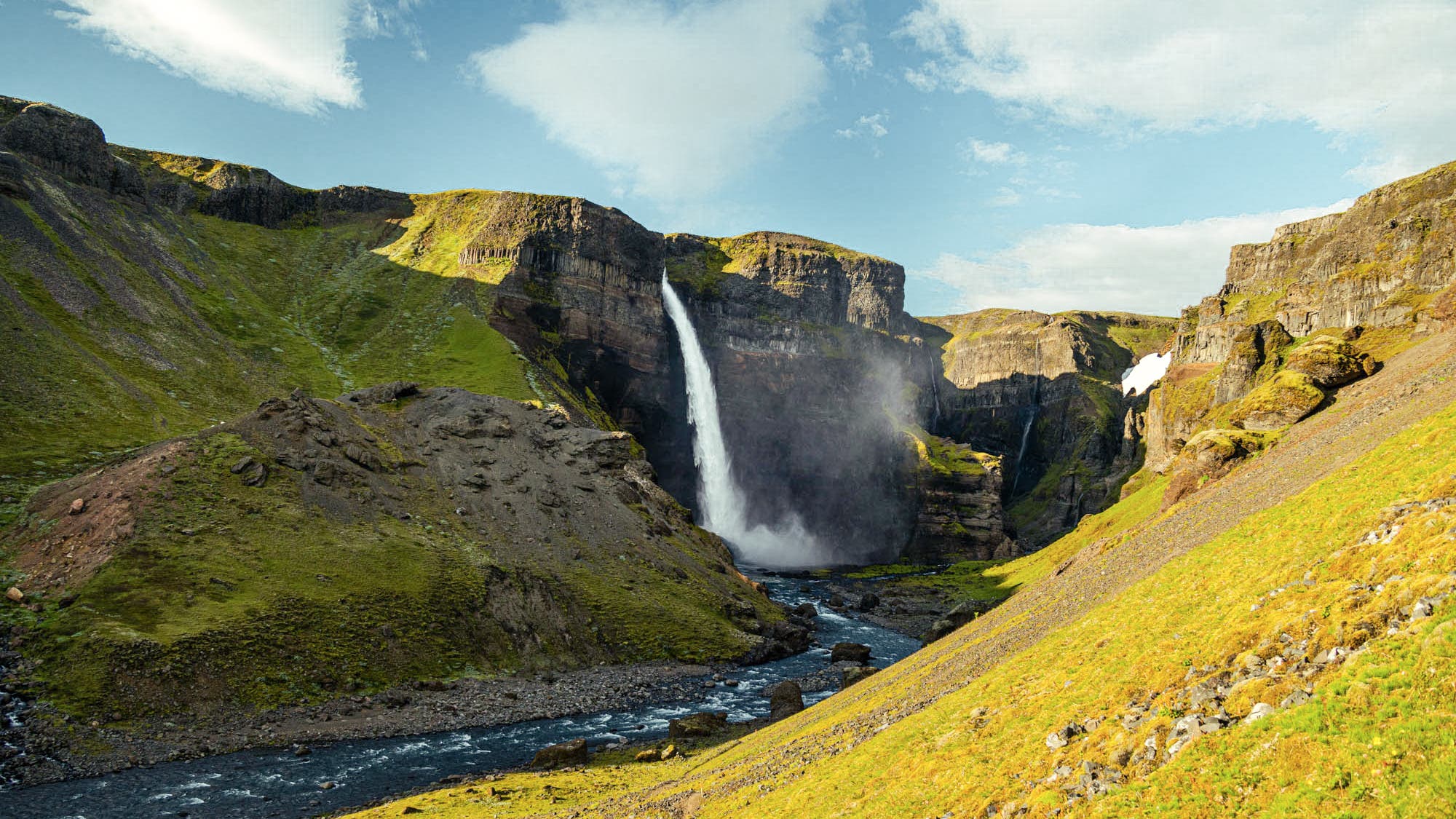
However, the expedition also operates against a backdrop of environmental change. Icelandic glaciers have lost about 18% of their volume since the end of the 19th century, with the rate of melting accelerating in the 21st century. By bringing travelers to these sensitive areas, Explora aims to foster a sense of "conservation through experience," where the firsthand observation of retreating ice tongues serves as a powerful catalyst for environmental advocacy.
Market Implications and Industry Response
The introduction of high-end, curated winter expeditions reflects a shift in the luxury travel market. Modern affluent travelers are increasingly moving away from traditional "pampering" luxury in favor of "transformative" luxury—experiences that offer physical challenge, remote solitude, and educational depth.
Travel industry analysts suggest that Explora’s entry into the Icelandic winter market will likely prompt competitors to enhance their own off-season offerings. "The luxury adventure sector is seeing a move toward ‘slow travel’ even in harsh environments," notes one industry observer. "Explora’s emphasis on flexibility and guide expertise addresses the primary barrier to winter travel in the Arctic: the unpredictability of the elements."
Furthermore, the focus on small-group expeditions (typically limited to 10–12 guests) allows for a lower physical impact on the terrain. In sensitive areas like Þórsmörk, where summer foot traffic can lead to soil erosion and damage to delicate mosses, winter travel—when the ground is frozen and protected by snow—can actually be less ecologically intrusive if managed correctly.
Broader Impact and Future Outlook
The expansion of Explora into Iceland represents a broader diversification strategy for the company as it seeks to apply its "lodge-based expedition" model to diverse biomes. The success of the 2026–2027 winter season will likely determine the feasibility of further year-round operations in other North Atlantic or Arctic territories.
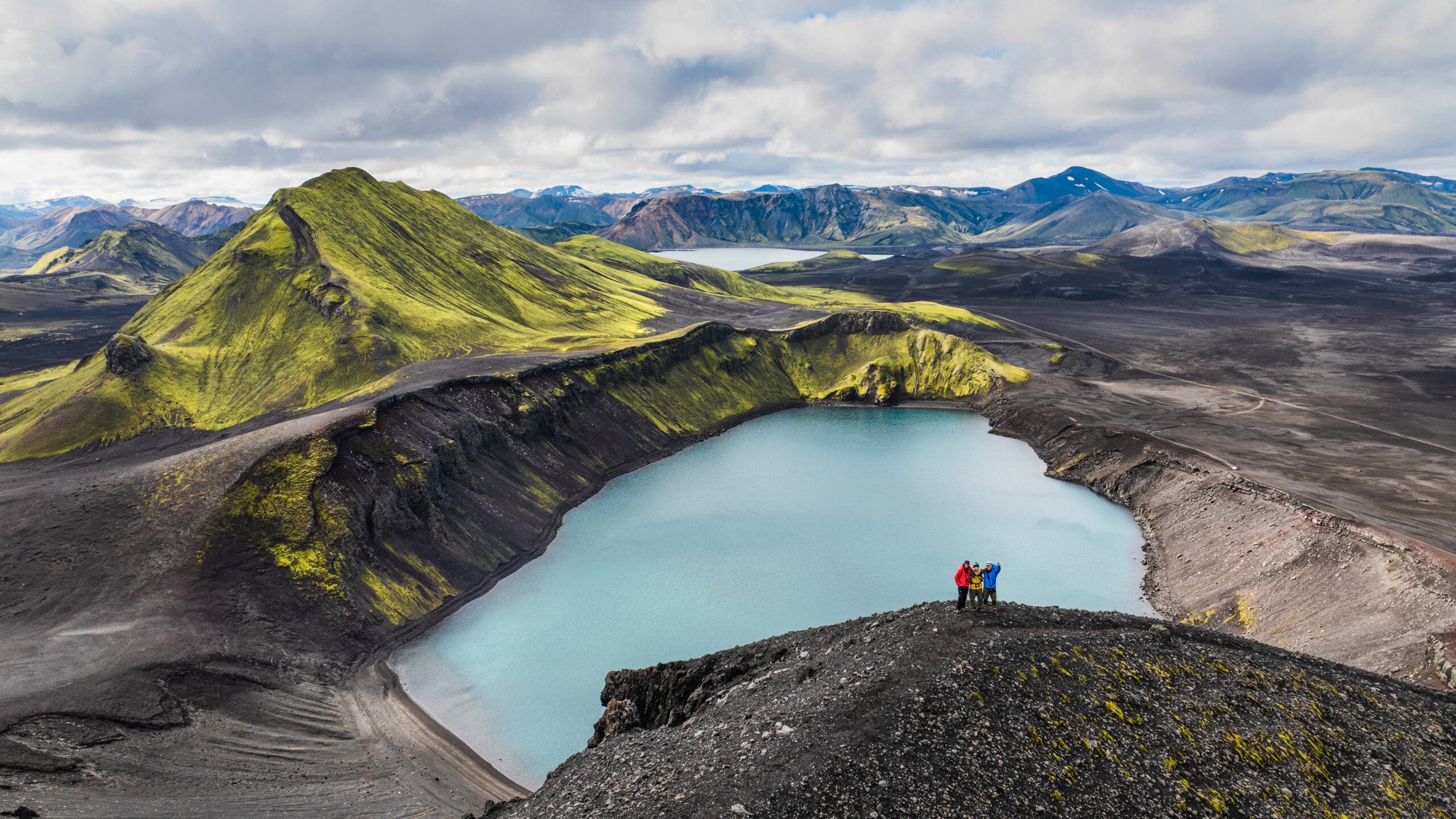
For Iceland, the presence of B Corp-certified operators like Explora supports the government’s "Tourism Strategy 2030," which emphasizes value over volume. By attracting visitors who are willing to stay longer and invest more in specialized, guided experiences, the country can maintain its tourism revenue while reducing the total number of visitors required to sustain the economy.
As the global travel industry continues to grapple with the challenges of climate change and overtourism, the Explora winter expedition serves as a case study in how luxury travel can be repositioned as a tool for conservation and cultural exchange. By highlighting the beauty and solitude of the Arctic winter, the program encourages a deeper, more resilient connection between the traveler and the natural world, ensuring that the "Land of Fire and Ice" remains preserved for future generations of explorers.

 Chandra Hamzah
 Gabriela Annisa
 Tatiana Tantri Indah Sari
 Budi Mulyono