
 Walid Sujud Trenggono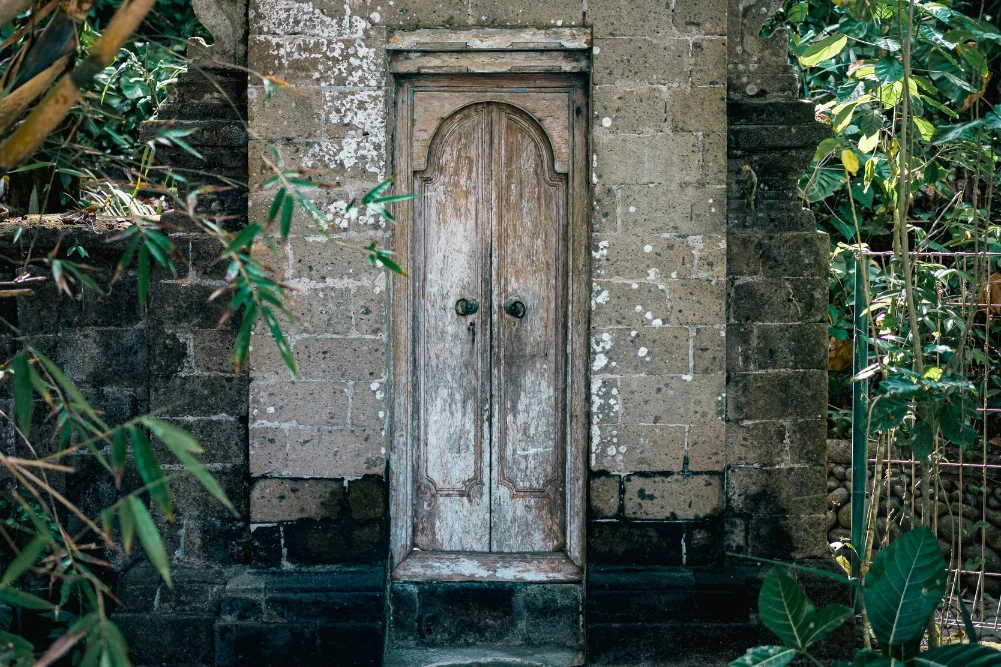
The Indonesian island of Bali, long celebrated as a global epicenter for tourism, is currently undergoing a geographical shift in traveler interest. As the southern hubs of Kuta, Seminyak, and Canggu grapple with high-density development and infrastructure strain, an increasing number of international visitors are turning their attention toward the island’s rugged west coast. This region, characterized by its volcanic black-sand beaches, expansive rice terraces, and traditional agrarian lifestyle, offers a stark contrast to the commercialized "hustle" of Denpasar. Stretching from the Tabanan Regency toward the Jembrana Regency, the west coast represents one of the last frontiers of "authentic" Bali, where the rhythms of the Indian Ocean dictate the pace of life.
The Geographical and Cultural Landscape of West Bali
The transition from the urban sprawl of South Bali to the western wilderness begins approximately two hours north of Ngurah Rai International Airport. The landscape undergoes a dramatic transformation as the limestone cliffs of the Bukit Peninsula give way to the fertile, alluvial plains of the west. Here, the soil is enriched by volcanic ash from Mount Batukaru, the second-highest peak in Bali, which dominates the horizon. This fertility supports a vast network of rice paddies managed by the Subak—a traditional Balinese irrigation system that has been recognized as a UNESCO World Heritage site for its cultural and ecological significance.
In villages such as Lalanglinggah, the traditional Balinese compound remains the primary architectural and social unit. These rectangular, walled structures house multi-generational families and center around a family temple (Sanggah or Pemerajan). Unlike the tourist-centric south, where residential compounds are often converted into commercial storefronts, the western villages maintain a demographic balance where local residents significantly outnumber transient visitors. This demographic stability fosters a community environment characterized by hospitality rather than the aggressive solicitation often encountered in higher-density tourist zones.
Balian Beach: An Emerging Hub for Wellness and Surf
Balian Beach serves as the primary gateway to the west coast. Known for its "untamed" aura, the area is defined by sea-ravaged volcanic crags and a pebble-strewn shoreline. The coastal morphology here is shaped by the confluence of a sacred river and the Indian Ocean, a combination that creates consistent surf conditions throughout the year.
The Mechanics of the Balian Surf
The surf at Balian is renowned for its consistency, largely due to the underwater topography of the river mouth. The area features three primary breaks that cater to varying skill levels:
- The Peak: A versatile break that offers a slow-breaking left and a fast-barreling right.
- Ketuts: Located across the river, this break provides an intense, high-performance right-hand ride preferred by experienced surfers.
- The Far West: Offers a more forgiving, "cruisy" ride suitable for intermediate and novice surfers.
The climate play an essential role in the quality of the waves. From April to October, cool mountain air flows offshore over Balian during the early morning hours, carving out clean, "glassy" faces. By noon, the southeasterly trade winds typically kick in, often ending the session for those seeking pristine conditions.
The Growth of Wellness Tourism
Parallel to the surf culture, Balian has seen a rise in wellness-oriented travel. Facilities such as the Balian Spirit Yoga shala highlight a growing trend: the integration of traditional Balinese spirituality with international wellness practices. This sector of the market attracts a demographic interested in "slow travel"—longer stays focused on physical health, meditation, and cultural immersion. The economic impact of this shift is notable, as wellness travelers tend to spend more on local organic produce and specialized services, providing a sustainable revenue stream for the village.
Navigating the Challenges of the Wild West: Yeh Sumbul and Medewi
Further west, the infrastructure becomes more sparse, and the environment grows increasingly wild. Yeh Sumbul and Medewi represent the deeper reaches of the west coast journey. Medewi is home to Bali’s longest left-hand point break, a legendary 300-meter ride that draws professional surfers from across the globe.
However, the region’s "au-natural" appeal comes with logistical challenges. The 20-kilometer stretch of coastline in Yeh Sumbul is largely undeveloped, leading to a shortage of mid-range and luxury accommodations. Travelers often find themselves choosing between modest surf camps and a handful of isolated resorts.
Safety and Environmental Factors
The wildness of the west coast also introduces specific environmental risks. The river mouths, particularly after heavy rainfall, are known gathering points for bull sharks. While incidents are rare, the presence of these apex predators, combined with powerful rip currents and a lack of professional lifeguard services in remote areas, necessitates a high degree of caution and local knowledge. Furthermore, the "seething" blue sea and grey sands of Yeh Sumbul are subject to significant tidal shifts, which can render certain beaches inaccessible or dangerous within a matter of hours.
Comparative Analysis: The West vs. The South
To understand the appeal of Bali’s west coast, one must analyze the current state of Bali’s southern tourist corridor. Legian, Kuta, and Seminyak offer a "Goldilocks" level of convenience: consistent waves, a high density of international dining options, and standardized medical and hospitality services. For many families and short-term visitors, the presence of air-conditioning, pest-free environments, and reliable transportation outweighs the desire for "authentic" isolation.
Data from the Bali Provincial Tourism Office indicates that while the Badung Regency (covering Kuta and Seminyak) still accounts for the majority of tourist arrivals, the Tabanan Regency has seen a steady increase in "quality tourism"—a metric used by the Indonesian Ministry of Tourism and Creative Economy to describe visitors who stay longer and have a lower environmental impact. The west coast’s lack of nightlife and its distance from the airport act as natural filters, preserving its "old-school" atmosphere.
Chronology of a West Coast Expedition
A typical exploration of the west coast follows a distinct chronological pattern:
- Arrival and Transit: Travelers depart from Denpasar, navigating the heavily trafficked coastal road that serves as the main artery for freight trucks heading to the Gilimanuk ferry port.
- The Balian Sojourn: Most visitors spend 3–5 days in Balian, utilizing it as a base for yoga, beginner-to-intermediate surfing, and exploring the rice paddies.
- The Northern Push: Advanced surfers and solitude-seekers continue another hour north to Yeh Sumbul and Medewi, often timing their visit with the low tide to cross river mouths.
- Cultural Stops: Along the route, significant religious sites such as the Luhur Srijong Temple and the iconic Tanah Lot (accessible only at low tide) provide historical context to the journey.
- The Return or Integration: Many travelers conclude their trip by returning to the south for a "re-entry" into modern amenities, highlighting the symbiotic relationship between Bali’s wild frontiers and its developed hubs.
Broader Implications for Bali’s Future
The "discovery" of the west coast by a wider audience poses a significant question for regional planners: How can Bali preserve the authenticity of its western shores while accommodating the economic necessity of tourism?
The current lack of "street-side badgering" and the presence of genuine village life are the very assets that make Balian and Yeh Sumbul attractive. However, these are often the first elements to disappear when large-scale development occurs. The Indonesian government’s focus on "Village Tourism" (Desa Wisata) aims to empower local communities to manage their own tourism assets, ensuring that the economic benefits of the "westward shift" remain within the villages of Lalanglinggah and beyond.
In conclusion, Bali’s west coast offers a vital alternative to the saturated markets of the south. It is a region where the "authentic" Bali still exists—not as a curated performance for tourists, but as a functioning reality of rice farming, temple ceremonies, and a deep respect for the power of the ocean. For the traveler willing to trade the convenience of a hot shower for the majesty of a 300-meter point break and a toothy smile from a rice planter, the west coast remains the island’s most rewarding destination.
Essential Travel Logistics
Seasonal Timing: The optimal period for visiting West Bali is the dry season, from April to October. This window provides the clearest skies and the most favorable wind conditions for surfing. The peak season (June and July) sees a slight increase in visitor numbers but remains significantly quieter than the south.
Accommodation and Dining:
- Balian: Options range from villas set in rice paddies (e.g., Pondok Hari Baik) to beachside surf hotels (e.g., Pondok Pitaya).
- Yeh Sumbul: Accommodations are more basic, with surf camps like West Break Bali Medewi providing essential amenities.
- Cuisine: Local warungs (small, family-run eateries) remain the best source for authentic Indonesian food, including Gado Gado and tempeh-based dishes.
Transportation: While Grab and taxis are available for the initial journey from Denpasar, a rental scooter is the most efficient way to navigate the local villages and access remote beach breaks. Travelers should be experienced riders, as the coastal roads are shared with heavy commercial traffic.




 Anjar Salim
 Chandra Hamzah
 Tatiana Tantri Indah Sari
 Budi Mulyono
 Lukman Taruna Persada Ramadan
