
 Anjar Salim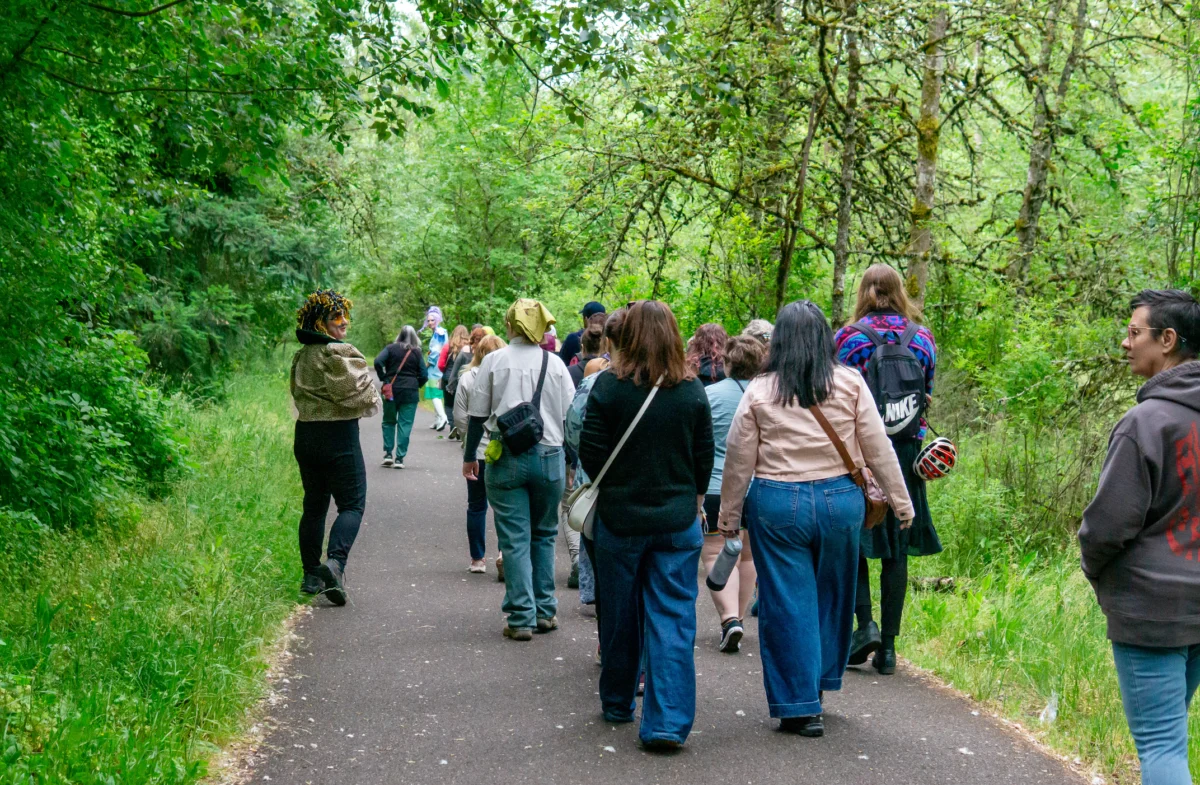
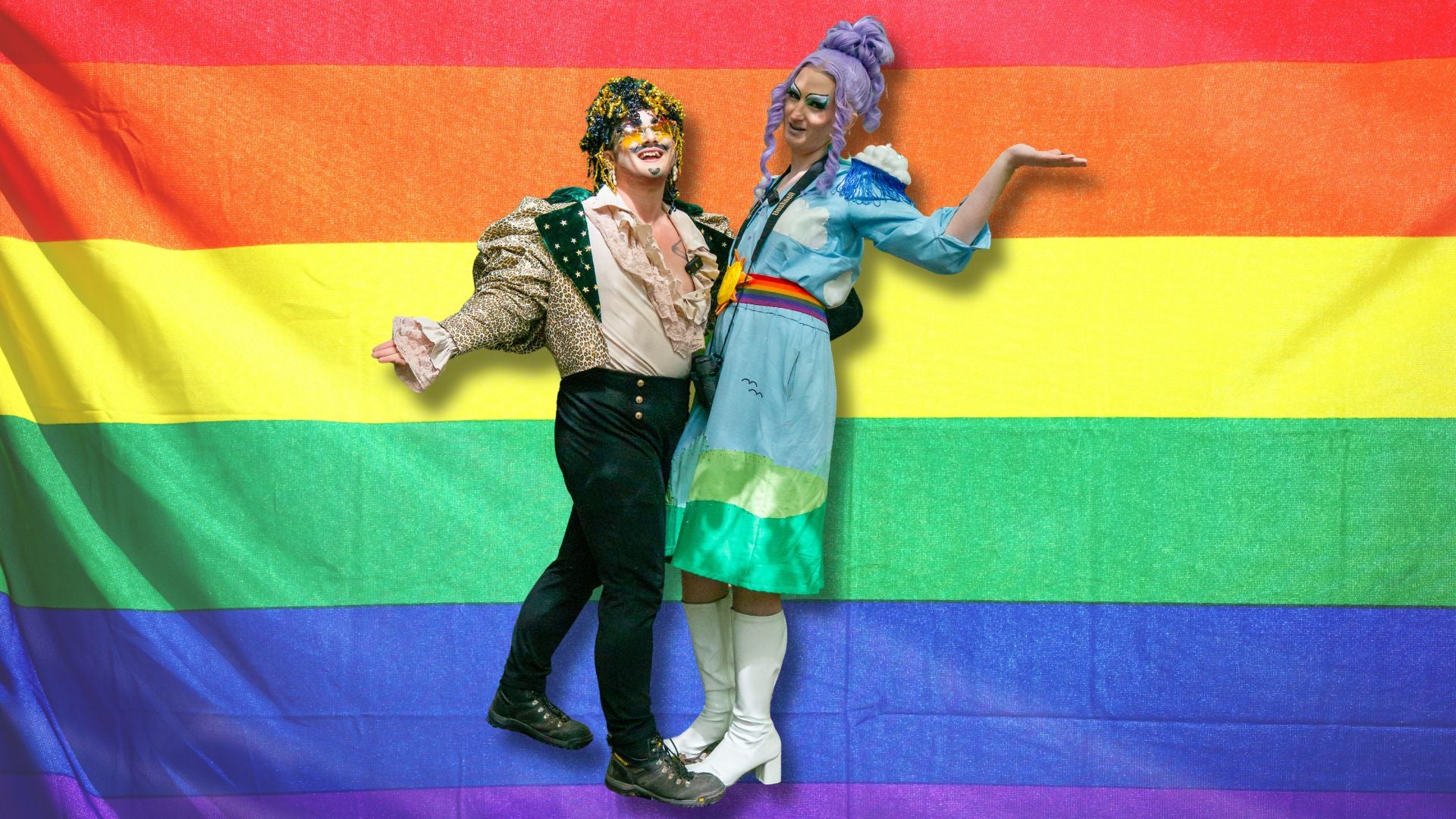
In the dense, verdant corridors of Portland’s urban trail systems, a new movement is challenging traditional perceptions of both environmental education and queer visibility. Drag Me Outside, a community-focused hiking club founded in early 2026, has emerged as a significant cultural phenomenon by blending the high-glamour art of drag with the rigorous study of biology. Led by Fiona Skye, a master’s-level biologist who performs under the name Efemmera Gendera, and Everett Hosp, a former park ranger known on stage as Thespis D. Light, the organization seeks to dismantle the barriers that have historically separated marginalized communities from the natural world. By utilizing "camp" as a pedagogical tool, the duo is fostering a new generation of "non-traditional" naturalists while advocating for the safety and inclusion of transgender individuals in public spaces.
The Intersection of Biology and Performance Art
The foundational philosophy of Drag Me Outside is rooted in the belief that nature is inherently diverse and that human expressions of gender and identity are reflected in the ecological world. Fiona Skye, 29, brings a deep academic background to the project. Having earned her Master’s degree from the University of Kentucky in 2025, Skye’s scientific focus was centered on the bushtit (Psaltriparus minimus), a small, social passerine bird common in Western North America. Despite its plain, grayish-tan plumage and unassuming stature, the bushtit serves as a primary mascot for Skye’s educational mission.
Skye’s academic work emphasizes the complexity of social structures in "plain" species, a metaphor she frequently applies to her drag persona. During her public appearances, she often utilizes humor to bridge the gap between her scientific credentials and her performance art, famously joking that her expertise in "bushtits" provides her with the perfect credentials for both the lab and the stage. This approach—humor combined with high-level expertise—is designed to make complex ecological concepts accessible to those who might feel intimidated by traditional scientific discourse.
Co-founder Everett Hosp, 27, complements Skye’s academic background with extensive field experience. Before moving to Portland and adopting the persona of Thespis D. Light, Hosp spent five years as a park ranger, where his work focused on interpretive education and community outreach. His resume also includes a tenure as a wildlife rehabilitator in Florida and a childhood spent hunting in the woods of Connecticut. This diverse background allows Hosp to speak to a wide array of outdoor enthusiasts, from rural sportsmen to urban activists, emphasizing that a connection to the land is a universal human right.
Chronology of a Growing Movement
The inception of Drag Me Outside can be traced to the meeting of Skye and Hosp in the Portland drag circuit in late 2025. Both performers recognized a shared passion for environmentalism and a mutual admiration for Pattie Gonia, a world-renowned drag queen and environmental advocate who pioneered the "queer outdoor" movement. Inspired by this precedent, Skye and Hosp sought to create a localized version that emphasized hands-on education and accessibility.
In March 2026, the duo officially launched Drag Me Outside. Their first public hike, held in one of Portland’s many municipal parks, drew a modest but enthusiastic crowd. However, the power of social media quickly amplified their reach. By June 2026, the organization’s Instagram following had grown to several thousand, with their events regularly reaching capacity. The rapid growth of the club reflects a broader national trend in which outdoor recreation is becoming increasingly diversified. According to data from the Outdoor Industry Association, participation among LGBTQ+ individuals has seen a steady increase over the last decade, yet many report feeling unsafe or unwelcome in remote wilderness areas. Drag Me Outside addresses this by focusing on "urban hiking"—accessible trails within city limits that provide a safer entry point for beginners.
Redefining the Hiking Experience: Accessibility and Inclusion
Unlike traditional hiking clubs that may prioritize physical endurance, summiting peaks, or technical gear, Drag Me Outside emphasizes "leisurely strolls" and "interpretive presence." The founders advocate for an "all walks of life" approach, which includes physical accessibility. By selecting paved or well-maintained paths in areas like Forest Park or Mt. Tabor, they ensure that individuals with varying physical abilities can participate.
One of the more distinctive aspects of the group is the encouragement of "glam" on the trail. While the founders acknowledge the necessity of weather-appropriate clothing for safety, they frequently perform in full drag, including high heels. This serves a dual purpose: it is a defiant act of visibility and a subversion of the "masculine" stereotypes often associated with the "rugged" outdoors. Hosp notes that for many trans and queer people, the woods have historically been a place of potential danger or exclusion. By occupying these spaces in flamboyant, unapologetic attire, the group reclaims the landscape as a safe haven.
The educational component of the hikes is structured around "interpretive moments." As the group moves through the trail, Skye and Hosp pause to discuss local flora and fauna, soil composition, and the impacts of urban development on local ecosystems. This method of teaching, known in the National Park Service as "interpretation," seeks to forge emotional and intellectual connections between the audience and the resource. By delivering these lessons in drag, the founders ensure the information is memorable and engaging for a demographic that may have felt alienated by traditional classroom settings.
Data and Trends: The Rise of Queer Outdoor Groups
The success of Drag Me Outside is part of a larger sociological shift. In recent years, organizations such as Wild Diversity, also based in Portland, and various "Queer Hike" chapters across the United States have gained traction. Market research from 2024 indicated that nearly 20% of Gen Z identifies as LGBTQ+, and this demographic is significantly more likely to prioritize environmental activism and inclusive social spaces.
Furthermore, the "nature-as-therapy" movement has highlighted the mental health benefits of green spaces, particularly for marginalized groups facing high levels of societal stress. For the transgender community, which has faced an unprecedented wave of restrictive legislation across various U.S. states in 2025 and 2026, these hikes offer more than just exercise; they provide a vital support network. Hosp has publicly stated that standing in the woods as a trans man and a drag king is a transformative experience that provides a sense of belonging that is often denied in other public spheres.
Broader Implications and Ecological Philosophy
The core message of Drag Me Outside—that "Outside is gay"—is more than a catchy slogan; it is a reference to the vast diversity found in biological systems. Evolutionary biology and ecology are replete with examples of non-binary reproductive strategies, same-sex behavior in hundreds of species, and complex social structures that do not conform to human heteronormative standards. By highlighting these facts, Skye and Hosp argue that queerness is a fundamental, natural part of the planet’s design.
"Pretending that nature and queerness aren’t all a part of the same thing and not educating about it is going to be our downfall," Hosp remarked during a recent interview. This perspective aligns with "queer ecology," an interdisciplinary field that rejects the idea that nature is a place of rigid hierarchies and binary divisions. Instead, it views the environment as a web of interconnected, fluid relationships.
The implications of this work extend into the realm of conservation. Environmental historians have long noted that people are more likely to protect what they love and feel connected to. By bringing the queer community into the fold of environmental stewardship, Drag Me Outside is expanding the coalition of advocates working to mitigate the effects of climate change and habitat loss.
Future Outlook and Community Impact
As Drag Me Outside enters the summer of 2026, the founders are looking toward expansion. Plans are reportedly in development to collaborate with local schools and youth organizations to provide "Drag Science" workshops, specifically targeting trans youth who may feel discouraged from pursuing careers in STEM (Science, Technology, Engineering, and Mathematics).
The reaction from the Portland community has been overwhelmingly positive, though the founders remain vigilant. The visibility of their work makes them potential targets in a polarized political climate, but they maintain that their presence is a form of resistance. Skye’s message to the youth is one of resilience: "There is a future for you, and we are fighting for you."
Through the simple act of walking through the woods in sequins and wigs, Fiona Skye and Everett Hosp are doing more than just teaching people about birds and trees. They are constructing a sanctuary where science meets art, and where the "plain" bushtit and the "flamboyant" drag queen are recognized as equally vital parts of the ecological whole. In the evolving landscape of the 21st century, Drag Me Outside stands as a testament to the power of community, the necessity of inclusion, and the enduring beauty of a world that refuses to be categorized into simple boxes.


 Chandra Hamzah
 Gabriela Annisa
 Tatiana Tantri Indah Sari
 Hendra Ismail
 Walid Sujud Trenggono
 Budi Mulyono