
 Gabriela Annisa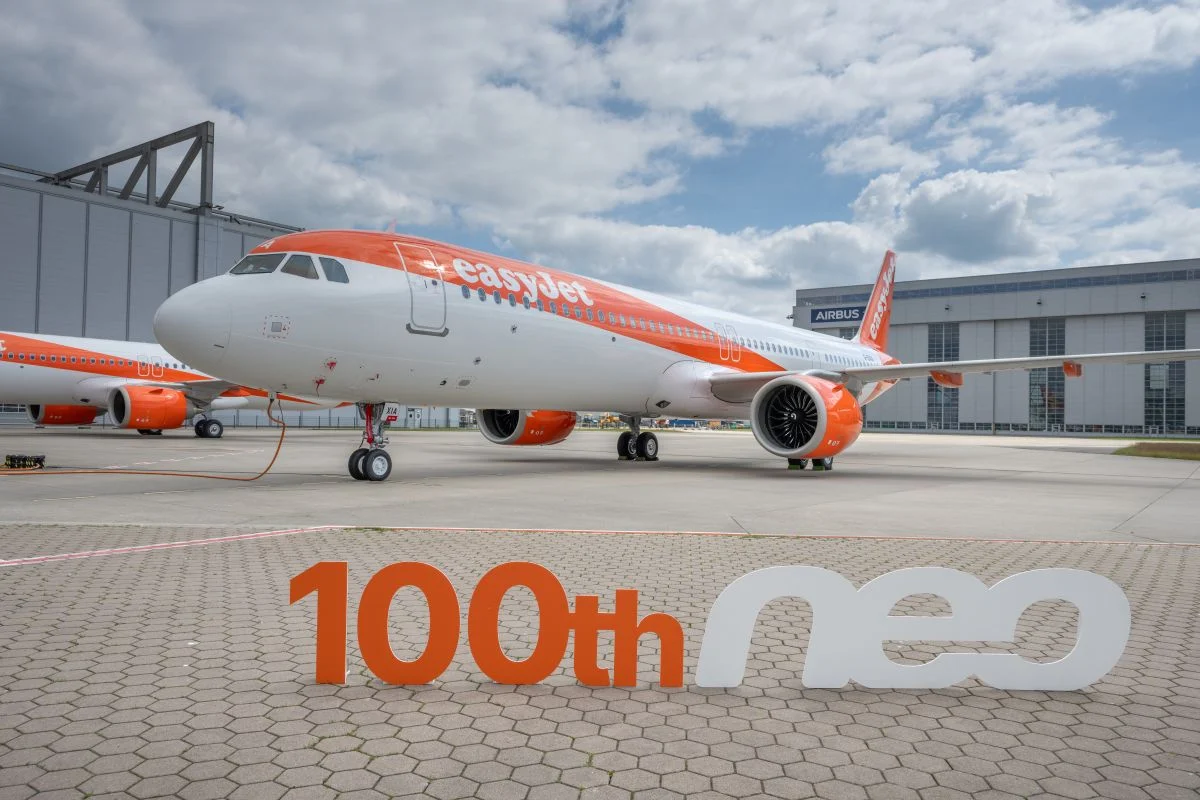
The European aviation sector is abuzz with the intensifying takeover bid for British low-cost carrier EasyJet by U.S. private equity firm Castlelake, while across the Atlantic, industry attention pivots to Delta Air Lines as it prepares to unveil its second-quarter earnings, offering a crucial barometer for the robust U.S. market. The convergence of these significant developments underscores a dynamic period for the global airline industry, marked by strategic consolidation efforts and the ongoing navigation of complex economic and operational headwinds.
EasyJet Takeover Bid Heats Up
The question of EasyJet’s true valuation has been dramatically re-opened following a persistent campaign of offers from Castlelake. The latest and fifth bid, reportedly for 690 pence per share, equates to a total valuation of approximately £5.2 billion (approximately $7.3 billion USD) for the airline. This figure marks a significant premium over EasyJet’s stock performance leading up to the bid, which had seen its share price decline by about 30% over the preceding year. This downturn was attributed by EasyJet to a "temporarily depressed share price," influenced by geopolitical events such as the Iran conflict affecting travel demand, alongside volatile fuel prices.
On Sunday, July 5th, the EasyJet board acknowledged the revised terms, stating they were "minded to recommend" the offer to shareholders. This carefully worded statement, while not a definitive acceptance, signals a turning point in the protracted negotiations. The board’s cautious language emphasizes that the agreement remains "in principle" and is subject to further scrutiny. This development comes after several weeks of informal proposals from Castlelake, all of which had previously been rebuffed. The sustained pursuit by the U.S. private equity firm highlights its confidence in EasyJet’s underlying assets and long-term potential, despite recent market challenges.
A Chronology of Engagement and Regulatory Hurdles
Castlelake’s interest in EasyJet is not a recent phenomenon, having reportedly submitted multiple informal offers over several weeks. Each successive bid saw an escalation in value, reflecting the firm’s determination to acquire the airline. The current offer, if formalized, would still require significant hurdles to be cleared. Castlelake has until August 3rd to make a firm commitment or withdraw its offer. Should it proceed, the proposed transaction would then face rigorous review by EasyJet’s shareholders and various regulatory bodies across Europe.
A key challenge for any non-EU entity acquiring a European airline is the stringent EU ownership rules, which mandate majority EU ownership. To circumvent this, Castlelake’s proposal includes a strategic partnership with two EU nationals, Peter Belyeu and Mark Breen, who would assume a significant role in the ownership structure. Peter Belyeu, a well-known figure in the aviation industry with previous roles at EasyJet, Ryanair, Malaysia Airlines, and Riyadh Air, brings considerable experience and credibility to the proposed setup. This arrangement aims to satisfy the regulatory requirements, ensuring that the majority ownership, in terms of voting rights and control, remains within the EU. This mechanism mirrors previous arrangements seen in the industry, such as Delta’s 49% stake in Virgin Atlantic, designed to navigate similar cross-border ownership complexities.
Unpacking EasyJet’s Value Proposition
Castlelake’s stated intention, conveyed during discussions with EasyJet, is to support the airline’s "future growth and transformation to a stronger, more resilient European airline for the benefit of all stakeholders." This statement aims to reassure stakeholders that the acquisition is not merely a play to dismantle assets but rather to enhance the airline’s long-term viability and market position.
EasyJet possesses several attractive assets that make it a compelling target. Foremost among these are its valuable slot portfolios at highly constrained and lucrative European airports, including London Gatwick, Geneva, and several key locations in Italy. These slots represent significant operational value, often underappreciated in market valuations. Furthermore, despite recent challenges, EasyJet has maintained a respectable operating margin of 7% over its most recent 12-month reporting period. While this figure trails industry leaders like Ryanair, it indicates a fundamentally profitable enterprise, not a distressed asset requiring a radical turnaround. Castlelake, having previously invested successfully in SAS, likely views EasyJet as an opportunity to unlock latent value by optimizing its operations and strategic positioning within the competitive European short-haul market. The firm’s history suggests a focus on improving financial performance and strategic direction rather than mere asset stripping.
Ripple Effects: Europe’s Airline M&A Landscape
The renewed interest in EasyJet has inevitably reignited speculation about further consolidation within the fragmented European airline market. Analysts are keenly observing which other carriers might become attractive targets in an environment increasingly favoring scale and strategic alliances. A recent analysis highlighted several airlines across Europe that could be potential acquisition targets, albeit with varying degrees of likelihood and complexity:
- Wizz Air: Despite its aggressive expansion and a modern fleet, Wizz Air faces significant headwinds, including issues with the GeoTurbo fan engines, underperforming joint ventures in the Middle East, and intense competition in Central and Eastern Europe from Ryanair. Its ownership structure already includes private equity firm Indigo Partners (holding around 14% of shares with potential to increase via convertible notes), making another "loud investor" less likely.
- Finnair: The Finnish flag carrier consistently appears on speculative M&A lists. However, the Finnish state holds a 55% stake, with a mandate to maintain at least 50.1%. While attractive for its Asian network (historically benefiting from Siberian shortcuts, now hampered by Russian airspace closure) and membership in Oneworld (with close ties to IAG via Avios and joint ventures), its small local market in Helsinki makes it less appealing for full acquisition compared to the benefits of arm’s-length cooperation.
- Icelandair: Often considered too niche, Icelandair’s strategic position between Europe and North America is both a blessing and a curse. Its reliance on connecting traffic through a small domestic market (population ~400,000) limits its scalability for a major acquirer.
- Aegean Airlines: Greece’s largest airline, a Star Alliance member, is known for its modern fleet and consistent profitability. It has historically been disciplined, focusing on short-haul operations despite Athens’ sizable population and its strategic location between Europe and the Middle East. Aegean has also been an acquirer itself (Volotea, Olympic Airlines), suggesting a proactive rather than reactive stance on M&A.
- AirBaltic: Operating an all-Airbus A220 fleet, AirBaltic has attractive assets but is currently considered a distressed asset. Reports of a €30 million state loan in April to ensure summer liquidity highlight financial vulnerabilities. The Latvian state holds an 88% stake, making any acquisition dependent on state willingness to divest.
- Condor: Having largely divorced from the Lufthansa Group, Condor is aggressively building its independent network, particularly for long-haul leisure routes from Germany. Owned 51% by investment firm ATSOR, with the German federal government and the state of Hesse holding the remainder, Condor’s ownership structure suggests a readiness for a strategic investor, making it a potentially attractive target for firms looking to capitalize on the lucrative package holiday market.
- LOT Polish Airlines: The Polish state, through a parent company that manages key infrastructure assets, has ambitious plans for a new mega-hub in Warsaw with LOT as its cornerstone. Despite a highly competitive market, the government’s strong strategic interest in aviation makes a full sale unlikely, though a dilution of state ownership remains a possibility.
- Jet2: A highly profitable UK-based airline specializing in outbound package holidays, Jet2 boasts strong cash flow and a significant presence in UK regional airports, even surpassing TUI in scale for certain metrics. With a substantial new Airbus order and a proven business model, it would be a costly acquisition, but its success in the resilient UK leisure travel market makes it an intriguing, albeit perhaps unlikely, target given its current strong performance and management. The UK’s unwavering demand for summer holidays in Spain, often referred to as a non-negotiable cultural priority, underpins Jet2’s robust market.
These varying profiles underscore the complexity of European airline M&A, where national interests, existing private equity stakes, and unique market dynamics play crucial roles alongside financial performance. The EasyJet bid, if successful, could well catalyze further consolidation as other airlines assess their strategic positions.
Delta Air Lines Prepares for Q2 Spotlight
Shifting focus to the North American market, Delta Air Lines is poised to be the first major U.S. carrier to report its second-quarter earnings on Friday, July 10th. This report is highly anticipated as it will provide critical insights into the health of the U.S. airline industry and broader consumer spending patterns.
Key Trends Shaping the US Airline Sector
The U.S. airline industry has been characterized by several notable trends in Q2:
- Strong Demand: Passenger demand, particularly for premium international travel, remains exceptionally robust. There is no evidence of a slowdown in this high-yield segment.
- Reduced Supply: Overall capacity across the U.S. market has been slightly down. Factors such as the effective disappearance of Spirit Airlines (due to its acquisition by JetBlue, though regulatory hurdles remain) and a more conservative approach to capacity growth by airlines in response to past fuel price volatility have contributed to tighter supply.
- Fluctuating Fuel Prices: After a period of significant increases, fuel prices have recently softened, returning to more "manageable" levels compared to six weeks prior. While still elevated compared to historical averages, the downward trend in June is a positive for airline profitability.
- Elevated Airfares: Despite the recent dip in fuel costs, airfares have largely remained high, reflecting the strong demand and constrained supply environment. Delta’s report will offer more granular detail on fare trends.
Delta’s Strategic Focus and Financial Outlook
The second quarter traditionally represents the strongest and most profitable period for U.S. airlines, a trend that held true for Delta in previous years. Last year, Delta reported an impressive 13% operating margin in Q2, benefiting from a relatively low fuel cost of $2.26 per gallon. This year, fuel costs will be higher than last year but lower than initially projected by Delta in April, when it forecasted a Q2 operating margin between 6% and 8%. The recent moderation in fuel prices suggests Delta could potentially exceed the upper end of this guidance, possibly approaching or even surpassing a 10% operating margin, though matching last year’s 13% would be a significant achievement given the changed cost environment.
A distinctive aspect of Delta’s strategy has been its measured approach to growth. Among major U.S. carriers, Delta has shown the least growth in available seat miles (ASMs) since 2019, even operating fewer flights today than pre-pandemic. This deliberate strategy, however, is complemented by a concerted effort to enhance its premium offerings. By reconfiguring aircraft to include more flat-bed seats and premium cabins, Delta effectively reduces overall seat capacity (and thus ASMs) on a per-plane basis but significantly increases its premium ASM capacity. This strategy is driven by the airline’s focus on maximizing revenue per unit rather than simply minimizing unit costs.
Indeed, the current landscape in the U.S. airline industry emphasizes revenue maximization. While managing non-fuel costs (such as labor, aircraft maintenance, and airport fees) remains a challenge due to persistent inflation, the ability of carriers like Delta and United to command higher prices for premium services has been a more potent driver of profitability than aggressive cost suppression, a stark contrast to earlier periods in aviation history.
The Broader Implications for Airline Performance
The forthcoming earnings reports from Delta and its peers will be crucial for understanding the sustainability of current demand trends, the effectiveness of airline pricing strategies, and the ongoing battle against cost inflation. Delta’s performance, as the first major U.S. airline to report, will set the tone for the season, offering a bellwether for investor sentiment and industry outlook.
Following Delta’s report, United Airlines is scheduled to release its earnings on Thursday, July 16th, with other major carriers cascading their results thereafter. The collective insights from these reports will paint a comprehensive picture of the industry’s resilience and adaptability in navigating a complex global environment marked by both strong travel demand and persistent economic pressures. These developments across two major aviation markets highlight a period of significant strategic recalibration and potential transformation for leading airlines globally.




 Anjar Salim
 Chandra Hamzah
 Tatiana Tantri Indah Sari
 Budi Mulyono
 Lukman Taruna Persada Ramadan
