
 Anjar Salim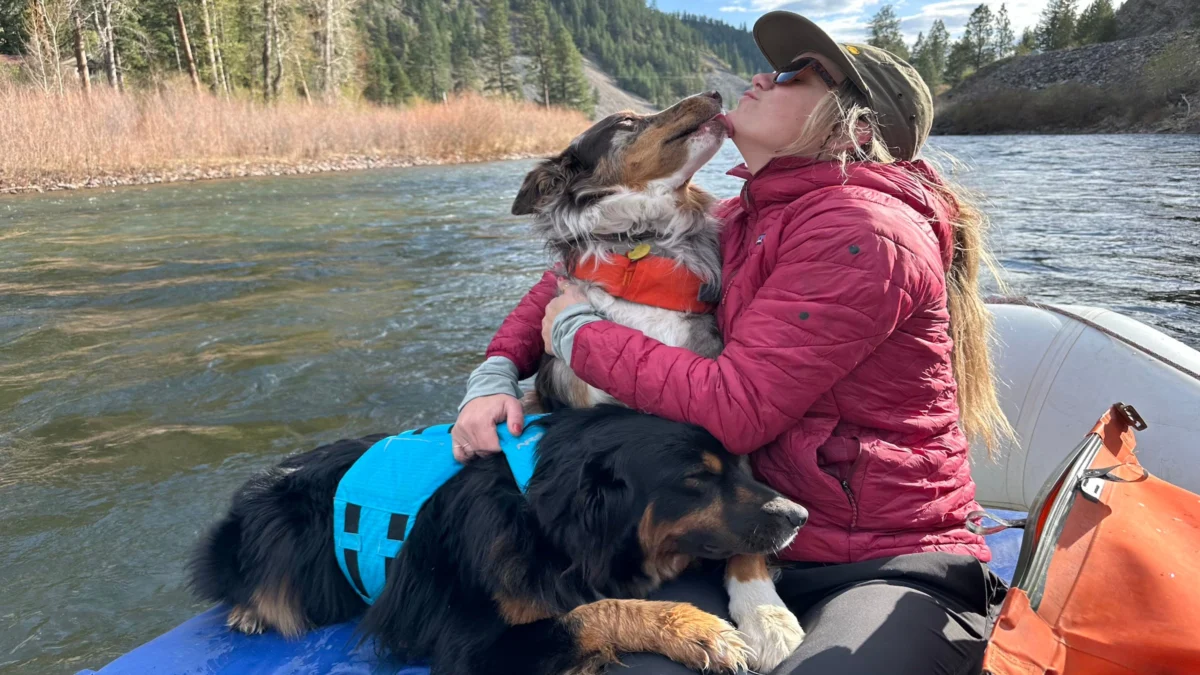
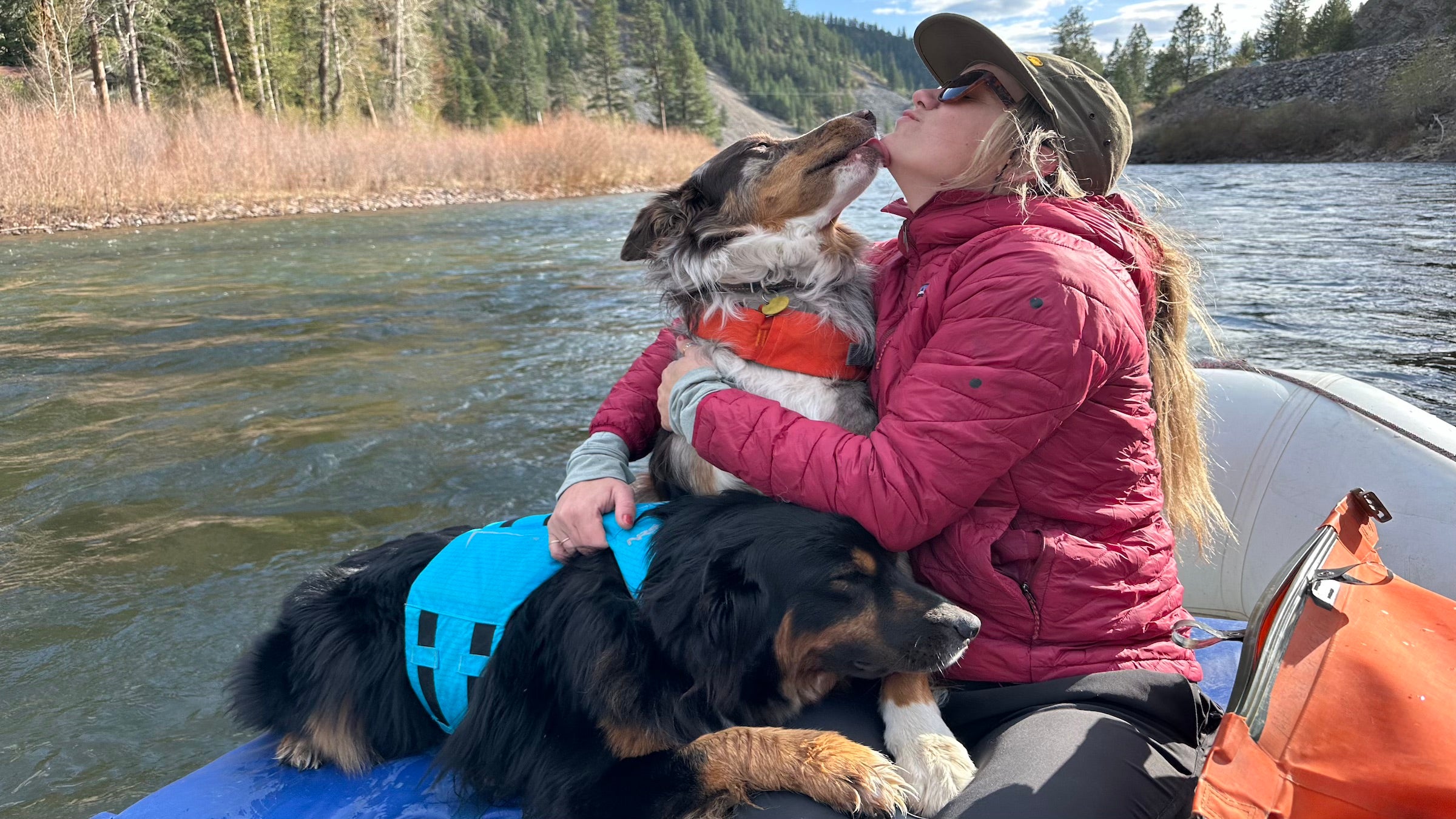
The intersection of outdoor recreation and pet ownership has seen a significant transformation over the last decade, evolving from casual neighborhood walks to high-intensity "adventure dog" culture. As of June 2026, the demand for specialized gear that caters to high-drive breeds—those with high energy, intelligence, and a physiological need for rigorous exercise—has reached an all-time high. This surge in the "active pet" market has prompted manufacturers to move beyond basic nylon leashes and rubber balls, instead focusing on ergonomic design, nutritional precision, and cognitive enrichment. To assess the efficacy of these modern solutions, a comprehensive two-month field test was conducted in the rugged terrain of Western Montana, utilizing two four-year-old Australian Shepherds, Cholla and Poppy, as the primary evaluators.
The testing period, which spanned the spring of 2026, provided a diverse array of environmental challenges, including muddy backcountry trails, fluctuating temperatures, and periods of indoor confinement due to inclement weather. The objective was to determine which products could withstand the "Aussie exam"—a rigorous standard of durability and practicality necessitated by one of the most demanding working breeds in existence. The findings highlight a shift in the industry toward materials that prioritize canine comfort and tools that streamline the owner’s experience in the wilderness.
Chronology of the 2026 Spring Field Trials
The evaluation began in March 2026, coinciding with the "mud season" in Western Montana. This period was selected to test the "washability" and "durability" of soft goods and the engagement levels of indoor enrichment tools when trail access was limited.
- Phase I: Indoor Enrichment (Weeks 1–3): Focus was placed on SodaPup enrichment tools and Nutra Thrive supplements. This phase coincided with heavy spring rains, necessitating mental stimulation to prevent destructive behavior in the high-drive subjects.
- Phase II: Trail Integration (Weeks 4–6): As trails began to dry, the Ruffwear Front Range Flex Harness and Rigby Dog Pouches were introduced. Testing focused on ergonomic movement during multi-mile ascents and the efficiency of reward-based training in "reactive" settings.
- Phase III: Backcountry Endurance (Weeks 7–8): The final phase involved the Wilderdog Backcountry Kit, including weighted packs and paw protection. This phase simulated multi-day excursions to test long-term comfort and the utility of "leave no trace" waste management tools.
Nutritional Efficiency: The Rise of the Squeeze Pouch
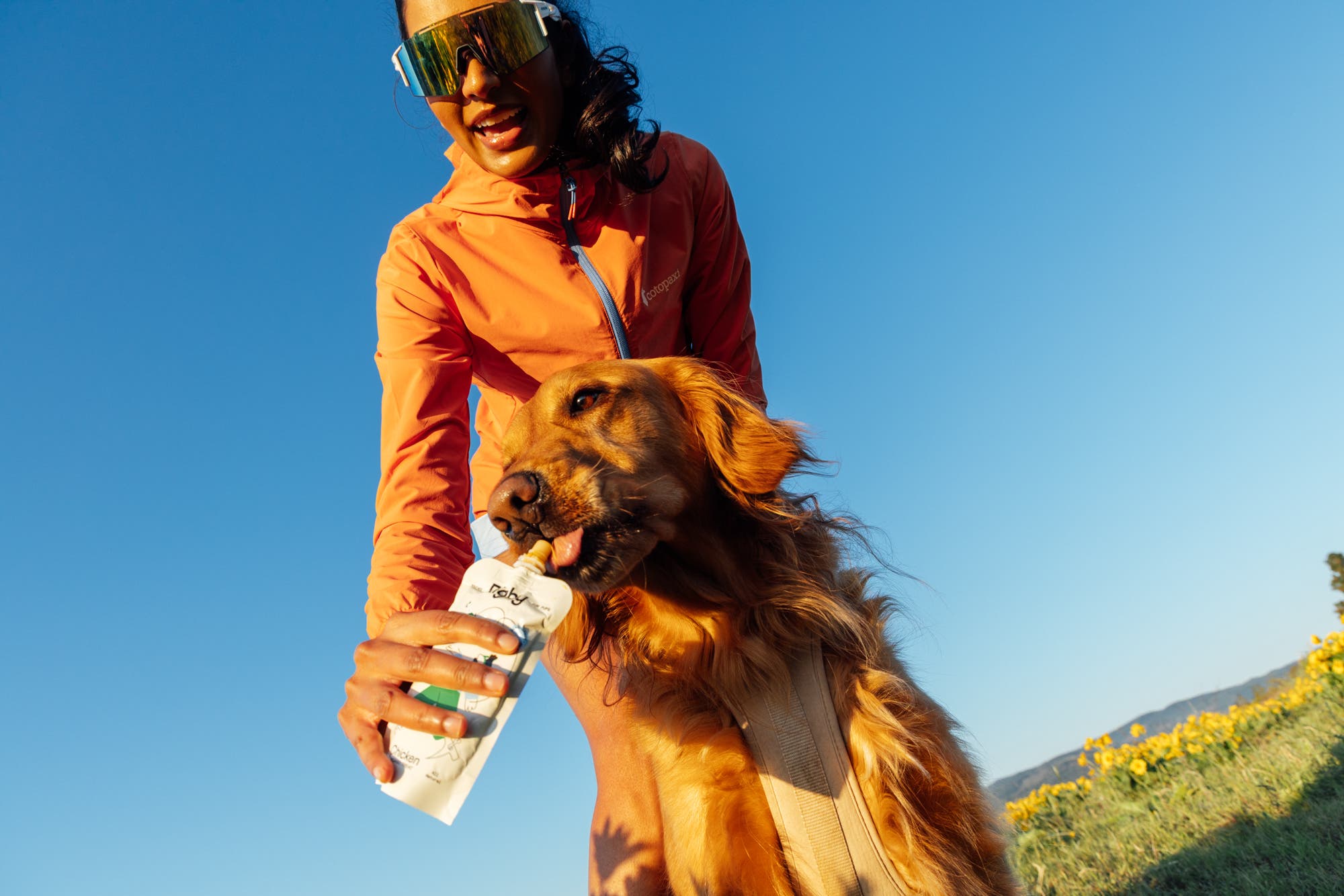
One of the most notable shifts in the 2026 training landscape is the move away from traditional hard biscuits toward liquid-based rewards. The Rigby Dog Pouches represent a significant advancement in this category. These 3.5-ounce packets utilize a built-in straw delivery system, a design choice that addresses several logistical hurdles for hikers.
Field observations noted that the squeeze-style delivery prevents "slimy finger syndrome," a common complaint among owners training in cold or wet conditions. For reactive dogs like Poppy, the ability to deliver a continuous, high-value reward directly from a straw allowed for more precise "focus" training during trail encounters. From a nutritional standpoint, the pouches align with the "humanization" of pet food, featuring organic ingredients such as wild-caught Alaskan salmon, grass-fed beef, and free-range California chicken.

Industry analysts suggest that the success of such products is tied to the growing awareness of canine caloric density. By offering low-calorie, nutrient-dense pastes rich in B vitamins and fiber, manufacturers are catering to health-conscious owners who treat their dogs as "canine athletes." However, the testing noted a learning curve; some dogs required initial "lure" training to understand how to interact with the straw.
Ergonomic Innovations in Canine Wearables
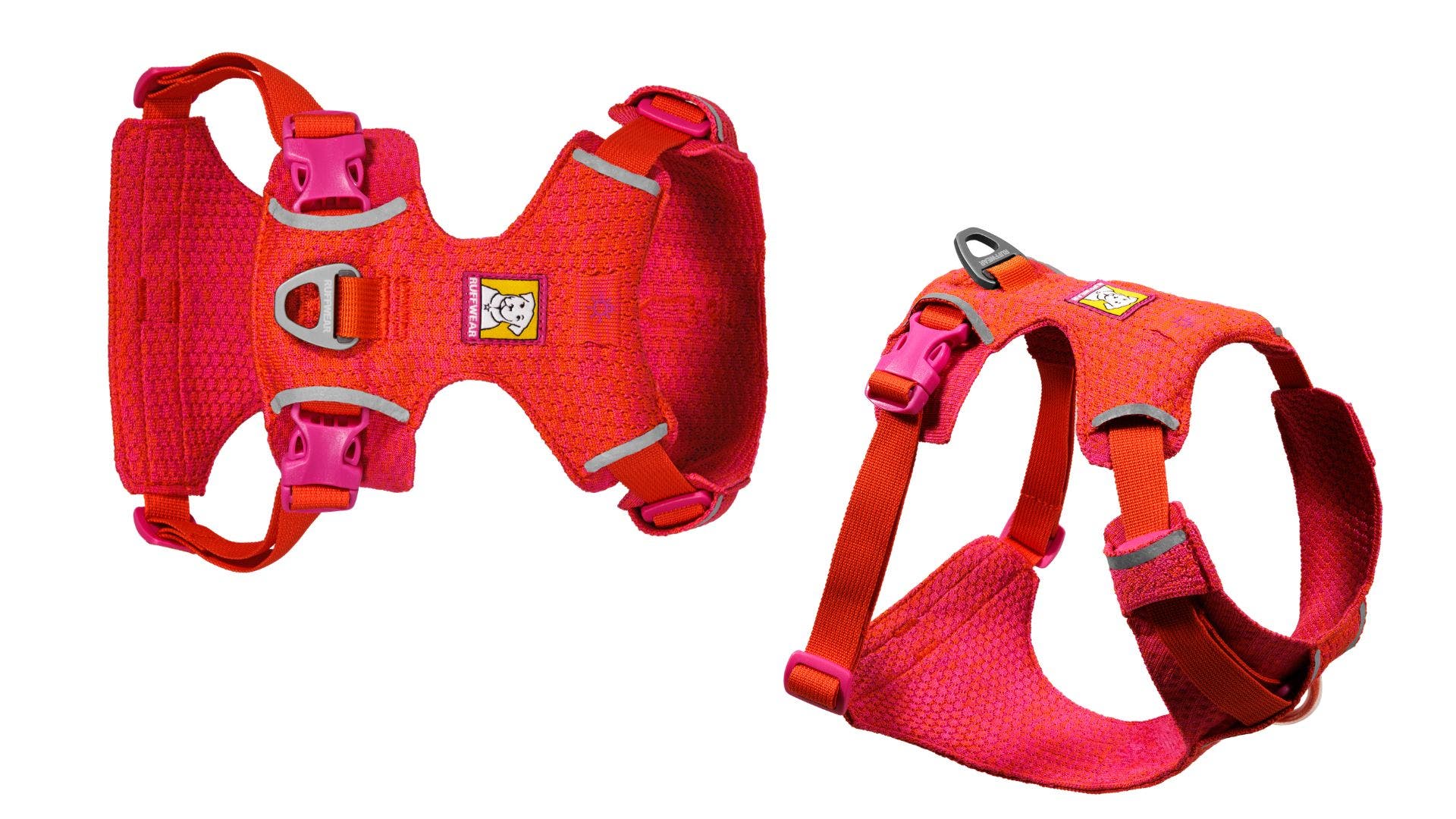
The Ruffwear Front Range Flex Harness represents the next generation of canine wearables, moving away from rigid webbing toward technical knit materials. This evolution mirrors trends in human athletic footwear, where "sock-like" fits have become the gold standard for high-intensity movement.
The "Flex" model was specifically tested for its ability to prevent chafing—a frequent issue for deep-chested breeds like Australian Shepherds during long-distance treks. The knit material conforms to the dog’s musculature, moving dynamically with each stride. Technical specifications include four adjustment points and a dual-attachment system: an aluminum V-ring for standard walks and reinforced chest webbing to redirect dogs prone to pulling.
Data from veterinary sports medicine suggests that harnesses that restrict shoulder movement can lead to long-term orthopedic issues. The minimal bulk of the Front Range Flex appears to mitigate this risk, though testers noted that for exceptionally large or powerful pullers, the lightweight nature of the knit might offer less control than traditional heavy-duty nylon options.
Cognitive Health and the Science of Licking
When outdoor activity is restricted, the focus shifts to "biological fulfillment" through enrichment. The SodaPup product line, which includes slow feeders and lick mats, was evaluated for its ability to lower cortisol levels in high-energy dogs.
The science behind these tools is rooted in the "licking reflex," which releases endorphins in dogs. During the Montana trials, the use of lick mats—spread with peanut butter, yogurt, and local huckleberries—provided approximately 15 to 20 minutes of sustained engagement. This duration was nearly doubled when the mats were frozen prior to use.
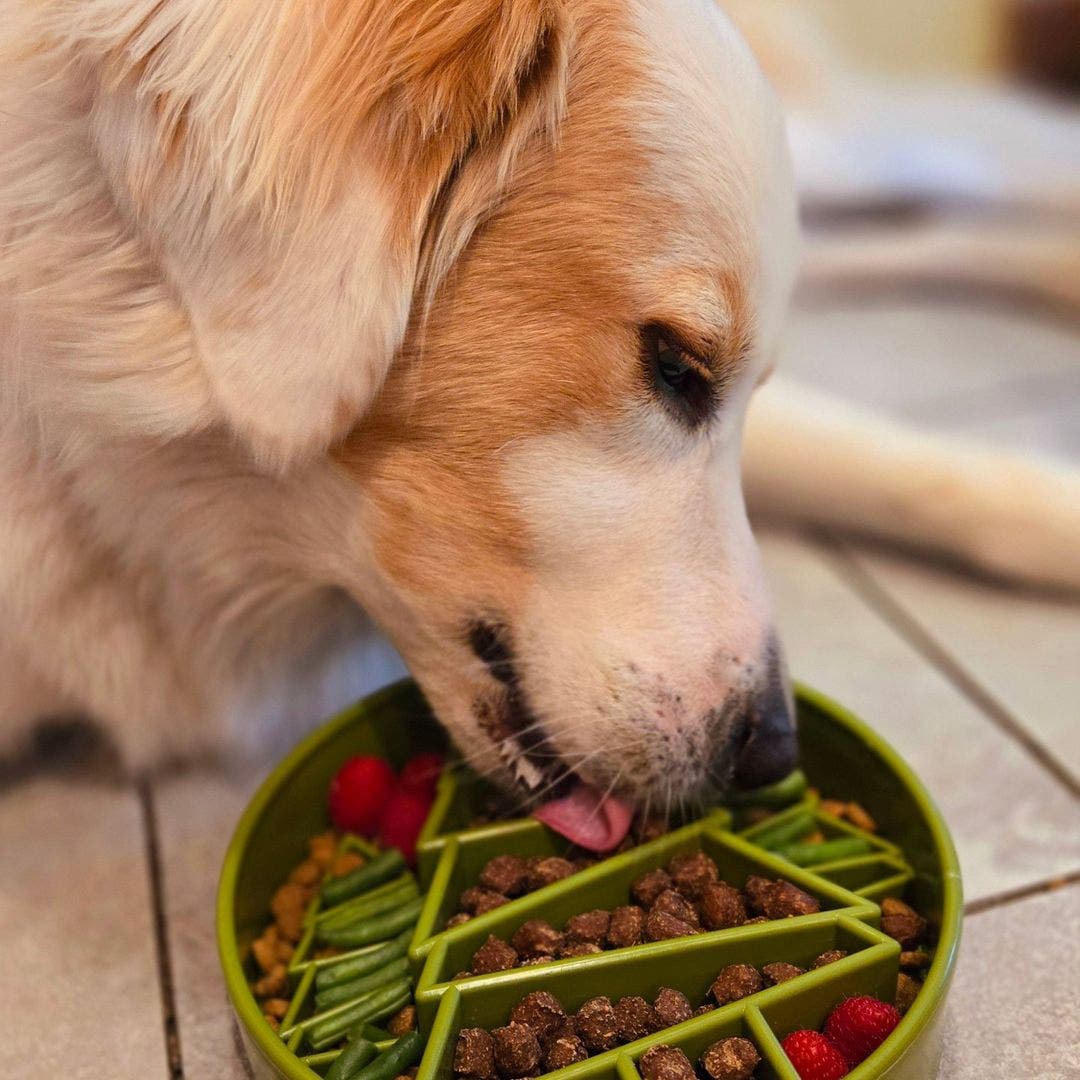
Furthermore, the transition from standard bowls to "slow-feeding" bowls (featuring tree and wave molding) addressed the common issue of "scarfing," which can lead to gastric torsion (bloat) in active breeds. While effective, the intricate designs of these bowls presented a cleaning challenge, as food particles often became trapped in tight crevices, requiring specialized brushes for sanitization.
The Backcountry Utility and Environmental Ethics
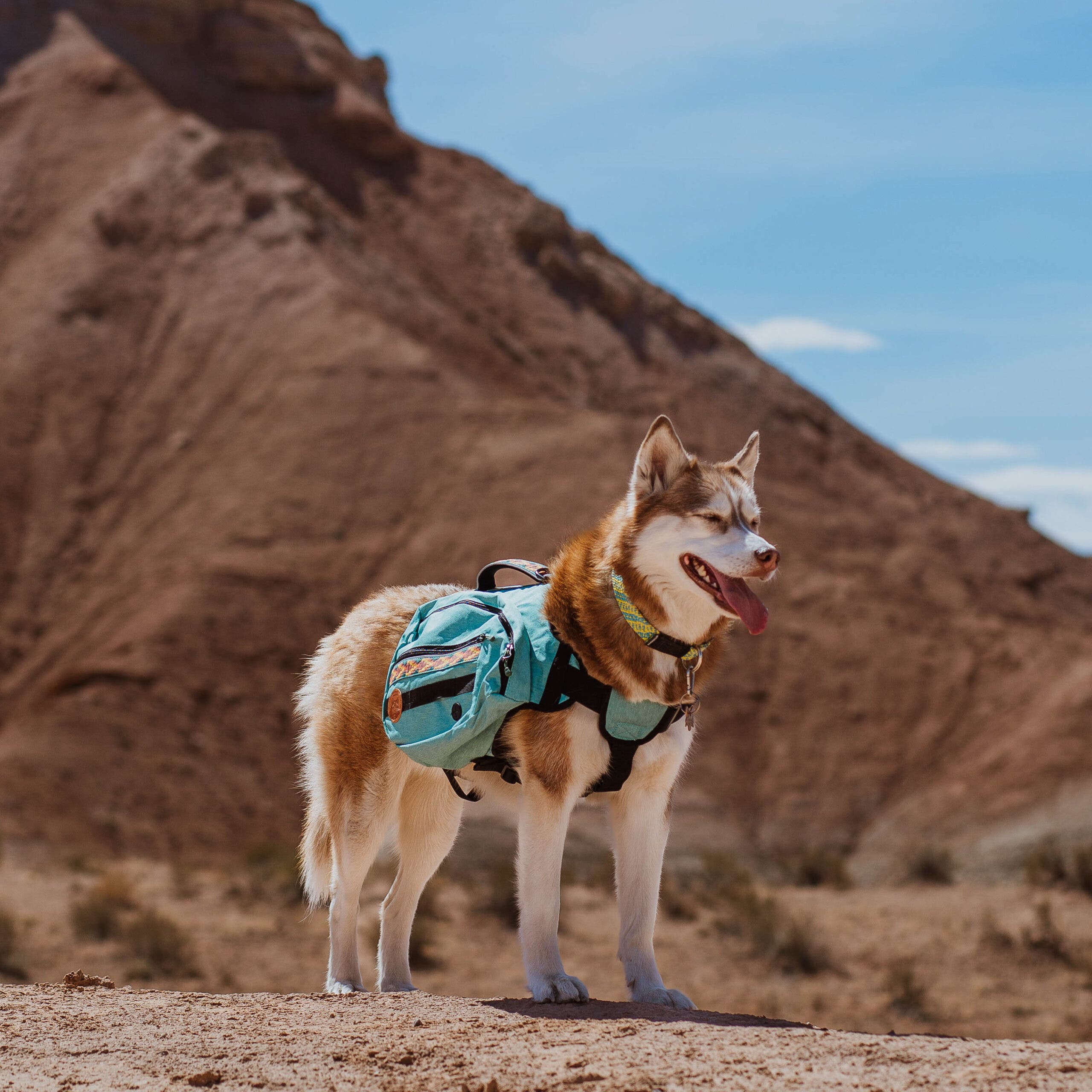
The Wilderdog Backcountry Kit highlights a growing trend in "self-sufficient" canine hiking. The kit includes a lightweight backpack, "PawJam" balm, and specialized waste management tools.
A critical component of the evaluation was the "crap carrier"—a silicone handle designed to hold multiple knotted poop bags. As trail traffic increases globally, "leave no trace" ethics have become a focal point for outdoor organizations. The "crap carrier" addresses the "visual pollution" of abandoned waste bags on trails, a problem that has led to dog bans in certain sensitive wilderness areas.
Additionally, the Wilderdog backpacks were tested for stability. While high-drive dogs are capable of carrying a portion of their own gear (water, bowls, and waste), the "tangle factor" remains a concern in dense brush. The inclusion of a top handle for "quick-grab" intervention proved essential during creek crossings and steep scrambles. For paw health, the "PawJam"—a non-toxic blend of beeswax and mango butter—was found to be effective in preventing the "cracking" associated with the arid climates of Idaho and Montana.
Longevity and the Supplement Market
The final pillar of the 2026 field test was the integration of high-performance supplements, specifically Nutra Thrive from Ultimate Pet Nutrition. As the lifespan of domestic dogs increases, owners are investing heavily in preventative care.
Nutra Thrive is a powder-based supplement containing digestive enzymes, antioxidants, and active ingredients such as milk thistle, collagen, and lutein. During the trial, the powder was used as a "topper" for both meals and lick mats. The focus here is on "metabolic support"—ensuring that high-drive dogs have the joint lubrication and immune defense necessary to sustain an active lifestyle into their senior years. While the price point remains a barrier for some consumers, the "bioavailability" of such supplements is a major selling point in the premium pet care sector, which is projected to grow by 7% annually through 2030.
Broader Impact and Industry Analysis
The results of these field tests reflect a broader shift in the $150 billion global pet industry. We are seeing a move away from "one-size-fits-all" products toward "breed-specific" or "activity-specific" engineering. For the high-drive dog owner, these advancements mean that the "backcountry experience" is becoming safer and more streamlined.
However, industry experts caution that gear is not a substitute for training. While a "crap carrier" makes it easier to be a responsible hiker, and a "Flex Harness" makes a dog more comfortable, the core of a successful adventure pup remains the bond and communication between the dog and the handler.
As we look toward the remainder of 2026, the trend of "pet-centric travel" is expected to continue its upward trajectory. Companies like Ruffwear, Wilderdog, and SodaPup are no longer just "toy makers"; they are lifestyle brands providing the infrastructure for a new generation of explorers who refuse to leave their four-legged companions behind. The Montana field trials prove that with the right tools, even the most "wild" Aussie can become a refined backcountry partner, capable of navigating the complexities of the modern wilderness with ease.




 Chandra Hamzah
 Tatiana Tantri Indah Sari
 Budi Mulyono
 Lukman Taruna Persada Ramadan