
 Anjar Salim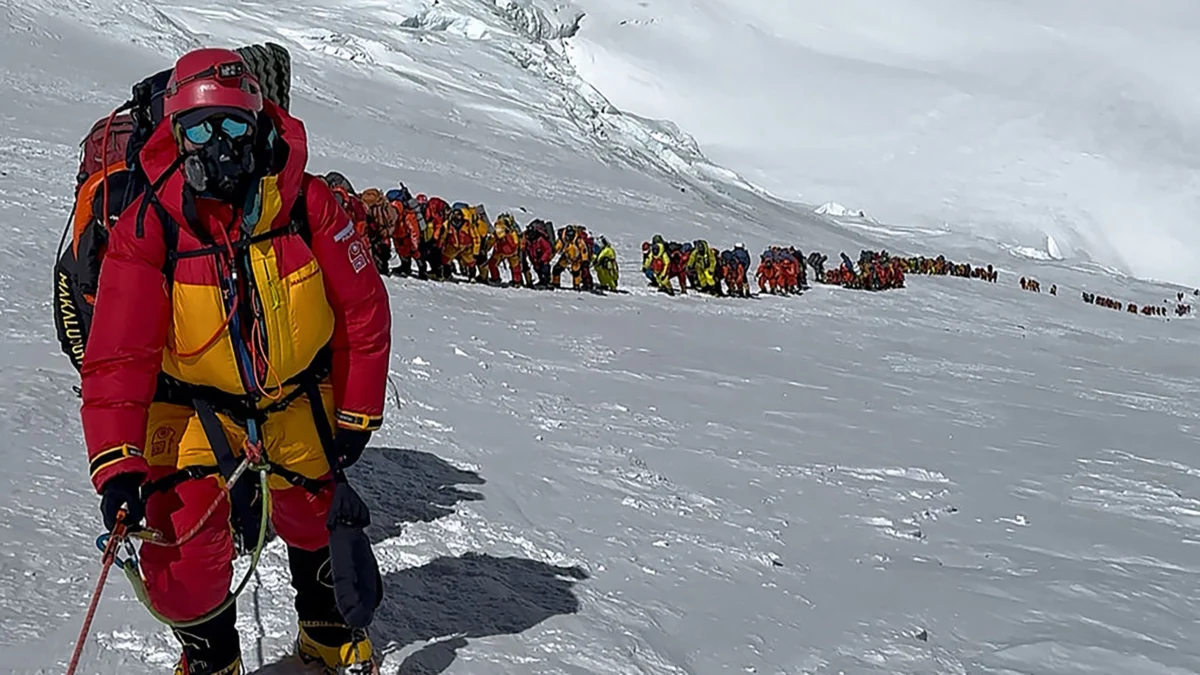
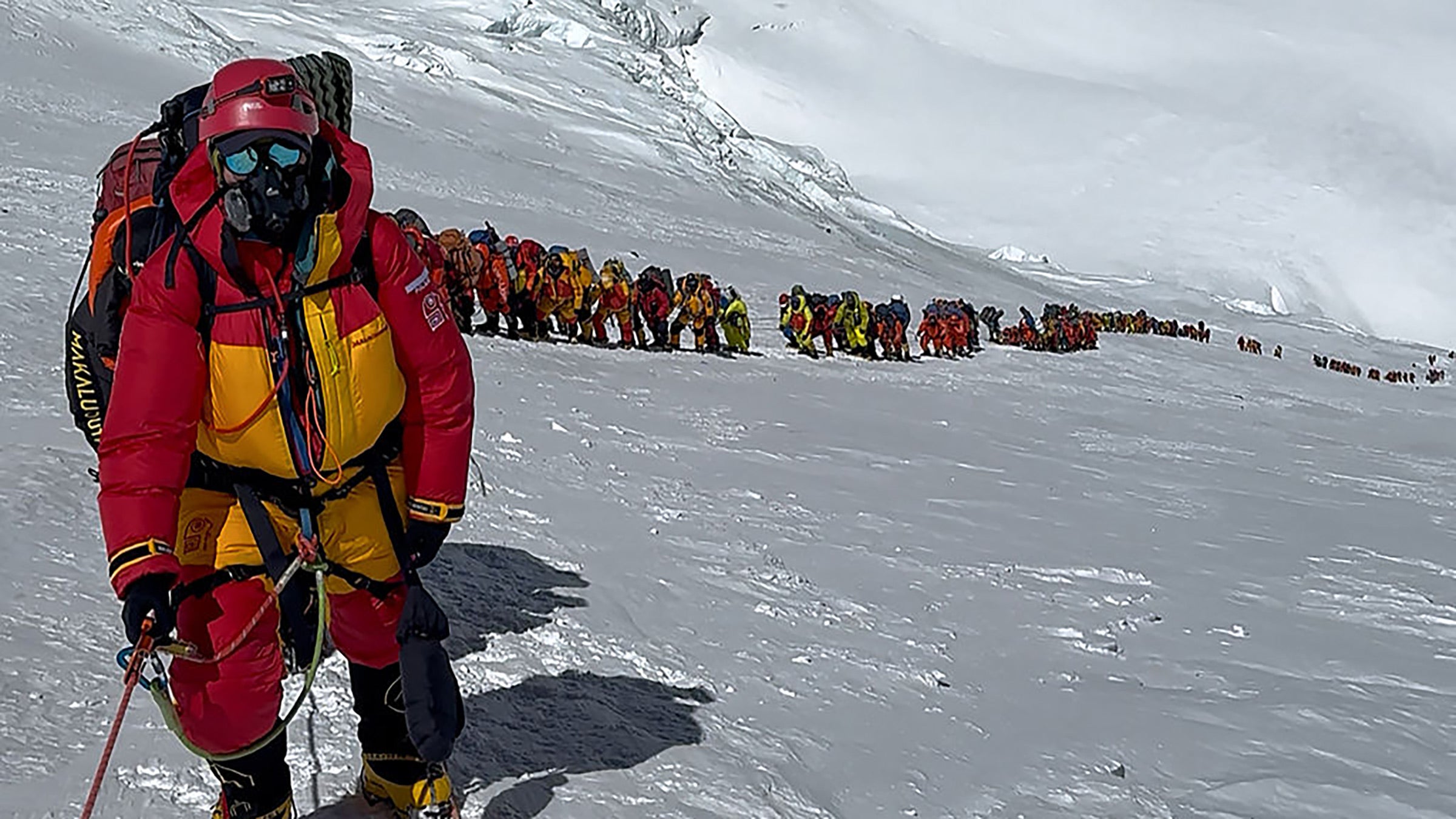
Mount Everest, the world’s highest peak at 29,031.7 feet (8,848.86 meters), remains the ultimate crucible for high-altitude mountaineers, offering a physical and psychological gauntlet that spans approximately 5.5 miles of horizontal distance and more than 11,000 feet of vertical ascent from the Nepal Base Camp. Since the historic first ascent by Sir Edmund Hillary and Tenzing Norgay in 1953, the South Col route has become the most traveled path to the summit. However, the familiarity of the route does not diminish its inherent dangers or the extreme variability of its conditions. As of June 2026, veteran climbers continue to debate which segments of this iconic journey represent the pinnacle of the mountaineering experience and which constitute its most grueling trials.
The standard ascent from the Nepalese side is a multi-stage progression through distinct ecological and geological zones: the Khumbu Icefall, the Western Cwm, the Lhotse Face, the South Col, and finally the summit ridge. Each stage presents unique logistical and physiological challenges, influenced by shifting glacial ice, extreme weather patterns, and the debilitating effects of the "Death Zone" above 26,000 feet (8,000 meters). To understand the nuances of this trek, several of the world’s most experienced climbers—including Kenton Cool, Garrett Madison, and Purnima Shrestha—have provided a detailed breakdown of the route’s most significant landmarks.
The Volatility of the Mountain Environment
Before identifying specific highlights, experts emphasize that the mountain is a dynamic entity. Kami Rita Sherpa, a legendary figure in the climbing community who has achieved a record-breaking 32 summits, notes that the concept of a "favorite" spot is often overshadowed by the mountain’s constant state of flux. According to Kami Rita, the route is subject to hourly changes caused by collapsing ice structures and sudden avalanches. This volatility means that the path taken during the ascent is rarely identical to the path used for the descent, a reality that necessitates constant vigilance and adaptability from both guides and clients.
This perspective is supported by the Sagarmatha Pollution Control Committee (SPCC), the organization responsible for the "Icefall Doctors"—a specialized team of Sherpas who maintain the route through the Khumbu Icefall. Their data indicates that the glacier moves at a rate of three to four feet per day, creating new crevasses and destabilizing the massive ice towers known as seracs.
The Best of Everest: Aesthetic and Psychological Milestones
For many elite climbers, the "best" parts of Everest are defined by moments of visual splendor and the psychological relief that accompanies reaching key milestones.
Kenton Cool, the premier British guide with 20 successful ascents, identifies the South Summit at 28,000 feet as the most spectacular portion of the climb. Cool describes the transition over the South Summit as a pivotal moment where the summit ridge finally comes into view. "By the time you’re up that high, you know everything is coming together," Cool stated. He highlights the "magical" quality of the first morning light hitting the Tibetan horizon, an experience that many climbers overlook in their exhaustion. He argues that if this specific ridge were located in the Alps or the Rockies, it would be considered one of the world’s most sought-after technical climbs due to its mix of snowy couloirs and dramatic views.
Garrett Madison, the most successful American Everest guide with 16 ascents, finds the greatest satisfaction at Camp III. Located at 23,300 feet on the Lhotse Face, Camp III offers a unique vantage point over the Western Cwm and the neighboring peak of Cho Oyu. Madison notes that the experience of watching the sunset from this elevation is unparalleled, providing a rare moment of serenity amidst a high-stakes expedition.
For Purnima Shrestha, a prominent Nepali climber with six ascents, the South Col (Camp IV) at 26,000 feet represents the psychological peak of the journey. Despite the thin air and harsh winds of the South Col, Shrestha views it as the "gateway" to the summit. "I feel like once I’m at Camp IV, I’m almost guaranteed the summit," she explained. For Shrestha, this location offers the first clear, intimate view of the summit pyramid, creating a sense of total immersion in the mountain’s presence.
The Worst of Everest: Monotony and Mortal Peril
Conversely, the most disliked segments of the route are characterized by physical discomfort, technical hazards, and the mental fatigue of repetitive movement.
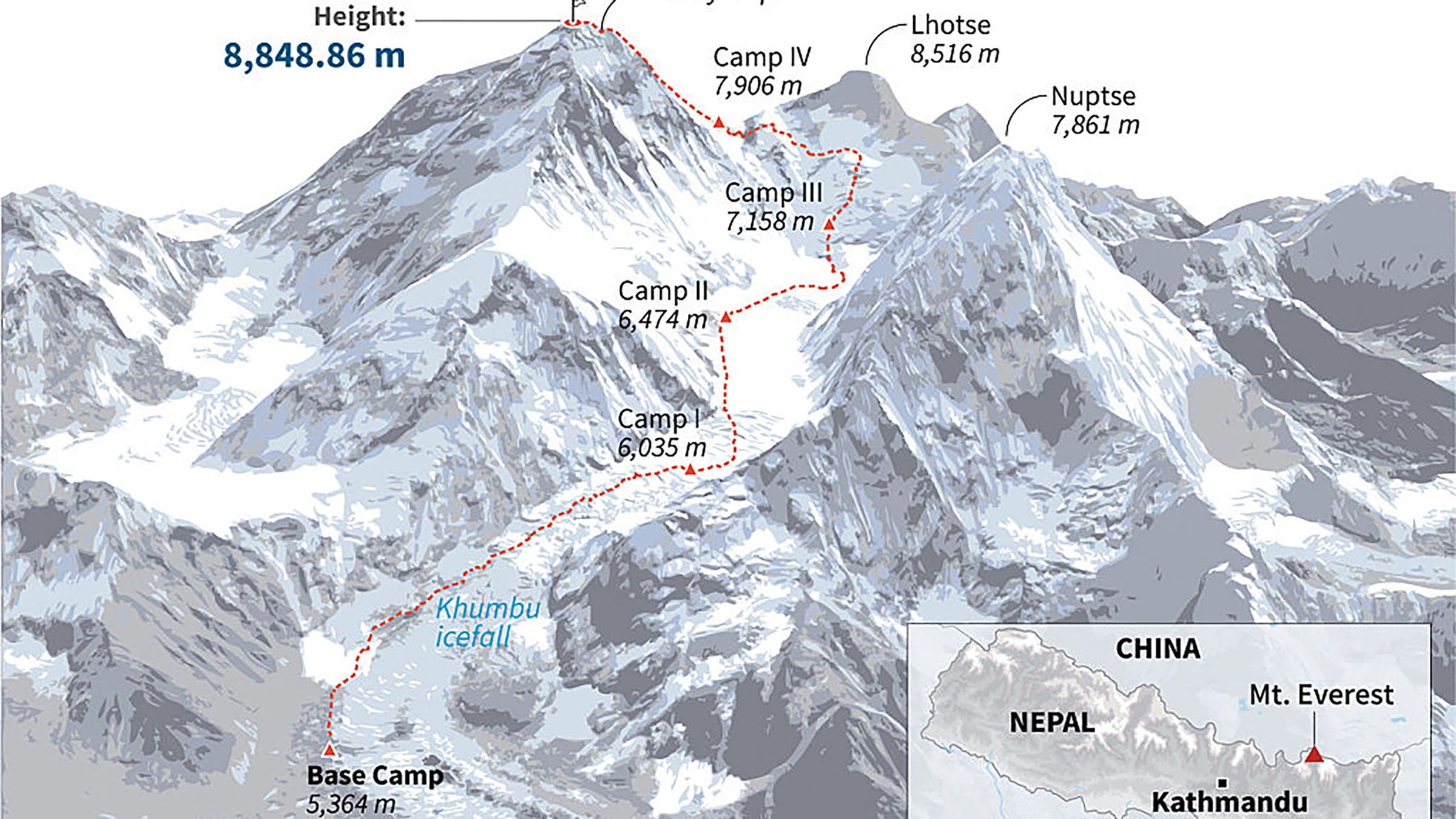
The stretch between Camp III and Camp IV is frequently cited as a low point. Kenton Cool describes this section as particularly "monotonous" and uncomfortable. It marks the point where climbers must transition into full down suits and begin using supplemental oxygen. The combination of heavy gear, the "unbearable" heat of the sun reflecting off the ice, and the looming anxiety of the upcoming summit push makes this a grueling physical and mental test.
Garrett Madison points to the final return to Base Camp as a particularly draining experience. Specifically, the transition from the base of the Khumbu Icefall back to the rocky terrain of Base Camp is often a "schlep." After days of high-altitude exertion, climbers find themselves walking on dirt and rocks while still wearing crampons, a state Madison describes as "floating through a daze."
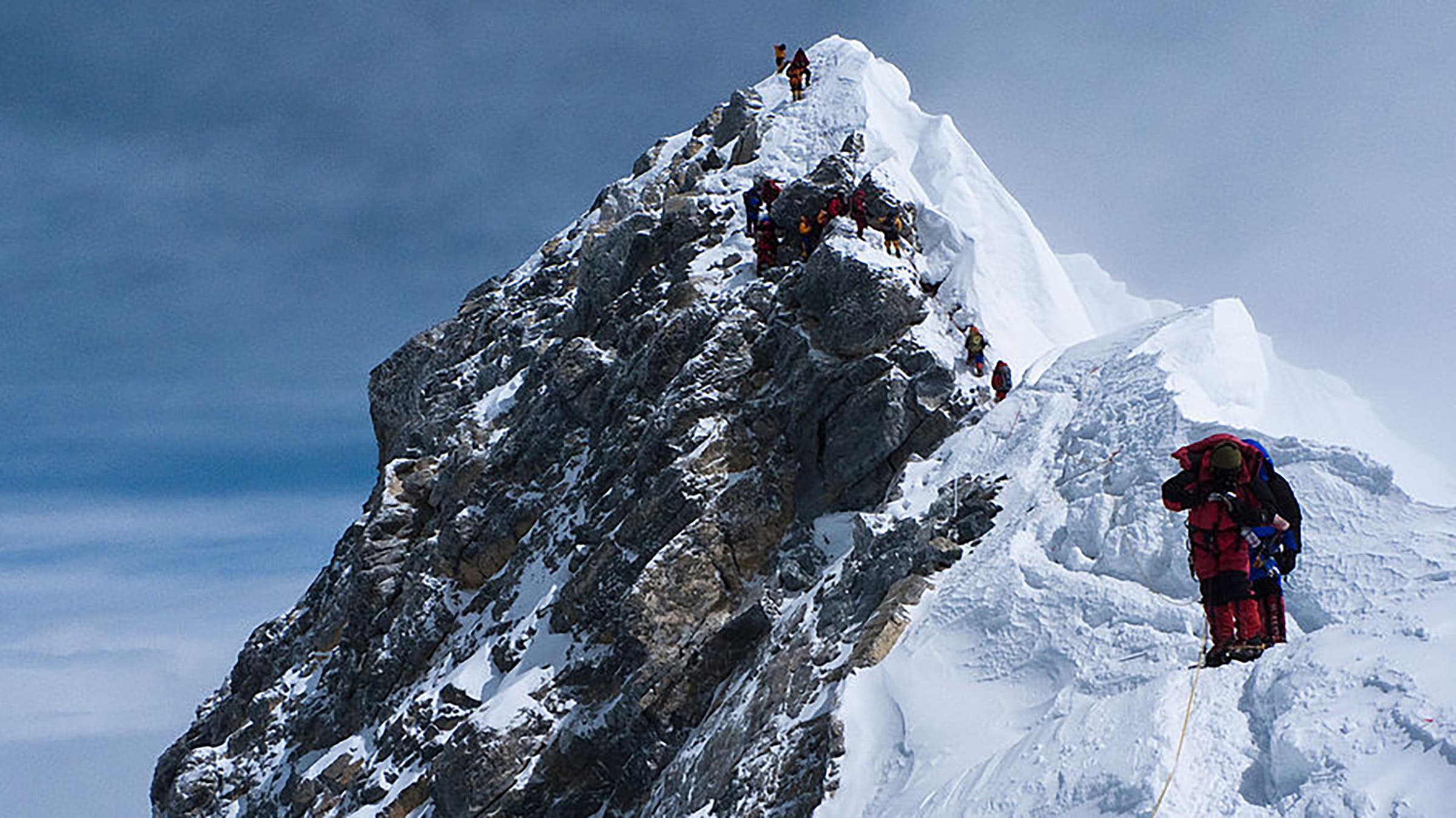
The Khumbu Icefall itself remains the most feared segment for many. Purnima Shrestha identifies it as the part she dislikes most due to its objective dangers. Navigated primarily in the pre-dawn hours to minimize the risk of ice movement caused by solar heating, the Icefall is a labyrinth of shifting ice and hidden crevasses. Shrestha also notes the Hillary Step—a near-vertical rock face near the summit—as a source of significant anxiety, requiring climbers to move as quickly as possible through a bottlenecked area.
Underestimated Challenges and Technical Realities
A common misconception among the public is that Mount Everest is merely a "glorified walk." However, veteran guides argue that several sections are significantly more technical than they appear in photographs or documentaries.
- The Summit Ridge: Kenton Cool warns that the steps between the Balcony and the South Summit are often intricate and require stepping over a mix of rock, ice, and snow. The presence of large cornices—overhanging edges of snow—looming over the 10,000-foot drop into Tibet requires extreme precision.
- The Lhotse Face to South Col: Garrett Madison emphasizes the difficulty of the ascent from Camp III to Camp IV. The steep terrain and significant elevation gain make it a "huge day" that often leaves climbers depleted before they even begin their summit bid. To combat this, Madison’s teams often implement a full day of rest at Camp IV, a luxury not afforded by all expedition companies.
- The Hillary Step: While historically considered the most difficult technical obstacle, its nature has changed since the 2015 earthquake. Madison suggests it is now less difficult than in decades past, though it still commands respect. Shrestha, however, maintains that the ladders used to bridge crevasses in the Icefall remain the greatest psychological hurdle for novice climbers, many of whom are paralyzed by fear at the sight of them.
Statistical Context and Safety Evolution
The 2026 climbing season reflects a broader trend in Himalayan mountaineering: increased participation met with enhanced safety protocols. Since 1953, more than 11,000 successful summits have been recorded, but the death toll exceeds 300. Statistics from the Himalayan Database show that while the success rate has increased due to better weather forecasting and more reliable oxygen systems, the risk of "crowding" at bottlenecks like the Hillary Step remains a critical safety concern.
Modern expeditions now rely on sophisticated "weather windows" provided by meteorologists in Europe and North America, allowing teams to time their summit pushes with unprecedented accuracy. Furthermore, the use of high-flow oxygen regulators (allowing for 4 to 8 liters per minute) has transformed the physiological experience of the "Death Zone," though it has also sparked debates regarding the "purity" of the ascent.
Broader Implications for Mountaineering
The insights provided by Cool, Madison, and Shrestha highlight a fundamental truth about Everest: it is a mountain of contrasts. It offers the most sublime views available on Earth while simultaneously presenting some of the most monotonous and dangerous terrain imaginable.
As commercial mountaineering continues to grow, the distinction between the "technical" mountain and the "managed" mountain becomes thinner. The role of the Sherpa community remains the backbone of the entire operation; without the "Icefall Doctors" and the high-altitude porters who establish the camps and carry the oxygen, the South Col route would be impassable for the vast majority of international climbers.
In conclusion, the Everest experience is not a singular event but a series of high-stakes chapters. From the "magical" light of the South Summit to the "scary" ladders of the Khumbu Icefall, the route remains a definitive test of human endurance. As Kenton Cool suggests, the mountain’s true beauty is often found in the moments when "everything is coming together," but as Kami Rita Sherpa warns, that harmony can be shattered by the mountain’s shifting ice at any hour. For those who seek the summit, the journey remains a complex calculation of risk, reward, and the relentless pursuit of the horizon.




 Chandra Hamzah
 Tatiana Tantri Indah Sari
 Budi Mulyono
 Lukman Taruna Persada Ramadan