
 Walid Sujud Trenggono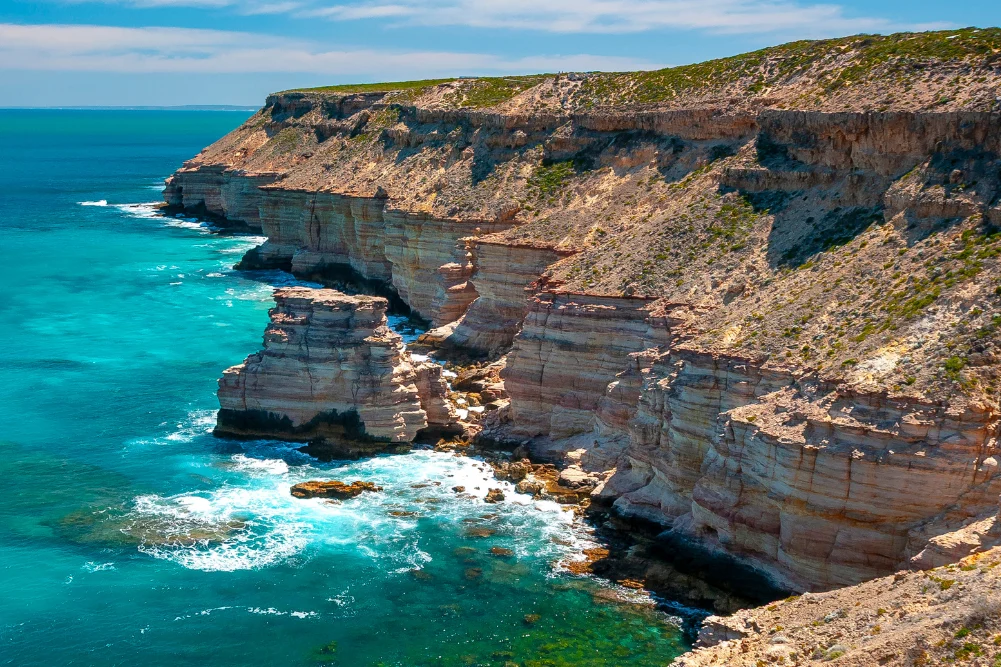
The Indian Ocean Drive, a premier tourism corridor stretching north from Perth, represents one of Western Australia’s most significant infrastructure projects designed to facilitate regional dispersal and showcase the state’s diverse ecological and geological heritage. Spanning approximately 600 kilometers from the metropolitan capital to the rugged landscapes of Kalbarri, this route serves as a critical artery for the Mid-West’s economy, connecting coastal hamlets that specialize in premium seafood exports, eco-tourism, and historical preservation. The journey offers a concentrated look at the intersection of Indigenous heritage, maritime history, and unique botanical phenomena that draw hundreds of thousands of domestic and international visitors annually.
The Lancelin Gateway and the Western Rock Lobster Industry
The northern trajectory begins at Lancelin, known traditionally to the Yued Indigenous people as Wangaree. While the town is widely recognized for its recreational appeal, it remains a vital hub for the Western Rock Lobster (Panulirus cygnus) industry. This fishery is the most valuable single-species fishery in Australia, contributing significantly to the state’s $500 million-plus crustacean export market. The calm waters of Lancelin Bay, protected by a complex reef system and the Lancelin Island Nature Reserve, provide a nursery for marine life and a sanctuary for various seabird species.
Beyond its commercial value, Lancelin serves as a premier destination for wind-driven sports. The afternoon sea breeze, colloquially known as the "Fremantle Doctor" in the south but equally potent here, transforms the bay into a world-class venue for kiteboarding and windsurfing. Inland, the landscape is dominated by 2-kilometer-long sand dunes, some of the largest in the state. These shifting calcarenite structures are a major draw for adventure tourism, supporting a local economy built around sandboarding and off-road vehicle tours.
Geological Evolution and the Nambung National Park
Approximately 80 kilometers north of Lancelin lies Nambung National Park, home to the Pinnacles Desert. These limestone spires, some reaching heights of four meters, are the remnants of a geological process involving the leaching of calcium carbonate from seashells into the surrounding sand dunes. Over millennia, vegetation stabilized the dunes, and acidic rainwater etched the limestone into the pillars seen today.
According to Yued folklore, the Pinnacles are imbued with spiritual significance, often linked to the Wagyl, the Rainbow Serpent responsible for creating the region’s waterways and landforms. Historical records indicate that early Dutch explorers, viewing the spires from the coast, initially mistook them for the ruins of a lost city. Today, the park is a cornerstone of the Mid-West tourism strategy, featuring a dedicated Discovery Centre that educates visitors on the fragile karst system and the local fauna, including western grey kangaroos and emus that frequent the desert loop.
Marine Conservation and Biodiversity in Jurien Bay
The town of Jurien Bay represents a critical point in the Jurien Bay Marine Park, a protected area established to conserve the region’s unique temperate-tropical overlap. The park is home to an 800-strong breeding colony of Australian sea lions (Neophoca cinerea), one of the rarest pinniped species in the world. These colonies are concentrated on Buller Island, North Fisherman Island, and Essex Rocks, where human access is strictly regulated to prevent habitat disturbance.
The local economy has successfully pivoted toward eco-tourism, with authorized operators providing snorkeling and diving tours to the offshore islets. The marine environment is characterized by extensive seagrass meadows, which are essential for the lifecycle of the western rock lobster. Recent investments in artificial reefs and interpretive underwater trails near the old town jetty have enhanced the area’s reputation as a sustainable diving destination, allowing visitors to observe coral "bommies" and diverse fish populations without impacting natural reef structures.
Maritime History and the Shipwreck Coast
The central coast of the Mid-West is defined by its treacherous maritime history. The region near Green Head and Leeman is synonymous with the "Gilt Dragon" (Vergulde Draeck), a Dutch East India Company (VOC) ship that struck a reef in 1656. The subsequent loss of silver bullion and the mystery of the 75 survivors who disappeared into the Australian bush remain a subject of intense archaeological interest.
Further north, the city of Geraldton serves as a memorial hub for Australia’s worst maritime disaster. The HMAS Sydney II Memorial commemorates the 645 sailors lost in November 1941 during a battle with the German raider HSK Kormoran. The site is a significant cultural landmark, drawing veterans and historians to the region. The Museum of Geraldton provides further context, housing artifacts from the Batavia and other VOC wrecks, highlighting the state’s early European contact history.
Botanical Diversity and the Wildflower Phenomenon
The Mid-West region is globally recognized as a biodiversity hotspot. From July to October, the landscape undergoes a dramatic transformation as more than 12,000 species of wildflowers enter their blooming phase. Approximately 60% of these species are found nowhere else on Earth. The Chapman Valley Scenic Drive and the areas surrounding Northampton are particularly noted for "everlasting" daisies and the rare wreath flower (Lechenaultia macrantha).
This botanical event has significant economic implications, driving a seasonal surge in regional hotel occupancy and hospitality revenue. Tourism Western Australia reports that wildflower tourism is a key motivator for the "grey nomad" demographic and international nature enthusiasts, prompting the development of specialized "Wildflower Way" routes that connect coastal drives with inland pastoral regions.
Industrial and Aesthetic Significance of Hutt Lagoon
North of Gregory lies Hutt Lagoon, a 14-kilometer-long salt lake famous for its vivid pink hue. This coloration is the result of the presence of Dunaliella salina, a carotenoid-producing algae. The lagoon is home to the world’s largest microalgae production plant, managed by BASF. This industrial facility harvests beta-carotene for use in food coloring and pharmaceuticals, demonstrating a unique intersection of natural beauty and commercial biotechnology.
The aesthetic appeal of the lagoon varies with the seasons and time of day, as salinity levels and light intensity alter the water’s appearance from pale lilac to saturated crimson. This phenomenon has made Hutt Lagoon one of the most photographed natural sites in Australia, significantly boosting the region’s profile on global social media platforms.
The Murchison River Gorges and Kalbarri’s Tourism Infrastructure
The journey concludes in Kalbarri, where the Murchison River meets the Indian Ocean. Kalbarri National Park has recently benefited from a multi-million dollar infrastructure upgrade, including the Kalbarri Skywalk. These twin cantilevered walkways extend 25 and 17 meters beyond the rim of the Murchison Gorge, providing views of the 400-million-year-old Tumblagooda Sandstone.
The park’s geological features, such as Nature’s Window and Z-Bend, offer insights into the Silurian period, with fossilized trackways (ichnofossils) left by ancient arthropods visible in the rock layers. The coastal cliffs, including Eagle Gorge and Castle Cove, showcase the power of the Southern Indian Ocean in shaping the continental edge.
Economic Impact and Regional Implications
The development of the Indian Ocean Drive has fundamentally altered the tourism landscape of Western Australia. Prior to its completion in 2010, many of these coastal towns were accessible only via inland highways or unsealed roads. The direct coastal route has reduced travel times and increased the viability of short-stay tourism from the Perth metropolitan area.
Current data suggests that the "road trip" model of tourism is a resilient sector of the state’s economy. By linking high-value natural assets with historical sites and premium food production zones, the Indian Ocean Drive facilitates a "slow tourism" approach that encourages higher per-visitor spending in regional communities. However, the surge in visitation also presents challenges for local councils regarding waste management, environmental protection, and the maintenance of fragile ecosystems like Stockyard Gully Caves.
The continued success of this corridor depends on balancing the promotional efforts of tourism bodies with the conservation mandates of the Department of Biodiversity, Conservation and Attractions (DBCA). As Western Australia continues to market itself as a "Nature’s Treasure Trove," the Indian Ocean Drive remains the primary conduit for experiencing the state’s unique environmental and cultural narrative.




 Anjar Salim
 Chandra Hamzah
 Tatiana Tantri Indah Sari
 Budi Mulyono
 Lukman Taruna Persada Ramadan
