
 Anjar Salim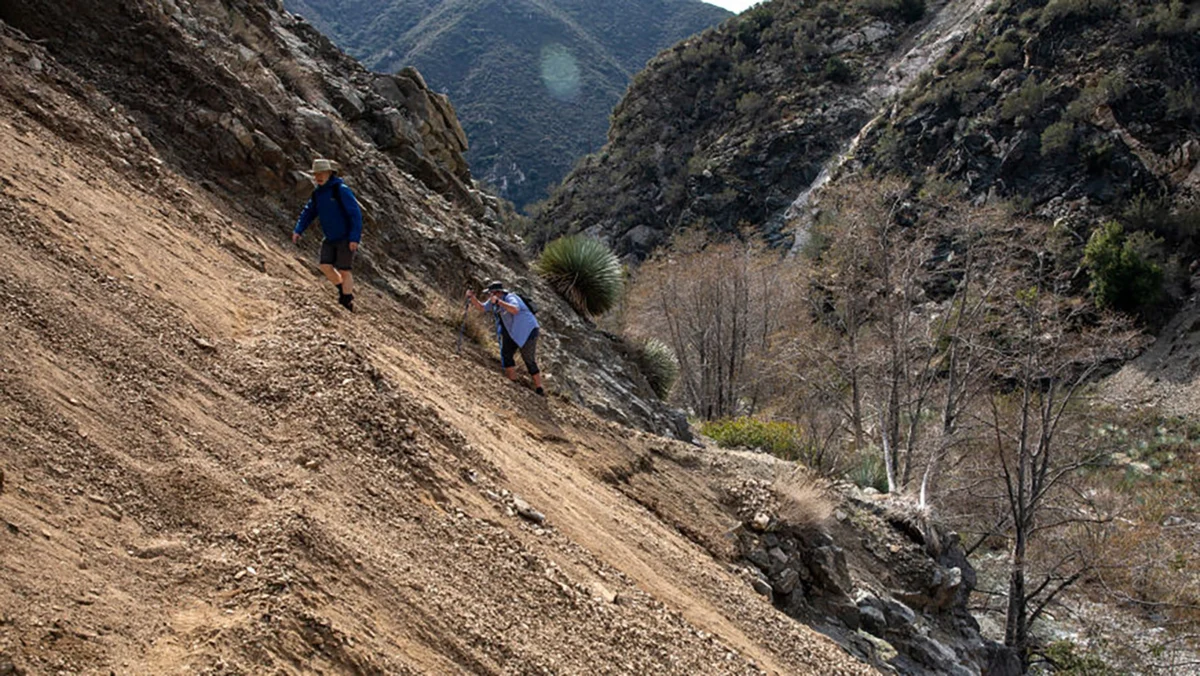
A tragic accident on the Mount Wilson Trail near Los Angeles has claimed the life of an experienced hiker, prompting local search and rescue officials to issue a stern reminder regarding the inherent dangers of the San Gabriel Mountains. While experts maintain that the trail remains safe for those who are properly prepared, the incident highlights a growing concern over the "illusion of safety" that many visitors feel due to the trail’s proximity to one of the world’s largest metropolitan areas. The Sierra Madre Search and Rescue (SMSR) team, which spearheaded the recovery effort, has emphasized that even well-traveled routes can present high-consequence risks, particularly following recent environmental shifts in the region.
The fatal incident occurred on the afternoon of May 2, 2026. According to official reports from SMSR, a distress call was received shortly before 2:00 P.M. regarding a male hiker who had lost his footing on a particularly steep and loose section of the Mount Wilson Trail. The hiker, later identified by the Los Angeles County Medical Examiner as 66-year-old John McIntyre, reportedly tumbled approximately 30 feet into a rocky ravine. Despite the rapid deployment of volunteer rescue crews, McIntyre was pronounced dead at the scene. The medical examiner’s report subsequently confirmed that the cause of death was blunt force trauma sustained during the fall.
The Mount Wilson Trail is a historic and popular route that ascends roughly 7.5 miles from the trailhead in Sierra Madre to the 5,710-foot summit of Mount Wilson. With an elevation gain of nearly 5,000 feet, it is considered a strenuous trek. The summit is globally recognized as the home of the Mount Wilson Observatory, which houses two of the world’s most significant historical telescopes. Because of this destination and the trail’s accessibility, it attracts thousands of hikers annually, ranging from elite trail runners to casual weekend visitors.
Chronology of the Incident and Emergency Response
The events of May 2 began as a typical Saturday on the mountain, with high visibility and moderate temperatures. At approximately 1:50 P.M., witnesses reported seeing a hiker slip on a section of the trail characterized by "scree"—loose, weathered rock fragments—and steep exposure. The Sierra Madre Search and Rescue team was dispatched immediately. Given the rugged terrain, the response required specialized equipment and personnel trained in technical rope recoveries.
Rescuers reached McIntyre’s location within an hour of the initial call, a timeframe that officials noted is relatively fast for mountain operations but was unfortunately not enough to change the outcome. "Even though we are in Los Angeles and we have a lot of resources, people don’t realize that these rescues take time," said Rob Klusman, senior operations leader for SMSR. "It’s not like calling the fire department and having them arrive at your house in five minutes. Reaching a victim in a ravine involves navigating the same treacherous terrain that caused the accident in the first place."
Following the recovery of the body, the trail remained partially restricted as investigators documented the site. The incident quickly garnered national attention, specifically focusing on a section of the trail equipped with a "fixed rope." Early media reports from outlets like SFGate and KTLA suggested that the rope might imply a technical climbing route. However, SMSR officials clarified that the 20-foot length of rope is intended more as a "handrail" for balance on a narrow ledge rather than a piece of load-bearing climbing equipment.
Environmental Factors and the Impact of the Eaton Fire
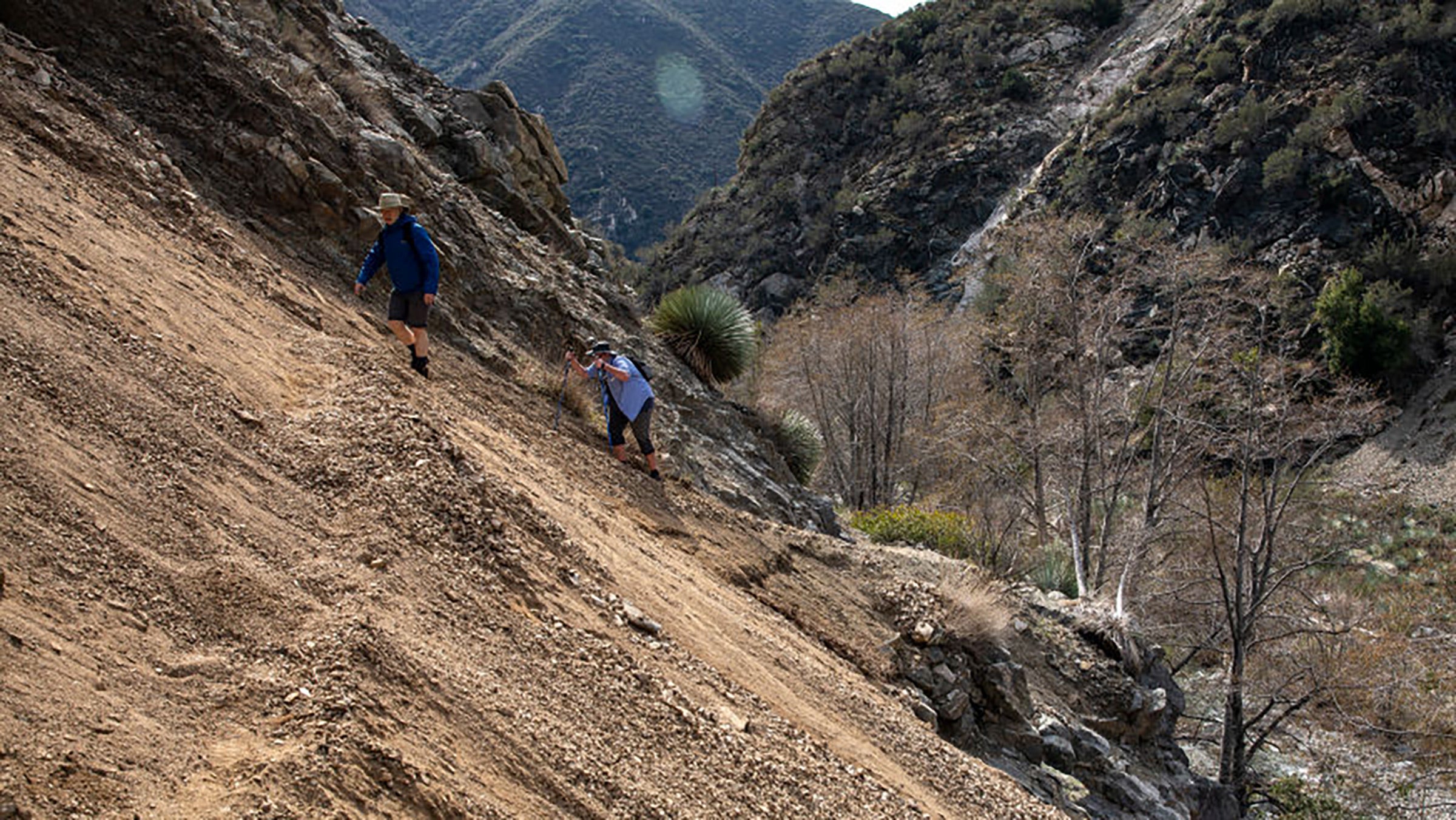
While the Mount Wilson Trail has been a staple of Southern California hiking for over a century, recent environmental events have significantly altered its stability. In January 2025, the Eaton Fire swept through the San Gabriel Mountains, scorching much of the vegetation that typically holds the mountainside’s loose soil and "decomposing granite" in place. The fire led to a year-long closure of the trail as authorities assessed the risk of mudslides and rockfalls.
The trail only reopened in late February 2026, just months before McIntyre’s fatal fall. Experts note that post-fire landscapes are notoriously unstable. Without the root systems of shrubs and trees to bind the earth, the trail surface becomes more prone to "sloughing off." Klusman, a 30-year veteran of search and rescue operations, noted that approximately 75 to 80 percent of the Mount Wilson Trail is now "exposed," meaning a single slip could result in a fall down a steep mountainside with little to stop a hiker’s momentum.
"The Mount Wilson Trail has the same natural risks and hazards that exist on any trail in our mountains," Klusman explained. "But the fire has made the ground looser and the consequences of a slip much higher. It is a beautiful route, but it demands constant focus."
Data and Trends in San Gabriel Mountain Rescues
The San Gabriel Mountains are among the most dangerous ranges in the United States, not necessarily due to their height, but because of their proximity to a population of 10 million people. Data from the Los Angeles County Sheriff’s Department and various volunteer SAR teams indicate that the region sees hundreds of rescue activations annually.
Statistically, the majority of rescues in the Mount Wilson area are attributed to:
- Heat Exhaustion and Dehydration: The inland canyons often experience temperatures 10 to 15 degrees higher than the coastal plains.
- Inadequate Equipment: Hikers often attempt the 14-mile round trip with insufficient water or in footwear ill-suited for loose rock.
- Navigation Errors: Despite being well-marked, the various spurs and old fire roads can confuse hikers, especially as night falls.
- Slips and Falls: While fatal falls like McIntyre’s represent a small percentage of total calls, they remain the most severe category of mountain accidents.
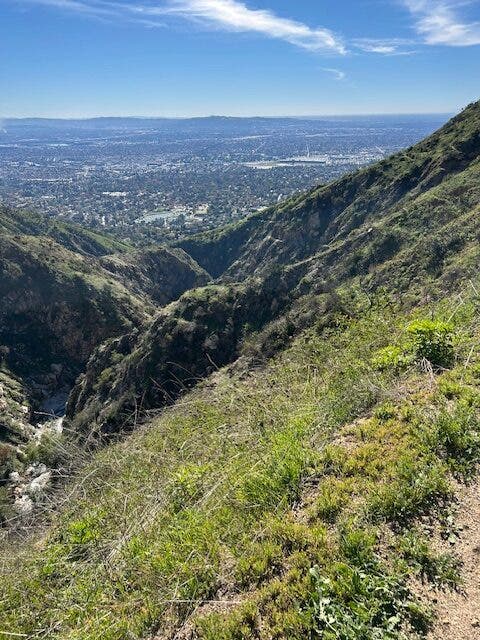
Klusman pointed out that the "urban-proximate" nature of the San Gabriels creates a psychological trap. "You can look down the hill and see the skyscrapers of downtown Los Angeles," he said. "That view gives people a false sense of security. They feel like they are still in the city, but in reality, they are in a wilderness area where cell service is spotty and the terrain is unforgiving."
Safety Recommendations and Risk Mitigation
In the wake of the May 2 tragedy, search and rescue officials are urging the public to adopt more rigorous safety protocols. The "Ten Essentials"—a list of survival items including navigation tools, sun protection, insulation, illumination, first aid, fire starters, repair kits, nutrition, hydration, and emergency shelter—are frequently overlooked by local hikers.
Beyond the basics, SMSR recommends several specific measures for the Mount Wilson Trail:
- Satellite Communication: Because cell service is nonexistent in many canyons, devices such as a Garmin inReach or an iPhone with satellite SOS capabilities are crucial. These devices allow rescuers to pinpoint a victim’s exact GPS coordinates, significantly reducing response times.
- Trekking Poles: These provide "four points of contact" on loose terrain, offering much-needed stability on the steep, "ball-bearing" like gravel common in the San Gabriels.
- Proper Timing: Many hikers start their ascent too late in the day. "Traversing this terrain in the dark dramatically increases your risk," Klusman warned, noting that many falls occur when hikers are fatigued and rushing to descend before sunset.
- Footwear: High-traction hiking boots or trail runners with aggressive outsoles are necessary to navigate the decomposed granite.
Broader Implications for Trail Management and Public Policy
The death of John McIntyre has sparked a broader conversation about trail maintenance and the responsibility of land management agencies. Some local hiking groups have called for more permanent safety structures, such as metal handrails or improved switchbacks. However, conservationists and SAR experts often argue against "sanitizing" the wilderness, suggesting that such additions can encourage inexperienced hikers to venture into areas beyond their skill level.
Furthermore, the role of volunteer groups like the Sierra Madre Search and Rescue team is coming under the spotlight. These organizations rely on donations and selfless volunteers who often risk their own lives to save others. The increasing frequency of rescues—driven by the post-pandemic surge in outdoor recreation—is putting a strain on these resources.
Officials also addressed the "ghost rescue" phenomenon, where hikers call for help but manage to find their way out without notifying authorities. "If you call us but then get yourself out, please let us know," Klusman urged. "We don’t want teams searching the mountain at 2:00 A.M. for someone who is already home watching television."
As the summer hiking season approaches, the message from the Sierra Madre Search and Rescue is clear: the mountains do not offer a margin for error. The Mount Wilson Trail is a treasure of the Los Angeles landscape, offering unparalleled views and a rigorous physical challenge. However, as the recent tragedy proves, it is a place where the line between a successful summit and a fatal accident is often as thin as a single misplaced step on loose gravel. Hikers are encouraged to respect the terrain, prepare for the worst-case scenario, and never underestimate the power of the natural world, no matter how close the city lights may seem.




 Chandra Hamzah
 Tatiana Tantri Indah Sari
 Budi Mulyono
 Lukman Taruna Persada Ramadan