
 Anjar Salim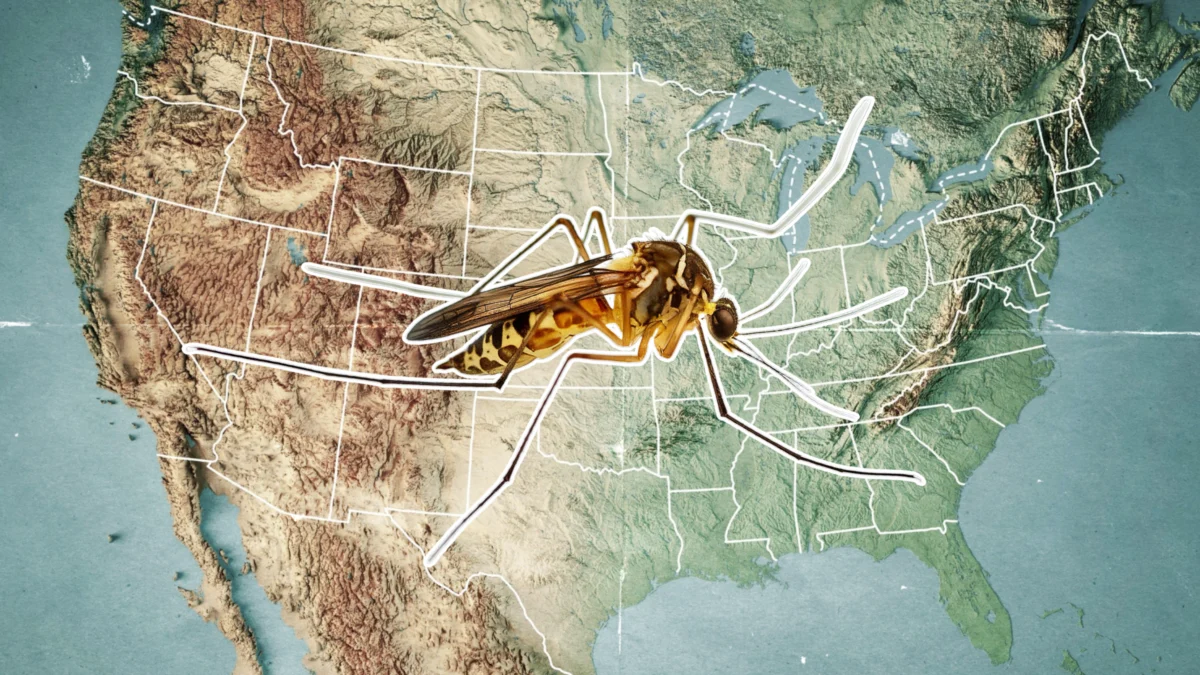
As the United States transitions into the late spring of 2026, the resurgence of warmer temperatures and longer daylight hours has revitalized the nation’s outdoor recreation sector. From the rugged trails of the Appalachian Mountains to the serene waterways of the Gulf Coast, millions of Americans are engaging in seasonal staples such as kayaking, hiking, and cycling. However, public health officials and entomologists are issuing early warnings as a combination of high humidity, rising temperatures, and atypical storm patterns creates an optimal environment for mosquito populations to surge.
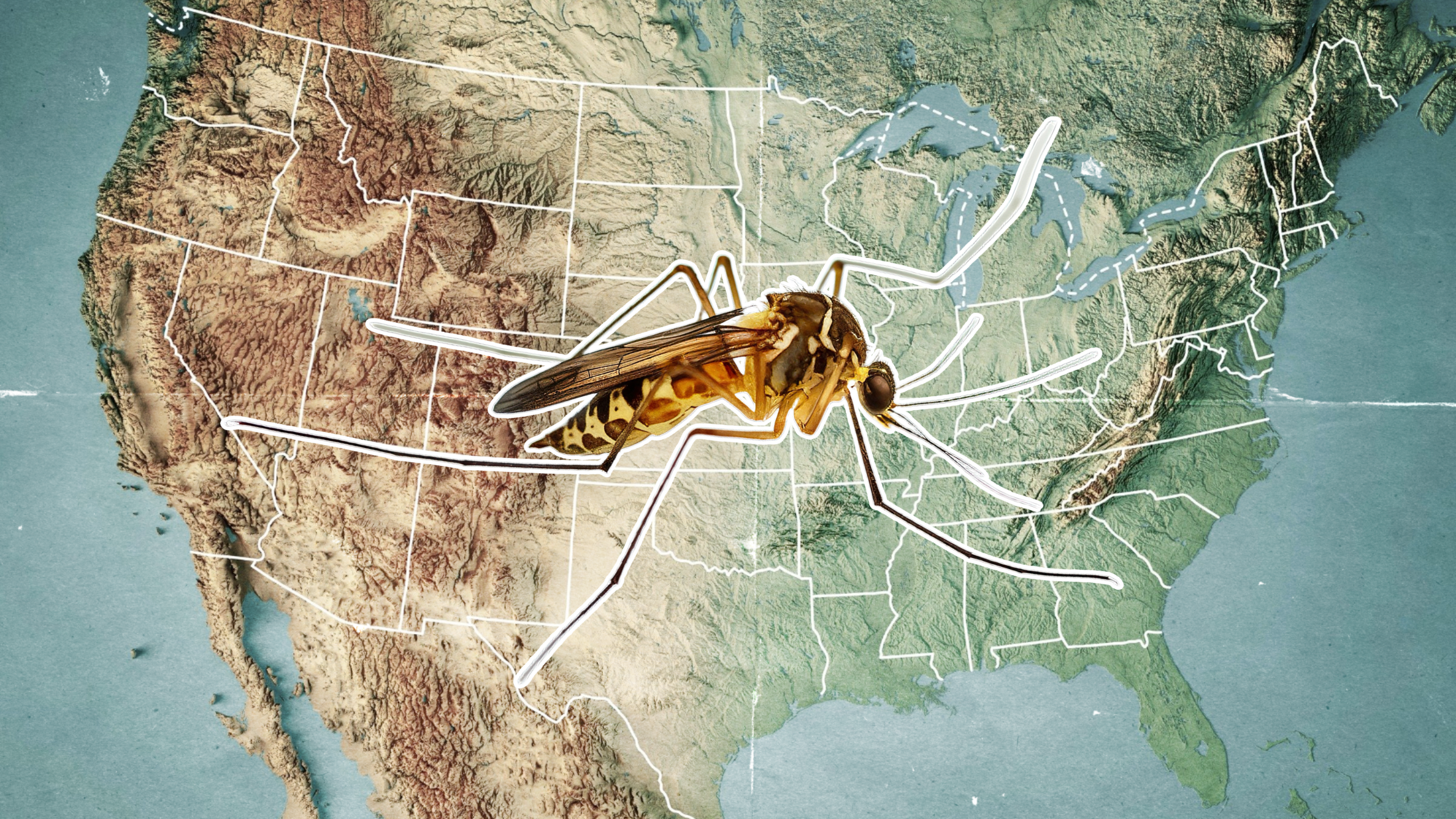
While mosquitoes are a ubiquitous presence across all 50 states, the 2026 season is shaped by unique meteorological phenomena that threaten to extend the traditional "bug season" well into the autumn months. Experts indicate that even regions typically characterized by cooler, drier climates are not immune this year, as shifting weather patterns alter the traditional boundaries of insect habitats.
The El Niño Influence and Climate Trajectory
The primary driver for the projected increase in mosquito activity this year is the lingering influence of the El Niño system. According to Dr. Sadie Ryan, a professor of medical geography at the University of Florida’s Emerging Pathogens Institute, this system has brought a significant increase in rainfall and localized flooding to the Southeastern United States. These conditions provide the stagnant water necessary for rapid mosquito breeding cycles.
"As climate change pushes northward in the U.S., warming temperatures and unpredictable weather events will continue to extend mosquito season in other states," Dr. Ryan noted. This geographical shift is particularly concerning regarding species such as Aedes and Culex. These specific genera are the primary vectors for the transmission of the Dengue virus and West Nile virus, respectively. The warming trend effectively expands the "window of transmission" for these diseases, allowing mosquito populations to remain active for longer periods in northern latitudes that historically saw a sharp decline in activity by late August.
Public Health Context: Nuisance vs. Vector Species
Despite the looming threat of increased populations, entomologists urge a balanced perspective on the risks involved. Of the approximately 200 species of mosquitoes currently identified within the continental United States and its territories, only about 12 types are capable of spreading germs that cause significant human illness.
Dr. Casey Crockett, a research entomologist at the Centers for Disease Control and Prevention’s (CDC) Division of Vector-Borne Diseases, emphasizes that the majority of encounters this summer will involve "nuisance mosquitoes." These species, while prone to causing uncomfortable welts and persistent itching, do not carry the pathogens associated with serious systemic diseases.
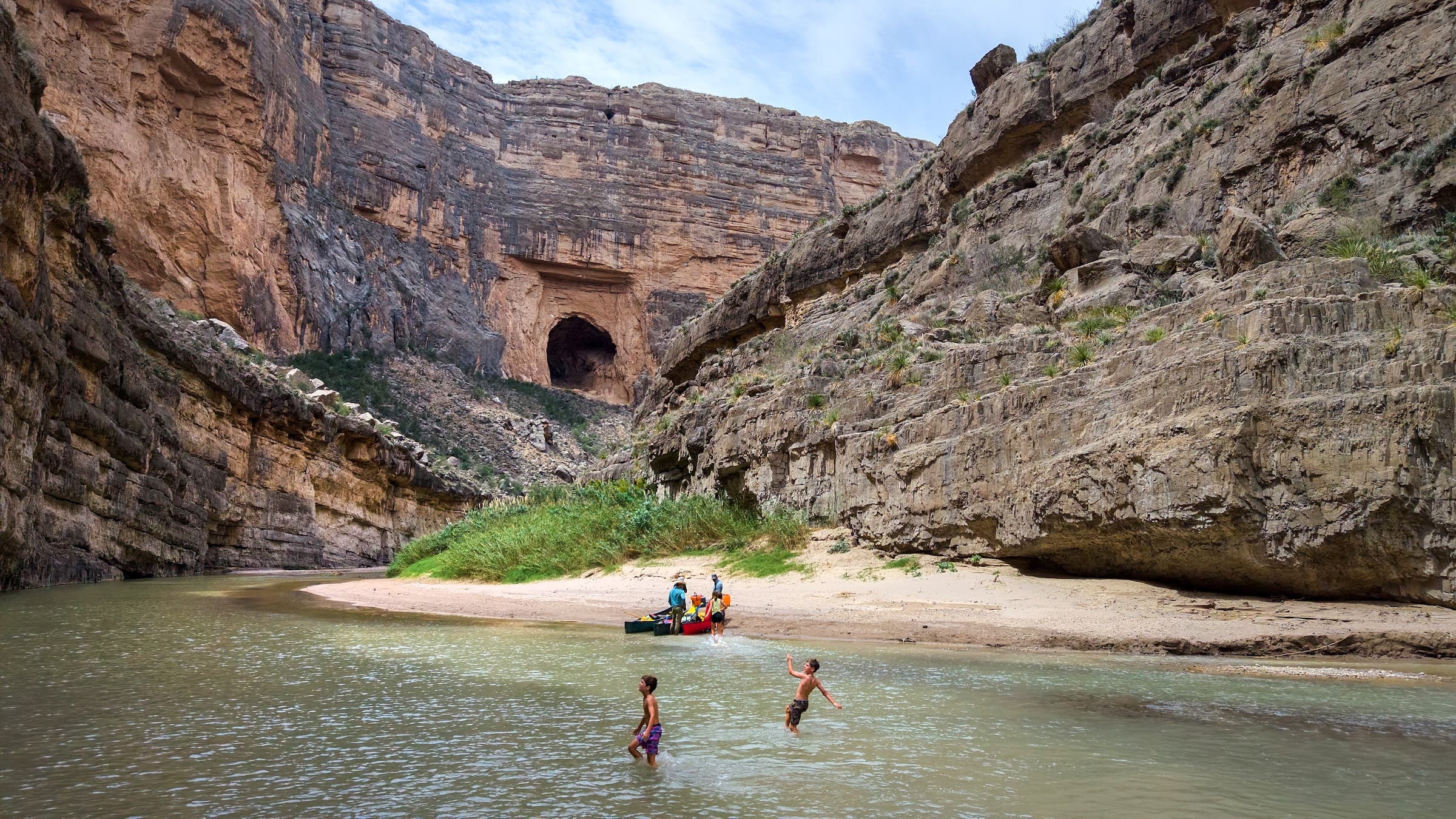
Dr. Ryan further clarifies that location often dictates the level of risk. "Mosquitoes in dense forest areas—particularly moist forests in warmer temperatures—or around the shores of your favorite lake or reservoir are more likely to be nuisance mosquitoes," she explains. Conversely, urban environments with poor drainage systems often harbor the species more likely to carry human pathogens.
Regional Hotspots: The 10 States with the Highest Risk in 2026
Based on historical data, current rainfall projections, and ecological monitoring, ten states have been identified as the most likely to experience severe mosquito infestations this year. Each region presents unique challenges for outdoor enthusiasts.
1. Texas: A Continental Leader in Biodiversity
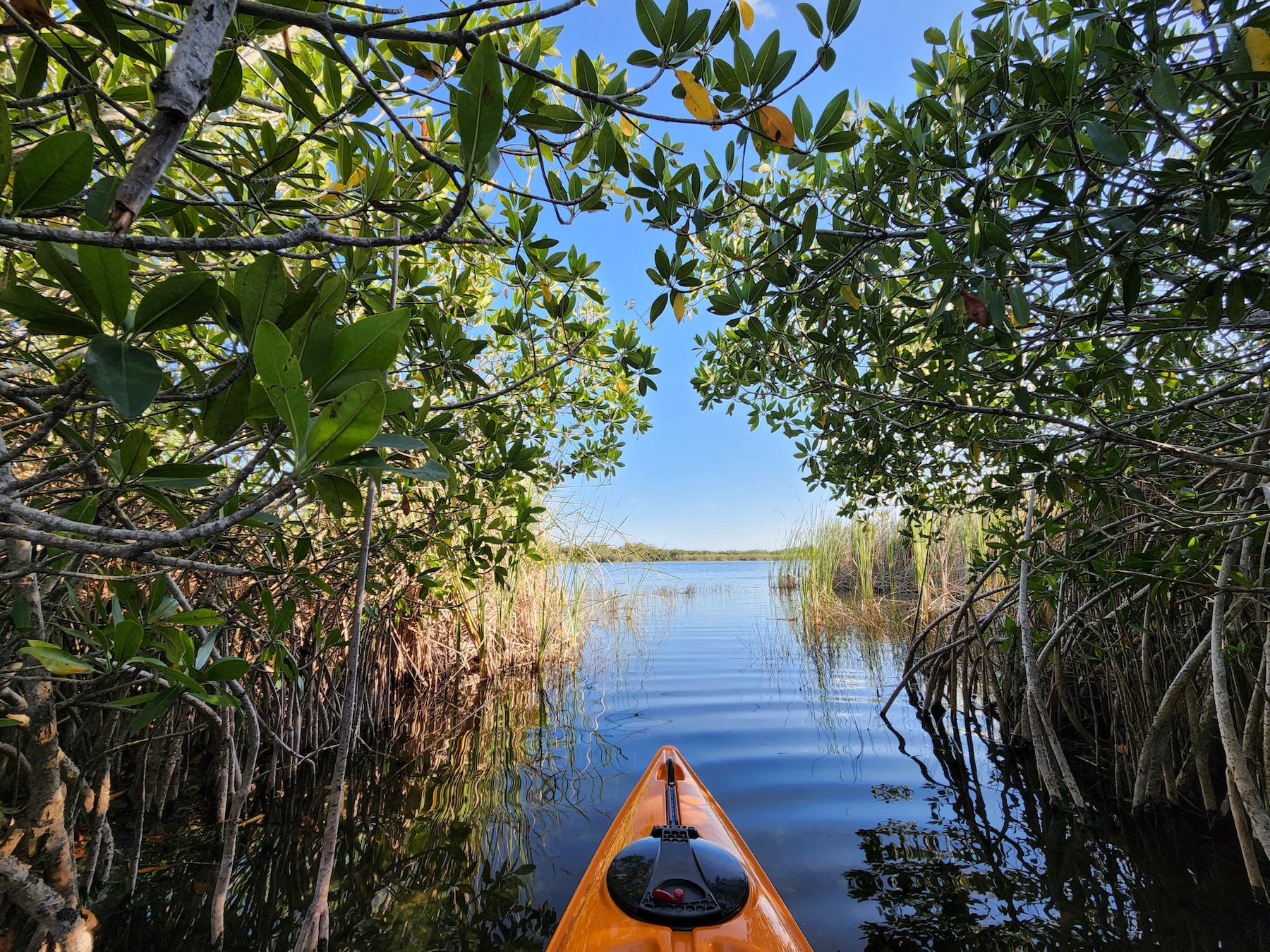
Texas currently leads the nation with more than 85 documented species of mosquitoes. The state’s vast geography, ranging from the humid woodlands of East Texas to the coastal plains, provides diverse breeding grounds. Houston’s high annual rainfall remains a primary concern for residents utilizing green spaces like Buffalo Bayou Park. In Central Texas, the popular Lady Bird Lake in Austin serves as a hub for both cyclists on the 10-mile Butler Hike-and-Bike Trail and mosquito larvae. The peak season here extends from March through September, requiring strict adherence to repellent protocols during dusk.
2. Florida: The Subtropical Epicenter
Florida’s year-round warmth and 1,350 miles of coastline sustain approximately 80 mosquito species. The state’s vulnerability to tropical storms and hurricanes creates a cycle of flooding that leads to population explosions. In the Everglades, the lack of wind in sawgrass marshes makes dawn and dusk particularly hazardous for paddlers. Experts recommend treating outdoor gear with permethrin, a synthetic insecticide, to provide a secondary layer of protection beyond topical sprays.
3. New York: Threats in the Hardwood Forests
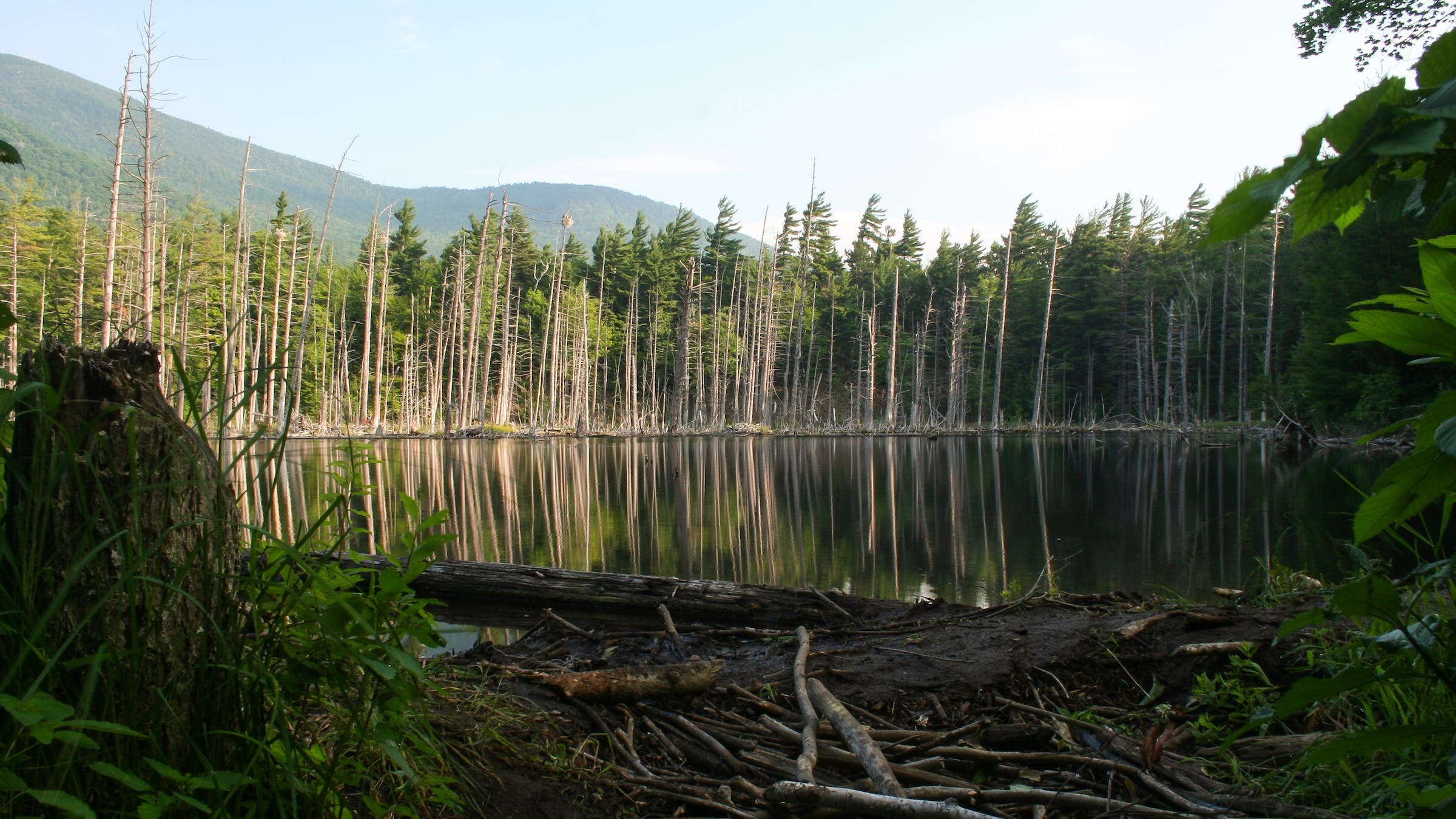
New York’s 70 mosquito species are most active between May and September. While the state offers world-class hiking in Allegany State Park and beach activities on Long Island, its hardwood forests and coastal marshes are fertile breeding grounds. A specific concern in the Cicero Swamp Wildlife Management Area is the presence of Eastern Equine Encephalitis (EEE), a rare but serious virus. Hikers in the Adirondacks are advised to avoid camping near stagnant bogs or beaver ponds, which serve as primary breeding sites.
4. Louisiana: The Bayou Challenge
With a subtropical climate and nearly 3,000 miles of navigable waterways, Louisiana faces a mosquito season that rivals the longest in the country. The Atchafalaya Basin, the largest river swamp in the U.S., requires heavy repellent use for any paddling excursions. The state’s average of 60 inches of rainfall annually ensures that stagnant water remains a constant throughout the peak months of March to September.
5. Georgia: From Mountains to Salt Marshes
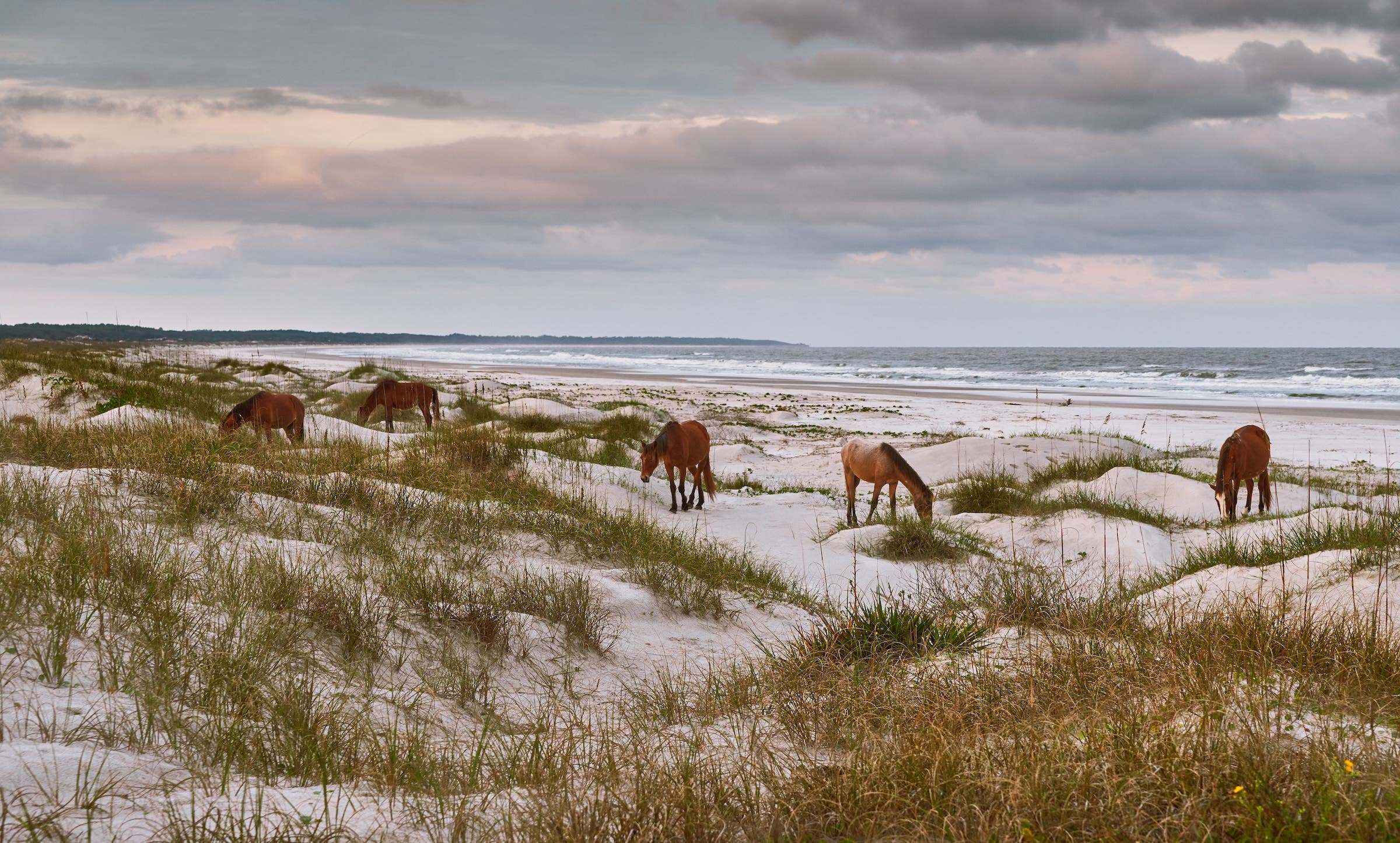
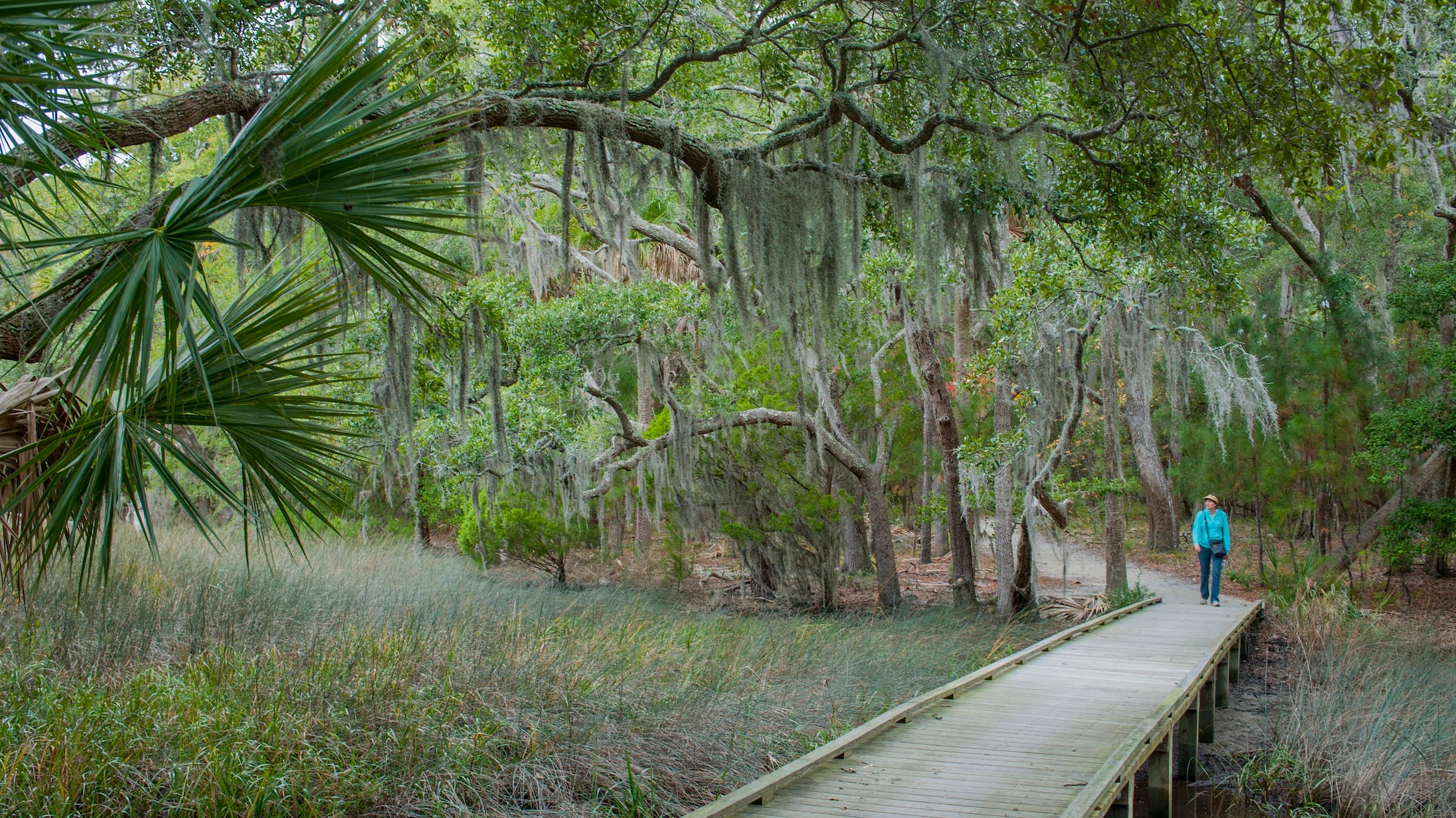
Georgia’s 63 mosquito species thrive in both the wooded northern mountains and the low-lying southern coast. The state’s extensive salt marshes, which account for nearly a third of the East Coast’s total, are particularly active. Hikers summiting Blood Mountain or visitors spotting wild horses on Cumberland Island National Seashore are encouraged to wear long sleeves to mitigate the risk of bites in shaded, humid areas.
6. South Carolina: Lowcountry Humidity
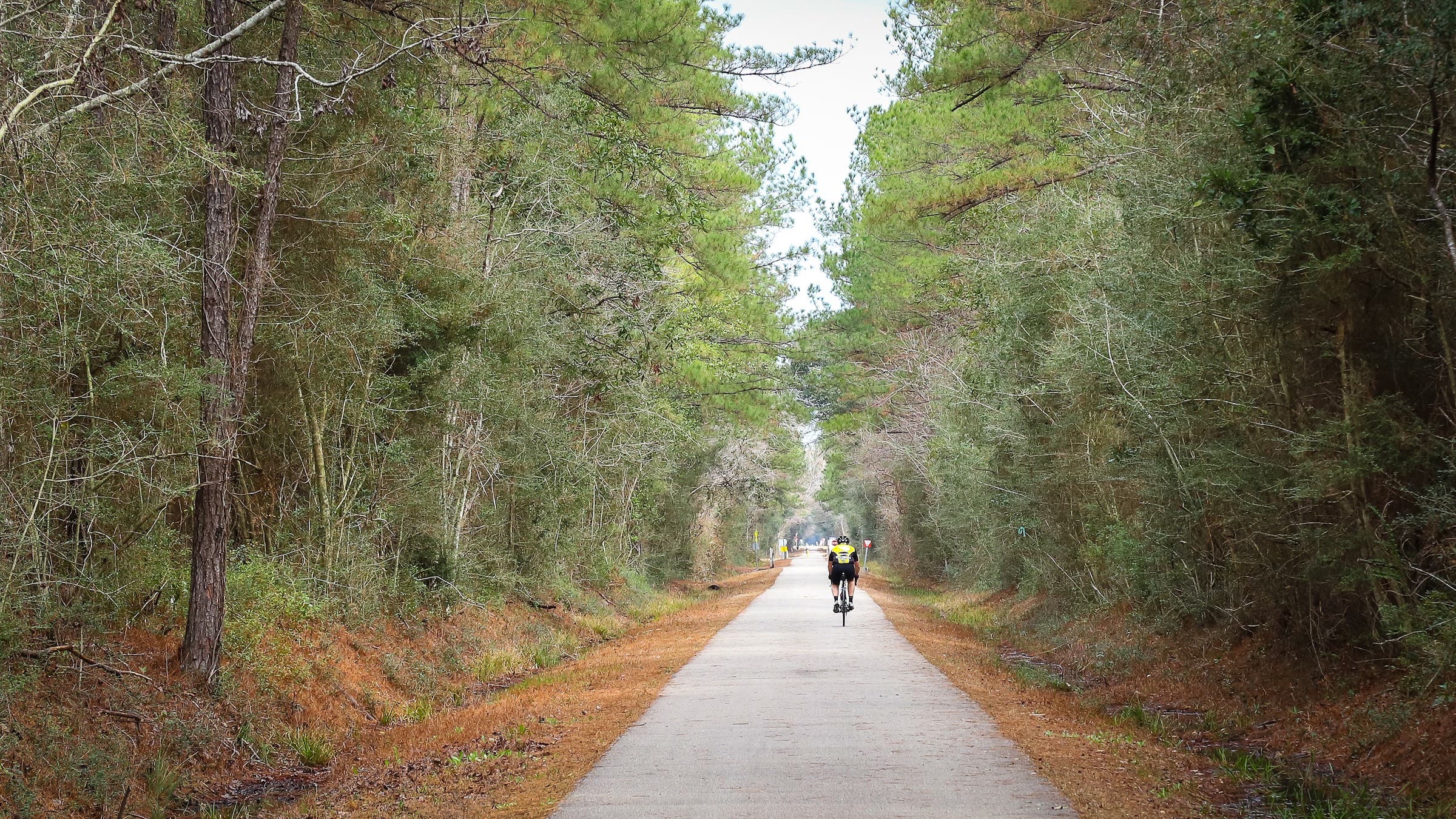
The Lowcountry of South Carolina, characterized by blackwater rivers and vast salt marshes, creates a perfect storm for mosquito breeding. Frequent tropical storms from mid-summer into fall often lead to spikes in activity. On barrier islands like Folly Beach, the ocean breeze provides some relief, but the marshes located behind these islands remain high-risk zones.
7. Alabama: The Appalachian Foothills and Gulf Coast
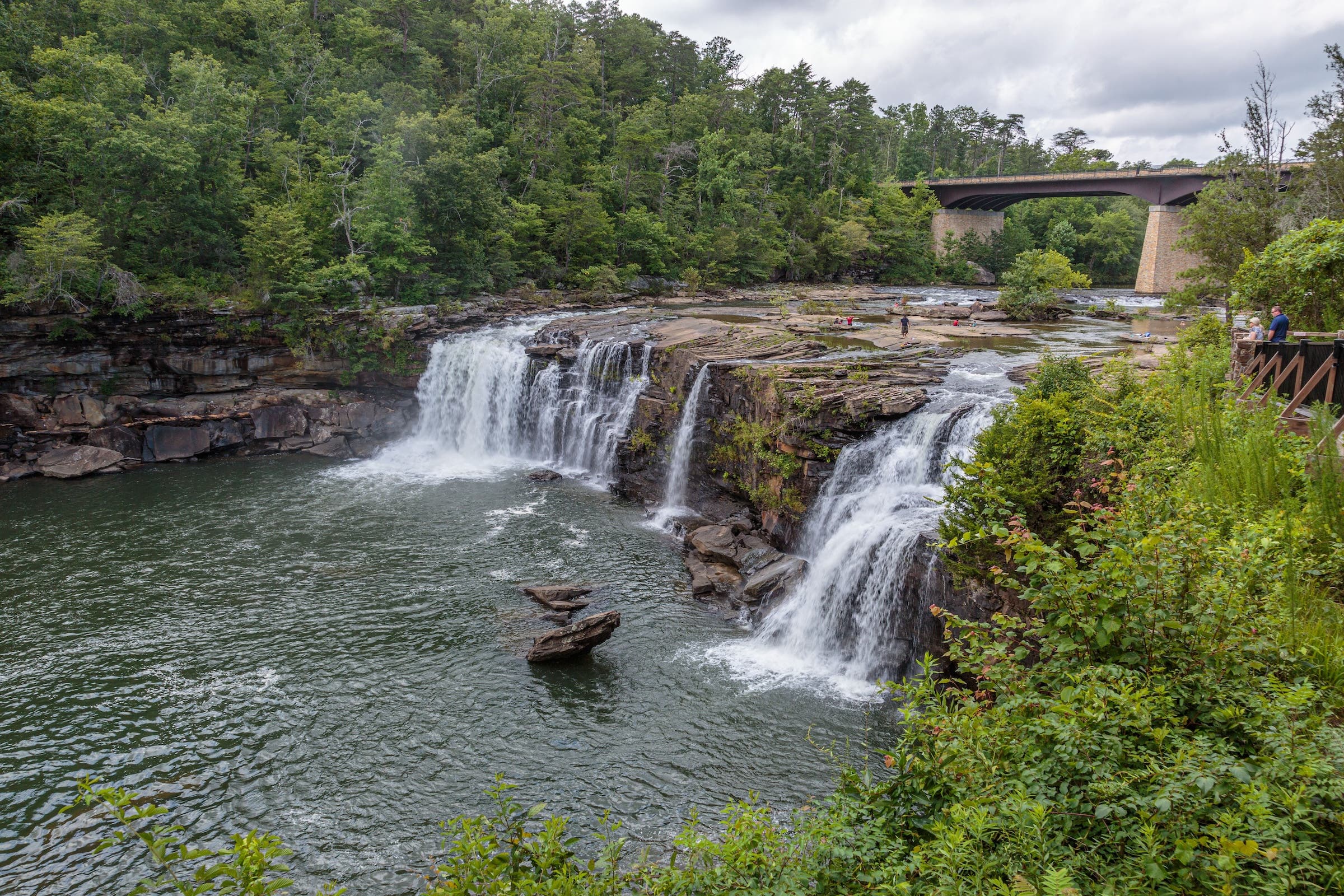
Alabama’s 21 state parks and the Little River Canyon National Preserve are increasingly popular outdoor destinations. However, the state’s 60 species of mosquitoes are highly active from March to September. Health officials recommend that campers choose elevated sites over riverside locations to avoid the densest swarms, which congregate near slow-moving water.
8. North Carolina: Geographic Diversity and Risk
From the Appalachian Trail to the Outer Banks, North Carolina’s 60 mosquito species are active from April to September. While the high-altitude summits offer some reprieve, the humid subtropical climate of the Piedmont and Coastal Plain regions supports large populations. Hurricane season, peaking in late summer, often exacerbates the problem by creating new, temporary breeding pools.
9. Kentucky: The Cumberland Plateau
Kentucky’s sandstone cliffs and the Land Between the Lakes National Recreation Area draw thousands of climbers and backpackers annually. The state’s 60 mosquito species are particularly problematic in the hollows of the Cumberland Plateau, where the forest canopy traps heat and humidity. Early morning activity is recommended to avoid the peak humidity of the afternoon and evening.
10. Michigan: The Great Lakes and Boreal Wetlands
Michigan’s 103 state parks and extensive freshwater coastline make it a premier summer destination, but the state’s boreal wetlands are notorious for bug activity. Mosquitoes emerge with the snowmelt in May, followed closely by black flies. In the Upper Peninsula, particularly in the Porcupine Mountains, a fine-mesh head net is often considered a standard piece of equipment for hikers.
Prevention Strategies and Official Recommendations
To combat the rise in mosquito-borne risks, the CDC and local health departments have released a series of standardized prevention protocols. These strategies are divided into personal protection and environmental management.
Personal Protection:
- EPA-Registered Repellents: Use products containing DEET, picaridin, IR3535, oil of lemon eucalyptus (OLE), para-menthane-diol (PMD), or 2-undecanone.
- Protective Clothing: Wear long-sleeved shirts and long pants. In high-density areas, tucking pants into socks is recommended to prevent mosquitoes from reaching the skin.
- Gear Treatment: Treat clothing, boots, and camping gear with 0.5% permethrin. This treatment remains effective through multiple washings and provides a significant deterrent.
Environmental Management:
- Eliminate Standing Water: Regularly empty planters, buckets, birdbaths, and pool covers. Mosquitoes can breed in as little as a teaspoon of water.
- Structural Barriers: Ensure that window and door screens are in good repair to prevent insects from entering indoor living spaces.
- Campsite Selection: When possible, choose campsites on higher ground or in areas with consistent wind flow, which naturally disrupts mosquito flight patterns.
Broader Implications and Economic Impact
The 2026 mosquito season carries implications beyond personal comfort. The outdoor recreation industry, which contributes significantly to the U.S. economy, often sees shifts in consumer behavior based on pest prevalence. States like Michigan and Florida, where tourism is heavily tied to water activities, may see a surge in the sale of specialized insect-shield apparel and high-performance repellents.
Furthermore, the northward migration of vector species poses a long-term challenge for public health infrastructure in states like New York and Michigan. These regions are now being forced to implement more robust mosquito surveillance programs, similar to those long established in the Deep South.
As the summer progresses, the CDC will continue to monitor "sentinel" populations—animal populations used to detect the presence of viruses before they reach humans. This data will be crucial for local governments to determine when and where to implement aerial spraying or other large-scale mitigation efforts. For now, the message to the American public remains clear: enjoy the outdoors, but remain vigilant and prepared for a historically active mosquito season.




 Budi Mulyono
 Chandra Hamzah
 Tatiana Tantri Indah Sari

 Lukman Taruna Persada Ramadan