
 Walid Sujud Trenggono
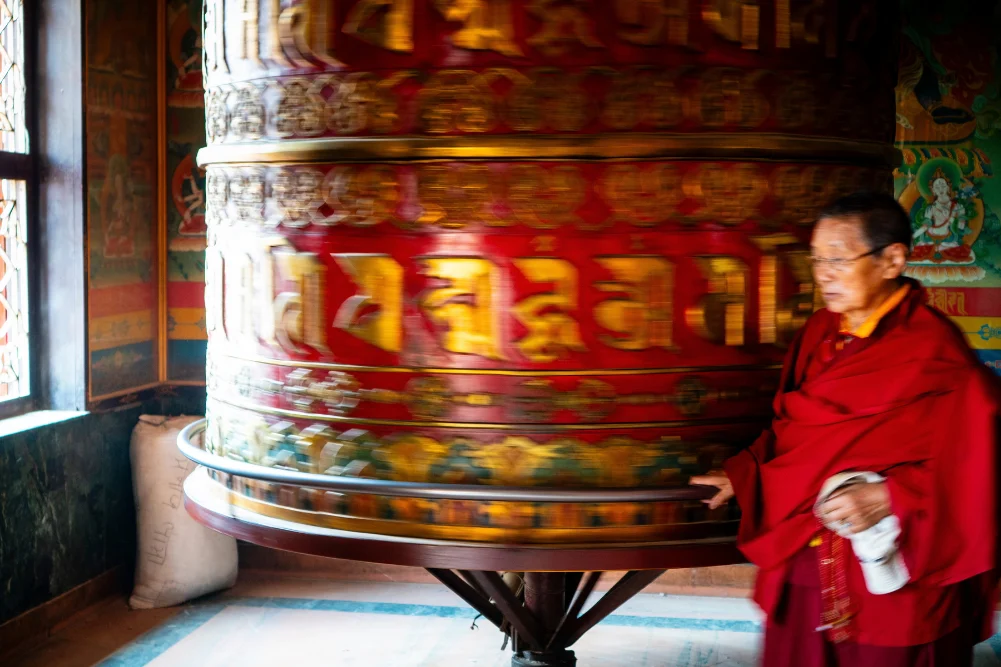
The ancient city of Kathmandu, deeply rooted in centuries of royal design and spiritual devotion, has emerged as a prominent destination for holistic wellness, seamlessly blending its rich historical heritage with contemporary mindfulness practices. Stepping into the Nepalese capital during the vibrant Tihar festival—the five-day Hindu Festival of Lights—visitors are immediately greeted by a landscape bathed in candlelight. Doorsteps across houses, shops, and hotels are adorned with intricate mandalas crafted from vibrant colored sands, symbolizing the sacred geometric traditions that unite the community. This seasonal celebration marks a period when locals believe Laxmi, the Goddess of Wealth, flows through the city streets to bless family fortunes, filling the metropolitan atmosphere with palpable karmic energy and communal goodwill.
Historical Blueprint and Chronology of a Sacred City
Beyond its immediate festive charm, Kathmandu’s architectural and spiritual layout carries a profound historical significance largely unknown to external travelers. Designed in the late 900s by King Gunakamadeva, the city breaks away from conventional grid systems. Instead, it was meticulously mapped in the shape of Chandrahrasa, the celestial sword of Manjushri. Eight perimeter gates were established to guard the city, each dedicated to an indwelling goddess.
Over subsequent centuries, a succession of Malla kings expanded upon this foundational blueprint, erecting the palaces, intricate pagodas, and sprawling Durbar squares that eventually earned UNESCO World Heritage status. According to cultural historians, these eight sacred gates continue to serve as the energetic anchors of the city. The deliberate integration of urban planning with religious iconography established a precedent where daily municipal life and spiritual devotion remain inextricably linked.
Chronology of the Wellness Journey: From Himalayan Slopes to Urban Sanctuaries
The transition from high-altitude trekking to urban contemplation represents a unique trajectory for travelers visiting Nepal. Typically renowned globally as a basecamp for mountaineering expeditions in the Himalayan foothills of Mount Everest—known as Chomolungma to Tibetan communities—Kathmandu offers a counterbalancing serenity for those descending from strenuous physical journeys.
Upon returning from multi-week treks, travelers frequently seek environments to maintain the psychological calm cultivated in the mountains. Navigating a bustling city can initially prove incongruous with this newfound inner peace, yet Kathmandu’s layered infrastructure provides distinct avenues for holistic recovery. This recovery process typically follows a structured chronological immersion:
- Dawn Ascents: Early morning climbs to foundational religious sites such as Swayambhunath, located three kilometers from the central tourist district of Thamel.
- Elevated Practice: Mid-day transition into vertical wellness spaces, such as the seventh-floor yoga halls overlooking the city.
- Cultural Integration: Afternoon museum engagements, including private tours of the Museum of Nepali Art (MoNA) and historical archives at Patan Durbar Square.
- Culinary Healing: Evening explorations of regional gastronomy rooted in traditional medicine and multi-ethnic culinary arts.
Architectural and Religious Harmony at Swayambhunath
Rising above the morning mist, the ascent to Swayambhunath—widely known as the "Monkey Temple" due to its resident population of rhesus macaques—highlights the unique syncretism of Nepalese religion. Crowned by a grand Buddhist stupa yet heavily studded with Hindu shrines and statues, the hilltop complex demonstrates a harmonious coexistence between Buddhism and Hinduism that frequently fascinates visiting scholars.
Statistical metrics regarding tourist foot traffic indicate that Swayambhunath remains one of the most visited pilgrimage and heritage sites in the nation. Visitors ascending the hundreds of steep stone steps join a continuous flow of devotees performing pujas for life milestones, including university graduations, marriages, and newborn health. While the site functions primarily as a place of active worship, it also presents a vibrant ecosystem where urban wildlife interacts closely with human pilgrims, creating an atmosphere of dynamic communal engagement.
Vertical Wellness and Mindful Movement in Thamel
In the heart of Thamel, commercial bustle gives way to structured wellness initiatives within established hospitality centers. Notably, the Kathmandu Guest House has integrated holistic health directly into its urban architecture by housing a dedicated yoga and sound-healing facility on its seventh floor. Instructors point out the symbolic parallel between this elevation and the seventh Sahasrara chakra, utilizing the space to conduct daily hatha, ashtanga, and hatha vinyasa sessions alongside Tibetan singing bowl sound baths (Dhyana).
Renowned yoga guides operating within these urban spaces emphasize that contemporary wellness in Kathmandu is less about physical perfection in postures and more about internal connectivity and breath awareness. According to local practitioners, the city functions as an interconnected ecosystem where guidance is not restricted to formal gurus, but manifests dynamically through everyday human interactions, environmental encounters, and situational mindfulness.
Institutional Preservation and the Art of Meditation
The intersection of physical wellness, historical preservation, and artistic contemplation is further demonstrated through institutional initiatives like the Museum of Nepali Art (MoNA), located within the cultural district. Institutional directors note that engaging with historical art functions as an active form of meditation. Housed alongside heritage sites like the Patan Museum—which occupies a restored palace dating back to 1734 and houses approximately 1,100 rare religious artifacts—these cultural repositories safeguard centuries of spiritual expression.
The broader implications of these preservation efforts highlight how Kathmandu’s recurring recovery from natural disasters, including major seismic events, has reinforced its cultural resilience. The meticulous restoration of structures such as the Tusha Hiti sunken baths and the terracotta Mahabouddha temple—adorned with thousands of engraved images of the Lord Buddha—underscores a national commitment to maintaining ancestral heritage as a pillar of modern psychological and physical health.
Gastronomic Heritage as Traditional Medicine
Culinary arts form an essential component of Kathmandu’s holistic profile, serving as a medium for cultural transmission and physical nourishment. Culinary experts and local curators emphasize that understanding Nepal requires engaging with its diverse regional cuisines, which draw distinct influences from neighboring India and Tibet.
A curated traditional dining experience typically encompasses a multi-course menu representing various ethnic groups and geographic micro-climates:
- Sisnu Ko Jhol: An earthy soup derived from Himalayan nettle, recognized for its traditional cleansing properties.
- Thakali Platters: Originating from mountainous Mustang, featuring lentil dhal, curries, organic salads, and specialized Mustang potatoes.
- Newa Samay: A savory Newari preparation accompanied by black-eyed beans, reflecting indigenous valley traditions.
- Andha Chwohi: A delicate steamed egg custard native to Patan.
- Shikarni: A silky cardamom-infused yogurt dessert originating from Bhaktapur.
Food historians and nutritional analysts note that these traditional formulations were originally designed not only for sustenance but as functional medicine tailored to high-altitude living and seasonal shifts. For travelers transitioning from basic trekking diets, these nutrient-dense, regionally diverse dishes provide comprehensive physical replenishment.
Broader Impact and Implications for Sustainable Tourism
The evolution of Kathmandu as a recognized center for spiritual and holistic wellness carries significant implications for Nepal’s broader tourism economy. Historically dependent on adventure and mountaineering tourism, the capital is successfully diversifying its appeal to attract wellness travelers seeking cultural immersion, mental health respite, and sustainable urban exploration.
Tourism data indicates that promoting cultural preservation alongside wellness infrastructure encourages longer visitor stays and a more decentralized distribution of economic benefits across local communities, artisans, and hospitality providers. By framing everyday acts—such as morning prayer ceremonies, artistic appreciation, and communal dining—as integral components of health, Kathmandu positions itself not merely as a transit hub for mountain climbers, but as a self-contained destination for holistic renewal.
Practical Information for Travelers
- Optimal Travel Seasons: To experience favorable weather while avoiding monsoon rains and harsh winter temperatures, experts recommend visiting during the spring months (March to May) or during the autumn window from October to November, which features clear skies and mild ambient conditions.
- Accessibility: International flights to Tribhuvan International Airport operate regularly from major global transit hubs including Kuala Lumpur, Singapore, and Bangkok, with regional connections facilitating access from all major Australian capital cities.
- Accommodations and Activities: A range of lodging options—from historic urban sanctuaries in Thamel to ecological cottages situated just outside the city limits—support immersive wellness itineraries. Daily yoga instruction, guided museum tours, and heritage site visits remain readily accessible to independent travelers seeking structured engagement with the city’s spiritual traditions.



 Gabriela Annisa

 Lukman Taruna Persada Ramadan

 Tatiana Tantri Indah Sari

 Anjar Salim


 Dwi Wanna
