
 Walid Sujud Trenggono
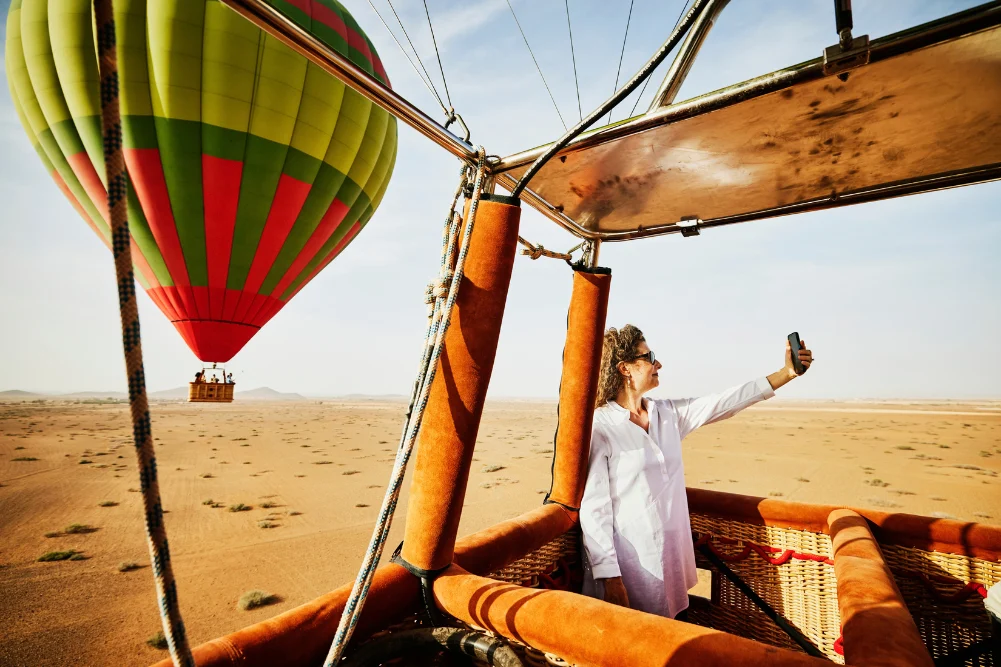
For a growing number of women over 45 years old, solo travel has become a vital mechanism for reclaiming personal time, cognitive headspace, and an identity that decades of caregiving and professional obligations have often obscured.
The global tourism landscape is currently undergoing a profound demographic and psychological shift. For generations, solo travel was largely framed as an intimidating endeavor reserved for the exceptionally adventurous or those newly unburdened by domestic responsibilities. In contemporary society, however, this phenomenon has evolved into a sophisticated pursuit of self-actualization. For women aged 45 and older, traveling independently is no longer driven by a desire to escape the realities of daily life; rather, it has transformed into an intentional exercise in self-discovery, autonomy, and personal reinvention.
This movement represents a fundamental departure from traditional tourism motivations. Rather than waiting for external circumstances to align—such as finding a travel companion or waiting for a specific milestone—modern midlife women are actively seizing control of their leisure time. Industry data underscores this trajectory: a comprehensive study conducted by JourneyWoman revealed that 61 percent of women over the age of 50 express a distinct preference for solo travel. Furthermore, market analysts project that this specific demographic sector will double in economic value by the year 2035, signaling a permanent restructuring of how travel products are designed, marketed, and consumed.
The Evolution of Midlife Transitions and Travel Motivations
Historically, midlife transitions—including empty nest syndromes, career culminations, divorces, and the loss of aging parents—were framed within psychological literature primarily as periods of profound loss or crisis. Today, however, an increasing number of women are reframing these pivotal life events as springboards for global exploration and personal autonomy.
Rather than responding to major life disruptions with domestic retreat, contemporary women are utilizing geographic movement to process change. Statistical tracking of travel bookings among women over 45 reveals a distinct correlation between life milestones and international itineraries. A formal dissolution of marriage frequently translates into a restorative, celebratory journey to historical regions of Italy. The passing of a parent often prompts a pilgrimage to a destination of sentimental family value. Similarly, retirement is no longer viewed as a period of physical or social contraction, but rather as the opening chapter of expansive, long-term global adventures.
These journeys are carefully curated rather than impulsive. Travel industry specialists note that these excursions function as deliberate rituals designed to honor past experiences while establishing clear pathways toward new beginnings. Consequently, travel for this demographic has transitioned from a passive sightseeing activity into an active tool for redefining one’s place within society.
From External Escape to Identity-Driven Exploration
The psychological architecture of travel has experienced a significant paradigm shift over the past decade. While travel was historically synonymous with escapism—a temporary respite from mundane domestic routines—today’s midlife travelers are pioneering what behavioral analysts term identity-driven travel.
The primary motivation behind these journeys has shifted from external justifications, such as societal expectations or the feeling that one "deserves a break," to deeply internal inquiries: Who am I independently of my familial and professional roles? Who am I in the process of becoming?
This internal pivot profoundly influences consumer behavior within the tourism sector. When selecting destinations, women over 45 increasingly favor immersive, culturally grounded environments over hyper-commercialized tourist hubs. Their itineraries prioritize genuine human connection, linguistic and cultural education, and historical context over superficial sightseeing checklists. Consequently, travelers return home not merely rested from a physical vacation, but fundamentally altered by their experiences.
While the cultural archetype popularized by narratives such as Elizabeth Gilbert’s Eat, Pray, Love laid the conceptual groundwork for female self-discovery through travel, today’s demographic has matured past commercialized tropes. The modern traveler approaches self-discovery with rigorous intention, intellectual curiosity, and psychological clarity.
Psychological Disruption and the Neurobiology of Travel
The transformative power of travel is deeply rooted in cognitive disruption. When an individual is removed from familiar surroundings and immersed in a foreign environment characterized by new languages, alternative customs, and unfamiliar social rhythms, deeply ingrained behavioral patterns are temporarily suspended.
For women who have spent decades anchoring their identities around specific familial and professional roles—such as mother, spouse, primary caregiver, or corporate professional—these familiar roles inevitably loosen their grip when placed in an unfamiliar cultural context. Navigating foreign transit systems, solving logistical challenges, and adapting to novel environments forces individuals to exercise immediate agency, thereby reinforcing cognitive resilience and self-efficacy.
Mental health professionals note that travel provides a uniquely experiential form of personal development. Unlike traditional talk therapy, which processes psychological phenomena primarily through verbal introspection, immersive travel generates direct, lived experiences. It allows individuals to practice confidence and autonomy through concrete action rather than theoretical abstraction.
Industry case studies illustrate this psychological progression. Tour operators specializing in female-centric travel frequently report instances of women who, following years of social isolation or domestic confinement, utilize structured group tours within familiar regions as stepping stones. Once initial confidence is established, these participants frequently transition to independent international travel within a remarkably short timeframe, reporting profound improvements in overall mental health, self-esteem, and life satisfaction.
Fostering Global Connection in a Polarized Era
Beyond individual self-actualization, the surge in solo female travel is reflective of a broader socio-cultural desire for authentic human connection in an increasingly fragmented global society. Amid rising political and cultural polarization, particularly within Western democracies like the United States, many women are leveraging travel to bridge cultural divides and cultivate a sense of shared humanity.
This pursuit of connection frequently manifests in micro-interactions: sharing a traditional meal in a local home, participating in generational craft traditions, or engaging in dialogue with individuals whose life experiences differ vastly from their own. For many participants, these encounters offer a profound sense of emotional healing.
Tour operators report numerous instances of travelers navigating acute grief—such as the loss of a child or a long-term partner—finding unexpected solace through immersive travel. While travel does not erase profound trauma or emotional loss, structured yet empathetic travel environments create the psychological space necessary for emotional softening, allowing individuals to navigate grief while remaining open to future joy.
The Cultural Rise of the Autonomous Decision-Maker
Perhaps the most culturally significant indicator of this movement is the linguistic shift observed in how women communicate their travel plans. Historically, female travelers frequently sought social validation or permission from domestic partners, family members, or peer groups before committing to independent journeys, often framing requests around the question, "Is it acceptable if I go?"
In contemporary travel culture, this dynamic has been replaced by declarative communication: "I will be traveling next month."
This subtle alteration in language signals a profound evolution in psychological empowerment. Women are increasingly recognizing the inherent validity of their personal desires and the finite nature of their time. While baseline anxieties regarding physical safety and stepping outside comfort zones persist among first-time solo travelers, intellectual curiosity and self-determination consistently override hesitation.
Broader Economic and Societal Implications
The expansion of the solo female travel market carries substantial economic ramifications for the global tourism industry. With market projections indicating a doubling of this sector by 2035, hospitality providers, airlines, tour operators, and destination marketing organizations are actively adapting their infrastructure to accommodate this demographic.
Key industry adaptations include the reduction or elimination of single supplements—financial penalties historically levied against solo hotel guests—as well as the development of specialized itineraries focused on safety, cultural immersion, and personal enrichment. Tourism boards are increasingly recognizing that women over 45 represent high-value consumers who prioritize quality, sustainability, and authentic engagement over mass-market tourism.
Ultimately, the rise of solo female travel among those over 45 transcends transient consumer trends. It represents a fundamental cultural and personal evolution, demonstrating that midlife is not a period of societal invisibility, but rather an era characterized by ageless exploration, autonomy, and purposeful living.




 Tatiana Tantri Indah Sari

 Dwi Wanna

 Anjar Salim

 Lukman Taruna Persada Ramadan


 Budi Mulyono
