Lukman Taruna Persada Ramadan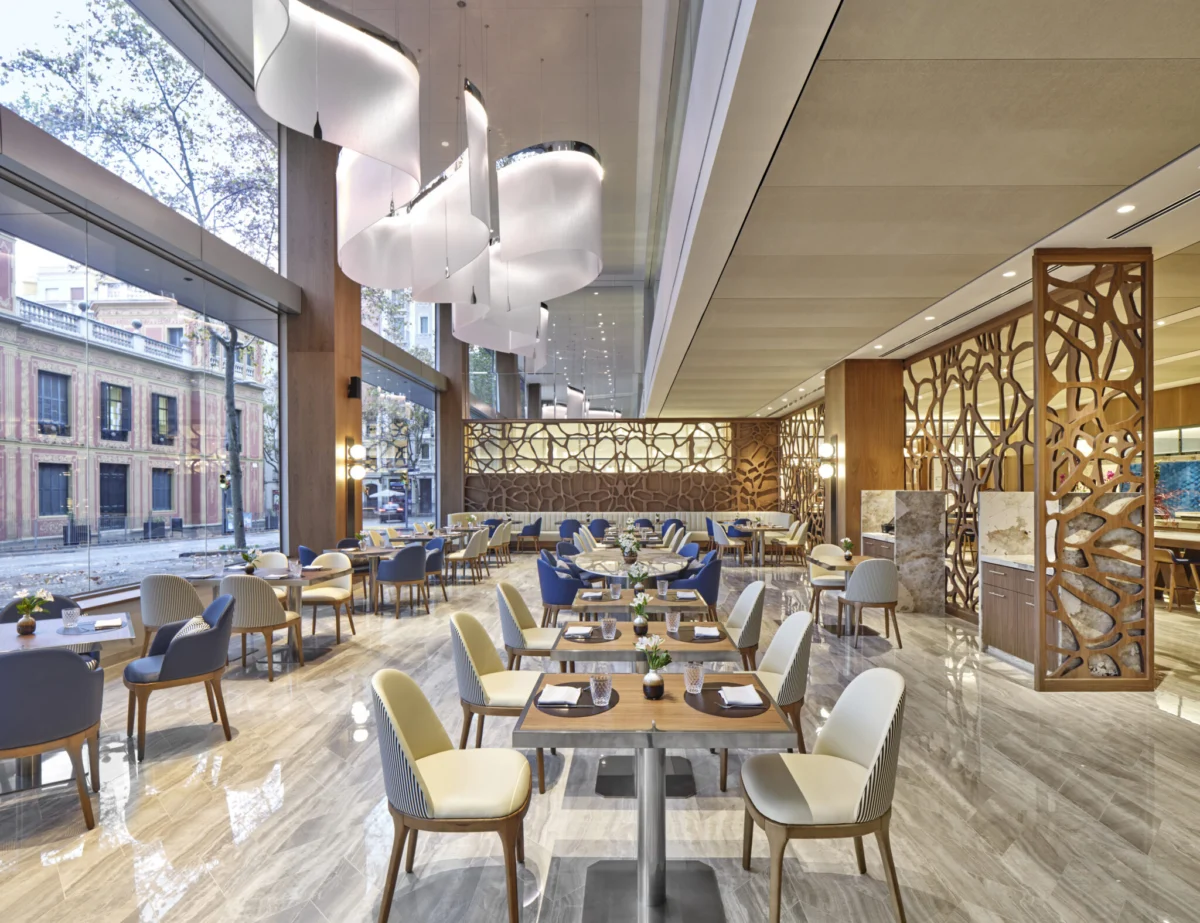
The hospitality sector in major European metropolitan areas faces an ongoing challenge: balancing accessibility to high-density tourist centers with the growing consumer demand for tranquil, restorative accommodations. As traditional urban tourism rebounds to record-breaking levels post-pandemic, travelers increasingly prioritize properties that offer a strategic location without sacrificing serenity. In the heart of Catalonia’s vibrant capital, the InterContinental Barcelona has emerged as a benchmark for this architectural and operational balancing act, offering an insightful case study in upscale urban resort management.
Strategic Location and the Urban Equilibrium
Situated in the historic Sants-Montjuïc district at Av. De Rius i Taulet, 1-3, the InterContinental Barcelona occupies a geographical sweet spot. Positioned away from the hyper-congested tourist corridors of Ciutat Vella and the Eixample, the hotel provides immediate physical distance from the relentless urban pace while maintaining exceptional connectivity.
Urban planning data underscores the significance of such positioning in modern European destinations. Cities like Barcelona have experienced acute strains on residential infrastructure due to intense tourism density, leading municipal authorities to implement stricter regulations on short-term rentals and promote decentralized tourism development. Full-service luxury properties situated on the periphery of primary commercial zones—yet connected via robust transit networks—play a vital role in absorbing visitor volume while mitigating localized overcrowding.

The property sits within a ten-minute walk of two distinct metro stations, offering seamless integration with the city’s extensive subterranean transit grid. Furthermore, its proximity to landmark cultural infrastructure such as Plaça Espanya, Poble Espanyol, the Montjuïc Park and Gardens, and the Museu Nacional d’Art de Catalunya (MNAC) positions guests at the doorstep of significant civic and historical assets. For travelers bound for the Gothic Quarter, transit times via taxi or metro consistently hover around ten minutes, whereas a leisurely 30-minute pedestrian journey through residential quarters offers an authentic cross-section of daily Catalan life.
Architecture, Interior Dynamics, and Acoustic Mitigation
Upon crossing the threshold from the bustling perimeter of Avinguda de Rius i Taulet into the expansive lobby of the InterContinental, guests experience a deliberate transition in acoustic and visual stimuli. Architectural and interior design choices in contemporary luxury hospitality heavily emphasize sensory decompression. High ceilings, neutral color palettes, minimalist furnishings, and strategic spatial layouts serve as functional tools for acoustic mitigation, lowering stress responses associated with urban transit and international travel.
Accommodations within the property reflect these priorities, offering generous square footage designed for ergonomic comfort and functional utility. The integration of biophilic design elements—most notably the hotel’s dedicated aromatic garden filled with regional herbs and spices—extends this restorative ethos outdoors. By replacing the sensory inputs of asphalt, vehicular traffic, and concrete with living flora, the property establishes a micro-climate of calm that directly addresses traveler fatigue.
Culinary Ecosystem: From Michelin Recognition to Casual Mediterranean Dining

The gastronomic portfolio of the InterContinental Barcelona represents a comprehensive culinary strategy designed to capture both international palates and local patronage. At the apex of this dining ecosystem is Quirat, the hotel’s Michelin-starred restaurant. Quirat operates on a philosophy deeply rooted in the terroir of Catalonia, utilizing seasonally driven, locally produced ingredients to construct tasting menus that reflect the region’s agricultural and maritime diversity.
Complementing the fine-dining experience is Arrel, a more casual Mediterranean venue catering to broader daily service needs, including a substantial multi-course brunch buffet, lunch, and dinner services. The presence of versatile hospitality spaces is a critical component of modern hotel operations, allowing properties to maximize food and beverage revenue streams across diverse demographic segments.
Rounding out the culinary and social infrastructure are Boira Bite & Drinks, a multi-functional lobby-adjacent lounge tailored for informal remote work and casual dining, and Gerbe, an upscale ground-floor cocktail bar characterized by contemporary interior execution and specialized mixology offerings.
Wellness Infrastructure and Hydrotherapy Economics
Wellness tourism has transitioned from an ancillary hotel amenity to a primary driver of booking decisions within the upscale demographic. The InterContinental Barcelona addresses this market shift through its extensive blue-tiled hydrotherapy spa, which features comprehensive thermal circuits, saunas, specialized sensory flooring (reflexology stone pathways), and heated ergonomic loungers.

While wellness access is frequently bundled into ultra-luxury tariffs, the property adopts a tiered operational model. Standard room rates exclude baseline spa entry, preserving baseline affordability, while ancillary access packages are marketed directly to guests and external visitors via digital platforms. Entry passes begin at €45 for a 60-minute session, with bundled therapeutic services—such as a 25-minute customized massage paired with 90-minute facility access—starting at €80. This flexible pricing architecture maximizes asset utilization, ensuring that the hydrotherapy infrastructure generates revenue independently of room occupancy rates.
Executive Lounge Operations and Loyalty Integration
For elite travelers and corporate clientele, the executive lounge serves as a critical operational node within the hotel. Accessible exclusively to guests booked in specific room categories or qualifying tier members of the IHG One Rewards loyalty program, the lounge provides a controlled, low-density environment optimized for productivity and privacy.
The facility offers a private breakfast service, continuous daytime refreshment stations, and an evening social hour featuring complimentary beverages and light canapés. Beyond nutritional offerings, the inclusion of a dedicated executive concierge provides guests with hyper-localized intelligence, bypassing mass-market tourist itineraries in favor of curated neighborhood recommendations, such as authentic independent tapas bars and off-peak cultural schedules. This high-touch service model enhances guest retention and drives direct bookings through brand-affiliated loyalty channels.
Rooftop Activation and Skyline Engagement

At the upper echelon of the property’s vertical architecture lies the 173 Rooftop Terrace, anchored by a heated infinity pool. Rooftop activations have become a standard competitive battleground for urban hotels, serving as both a recreational amenity for resident guests and a lucrative nightlife venue for non-resident locals.
The terrace functions as an open-air observation deck and cocktail lounge, offering unobstructed panoramic views of Barcelona’s urban topography. On optimal meteorological days, visitors can sight significant architectural and geographical landmarks, including Antoni Gaudí’s uncompleted masterpiece, the Sagrada Família, the monumental fountains of Plaça Espanya, and the transit corridors of the Montjuïc cable cars. By incorporating scheduled live musical performances on select evenings, the property successfully transforms a structural roof space into a dynamic cultural venue, capturing high-margin food and beverage spend while elevating brand visibility within the local market.
Market Implications and the Future of Urban Resort Integration
The operational model demonstrated by the InterContinental Barcelona offers broader insights into the evolution of urban hospitality in high-density European tourist hubs. As municipalities increasingly enforce regulatory frameworks to balance tourism growth with resident welfare, hotels located outside the immediate historic core are uniquely positioned to capture demand.
By combining robust transit connectivity with comprehensive on-site insulation—ranging from acoustic lobby design and wellness hydrotherapy to private executive lounges and Michelin-starred gastronomy—properties can deliver an immersive destination experience without exposing guests to the fatigue of continuous urban friction. For industry analysts, the success of this property highlights the viability of decentralizing luxury hospitality, proving that strategic geography paired with holistic property internalizations can redefine the contemporary urban travel experience.


 Tatiana Tantri Indah Sari
 Anjar Salim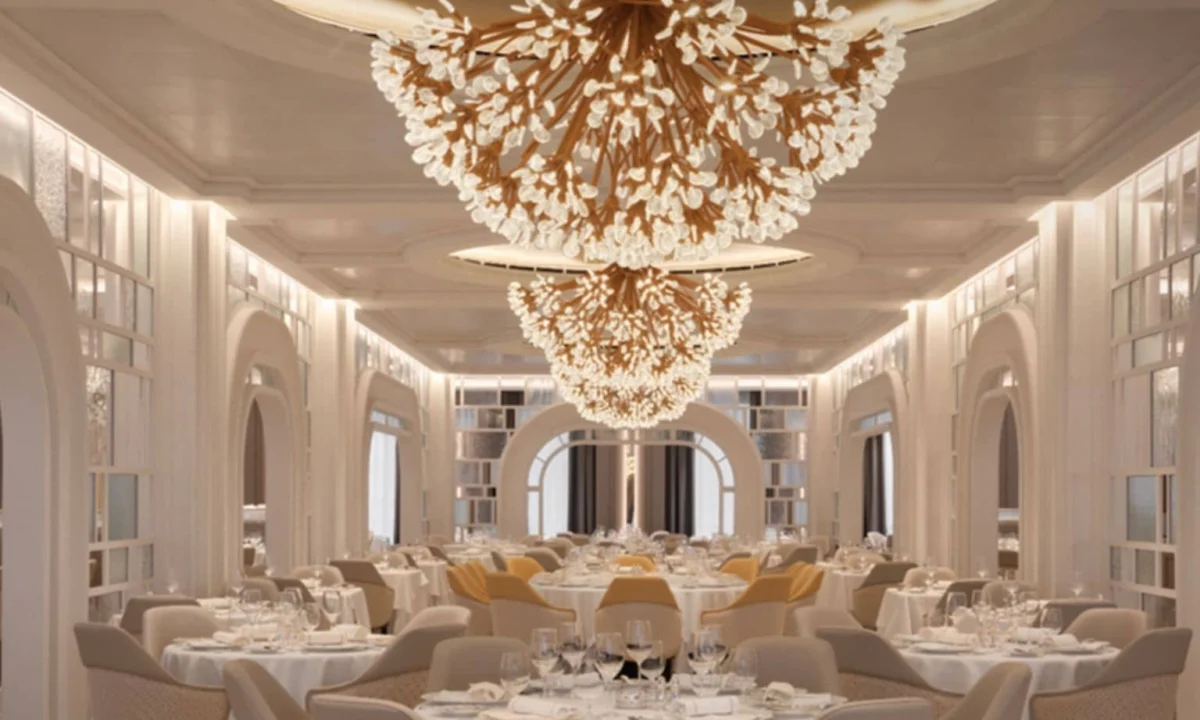
 Chandra Hamzah
 Gabriela Annisa