
 Budi Mulyono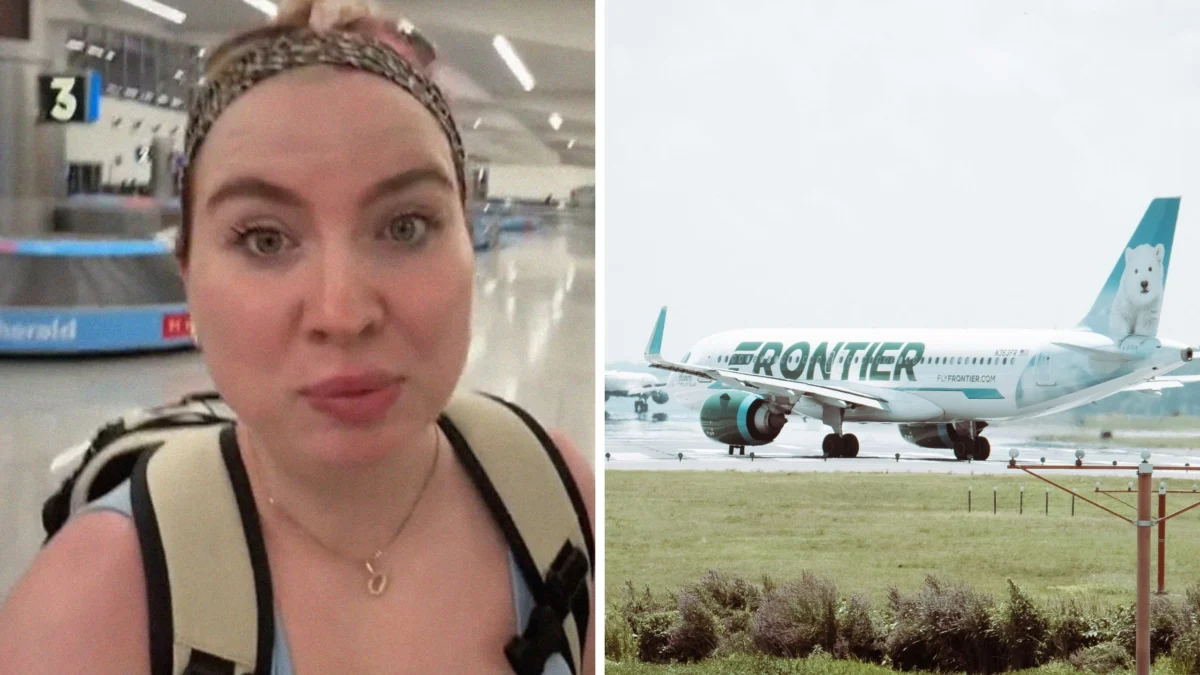
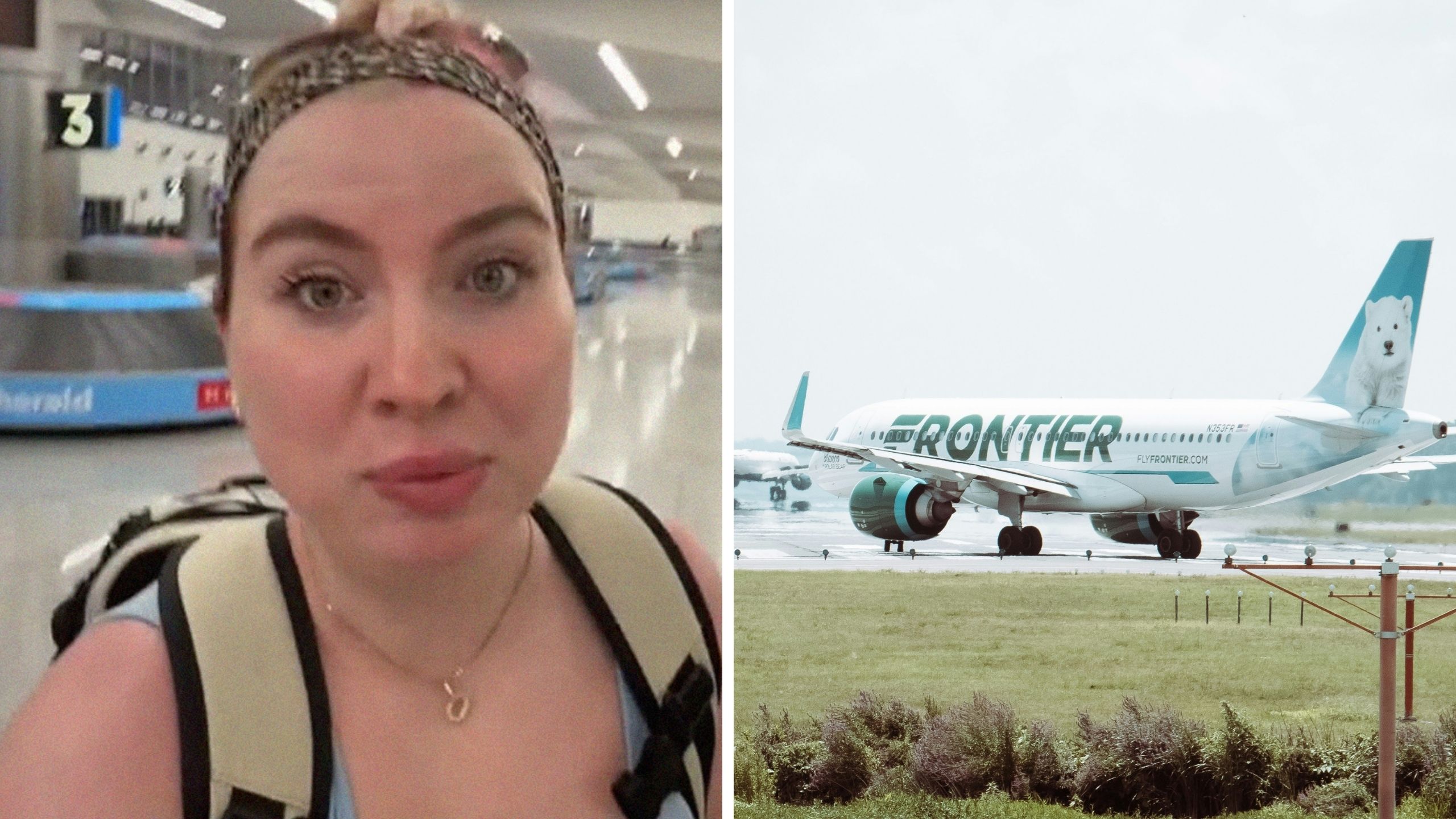
The travel industry is witnessing a significant shift in consumer behavior as subscription-based flight models gain traction among budget-conscious travelers. At the center of this trend is the Frontier Airlines GoWild! Pass, an "all-you-can-fly" program that has recently sparked renewed interest following a viral social media account of a spontaneous trip from Atlanta to Boston. The experience, shared by Atlanta-based content creator Queen Tay, highlights both the financial advantages and the logistical complexities inherent in ultra-low-cost carrier (ULCC) promotions. As travelers increasingly prioritize cost-savings over traditional amenities, the mechanics of these "wild" travel deals are coming under closer scrutiny by industry analysts and consumers alike.
The Mechanics of Spontaneous Travel: A Case Study in Boston
The recent surge in attention began when Queen Tay documented a whirlwind Wednesday excursion initiated by a $16 flight. Departing from Hartsfield-Jackson Atlanta International Airport at 3:00 a.m., the traveler arrived at Boston Logan International Airport by 7:30 a.m. The itinerary was characterized by a lack of traditional planning, a core requirement for those attempting to maximize the value of the GoWild! Pass. Upon arrival, the traveler utilized local public transit—navigating Boston’s unique underground busways—to reach Tatte Bakery, a popular regional destination.
The day’s activities included a visit to Boston Common, the oldest city park in the United States, established in 1634. The traveler’s experience emphasized the accessibility of high-value tourist attractions on a budget, such as the iconic Swan Boats in the Public Garden, which have been a seasonal staple of Boston since 1877. Despite the leisure-focused nature of the morning, the day concluded with a high-stakes logistical challenge. After utilizing the Boston Public Library as a temporary workspace, the traveler discovered that the Amtrak train required for her return journey departed only once daily. With only 20 minutes to spare, she successfully boarded the train to Saratoga Springs, narrowly avoiding being stranded—a risk that pass holders frequently acknowledge.
Understanding the Frontier GoWild! Pass Structure
The Frontier GoWild! Pass operates on a subscription model that differs significantly from traditional airline loyalty programs. It is designed to fill seats that would otherwise remain empty, allowing the airline to generate ancillary revenue while offering deeply discounted base fares to pass holders.
- Pricing and Tiers: The pass is offered in various increments, including monthly, seasonal (typically five months), and annual versions. Prices fluctuate based on promotional periods, ranging from approximately $149 for a monthly pass to $599 or more for an annual subscription.
- The "One-Cent" Fare: While the pass advertises "unlimited" flights, the cost is not zero. Pass holders pay a base fare of $0.01 plus all applicable government taxes and fees. On a standard domestic one-way flight, these fees typically total approximately $15 to $20. These charges include the Federal Segment Tax, the September 11 Security Fee, and Passenger Facility Charges (PFCs).
- Booking Windows: The primary constraint of the pass is the restrictive booking window. For domestic travel, flights can only be confirmed and booked the day before departure. For international destinations, the window extends to 10 days. This requirement necessitates a high degree of flexibility, as there is no guarantee of seat availability on specific routes.
- Ancillary Costs: The pass does not include baggage or seat assignments. Frontier’s business model relies heavily on "unbundled" pricing. Travelers who fail to adhere to the "personal item only" rule (typically a backpack that fits under the seat) can face gate fees ranging from $75 to $100 per bag, which can quickly negate the savings provided by the pass.
Financial Analysis: Is the Subscription Economically Viable?
For many travelers, the primary question remains whether the initial investment of the pass outweighs the costs of traditional booking. According to Queen Tay’s assessment, the annual fee is justified even with a frequency of just one trip per month. However, a deeper look at the data suggests that the value proposition depends heavily on the traveler’s home airport and lifestyle.
Frontier Airlines operates primarily out of major hubs such as Denver, Orlando, Las Vegas, and Atlanta. Travelers residing in these "fortress hubs" have access to a higher volume of flights, increasing the statistical likelihood of finding an available "GoWild!" seat. Conversely, travelers in smaller markets may find the pass nearly impossible to use effectively due to limited route frequencies and the 24-hour booking rule.
Furthermore, the "cost" of the pass must include the potential for "stranded" expenses. Because the pass does not allow for guaranteed round-trip bookings in a single transaction, a traveler could fly to a destination for $16 but find no available return flight the following day. In such instances, the traveler might be forced to purchase a last-minute, full-fare ticket on a competing airline or pay for unplanned hotel stays, significantly increasing the total cost of the trip.
Industry Context: The Rise of Airline Subscriptions
Frontier is not the only carrier experimenting with subscription models. Alaska Airlines launched a "Flight Pass" focused on West Coast routes, and international carriers like AirAsia have seen success with similar "Unlimited" passes. These programs serve several strategic purposes for airlines:
- Cash Flow: Subscriptions provide immediate up-front revenue, which is particularly valuable for airlines managing seasonal demand fluctuations.
- Customer Loyalty: By locking travelers into their ecosystem, airlines increase the likelihood that those passengers will spend money on ancillary services like on-board snacks, priority boarding, and co-branded credit cards.
- Data Collection: Subscriptions provide a wealth of data on the travel patterns of "spontaneous" consumers, allowing airlines to better optimize their pricing algorithms for non-pass holders.
Market analysts suggest that the GoWild! Pass targets a specific demographic: digital nomads, college students, and retirees who possess the "time wealth" necessary to navigate the unpredictability of the booking window. As the "work from anywhere" culture continues to persist post-pandemic, the demand for such flexible, low-cost options is expected to remain steady.
Community Reactions and Tactical Advice
The social media discourse surrounding the GoWild! Pass has fostered a community of "travel hackers" who share strategies for mitigating the risks of the program. Common recommendations among frequent users include:
- The Backpack Strategy: Using specialized "personal item" bags that maximize every inch of the 18" x 14" x 8" limit to avoid luggage fees. Some users even recommend removing wheels from carry-on bags to ensure they fit in the sizing kiosks.
- The Seven-Day Rule: New subscribers are often required to wait seven days after purchase before their first booking, a detail that can catch unprepared travelers off guard.
- Self-Sustenance: Experienced Frontier flyers emphasize bringing empty water bottles to fill past security and packing snacks, noting that the airline does not provide complimentary in-flight refreshments.
- Contingency Planning: Savvy users often have a "Plan B," such as a secondary budget for a bus or train (like Amtrak or Greyhound) in the event that return flights are unavailable.
Reacting to the viral Boston trip, some users expressed anxiety over the lack of a structured plan. One commenter, identifying as a "Virgo," noted that the "lack of plan" was "terrifying." Others questioned the true cost-effectiveness. However, the consensus among successful pass holders is that the program is designed for those who view travel as an adventure rather than a strictly scheduled event.
Broader Implications for the Travel Sector
The popularity of the GoWild! Pass reflects a broader democratization of air travel, where the barrier to entry is no longer the price of the ticket, but the passenger’s tolerance for logistical "chaos." This "unbundled" experience represents the logical extreme of the low-cost carrier model.
While critics argue that the hidden fees and restrictive terms make the pass a "gamble," the success of creators like Queen Tay suggests that for a specific segment of the population, the "whimsy" of a $16 flight is worth the potential for a 20-minute dash to a train station. As Frontier continues to refine the GoWild! program—recently adding features like the ability to book some flights further in advance for an extra fee—the line between a traditional airline ticket and a "travel subscription" continues to blur.
In conclusion, the Frontier GoWild! Pass is a powerful tool for the flexible traveler, but it requires a level of tactical planning and risk tolerance that deviates from standard travel norms. As the airline industry continues to evolve, the success of such programs will likely depend on the balance between airline profitability and the consumer’s ability to successfully navigate the "chaotic" nature of ultra-low-cost flying. For those willing to embrace the unpredictability, the world remains accessible for little more than the price of a restaurant lunch.




 Anjar Salim
 Chandra Hamzah
 Tatiana Tantri Indah Sari
 Lukman Taruna Persada Ramadan
