
 Budi Mulyono
The global aviation landscape is undergoing a significant transformation, marked by aggressive loyalty program maneuvers, expanding long-haul route networks, technological upgrades like Starlink Wi-Fi integrations, and divergent financial performances among major carriers. As airlines prepare their networks for the 2027 season, frequent flyers and industry analysts alike are parsing through a flurry of updates encompassing elite status matches, airport lounge expansions, credit card perk revisions, and shifting financial health reports across legacy carriers.

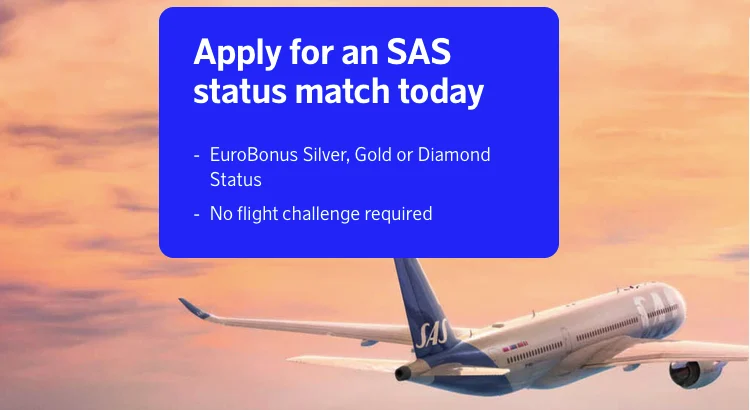
SAS EuroBonus Revives Paid Elite Status Match Program
In a strategic move following its transition into the SkyTeam alliance, SAS EuroBonus has officially reintroduced its paid elite status match program. This initiative allows elite members from a wide array of competing airline and hotel loyalty programs to fast-track their status within the Scandinavian carrier’s ecosystem.
Because SAS is now a fully integrated member of SkyTeam, acquiring EuroBonus elite status translates directly into recognized tier benefits across the broader SkyTeam network. For frequent flyers looking to leverage existing status earned through non-SkyTeam carriers or hotel programs, this paid pathway offers an immediate bridge to SkyTeam Elite or SkyTeam Elite Plus privileges, which include priority check-in, extra baggage allowances, lounge access, and priority boarding.

Industry observers note that paid status matches have become an increasingly popular tool for newly transitioned alliance members. By capturing high-value travelers from rival alliances, SAS aims to cement its competitive standing in Northern Europe and strengthen its global network utility following its departure from Star Alliance.
Fleet Modernization: EL AL Adopts Starlink and Premium Upgrades
EL AL Israel Airlines has announced a comprehensive passenger experience overhaul set to roll out beginning in 2027. Central to the modernization effort is the adoption of SpaceX’s Starlink high-speed, low-latency in-flight Wi-Fi, which promises gate-to-gate internet connectivity for travelers across the airline’s fleet.

In addition to advanced digital connectivity, EL AL is elevating its hard and soft products. Passengers flying in the carrier’s updated business class cabins can expect new, ergonomically enhanced bedding, luxury amenity kits supplied by Jo Malone, and completely refreshed in-flight entertainment systems. Culinary offerings will also receive a major boost through a partnership with acclaimed Chef Assaf Granit, whose menus will debut across premium cabins.
This multi-faceted upgrade reflects a broader industry trend where international carriers are heavily investing in cabin interiors and connectivity to capture lucrative premium leisure and corporate travel segments.

Route Expansions: Alaska Airlines and Air Serbia Grow Global Footprint
Network planners are aggressively staking claims on new long-haul international routes for the upcoming 2027 schedules, with both Alaska Airlines and Air Serbia announcing notable expansions.
Alaska Airlines is continuing its strategic evolution of Seattle-Tacoma International Airport (SEA) from a primarily domestic powerhouse into a formidable long-haul international hub. The airline has confirmed two brand-new nonstop international routes launching in 2027: service to Osaka, Japan, and Papeete, Tahiti. Both routes will be operated using the airline’s modern, long-range mainline aircraft, providing Pacific Northwest travelers with direct access to key Asian and South Pacific destinations without requiring a connection at a traditional mega-hub.

Meanwhile, Air Serbia is making waves with the announcement of six new destinations for its network. Most notably, the carrier will introduce nonstop flights to Miami, Florida, utilizing its Airbus A330 fleet. Miami will become Air Serbia’s third U.S. gateway, complementing existing transatlantic services to New York and Chicago. Additionally, the airline is scheduled to resume service to Helsinki after a seven-year hiatus, further solidifying Belgrade as a burgeoning connecting hub between North America, Europe, and the Middle East.
Brussels Airlines is also joining the European network expansion wave, adding Cairo, Egypt, to its schedule for Summer 2027 alongside targeted frequency increases across its existing continental and African routes.

Airport Infrastructure Investments: New Lounges in Houston and New York
Airport infrastructure continues to scale up to meet growing passenger volumes, highlighted by major lounge developments. United Airlines celebrated the grand opening of its Terminal B North United Club at Houston’s George Bush Intercontinental Airport (IAH). Spanning an impressive 54,000 square feet, the new facility is now the largest United Club in the world, boasting a seating capacity of approximately 800 passengers, a dedicated outdoor terrace, specialized barista coffee stations, and localized design touches.
On the East Coast, travelers transiting through New York’s LaGuardia Airport (LGA) Terminal B have gained insight into the operational efficiency and amenities of the American Airlines Admirals Club. Operating daily from early morning through late evening, the lounge serves as a vital touchpoint for passengers navigating the modernized Terminal B complex, reflecting ongoing efforts by U.S. carriers to harmonize their domestic lounge networks.

Financial Divergence: American Airlines Reports Q3 Loss Amid Legacy Carrier Growth
While customer-facing enhancements and route expansions dominate airline marketing campaigns, underlying financial metrics reveal a widening performance gap between major U.S. carriers.
American Airlines reported a net loss of $269 million for the third quarter, alongside downward revisions to its full-year profitability projections. The disappointing financial results stand in stark contrast to competitors such as Delta Air Lines, United Airlines, and Southwest Airlines, all of which reported healthy profits over the same reporting period.

Despite the quarterly loss, American Airlines Chief Executive Officer Robert Isom defended the carrier’s ongoing strategic investments, asserting that "premium performance is leading the way." Industry analysts digging into the financial disclosures note that while American’s overall bottom line lagged behind its peers, revenues generated from premium seating and enhanced loyalty initiatives showed positive year-over-year growth. The divergence underscores the high stakes of premium cabin demand; airlines that successfully capture high-yield corporate and premium leisure travelers are better positioned to absorb rising operational costs, while carriers lagging in operational execution face mounting financial headwinds.
Credit Card Perks and Loyalty Program Adjustments
Frequent travelers and credit card enthusiasts are also navigating a shifting landscape of co-branded and premium credit card benefits. Notable revisions are underway for popular hotel and travel credit cards, including impending changes to Marriott Bonvoy elite night credit accumulation rules and adjustments to hotel statement credits—such as the introduction of two-night minimum stay requirements for certain premium card credits effective January 1.

Concurrently, targeted merchant offers, such as recent statement credit discounts for major retailers like Walmart and adjustments to lifestyle credits on ultra-premium cards like the American Express Platinum (affecting Lululemon benefit parameters), require consumers to continually re-evaluate how they maximize annual travel and shopping perks.
As the industry looks ahead to 2027, the convergence of loyalty program competition, aggressive route diversification, infrastructure expansion, and careful financial management will dictate which airlines and loyalty ecosystems successfully capture the loyalty of the modern traveler.



 Gabriela Annisa

 Lukman Taruna Persada Ramadan

 Tatiana Tantri Indah Sari

 Anjar Salim


 Dwi Wanna
