
 Tatiana Tantri Indah Sari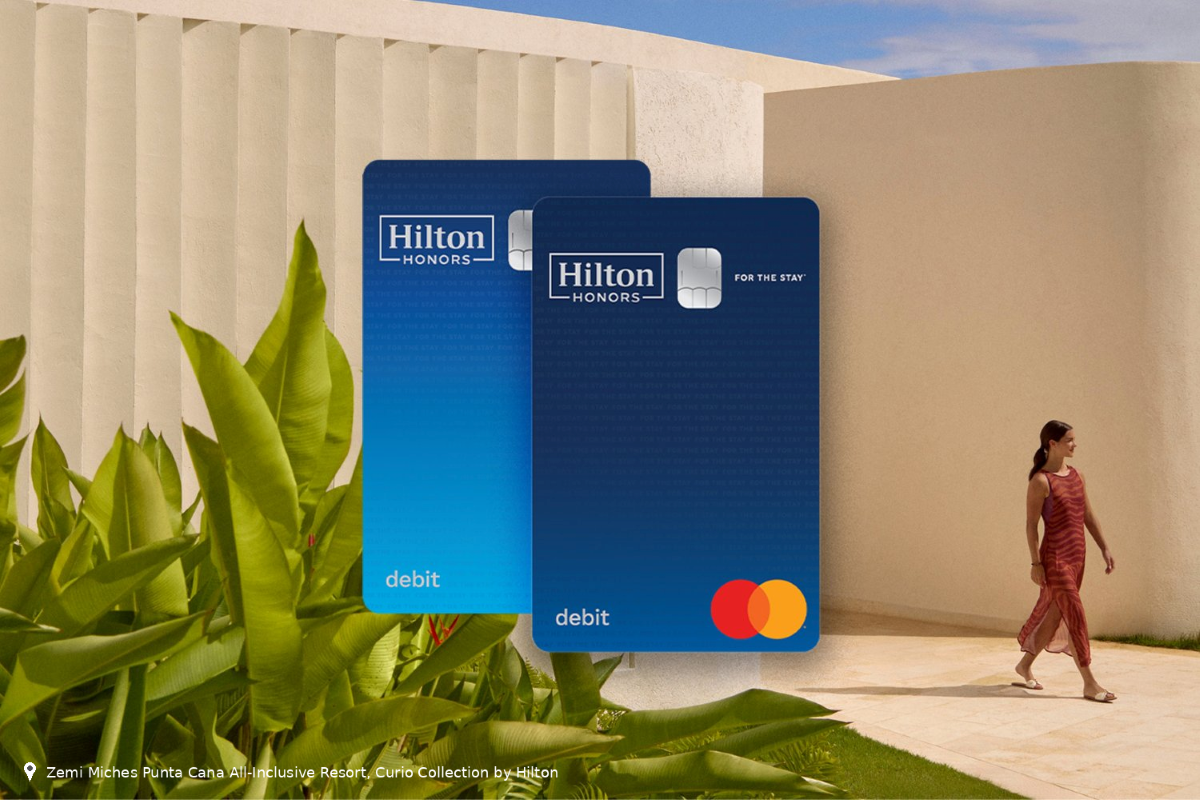
When IHG launched a co-branded debit card with Revolut and Visa earlier this month, it signaled a significant strategic shift within the global hospitality sector, making it the third major hotel group to enter the highly competitive UK debit market in under two years. This move follows Hilton’s entry in 2024 and Marriott’s announced plans for 2025, alongside United Airlines’ parallel launch of a UK debit card in March. What makes this trend particularly noteworthy is that for these prominent hotel groups, these UK-centric debit products represent their only such offerings anywhere in the world, prompting industry observers to scrutinize the specific confluence of factors making the United Kingdom an unparalleled testing ground for this innovative approach to customer loyalty and financial engagement.
The strategic pivot by these global titans of travel is rooted in a deep analysis of market dynamics and evolving consumer behavior, particularly within the UK. Paul Proctor, IHG’s senior vice president of global loyalty and partnerships, articulated this rationale clearly, stating, “The UK is a particularly attractive market because debit cards are the dominant form of everyday payment.” This assertion is not merely anecdotal; it is substantiated by robust financial data that paints a clear picture of the UK as a "debit country."
The UK: A Debit-Dominated Financial Landscape
The United Kingdom stands out globally for its pervasive reliance on debit cards for daily transactions. According to UK Finance’s Payment Markets 2025 report, debit cards accounted for a staggering 26.1 billion payments in the UK in 2024, representing over half of all payments made across the country. This figure is not only substantial but is also projected to grow further, with forecasts indicating a rise to 30.6 billion payments by 2034. The ubiquity of debit cards is undeniable: almost all UK adults hold at least one debit card, and for the vast majority, it serves as their default and preferred payment method for everything from groceries and transport to online shopping and dining out.
This strong preference for debit is deeply embedded in the UK’s financial culture and infrastructure. Unlike the United States, where credit card usage is often incentivized and widespread, or certain European markets with varied payment preferences including direct debits and local card schemes, the UK has cultivated an environment where debit cards are universally accepted, trusted, and often linked directly to digital banking apps, providing immediate control over spending. This cultural phenomenon creates an ideal ecosystem for loyalty programs seeking to integrate seamlessly into consumers’ everyday financial lives, rather than being limited to specific travel-related expenditures.
A Chronology of Strategic Launches
The emergence of co-branded debit cards from major travel entities in the UK is a relatively recent phenomenon, but one that has rapidly gained momentum.
- March 2024: United Airlines – The US-based airline, a significant player in transatlantic travel, launched its first co-branded debit card in the UK, signaling an early recognition of the market’s potential for loyalty program integration beyond traditional credit card offerings. While airlines have long offered co-branded credit cards globally, this debit product marked a novel approach to engaging UK customers.
- 2024: Hilton – The global hospitality giant, known for its extensive portfolio of brands and robust Hilton Honors loyalty program, entered the UK debit market. While specific details of its launch partner were not immediately available in the initial report, its move underscored the growing conviction among hotel groups that the UK debit space offered untapped potential for deepening customer loyalty.
- Early 2024: IHG (InterContinental Hotels Group) – The launch of IHG’s co-branded debit card with Revolut and Visa cemented the trend. This partnership is particularly illustrative, marrying a traditional hospitality powerhouse with a leading digital-first fintech platform and a global payment network. This collaboration highlights the multi-faceted strategy behind these new products, aiming to leverage modern banking technology to enhance loyalty.
- 2025: Marriott International – The world’s largest hotel company, with its renowned Marriott Bonvoy program, has announced its intention to join this exclusive club with a UK debit card launch in 2025. This forward-looking commitment from Marriott suggests that the early results and strategic analyses from its competitors have been compelling enough to warrant its own entry, solidifying the UK debit market as a key battleground for loyalty program innovation.
This timeline illustrates a rapid succession of entries, indicating a collective recognition by these major players of a significant, yet previously unaddressed, opportunity in the UK financial landscape.
The ‘Why Now?’: Evolving Loyalty, Fintech Synergy, and Post-Pandemic Shifts
Beyond the structural dominance of debit cards in the UK, several other factors contribute to the "why now" of this strategic pivot. The confluence of evolving loyalty program strategies, the rise of agile fintech partners, and shifts in consumer behavior accelerated by global events creates a compelling narrative.
Evolution of Loyalty Programs: For decades, loyalty programs have primarily focused on incentivizing direct bookings and offering rewards tied to travel-related spend, largely through co-branded credit cards. However, the modern consumer interacts with brands daily, not just when planning a trip. Hotels and airlines are increasingly seeking ways to integrate their loyalty offerings into these everyday interactions. A debit card, used for routine purchases, provides a continuous touchpoint, allowing members to accrue points and engage with the brand without necessarily incurring debt or making large travel expenditures. This "always-on" loyalty mechanism aims to foster deeper, more sustained engagement and brand affinity.
The Rise of Fintech Partners: The partnerships with digital banks and payment innovators like Revolut are crucial. Traditional banks often have complex legacy systems and slower innovation cycles. Fintech companies, by contrast, are built for agility, digital integration, and offer a streamlined user experience. Revolut, for instance, boasts a massive and digitally native user base in the UK, accustomed to managing their finances through a mobile app. Partnering with such platforms allows hotel groups to rapidly deploy sophisticated debit card products, leverage advanced analytics, and offer a seamless digital experience that resonates with modern consumers. These collaborations enable quicker market entry and access to innovative features that might be harder to develop independently.
Post-Pandemic Consumer Behavior: The COVID-19 pandemic significantly altered consumer spending habits and heightened awareness around financial health. Many consumers became more cautious about credit and debt, preferring to spend within their means using debit cards. Simultaneously, the pandemic accelerated the shift towards digital and contactless payments. These co-branded debit cards tap into this renewed emphasis on responsible spending while still offering the aspirational rewards associated with travel. They provide a mechanism for consumers to earn loyalty points on their essential, everyday spending, making rewards feel more accessible and attainable, even during periods of economic uncertainty or reduced travel.
Mechanics of Co-Branded Debit: Rewards and Engagement
These co-branded debit cards are designed to seamlessly integrate loyalty point accumulation into everyday financial transactions. While specific reward structures will vary between providers, the general principle involves earning loyalty points on every pound spent using the debit card.
Typically, cardholders might earn a base rate of points for general spending (e.g., 1 point per £5 spent) and an accelerated rate for purchases made directly with the hotel brand (e.g., 3 points per £1 spent on hotel stays, dining, or experiences). Beyond point accumulation, these cards often come bundled with additional benefits aimed at enhancing the loyalty program experience. These could include:
- Elite Status Qualification: Spending thresholds on the debit card might contribute towards achieving or maintaining elite status within the hotel’s loyalty program, unlocking perks like complimentary room upgrades, late check-out, or lounge access.
- Exclusive Offers and Experiences: Cardholders may gain access to exclusive discounts, promotions, or members-only experiences tailored by the hotel group.
- Financial Management Tools: Leveraging the underlying fintech platform (like Revolut), users often benefit from advanced budgeting tools, spending analytics, and instant notifications, aligning with a desire for greater financial control.
- Insurance and Travel Benefits: Some premium debit products might include travel insurance, purchase protection, or discounted foreign exchange rates, adding further value.
The key differentiation from credit cards is the absence of debt. Users spend their own money, providing a sense of financial prudence while still reaping rewards. This makes the offering appealing to a broader demographic, including those who prefer not to use credit or who may not qualify for premium credit cards.
Industry Perspectives and Reactions
The entry of major hospitality players into the UK debit market has been met with a mix of enthusiasm from the partnering entities and careful observation from financial analysts and competitors.
Paul Proctor’s statement for IHG highlights the fundamental market opportunity. "A debit product is uniquely positioned to capture a broader spectrum of daily consumer spending, transforming routine transactions into opportunities for loyalty engagement," he is likely to have elaborated. This sentiment is echoed by inferred statements from other hotel groups. Representatives from Hilton would likely emphasize how their debit offering "deepens customer relationships by integrating seamlessly into their financial lives, providing new pathways to earn rewards and experience the benefits of Hilton Honors." Similarly, Marriott’s forthcoming launch would likely be framed as "an innovative extension of Marriott Bonvoy, designed to meet the evolving needs of our UK members and enhance their journey with us, from daily purchases to unforgettable travel."
From the perspective of fintech partners like Revolut, these collaborations represent a significant validation of their platform and an expansion of their ecosystem. A spokesperson for Revolut might state, "Partnering with global brands like IHG demonstrates the power and flexibility of our financial super-app. It allows us to offer enhanced value to our existing users while attracting new customers who are drawn by the unique blend of everyday banking and aspirational travel rewards." Visa, as the payment network powering these cards, also stands to benefit from increased transaction volume and market penetration. A Visa representative would likely comment on "facilitating secure and convenient digital payments, supporting innovative partnerships that bring tangible benefits to consumers and businesses alike."
Financial industry analysts view this trend as a shrewd strategic move. Dr. Eleanor Vance, a London-based fintech analyst, comments, "This trend represents a sophisticated evolution of loyalty programs, moving beyond just travel-related spend to integrate directly into consumers’ daily financial lives. By partnering with digital-first platforms like Revolut, these traditional hospitality giants are demonstrating agility in adapting to modern payment ecosystems. It’s not just about earning points; it’s about owning a larger share of the customer’s wallet and data, which can then be leveraged for highly personalized offers and deeper brand engagement." Another expert, Mark Jenkins, a loyalty program consultant, might add, "The UK’s unique payment landscape makes it a perfect proving ground. If successful here, we could see similar models being explored in other debit-heavy markets, or even inspire new hybrid credit-debit offerings elsewhere."
Broader Impact and Implications
The emergence of co-branded debit cards from major travel brands carries significant implications for various stakeholders across the financial and hospitality sectors.
For Consumers: The primary benefit is increased opportunity to earn loyalty points on everyday spending, making aspirational travel rewards more accessible. It offers a potentially more financially responsible way to engage with loyalty programs, as it avoids credit card debt. However, consumers will need to carefully compare the reward rates and benefits against their existing debit cards and other loyalty programs to ensure they are maximizing value. The proliferation of such cards could also lead to choice overload.
For the Hospitality and Airline Sector: This move opens up new revenue streams through interchange fees on transactions. More importantly, it provides these companies with invaluable data on consumer spending habits, allowing for more personalized marketing, tailored offers, and a deeper understanding of their members’ preferences. It also serves as a powerful competitive differentiator in a crowded market, helping to foster stronger brand loyalty and potentially shifting market share. The "always-on" engagement can reduce churn and increase customer lifetime value.
For Fintech Companies: Partnerships with global brands like IHG, Hilton, and Marriott significantly boost the credibility and reach of fintech platforms such as Revolut. It validates their technological capabilities and positions them as attractive partners for other traditional industries looking to innovate. These collaborations drive user acquisition and increase transaction volumes on their platforms, solidifying their market position.
For Traditional Banks: While the immediate impact might not be seismic, the trend signals increased competition for primary banking relationships, particularly among younger, digitally-savvy consumers who might be drawn to the combined benefits of a fintech account and travel rewards. Traditional banks may need to innovate their own debit card offerings and loyalty programs to remain competitive.
Challenges and Future Outlook
Despite the clear strategic advantages, these co-branded debit card initiatives are not without challenges. Consumer adoption rates will be key; while the UK is a debit-first nation, consumers are accustomed to a wide array of debit card options, and these new offerings will need to clearly articulate their unique value proposition. Managing potential fraud and ensuring robust cybersecurity will also be paramount. Furthermore, scaling these programs beyond the UK could prove complex, given the varying payment cultures and regulatory landscapes across different countries.
Looking ahead, this trend could evolve in several ways. We might see further integration with digital wallets and mobile payment solutions, enhancing the seamlessness of transactions and reward accumulation. Personalization of offers, driven by the rich data collected from everyday spending, is likely to become more sophisticated. There is also potential for these programs to expand into other debit-heavy markets, though likely with tailored approaches. Moreover, the success of these hotel and airline ventures could inspire other industries – from retail to entertainment – to explore similar co-branded debit strategies, further blurring the lines between financial services and loyalty programs and fundamentally reshaping how consumers engage with their favorite brands on a daily basis. The UK, it seems, is just the beginning of this exciting new chapter in loyalty innovation.




 Anjar Salim
 Chandra Hamzah
 Budi Mulyono
 Lukman Taruna Persada Ramadan
