
 Anjar Salim
The demands of elite athletic competition rarely pause for geography. For professional athletes, Olympians, and extreme endurance competitors, crossing multiple time zones is an inevitable occupational hazard. Whether an athlete is preparing to scale an 8,000-meter peak in the Himalayas or qualify for the Olympic Games in Europe, the luxury of a seamless transition is almost universally unavailable. Long-haul travel frequently subjects the human body to profound physiological stressors, demanding immediate physical excellence from a system struggling to re-synchronize its internal clock.
Recent scientific literature underscores the severe physiological toll associated with rapid transmeridian travel. According to a review published in Current Sleep Medicine Reports, leaping across three or more time zones during extended east- or westbound journeys severely disrupts the suprachiasmatic nucleus—the brain’s master circadian pacemaker. This disruption is compounded by secondary flight-related stressors, including prolonged physical inactivity, cabin hypoxia, and systemic dehydration. Together, these factors degrade sleep architecture and impair both cognitive and motor functions. Symptoms frequently reported by elite competitors include executive dysfunction, disorientation, lightheadedness, and acute irritability, all of which directly undermine competitive readiness.
Complementary findings published in the journal Sports highlight that circadian misalignment cascades through virtually every physiological system. Hormonal fluctuations, mood disturbances, elevated baseline heart rates, and alterations in blood pressure are routinely documented following long-haul flights. For a high-performance athlete, even marginal deficits in reaction time, muscular velocity, and neuromuscular coordination can prove decisive, transforming what should be a podium finish into an early exit. Consequently, managing travel fatigue has evolved from a matter of personal comfort into a specialized, data-driven science.
To understand how world-class competitors mitigate these physiological disruptions, several elite athletes shared their travel protocols, offering a practical blueprint for maintaining peak performance away from home.
The Physiological Mechanics of Jet Lag and Circadian Disruption
The human body operates on an approximately 24-hour internal biological clock known as the circadian rhythm, which regulates vital metabolic and physiological functions, including core body temperature, hormone secretion, and sleep-wake cycles. When an individual crosses multiple time zones rapidly, external environmental cues—such as natural sunlight and meal times—become completely misaligned with internal biological time.
Scientific consensus indicates that the direction of travel significantly dictates the severity and duration of recovery. Traveling eastward, which requires phase-advancing the circadian clock (sleeping and waking earlier), is notoriously more difficult for the human body than traveling westward, which requires phase-delaying the clock (sleeping and waking later). Physiological adaptation typically requires approximately one full day of recovery for every time zone crossed when traveling eastward, compared to roughly half a day per zone when heading westward.
During flight, pressurized cabin environments exacerbate these challenges. Cabin humidity levels typically hover between 10 and 20 percent, considerably lower than typical terrestrial environments, accelerating insensible fluid loss through respiration. Furthermore, prolonged static sitting compromises venous return, leading to lower-extremity fluid pooling and increased fatigue. Without deliberate countermeasures, these variables compound the underlying circadian shock, leaving athletes vulnerable to compromised immune function, gastrointestinal distress, and heightened injury risk.
Proactive Scheduling and Structured Routines: The Case of Katie Vincent
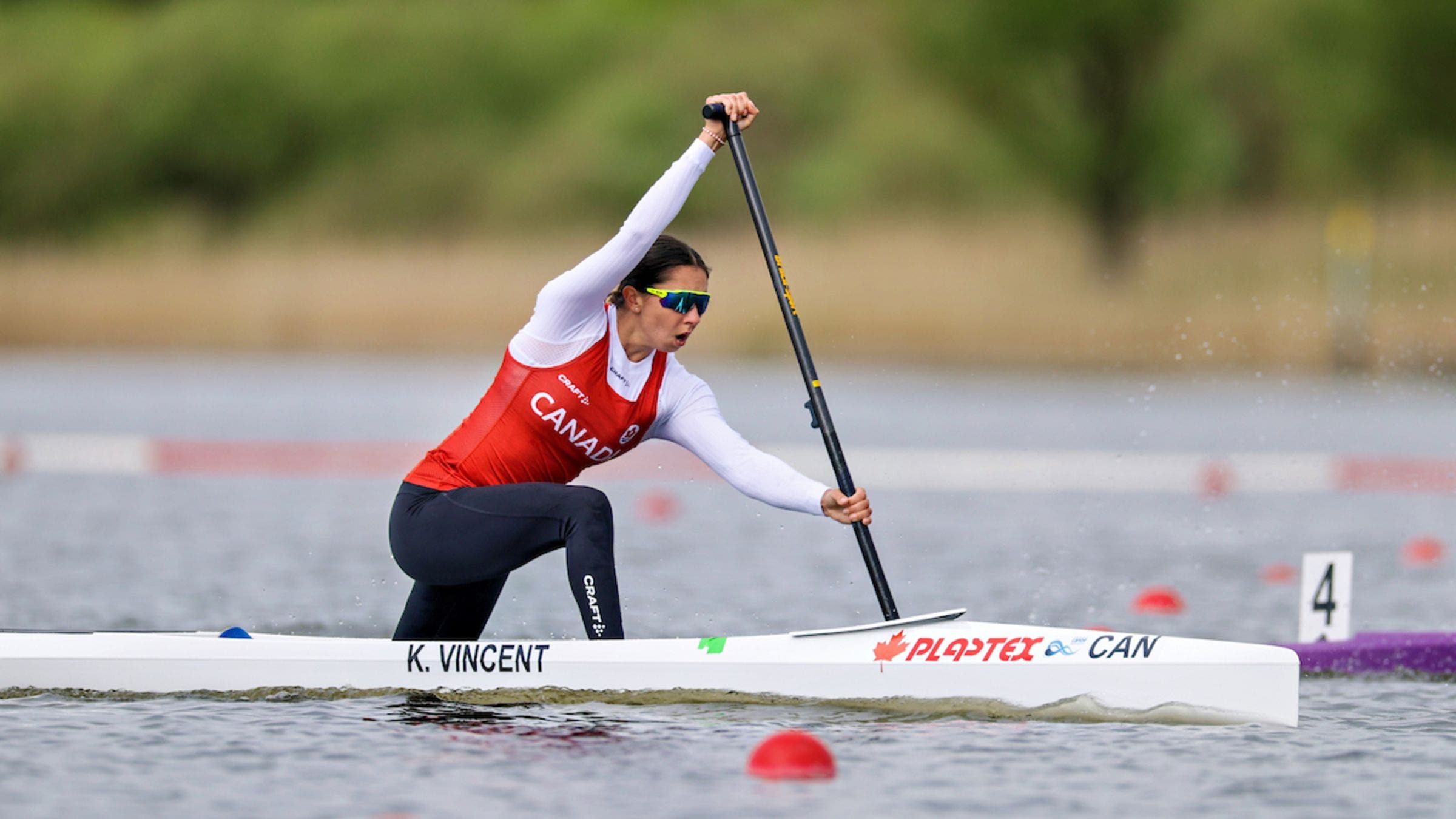
For two-time Olympic sprint canoe medalist Katie Vincent, navigating international competition across Europe, Asia, and South America requires meticulous, calendar-driven preparation long before she launches her watercraft.
"Having a plan helps the transition," Vincent explains. "The ideal situation would be to go a week or two early, have a full prep camp, and slowly get over jet lag. But even with three to five days, you can at least get enough sleep, get into your routine, and start competing."
Vincent’s standard protocol begins in-flight, where she utilizes medical-grade compression socks to maintain lower-extremity circulation, alongside an eye mask and earplugs to secure uninterrupted rest. Upon arrival at her destination the following morning, her immediate objective is behavioral alignment with the local sun: she consumes two cups of coffee and strictly prohibits daytime napping. Her subsequent days are strictly regimented around waking up, completing localized training sessions, and retiring to bed at local nightfall, supplemented by low-dose melatonin administration when necessary.
"By day four, we’re adjusted, which is crucial as our nervous systems need to be regulated to produce the best performances on the water," says Vincent, who tracks her physiological recovery using biometric wristwear. While acknowledging that individual physiological responses vary widely across her team—some athletes transition instantaneously while others require extended adaptation windows—she emphasizes that structured consistency remains the universal denominator for success.
Sleep Banking and Direct Routing: Insights from Corrine Malcolm
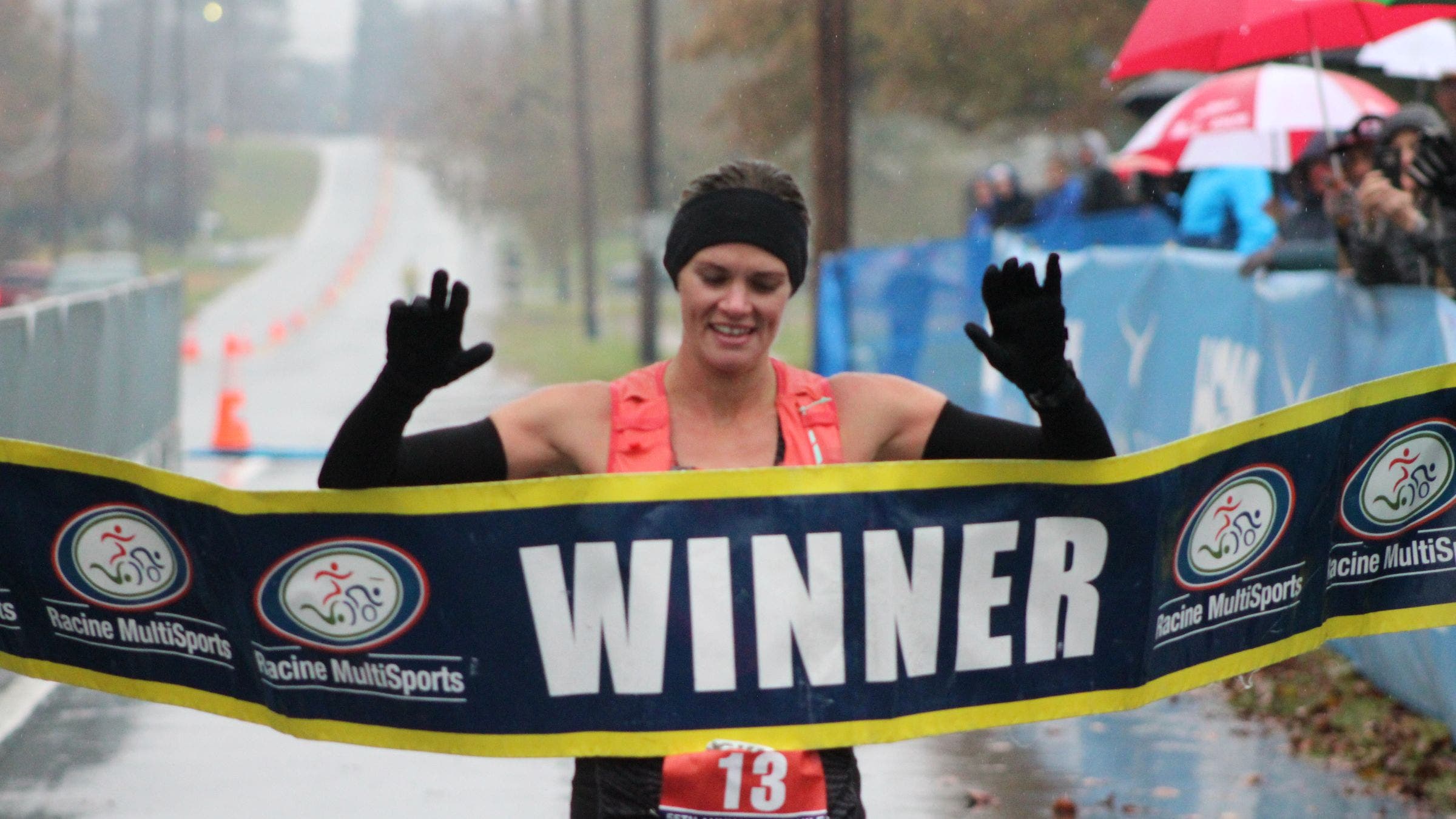
Professional ultrarunner and former U.S. Biathlon National Team member Corrine Malcolm has accumulated extensive travel experience across Asia, Europe, Australia, and New Zealand to compete in grueling 100-mile endurance events. Her approach to mitigating travel fatigue relies heavily on physiological preparation before departure.
"Jet lag impacts more than your ability to sleep or feel awake—there are hydration components, thermal regulation, and GI distress," Malcolm notes.
To buffer against the inevitable sleep deprivation of long-haul transit, Malcolm engages in "sleep banking" in the weeks leading up to departure. By deliberately increasing sleep duration and extending time in bed prior to travel, she builds a physiological reserve that enhances recovery resilience. Additionally, she advocates for purchasing direct, evening flights whenever possible. A continuous ten-hour direct flight provides significantly higher-quality restorative sleep than fragmented itineraries involving multiple domestic connections and terminal layovers.
In-flight, Malcolm minimizes logistical friction by packing her own nutrient-dense food, thereby avoiding unpredictable airline meal schedules and potential allergen exposure. Upon arrival, her strategy centers on aggressive morning light exposure and consuming familiar, high-protein foods to support alertness, reserving high-carbohydrate meals for the evening to promote natural drowsiness.
"Control what you can control," Malcolm advises athletes. "Fixating on things that are out of your control will keep you up at 2 A.M. when you’re trying desperately to sleep. I always remind athletes: One bad night of sleep isn’t ideal, but focus on how you’ve been taking care of yourself for the last couple of weeks."
Intuitive Adaptation and Targeted Napping: The Approach of Emily Harrison Torrence

While structured protocols work well for many competitors, ultramarathon coach and elite runner Emily Harrison Torrence prefers a more flexible, intuitive approach to managing travel transitions.
"Some people I know start adjusting to a schedule ahead of time; I do not," Torrence states. "I try to nap on the plane, but I let that happen naturally, because it’s hard to know exactly what time zone you’re in when you’re in the air."
Torrence focuses heavily on self-sustainability during transit, carrying portable sources of high-quality proteins and healthy fats while strictly avoiding excessive dietary sugars. Recognizing that commercial aviation environments severely compromise hydration status, she maintains continuous fluid intake before, during, and after flights, frequently supplementing plain water with balanced electrolytes to prevent dehydration-induced performance declines.
Upon reaching her destination, Torrence assesses her schedule based on the duration of her stay. For short-trip arrivals preceding an imminent race, she permits brief, restorative daytime naps restricted strictly to 20 minutes to stave off overwhelming fatigue without compromising nocturnal sleep architecture.
Leveraging Circadian Technology and Altitude Protocols: Megan Rath’s Strategy
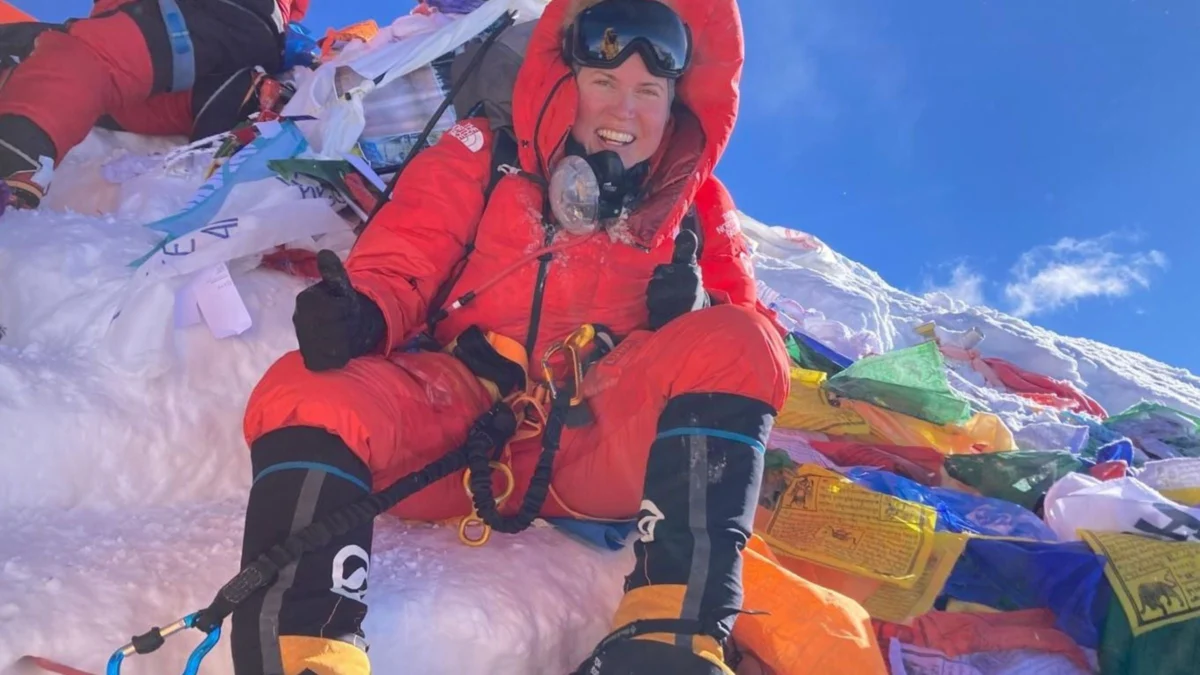
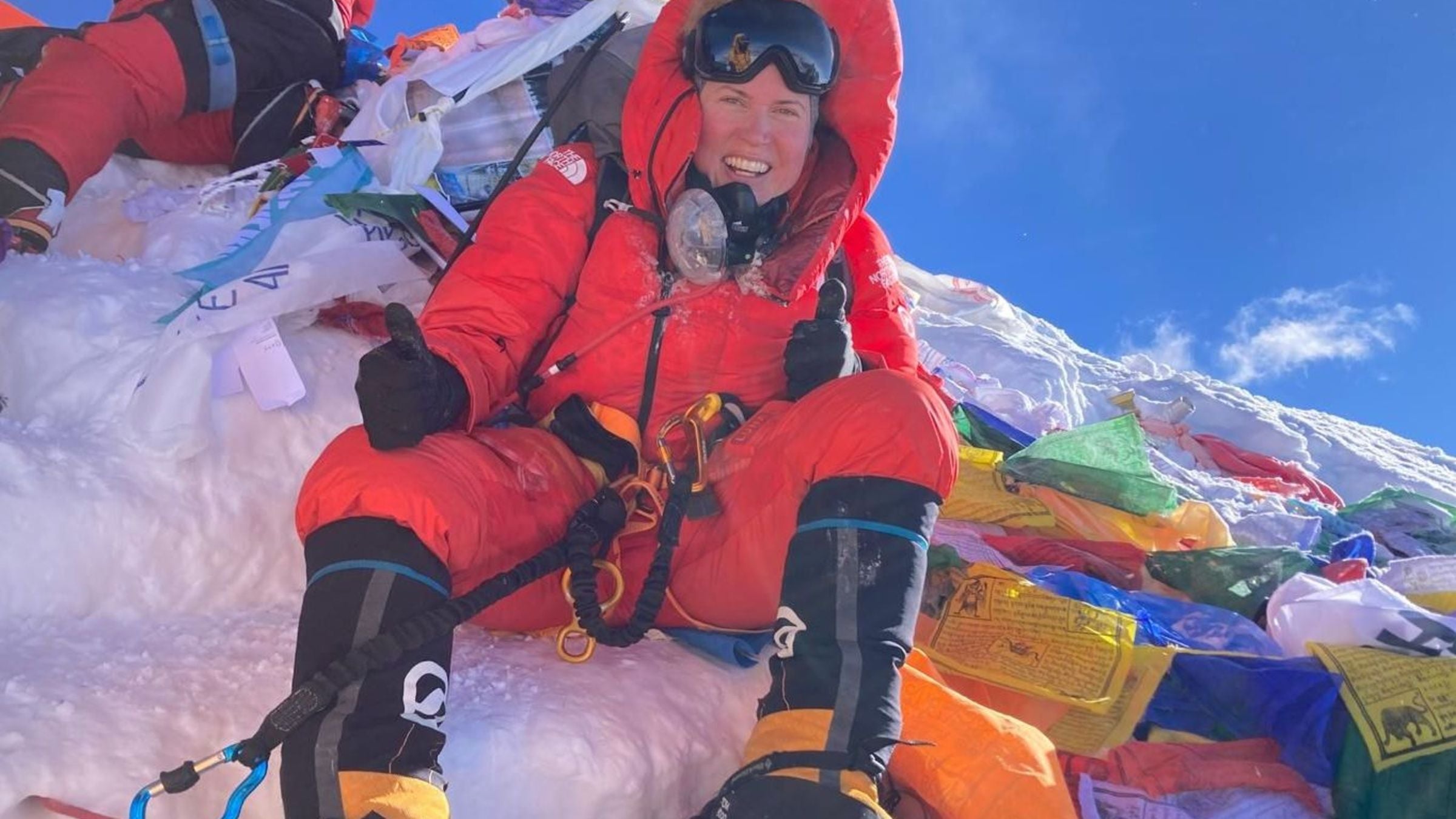
For high-altitude mountaineer Megan Rath, who has successfully scaled the Seven Summits, managing extreme geographical and temporal shifts requires advanced technological and physiological interventions. Preparing for climbs that span multiple time zones and severe altitudes demands absolute precision.
For her expedition to Lhotse, the world’s fourth-highest peak, Rath incorporated Timeshifter, a specialized mobile application utilizing circadian neuroscience algorithms. By inputting detailed parameters—including baseline sleep architecture, age, biological sex, caffeine consumption, and comprehensive flight itineraries—the platform generates a customized behavioral schedule. The application issues timed prompts for light exposure, darkness mitigation, strategic caffeine intake, and sleep windows.
"It’s all about light control—when you’re seeing light, when you’re not—and that mindset shift was a game changer," Rath explains. Despite enduring a complex travel itinerary comprising consecutive red-eye flights and a nearly ten-hour time difference, adhering strictly to the application’s protocols allowed her to arrive at the remote staging grounds feeling exceptionally well-adjusted.
Rath’s preparation also integrates specialized pre-acclimatization tools, such as hypoxic generators that simulate high-altitude oxygen reduction, allowing her body to adapt prior to stepping onto the mountain. Furthermore, her hydration protocols are mathematically rigorous: "If you’re drinking two liters at sea level, you’re drinking four at altitude, no exceptions, because your body is working that much harder," she notes, recommending small, frequent sips every 15 minutes to maximize cellular absorption while strictly avoiding alcohol and high-sugar beverages that accelerate fluid loss and degrade sleep quality.
Broader Implications for Athletic Performance and Sports Science
The growing emphasis on mitigating jet lag reflects a broader paradigm shift in elite sports science. Historically viewed as an unavoidable inconvenience, circadian disruption is now recognized as a quantifiable variable that directly impacts career longevity, injury rates, and podium outcomes.
As international competition schedules continue to expand and globalize, sports federations and coaching staffs are increasingly investing in specialized travel logistics, sleep coaching personnel, and biometric monitoring technology. By treating circadian alignment with the same rigor traditionally reserved for strength and conditioning, modern athletes are successfully bridging the gap between global mobility and optimal physical execution, proving that crossing oceans no longer has to mean crashing on arrival.



 Diana Nuri Rohmawati

 Gabriela Annisa

 Lukman Taruna Persada Ramadan

 Tatiana Tantri Indah Sari
