
 Anjar Salim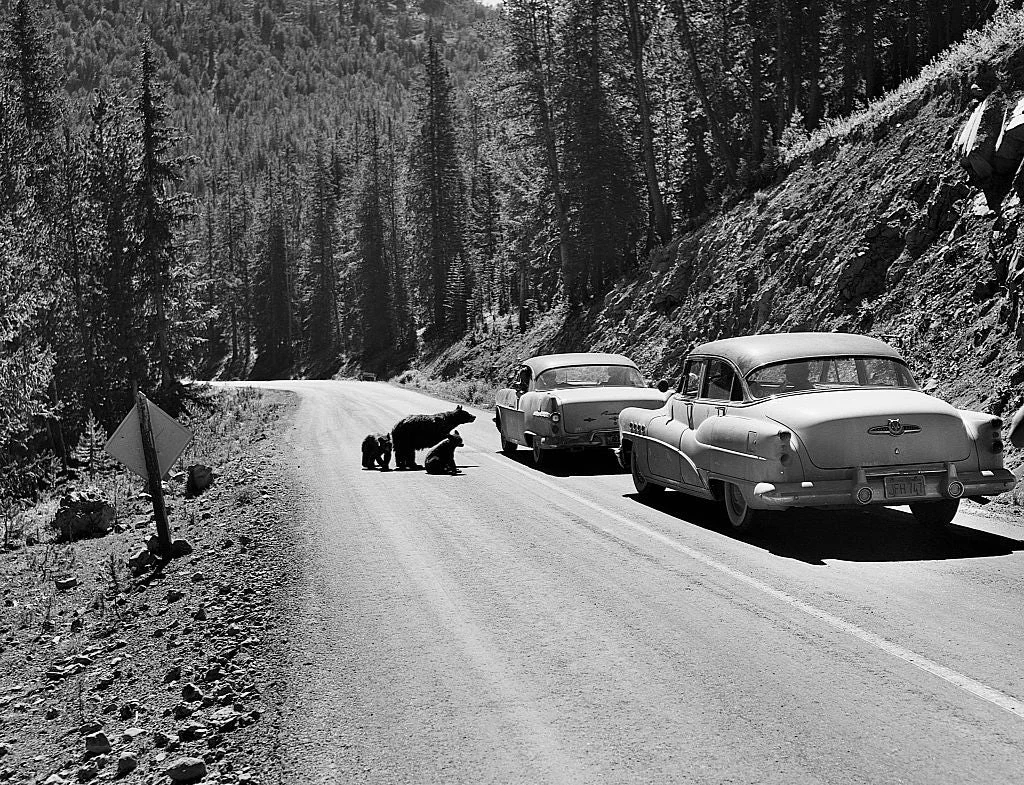
The National Park Service (NPS) is conducting a comprehensive review of safety protocols following two separate grizzly bear attacks in the Rocky Mountain region during the first week of May 2026. These incidents, occurring within 48 hours of each other in Glacier National Park and Yellowstone National Park, have reignited a national dialogue regarding the balance between wildlife conservation and the safety of the millions of tourists who visit these protected wilderness areas annually.
On May 6, 2026, officials at Glacier National Park confirmed the first fatal grizzly bear encounter within the park’s boundaries in 28 years. The victim, whose remains were discovered near the Mount Brown Lookout trail, was reportedly hiking in a high-elevation area known for its rugged terrain and dense grizzly population. This tragedy followed an attack on May 4, approximately 400 miles to the south in Yellowstone National Park, where two hikers sustained non-fatal injuries after encountering a grizzly on a backcountry trail.
Outside of Alaska, the Rocky Mountain corridor—specifically the ecosystems surrounding Glacier and Yellowstone—represents the highest concentration of grizzly bears (Ursus arctos horribilis) in the contiguous United States. While the proximity of these two events has caused alarm among the public, wildlife biologists and federal bear recovery experts suggest that the timing is likely a tragic coincidence rather than a shift in ursine behavior or environmental health.
Chronology of the May 2026 Incidents
The sequence of events began on the morning of May 4 in the northern backcountry of Yellowstone National Park. Two hikers were traversing a trail when they surprised a grizzly bear at close range. According to park rangers, the bear exhibited defensive behavior, a common reaction when a grizzly is startled. The hikers were able to deploy bear spray, which successfully deterred the animal, but not before both individuals suffered lacerations and puncture wounds. They were transported to a regional medical center and have since been released.
Two days later, on May 6, the situation in Glacier National Park turned fatal. The incident occurred on the Mount Brown Lookout trail, a strenuous 10-mile round-trip trek that gains 4,200 feet in elevation. The trail, which originates near the historic Lake McDonald Lodge, is popular for its panoramic views but is also known for its steep switchbacks and dense timber—factors that can contribute to surprise encounters.
Search and rescue teams were dispatched after the hiker was reported overdue. The subsequent investigation revealed evidence of a predatory or defensive encounter with a grizzly. This marks the first fatality in Glacier involving a bear since the late 1990s, a statistic that underscores the rarity of such events despite the park’s high bear density.
Expert Analysis: Randomness vs. Trend
Chris Servheen, who served as the national grizzly bear recovery coordinator for the U.S. Fish and Wildlife Service for 35 years, has emphasized that these incidents do not indicate a "new normal." According to Servheen, the occurrence of two attacks in such a short timeframe is a statistical anomaly.
"They are unfortunate random events," Servheen stated in a recent assessment of the tragedies. He noted that nearly every grizzly attack in the lower 48 states is categorized as an act of "natural aggression." This typically involves three specific scenarios: a hiker surprising a bear at a short distance, a person coming between a sow and her cubs, or an encounter involving a bear defending a carcass or other food source.
Statistically, the risk of a fatal encounter remains extremely low. On average, there is less than one grizzly-related fatality per year in the contiguous United States. When contrasted with the millions of visitors who enter the National Park system each year, the probability of an attack is lower than that of being struck by lightning or being involved in a fatal traffic accident on the way to the park entrance.
Data and Population Dynamics
The recovery of the grizzly bear in the American West is considered a significant conservation success story. In the mid-1970s, the grizzly population in the lower 48 states had dwindled to fewer than 800 bears. Today, that number has grown to approximately 2,200 individuals, primarily distributed across the Greater Yellowstone Ecosystem (GYE) and the Northern Continental Divide Ecosystem (NCDE), which includes Glacier National Park.
As bear populations expand and human recreation in the backcountry reaches record levels, the "interface" between the two species has grown. In 2025, Yellowstone and Glacier combined saw over 8 million visitors. The National Park Service notes that while bear populations are stable or increasing, the number of human-bear conflicts has not risen proportionally, largely due to successful public education and bear-resistant infrastructure.
| Region | Estimated Grizzly Population | Annual Visitors (Approx.) | Fatalities (Last 20 Years) |
|---|---|---|---|
| Greater Yellowstone (GYE) | 1,100+ | 4.5 Million | 8 |
| Northern Continental Divide (NCDE) | 1,100+ | 3.5 Million | 4 |
Historical Context and Management Evolution
The recent attacks inevitably draw comparisons to the "Night of the Grizzlies," a landmark event in August 1967 (often cited in historical archives) where two women were killed by grizzlies in separate locations within Glacier National Park on the same night. That event served as a catalyst for a total overhaul of bear management policies in the United States.
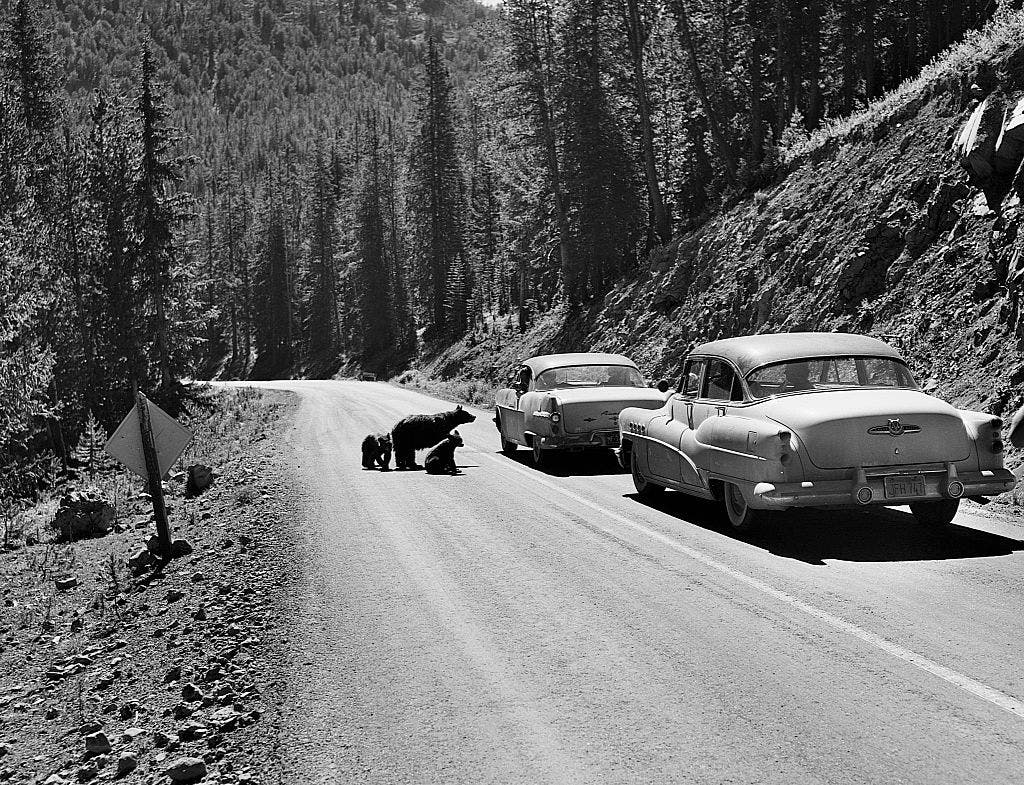
Prior to 1967, the National Park Service allowed, and sometimes encouraged, the feeding of bears for tourist entertainment. Open-pit garbage dumps were common within park boundaries, leading to "food conditioning," where bears associated humans with easy nutritional rewards. A food-conditioned bear loses its natural fear of humans, making it significantly more dangerous.
Modern management focuses on "Bear Aware" protocols. These include the installation of bear-resistant trash receptacles, strict backcountry food storage regulations, and the widespread promotion of bear spray. Experts like Servheen credit these measures with keeping the fatality rate low even as human visitation has surged. "The parks are remarkably safe because they do such a good job at keeping human food away from bears," Servheen noted.
The Role of Trail Topography and Seasonality
The location of the Glacier National Park attack, the Mount Brown Lookout trail, provides insight into why encounters occur. In early May, much of the high-country remains covered in snow, forcing both humans and bears to use the same cleared paths or lower-elevation corridors.
Local journalists and frequent hikers in the Montana region note that bears frequently use human trails for ease of movement, especially through dense brush. While bears generally attempt to avoid human contact, the presence of blind corners, switchbacks, and the noise of rushing spring meltwater can mask the sound of an approaching hiker, leading to a surprise encounter.
The National Park Service emphasizes that bears are "on the clock" 24 hours a day, focused on foraging and cub rearing. Unlike humans, they do not have the luxury of "off days," and their reactions are governed by instinctual survival mechanisms.
Official Responses and Public Safety Mandates
In response to the May incidents, the NPS has temporarily closed several trailheads in both Yellowstone and Glacier to allow bear management teams to monitor the animals involved. In Yellowstone, the bear involved in the May 4 attack is not currently being sought for removal, as the incident was deemed a defensive encounter. However, in Glacier, officials are still evaluating the circumstances of the fatality to determine if the bear displays predatory behavior, which would necessitate its removal from the population.
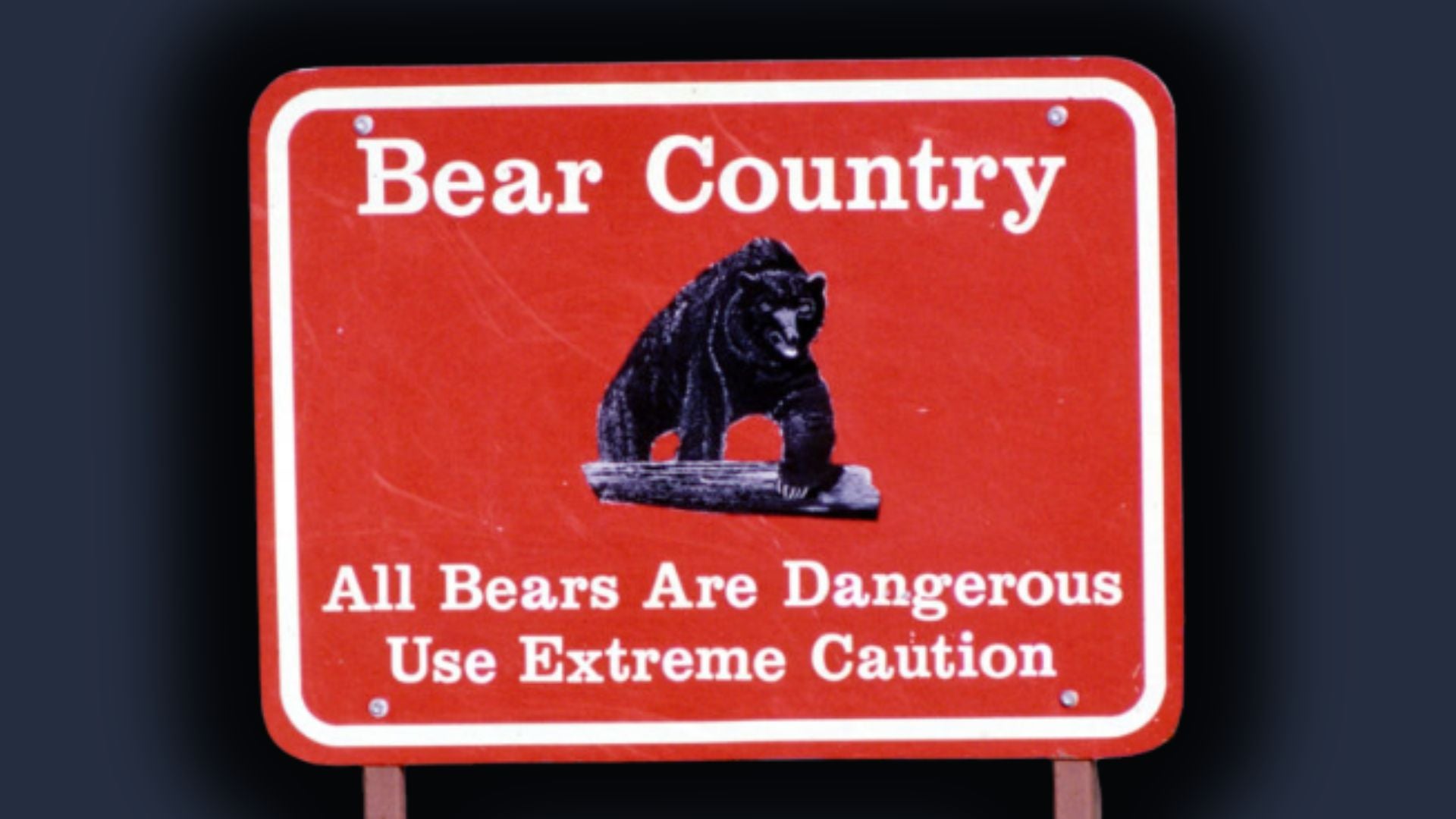
The U.S. Forest Service and the NPS have issued joint reminders to the public regarding backcountry safety. The primary objective is to prevent the habituation of bears. When a bear becomes comfortable around humans, the likelihood of a negative encounter increases.
Broader Implications for Grizzly Conservation
These attacks occur amidst an ongoing political and biological debate regarding the delisting of grizzly bears from the Endangered Species Act (ESA). Proponents of delisting argue that the populations in the GYE and NCDE have met recovery targets and should be managed by state agencies in Montana, Wyoming, and Idaho. Opponents argue that habitat fragmentation and the risks posed by climate change on food sources (such as whitebark pine seeds) mean the bears still require federal protection.
Tragic encounters often fuel the debate over how many bears the landscape can—or should—support. However, wildlife biologists maintain that the presence of apex predators is a hallmark of a healthy, intact ecosystem. The challenge for the coming decade will be managing the "human footprint" in these wild spaces.
Guidelines for Recreating in Bear Country
The National Park Service maintains that while the backcountry is never 100% risk-free, adherence to specific protocols can mitigate the danger of grizzly encounters. Experts recommend the following five essential safety practices:
- Carry Bear Spray and Know How to Use It: Bear spray has been proven more effective than firearms in deterring charging bears. It should be carried in an easily accessible holster, not inside a backpack.
- Make Noise: Human speech, singing, or clapping helps alert bears to your presence before you are within their "personal space" or "flight zone." This is especially critical near streams, in wind, or in dense vegetation.
- Hike in Groups: There are very few recorded instances of grizzlies attacking groups of three or more people. Larger groups are louder and more intimidating to a bear.
- Store Food and Trash Properly: Whether in a campground or the backcountry, all attractants must be stored in bear-resistant containers or hung according to park regulations.
- Never Approach Wildlife: Maintain a minimum distance of 100 yards from bears at all times. Using binoculars or telephoto lenses allows for safe viewing without stressing the animal.
As the 2026 summer season approaches, park officials are urging visitors to remain vigilant. The recent tragedies serve as a somber reminder that Yellowstone and Glacier are not theme parks, but wild ecosystems where humans are guests in the habitat of powerful, wild animals. Management teams continue to monitor trail activity, ensuring that both the grizzly populations and the public can coexist in these iconic landscapes.




 Chandra Hamzah
 Tatiana Tantri Indah Sari
 Budi Mulyono
 Lukman Taruna Persada Ramadan