
 Tatiana Tantri Indah Sari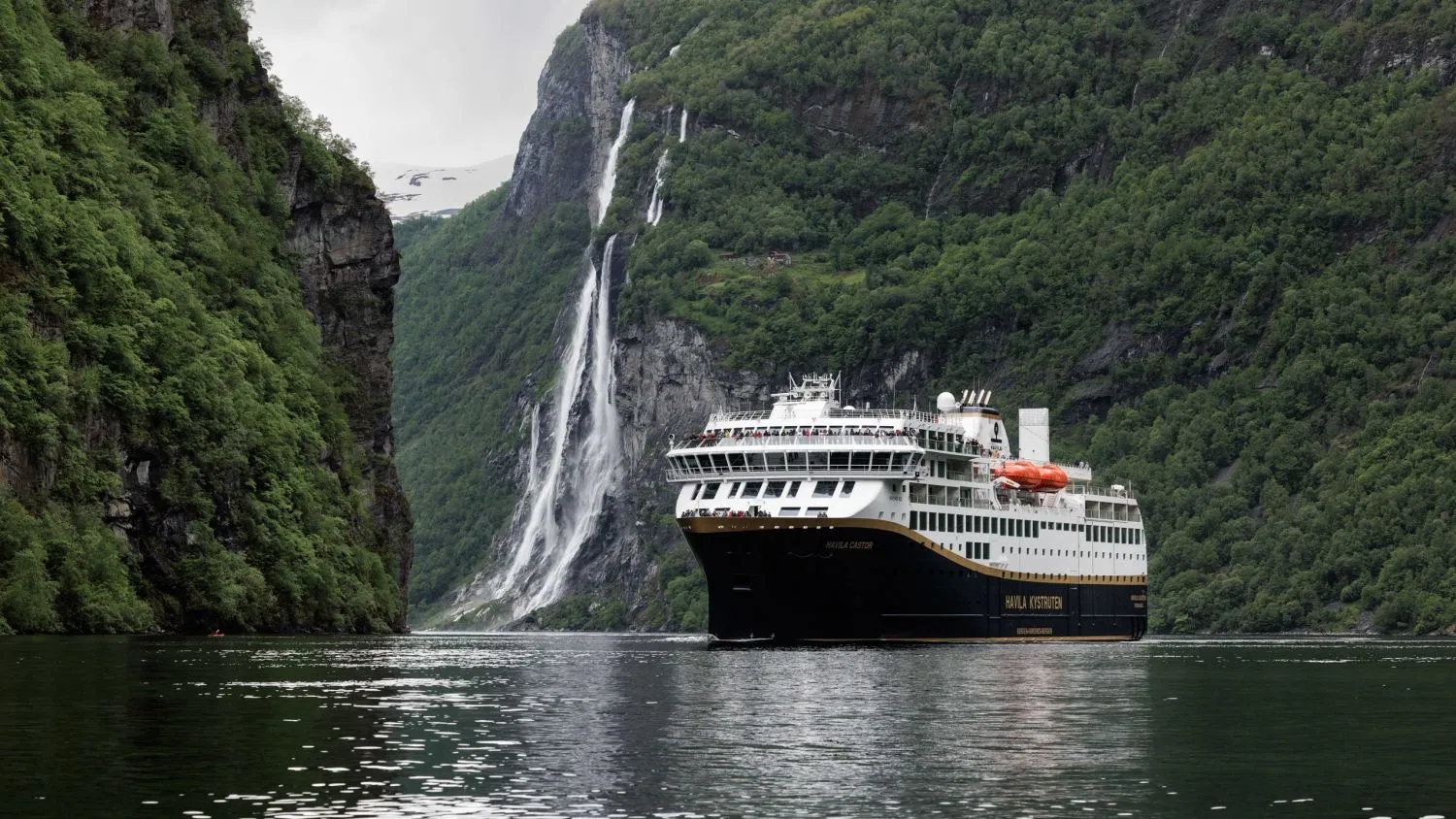
The Norwegian coastal operator Havila Voyages is set to complete a landmark 12-day passenger voyage along Norway’s iconic Bergen-to-Kirkenes route in late 2025, utilizing biogas as its primary fuel source. This ambitious journey, projected to slash greenhouse gas emissions by an impressive 90% compared to conventional marine fuels, represents one of the most compelling proof points yet for the technical viability of low-emission cruising, particularly for smaller vessels. While the achievement underscores a significant stride towards decarbonizing the maritime sector, it simultaneously casts a stark spotlight on the formidable challenges inherent in scaling up sustainable fuel production to meet burgeoning industry demand. The success of this voyage, therefore, is not merely a testament to technological innovation but a critical barometer for the broader transition towards a greener global shipping industry.
Havila Voyages, a relative newcomer to the historic Norwegian coastal route, has distinguished itself through a profound commitment to environmental stewardship since its inception. Established to operate four of the 11 ships on the Bergen-Kirkenes route, Havila entered service with a fleet designed from the keel up for sustainability. Each of their vessels – Havila Capella, Havila Castor, Havila Polaris, and Havila Pollux – is a state-of-the-art hybrid, featuring the world’s largest battery packs on a passenger ship, complemented by LNG (liquefied natural gas) engines. This design allows them to sail silently and emission-free for up to four hours, often in environmentally sensitive fjords, and to connect to shore power wherever available, eliminating local emissions while docked. The integration of biogas into their operational strategy is a natural progression of this foundational environmental philosophy, pushing the boundaries of what is achievable in sustainable maritime transport.
The Global Imperative for Decarbonization
The maritime industry, responsible for approximately 3% of global greenhouse gas emissions, faces immense pressure to decarbonize. International regulations, primarily driven by the International Maritime Organization (IMO), mandate significant reductions in emissions. The IMO’s initial strategy aimed to cut total annual greenhouse gas emissions from international shipping by at least 50% by 2050 compared to 2008 levels, with a vision for full decarbonization as soon as possible. More recently, in July 2023, the IMO revised its targets, setting an enhanced ambition to reach net-zero GHG emissions by or around 2050, with indicative checkpoints of 20% reduction by 2030 and 70% by 2040 (compared to 2008). These targets necessitate a fundamental shift away from traditional heavy fuel oil (HFO) and marine gas oil (MGO), which have long powered the vast majority of the global fleet.
Conventional marine fuels, primarily HFO and MGO, are derivatives of crude oil. When burned, they release a cocktail of pollutants, including sulfur oxides (SOx), nitrogen oxides (NOx), particulate matter (PM), and significant quantities of carbon dioxide (CO2). The IMO 2020 sulfur cap, which came into effect on January 1, 2020, significantly reduced the permissible sulfur content in marine fuel from 3.5% to 0.5% globally. This regulation compelled ship operators to either switch to very low sulfur fuel oil (VLSFO), MGO, or install exhaust gas cleaning systems (scrubbers) to continue burning HFO. While this addressed sulfur emissions, the challenge of reducing CO2 and other greenhouse gases remained paramount.
This regulatory landscape has spurred a frantic search for alternative fuels. LNG, while still a fossil fuel, offers reductions in SOx, NOx, and particulate matter, and can achieve modest CO2 reductions (10-20%) compared to HFO, making it a popular "bridge fuel" for new builds. However, its methane slip (unburned methane released into the atmosphere, a potent greenhouse gas) is a concern. Beyond LNG, the industry is exploring a diverse portfolio of future fuels, including methanol, ammonia, hydrogen, and various biofuels, including biogas. Each presents its own set of challenges regarding production, storage, safety, and infrastructure, but all are critical components in the mosaic of green shipping solutions.
Havila’s Proactive Timeline and Technological Edge
Havila Voyages’ commitment to sustainability began long before their first ship entered service. When the company secured its contract to operate on the coastal route, it explicitly committed to the most environmentally friendly vessels possible. The order for their four ships, placed with Tersan Shipyard in Turkey, specified LNG-hybrid propulsion, a pioneering move for a passenger fleet of this scale.
- 2018: Havila Voyages announces plans for four newbuild ships, emphasizing environmental technology, including LNG and large battery packs.
- 2021: The first vessel, Havila Capella, is delivered in late 2021, showcasing the hybrid propulsion system and shore power capabilities. It immediately starts operating on LNG, which provides a significant reduction in CO2 and NOx emissions compared to traditional diesel.
- 2022-2023: Havila Castor, Havila Polaris, and Havila Pollux enter service, completing the fleet. Throughout this period, Havila actively explores and tests the use of biogas as a direct drop-in fuel for its LNG engines, leveraging the existing infrastructure.
- Late 2025 (Projected): The planned 12-day voyage on biogas is set to be completed. This milestone represents the culmination of their efforts to transition from fossil LNG to renewable biogas, demonstrating full operational viability over an extended period and distance.
Each of Havila’s vessels boasts a 6.1 MWh battery pack, allowing for up to four hours of emission-free sailing. They are also equipped with an energy-efficient hull design and waste heat recovery systems, further minimizing their environmental footprint. The ability to utilize biogas in their existing LNG engines is a critical advantage, as it bypasses the need for entirely new propulsion systems or extensive retrofitting, thus accelerating the transition process. The 90% emissions reduction claimed for the biogas voyage refers to the lifecycle greenhouse gas emissions compared to marine diesel, accounting for the renewable nature of the biogas feedstock.
The Biogas Breakthrough: A Closer Look
Biogas is a renewable fuel produced from the anaerobic digestion of organic matter, such as agricultural waste, manure, sewage sludge, and municipal solid waste. When upgraded to biomethane, it is chemically identical to natural gas and can be used interchangeably in engines designed for LNG. This "drop-in" capability is what makes biogas particularly attractive for ships already equipped with LNG propulsion. Its production diverts waste from landfills, reducing methane emissions from decomposition, and provides a valuable energy source. The fact that it can be produced locally also offers potential benefits for energy security and regional economic development.
The 12-day voyage along the challenging Norwegian coast, covering over 2,500 nautical miles, is designed to thoroughly test the operational performance, reliability, and fuel consumption of biogas under real-world conditions. This route, renowned for its dramatic landscapes and often unpredictable weather, provides an ideal proving ground for green technologies. The successful completion of this journey will not only validate biogas as a viable marine fuel but also provide invaluable data for future scaling efforts and for other operators considering similar transitions.
The Scaling Conundrum: Biogas Supply and Demand in Norway
Despite the clear environmental benefits and technical viability, the primary obstacle to widespread adoption of biogas in maritime shipping, and indeed across other sectors, remains one of scale. As Lasse Vangstein, Havila Voyages’ Chief Communications and Sustainability Officer, articulated, "Scaling production is the key challenge. The biogas exists, but the infrastructure to produce it at scale is not there yet."
This challenge is starkly illustrated by the figures provided by Havila. Their entire fleet of four vessels would require approximately 0.3 terawatt-hours (TWh) of biogas annually to operate fully on this renewable fuel. While Norway is a significant energy producer, its total national biogas production in the most recent reported year stood at approximately 0.88 TWh. This means that if Havila were to fully transition its four ships to biogas, they would consume roughly one-third of Norway’s entire current national supply.
Such a scenario highlights several critical bottlenecks:
- Feedstock Availability: While organic waste is abundant, collecting, transporting, and processing it efficiently into biogas requires significant infrastructure and logistical networks. Competition for feedstock from other sectors (agriculture, industrial heating, road transport) is also a factor.
- Production Infrastructure: Building new anaerobic digestion plants and upgrading facilities to produce biomethane (suitable for marine use) requires substantial capital investment, permitting, and time.
- Distribution Network: Once produced, biogas needs to be liquefied or compressed and transported to bunkering facilities. The existing infrastructure for marine biogas bunkering is nascent, particularly for larger volumes.
- Cost: Currently, biogas is generally more expensive than fossil LNG, reflecting the higher production costs and the relatively small scale of the market. Government incentives and carbon pricing mechanisms will be crucial to bridge this cost gap.
Norway, with its ambitious climate targets and rich natural resources, has the potential to significantly increase its biogas production. Initiatives are underway to expand infrastructure and incentivize production from various sources, including fish farming waste, agricultural residues, and municipal bio-waste. However, these efforts require sustained investment, policy support, and technological advancements to meet the rapidly growing demand from sectors eager to decarbonize.
Industry Perspectives and Official Responses
The pioneering efforts of Havila Voyages are being closely watched by the broader maritime industry, regulators, and environmental organizations.
- Lasse Vangstein (Havila Voyages): "Our 12-day biogas voyage is more than just a trip; it’s a statement of intent and a crucial learning opportunity. We are proving that this technology works, that a 90% emissions cut is achievable today. The next step is a collaborative effort – we need governments, energy producers, and the shipping industry to work together to unlock the potential of sustainable fuels. Investment in production facilities and robust supply chains is paramount." Vangstein added that Havila is actively engaging with Norwegian energy companies and authorities to explore long-term supply agreements and support the expansion of biogas infrastructure.
- Norwegian Ministry of Climate and Environment (Inferred): Officials from the Norwegian government would likely commend Havila’s initiative as a concrete step towards Norway’s national climate goals and its ambition to be a leader in green maritime. They would likely emphasize ongoing government support for renewable energy development, including biogas, through various funding mechanisms, research grants, and policy frameworks aimed at stimulating production and reducing costs. The government recognizes the strategic importance of developing domestic sustainable fuel sources not only for environmental reasons but also for energy security and economic diversification.
- Maritime Analysts: Industry analysts generally view biogas as a valuable component of the decarbonization toolkit, especially for existing LNG-fueled vessels. However, many echo Vangstein’s concerns about scalability. "Biogas is excellent for demonstrating feasibility and for niche applications, but it’s unlikely to be the sole solution for the entire global fleet," stated a leading maritime energy consultant (hypothetical inference). "Its limited availability and higher cost mean it will likely play a significant role as a premium fuel for specific routes or as part of a multi-fuel strategy, complementing other emerging fuels like green methanol or ammonia."
- Environmental NGOs: While generally positive about initiatives that demonstrate tangible emissions reductions, environmental groups often maintain a cautious optimism. They would likely praise Havila’s commitment but also stress the urgency of accelerating sustainable fuel production on a much larger scale, warning against the potential for "greenwashing" if such efforts remain isolated or fail to address the systemic issues of fuel availability and infrastructure.
Broader Implications for Green Shipping
The success of Havila’s biogas voyage, even if projected, holds profound implications:
- Sets a Precedent: It provides a tangible example for other cruise lines and shipping companies, demonstrating that significant emissions reductions are not only desirable but also achievable with existing technology.
- Boosts Biogas Industry: Increased demand from a high-profile sector like cruise shipping can stimulate investment in biogas production and research, potentially driving down costs and improving efficiency.
- Policy Influence: Such pioneering projects provide crucial real-world data that can inform policymakers, demonstrating the need for targeted incentives, regulatory support, and infrastructure development to accelerate the energy transition.
- Consumer Awareness: Showcasing emission-free voyages can raise public awareness and demand for sustainable travel options, putting pressure on the wider tourism industry to follow suit.
- Transition Fuel Status: Biogas, along with other advanced biofuels, is increasingly seen as a vital transition fuel, capable of bridging the gap until truly zero-emission solutions like green hydrogen and ammonia are fully mature and scalable. It allows operators to reduce their carbon footprint today while future technologies develop.
However, the challenges highlighted by Havila remain. The sheer volume of fuel required by the global shipping fleet—estimated to consume around 300 million tonnes of fuel annually—underscores the immense scale of the transition required. Even if Norway quadrupled its biogas production, it would still only meet a fraction of the demand from its own domestic fleet, let alone international shipping. Therefore, a multifaceted approach, encompassing energy efficiency measures, electrification for short-sea shipping, and a portfolio of sustainable fuels (including green hydrogen, ammonia, and methanol produced from renewable sources), will be essential to achieve the IMO’s ambitious net-zero targets.
Havila Voyages’ impending biogas voyage is more than just a company milestone; it is a critical experiment and a powerful symbol. It demonstrates the technical feasibility of deep decarbonization in a challenging operational environment while simultaneously underscoring the formidable, yet not insurmountable, hurdles of scaling sustainable fuel production. As the maritime industry navigates its complex path to net-zero, such pioneering efforts provide both inspiration and a clear roadmap for the collective action required to usher in an era of truly green shipping. The journey to late 2025, and beyond, will be defined by how effectively these scaling challenges are addressed through innovation, investment, and international collaboration.



 Anjar Salim
 Chandra Hamzah
 Budi Mulyono
 Lukman Taruna Persada Ramadan
