
 Diana Nuri Rohmawati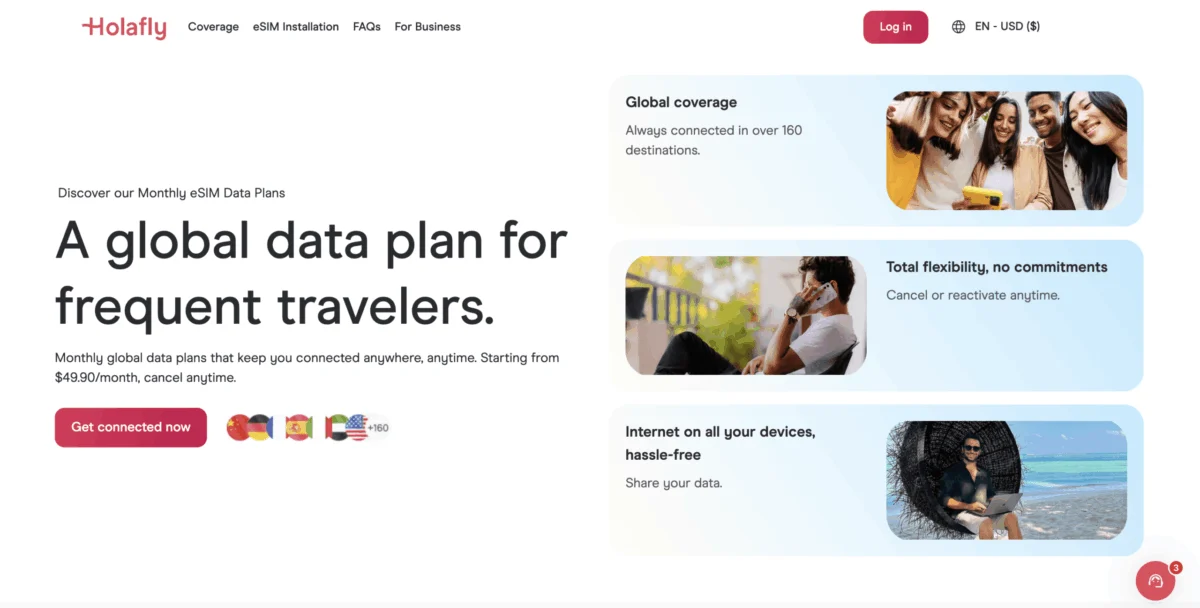
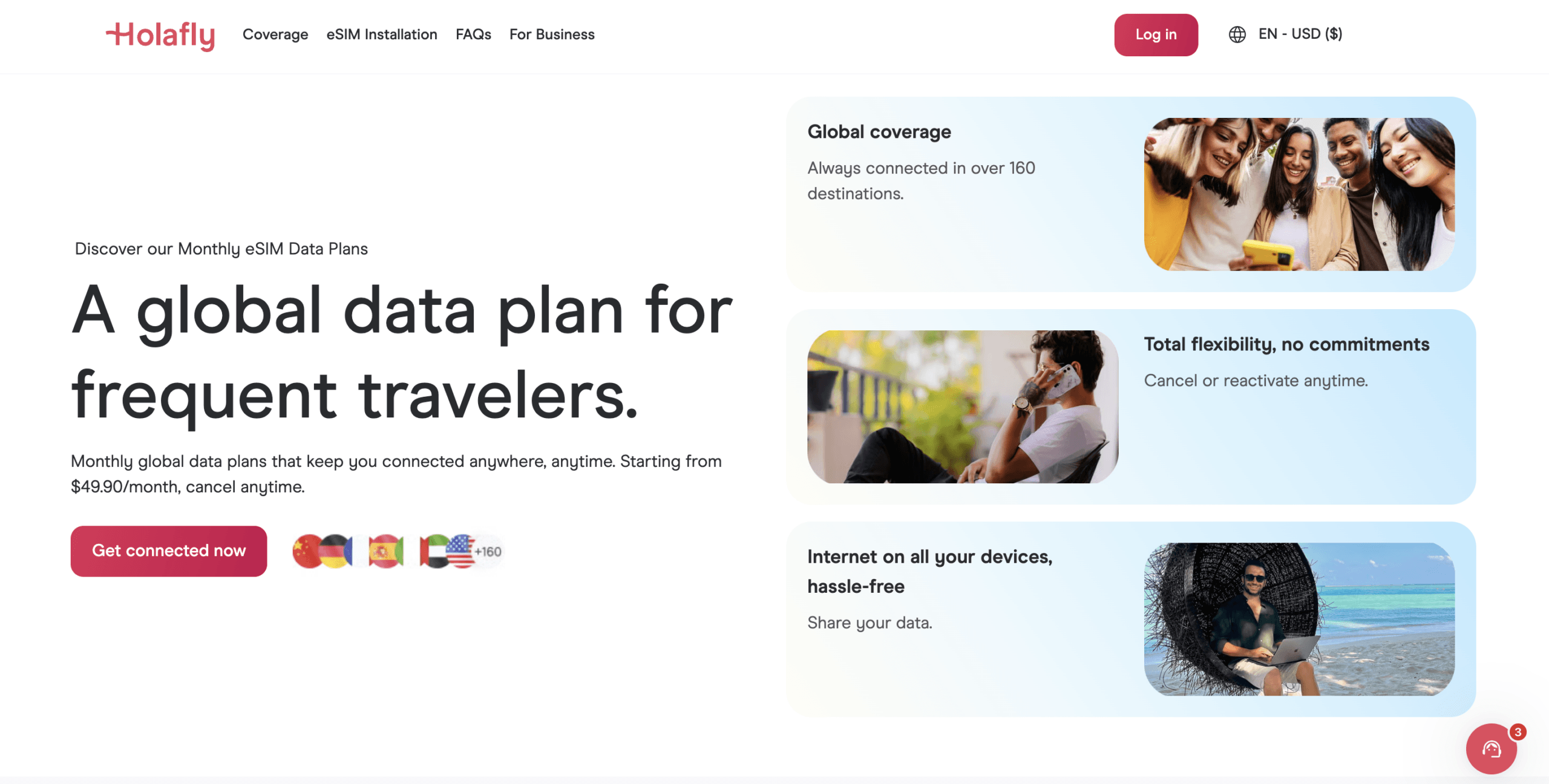
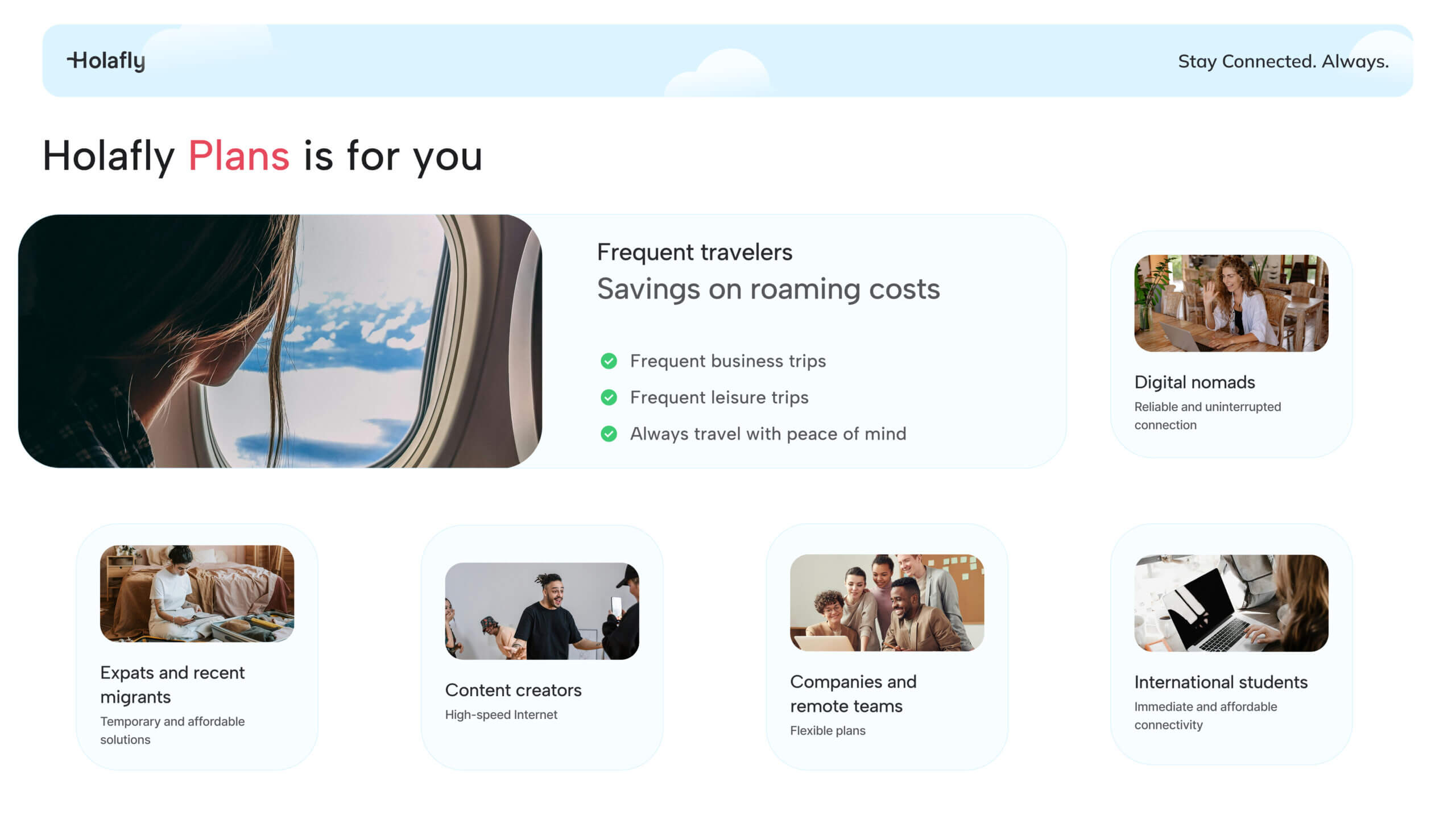
The landscape of international telecommunications is undergoing a significant structural shift as travel technology providers move away from fragmented, single-destination products toward unified global services. Holafly, an established provider of embedded subscriber identity module (eSIM) technology, has officially introduced Holafly Plans. This new product represents a departure from traditional travel data models by offering an ongoing, multi-destination subscription service that operates across more than 160 countries without requiring users to manually swap physical cards or purchase individual regional packages for every border crossed.
Background and Industry Context
For decades, international travelers faced steep roaming fees imposed by domestic mobile network operators or navigated the logistical hurdles of purchasing physical prepaid SIM cards upon arrival at foreign airports. The commercial introduction of eSIM technology—digital SIM profiles integrated directly into smartphone hardware—larged eliminated the need for physical media. Users could scan a Quick Response (QR) code or install a profile via an application to access local cellular networks within minutes.
However, traditional eSIMs remained largely transactional. Travelers embarking on multi-country itineraries were required to purchase separate eSIM packages for each nation, monitor data expiration dates, and repeat the installation process continuously. As the global remote workforce expanded and international travel rebounded following pandemic-era restrictions, consumer demand shifted toward seamless, long-term connectivity solutions that mirror domestic cellular convenience while operating internationally. Holafly Plans was developed to address this operational friction by consolidating global coverage into a single, continuous subscription model.

Product Structure and Tier Specifications
Holafly Plans operates as a recurring monthly, quarterly, or annual subscription with no long-term termination contracts. The service is divided into two primary tiers designed to accommodate varying data consumption profiles:
-
The Unlimited Plan: Aimed at digital nomads, remote professionals, and heavy data users, this tier features unthrottled data allowances alongside unrestricted mobile hotspot capabilities. Subscribers can tether external devices, such as laptops and tablets, without encountering bandwidth restrictions. Additionally, the Unlimited tier includes a local virtual phone number originating from the United States, Canada, or the United Kingdom, enabling users to receive SMS verification messages and calls. Pricing for the annual commitment option starts at approximately $55 USD per month, scaling depending on the chosen billing cycle, with quarterly plans offering an estimated 10 percent discount and annual commitments yielding a 15 percent savings.
-
The Light Plan: Tailored for casual travelers whose usage is primarily restricted to navigation, messaging applications, and occasional web browsing, the Light tier provides a baseline allocation of 25 gigabytes of data per month. Like its counterpart, the Light plan retains hotspot capabilities and maintains coverage across the same network of more than 160 destinations.
In addition to these primary tiers, Holafly has integrated an "Always On" feature across all subscription levels. This supplementary protocol allocates one gigabyte of backup data monthly on a permanent basis, ensuring that basic connectivity remains active even if the primary subscription is temporarily suspended or canceled.
Comparative Economic and Operational Analysis
To contextualize the financial and logistical impact of global eSIM subscriptions, industry analysts often compare them against traditional alternatives, including major carrier international roaming passes and localized prepaid cards.
Historically, major telecommunications providers in North America and Europe have charged between $10 and $15 per day for international roaming add-ons, culminating in monthly expenditures exceeding $300 for continuous travelers. While certain carriers offer mid-tier international plans, these frequently feature high-speed data caps before throttling speeds to unusable bandwidth levels.
Conversely, purchasing localized physical or digital SIM cards upon arrival can cost between $60 and $120 monthly depending on the region, compounded by the administrative burden of managing multiple vendor accounts and dealing with potential service drops during border transits. Holafly’s subscription model positions itself competitively by offering unlimited data and multi-country routing at a lower baseline cost than traditional domestic carrier roaming packages.
Implementation and User Onboarding
The technical deployment of Holafly Plans relies on standard eSIM architecture. Upon purchasing a subscription through the provider’s platform, users receive a digital installation profile. Once activated on a compatible smartphone, the device automatically negotiates connections with partner network operators upon landing in a supported destination.
Customer support infrastructure has been adapted to support the 24/7 nature of global travel, with live technical assistance available to resolve provisioning or network handshake anomalies. Furthermore, the company has implemented a six-month refund policy for subscription cancellations, offering a consumer protection window that exceeds typical industry standards for digital software products.
Market Implications and Future Outlook
The introduction of continuous international eSIM subscriptions reflects a broader maturation of the travel technology sector. As remote work policies become institutionalized across multinational corporations, the boundary between leisure travel and professional relocation continues to blur.
Telecommunications experts note that products eliminating friction points like SIM card swapping and unpredictable roaming charges are likely to capture an increasing market share among frequent flyers, digital nomads, and enterprise travelers. By decoupling international connectivity from home-country carrier monopolies, services such as Holafly Plans underscore a permanent shift toward borderless, software-defined mobile infrastructure.




 Anjar Salim
 Chandra Hamzah
 Tatiana Tantri Indah Sari
 Budi Mulyono
 Lukman Taruna Persada Ramadan
