
 Diana Nuri Rohmawati
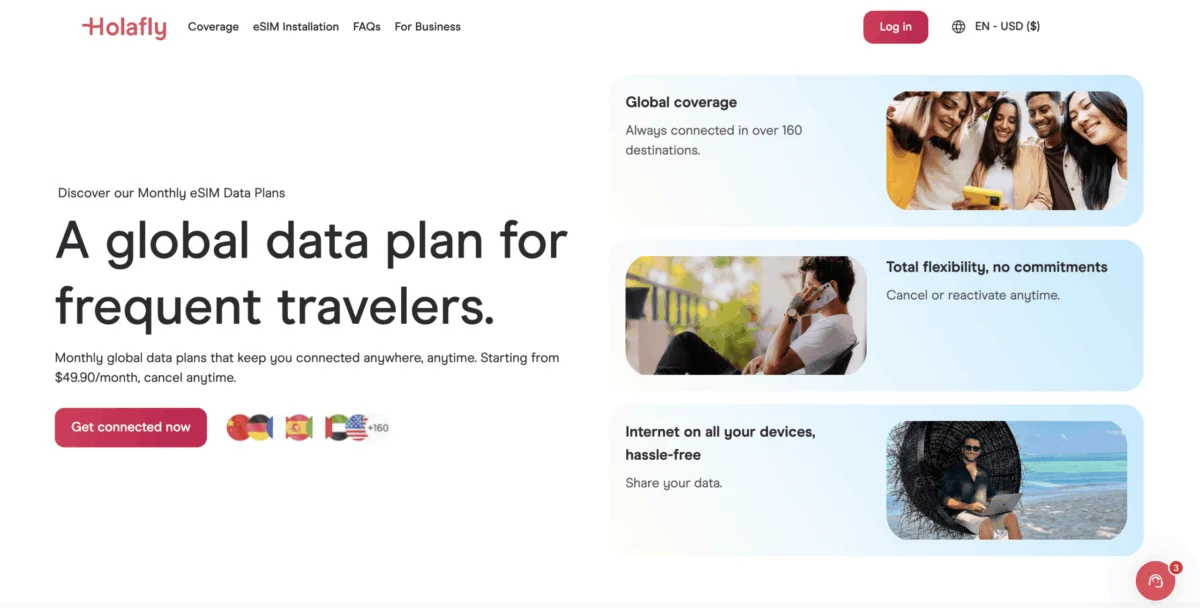
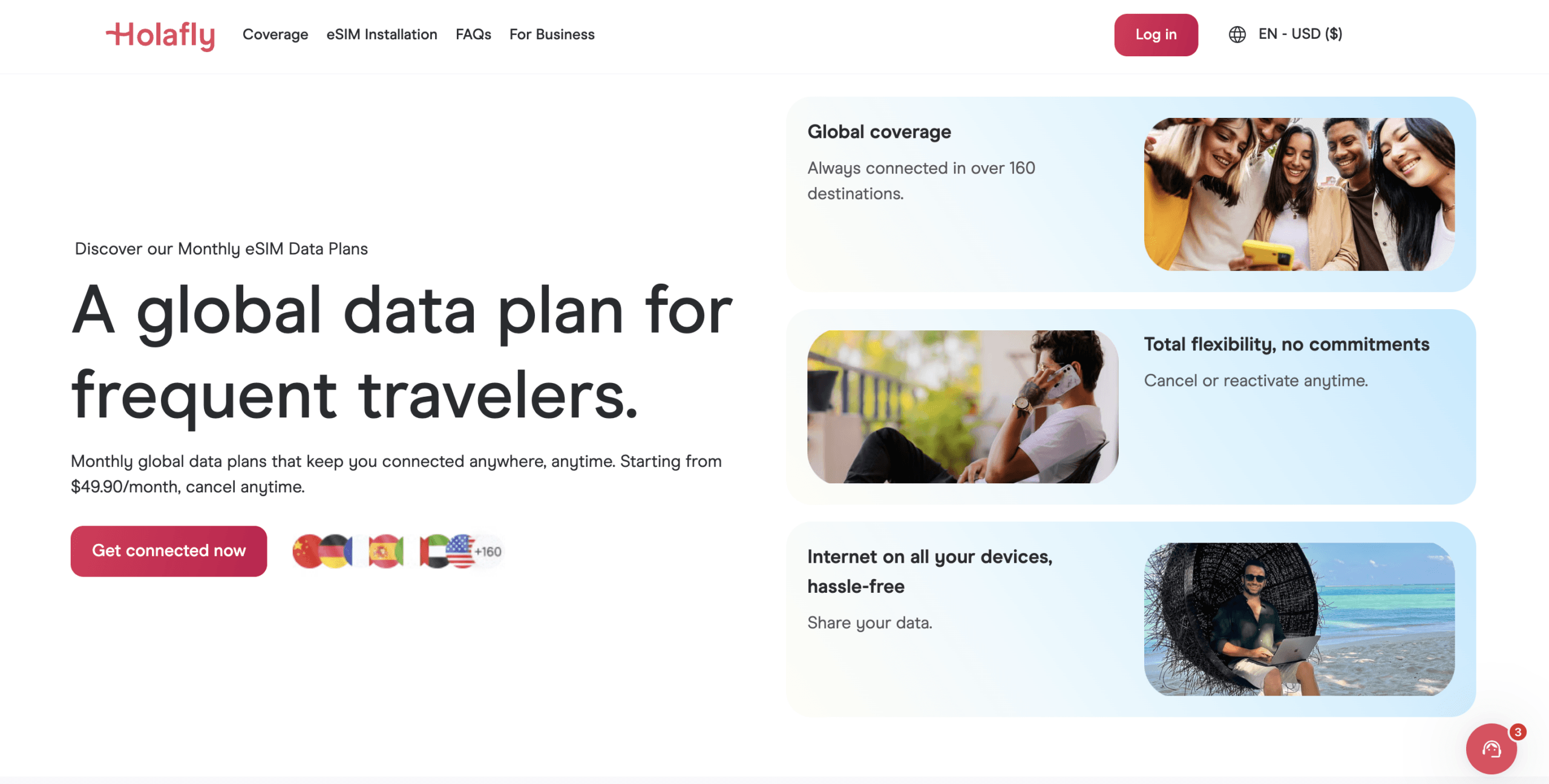
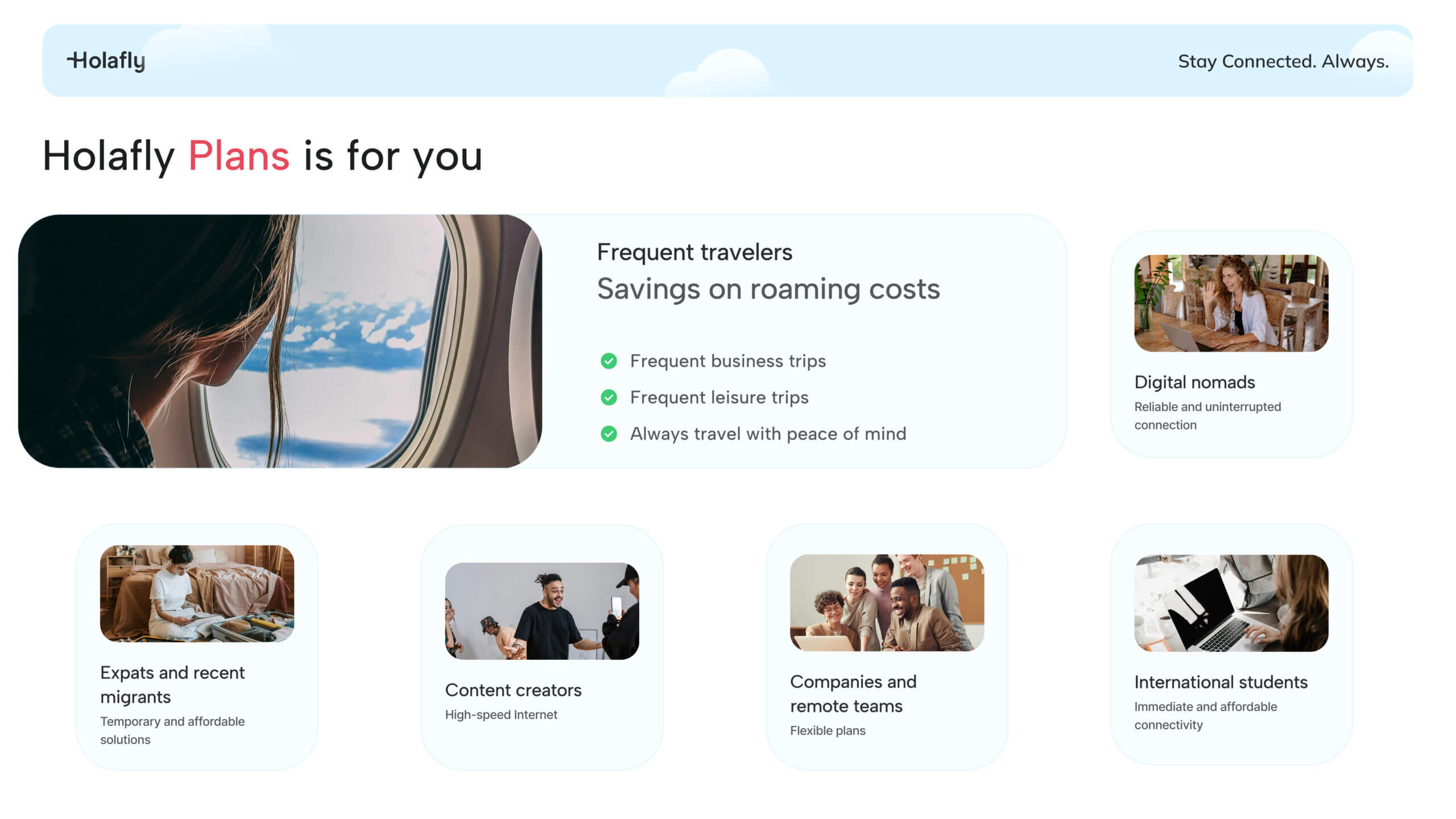
The global telecommunications and travel technology market has witnessed a significant shift with the introduction of Holafly Plans, a continuous international eSIM subscription designed to provide seamless connectivity across more than 160 destinations. Unveiled to address the growing operational friction faced by long-term travelers, digital nomads, and frequent flyers, the product eliminates the necessity of purchasing localized, single-destination SIM cards or managing disparate regional data packages. This development marks a departure from traditional prepaid travel data models, offering a centralized, software-based subscription service intended to function similarly to domestic carrier plans while bypassing exorbitant international roaming fees.
Background and Evolution of eSIM Technology
Embedded Subscriber Identity Module (eSIM) technology has rapidly transformed the telecommunications landscape since its commercial introduction in consumer smartphones. Unlike physical plastic SIM cards, which require manual installation and physical swapping upon arrival in a new country, an eSIM is a programmable chip built directly into the hardware of modern mobile devices. Users activate cellular profiles remotely by scanning a quick response (QR code) or through dedicated mobile applications.
Over the past decade, the travel tech sector popularized single-trip prepaid eSIMs, allowing tourists to purchase fixed data allocations for specific countries or regions. While these products successfully replaced costly airport SIM kiosks, they introduced a recurring logistical burden for frequent travelers. Individuals moving rapidly across multiple international borders faced the repetitive task of purchasing, downloading, and configuring new digital profiles for every destination change. Holafly Plans was developed to mitigate this operational friction by introducing an ongoing, borderless subscription model that maintains connectivity automatically upon arrival in supported countries.
Product Architecture and Service Tiers

The newly launched global subscription operates on a unified digital profile that provisions network access dynamically across participating international carriers. Upon landing in a supported destination, the device connects to local partner networks without requiring manual network selection or profile reconfiguration.
The service is structured into two distinct consumer tiers—Light and Unlimited—available on monthly, quarterly, or annual billing cycles.
- Light Plan: Tailored for moderate data consumers, this tier provides 25 gigabytes of high-speed data per month. It maintains full access to the 160-plus destination network and includes mobile hotspot capabilities, making it suitable for navigation, messaging, and casual web browsing.
- Unlimited Plan: Designed for remote workers, digital content creators, and heavy data users, this tier removes data caps entirely. It features unlimited tethering via mobile hotspot, allowing users to connect laptops and secondary devices without restrictions. Additionally, subscribers to this tier receive a localized phone number based in the United States, United Kingdom, or Canada, enabling the reception of SMS verification codes and traditional text messages.
Both tiers incorporate an automated contingency feature designated as "Always On," which provisions one gigabyte of backup data monthly across supported networks. This feature remains active even if the primary subscription is subsequently canceled.
Comparative Economic Analysis
The introduction of global subscription eSIMs directly challenges the business models of traditional tier-one domestic cellular carriers, which have long dominated international roaming through high-cost daily passes or restrictive international add-on packages.
Historically, travelers originating from major markets such as the United States faced roaming fees averaging between $10 and $15 per day, translating to monthly expenditures exceeding $300 for continuous overseas connectivity. Furthermore, traditional domestic carriers frequently impose strict data thresholds, throttling speeds significantly after a nominal daily or monthly usage limit is reached.
By contrast, Holafly Plans introduces standardized pricing models. For example, the Unlimited annual subscription reduces the effective monthly cost to approximately $55 USD, undercutting legacy carrier roaming passes by a substantial margin. Quarterly and annual subscription commitments offer additional percentage-based discounts of 10% and 15%, respectively, providing predictable recurring operational expenses for long-term travelers.
Market Implications and Industry Impact
The deployment of multi-destination continuous eSIM subscriptions reflects broader macroeconomic trends in remote employment and international mobility. The post-pandemic resurgence of cross-border travel, coupled with the permanent institutional adoption of remote work policies, has generated a specialized demographic of consumers who reside outside their home countries for extended periods.
Industry analysts note that subscription-based connectivity products bridge the gap between expensive domestic carrier international plans and cumbersome local prepaid SIM cards. By consolidating multi-country billing into a single recurring invoice, providers like Holafly are capturing market share from traditional telecommunications operators that have been slow to adapt their pricing structures for borderless consumers.
Consumer Considerations and Limitations
While the service offers notable cost and logistical advantages for multi-destination travelers, industry observers emphasize certain limitations. For short-term tourists taking isolated, single-destination vacations—such as a two-week trip to a single country—traditional prepaid destination eSIMs remain the more cost-effective option.
Additionally, the subscription model requires compatible smartphone hardware equipped with active eSIM capabilities, though market penetration of such devices in North America, Europe, and parts of Asia is nearly ubiquitous among modern flagship and mid-range handsets. The service also operates primarily on data transmission, relying on VoIP (Voice over Internet Protocol) applications for traditional voice calls, with the exception of the incoming SMS functionality provided by the Unlimited tier.
Regulatory and Network Reliability
Network performance under Holafly Plans is governed by roaming agreements established with tier-one telecommunications providers in each of the 160-plus covered countries. This ensures access to local 4G, LTE, and 5G network infrastructures comparable to those experienced by local subscribers.
Customer support infrastructure has been scaled to support the continuous subscription model, offering round-the-clock technical assistance through digital channels to resolve potential provisioning or network handshake anomalies immediately upon border crossings.
Outlook for Global Connectivity
As international travel volumes continue to expand and the global remote workforce solidifies its presence, telecommunications providers are expected to face increasing pressure to innovate beyond traditional geographic billing boundaries. The rollout of unified global eSIM subscriptions signals a transition toward fluid, border-agnostic digital utility services, altering consumer expectations regarding mobile data access, pricing transparency, and international connectivity management.



 Gabriela Annisa

 Lukman Taruna Persada Ramadan

 Tatiana Tantri Indah Sari

 Anjar Salim


 Dwi Wanna
