
 Hendra Ismail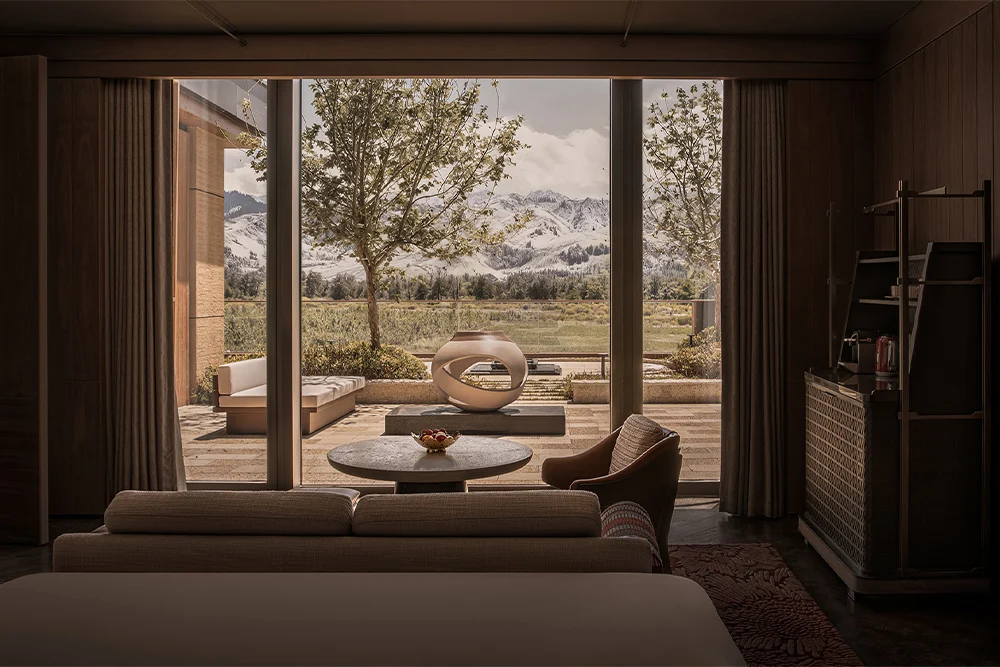
Nestled at the breathtaking confluence of two of China’s most iconic scenic driving routes, the Duku Highway and the Ili “Figure-8” Scenic Loop, a new beacon of luxury hospitality has emerged: the Hotel Indigo Nalati. Located in Nalati Town, within the vast and culturally rich Ili Kazakh Autonomous Prefecture—a region bordering Kazakhstan, Mongolia, and Russia—this new establishment seamlessly integrates with the sweeping grasslands and the majestic Tian Shan mountains that define its dramatic landscape. The hotel, managed by IHG Hotels & Resorts, represents a significant addition to the region’s tourism infrastructure, aiming to offer travelers an immersive experience that goes beyond mere accommodation.
Strategic Design Rooted in Environmental Respect
The architectural vision for Hotel Indigo Nalati, meticulously crafted by CCD/Cheng Chung Design, was to create a hospitality complex that, from a distance, appears as a natural extension of the environment, akin to a "small forest." This ambitious master plan was guided by a profound commitment to minimizing environmental intervention. The design deliberately follows the natural contours of the grasslands, ensuring that the structures gently nestle into the terrain. Consequently, the amenities and guestrooms are thoughtfully dispersed throughout the property in a series of low-rise buildings, connected by an intricate network of winding paths. This decentralized layout not only preserves the pristine natural beauty of Nalati but also offers guests intimate and secluded experiences amidst the expansive scenery.
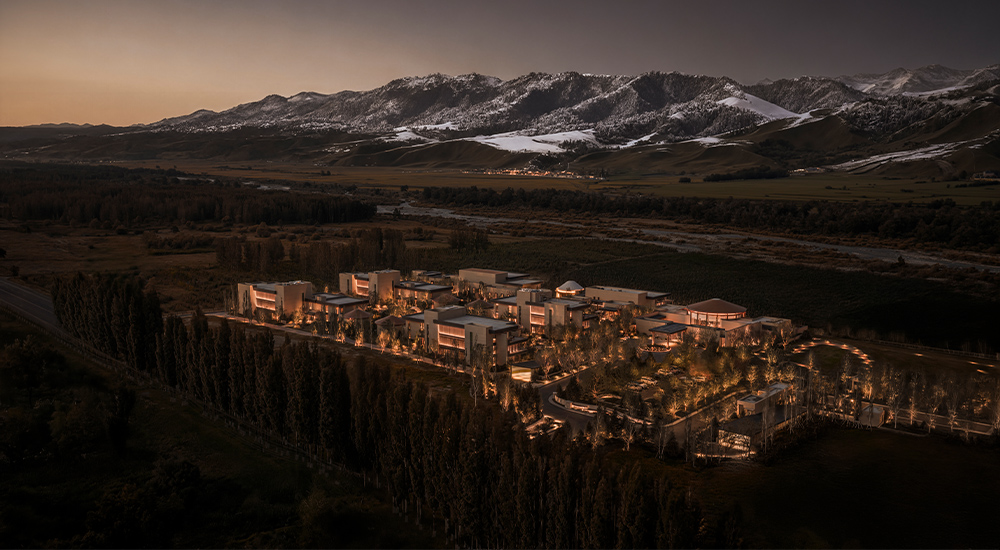
The Ili Kazakh Autonomous Prefecture is renowned for its dramatic natural beauty and its rich cultural heritage, particularly the significant presence of the nomadic Kazakh ethnic group. This unique cultural tapestry served as a cornerstone for the design philosophy. CCD sought to deeply embed the region’s distinct identity into the hotel’s spatial narrative. A key element of this integration is the Kazakh concept of "mausyn," which translates to "season." This concept was woven into the very fabric of the hotel’s design to reflect the cyclical rhythms of nomadic life and the distinct character of Nalati’s four seasons.
"The cycle of the seasons embodies the pulse of life on these grasslands," stated Joe Cheng, founder of the Hong Kong-based CCD firm. "We envisioned the hotel as a spiritual waystation along a journey of exploration." This sentiment underscores the hotel’s aspiration to be more than just a place to stay; it aims to be a destination that facilitates a deeper connection with the land and its people.
A Journey Through Seasons and Culture
The design of the public spaces at Hotel Indigo Nalati is a deliberate narrative, unfolding like the passage of the seasons, drawing inspiration from traditional local elements such as yurts—the iconic circular, portable dwellings of the Kazakh people—and the communal structures of winter settlements.
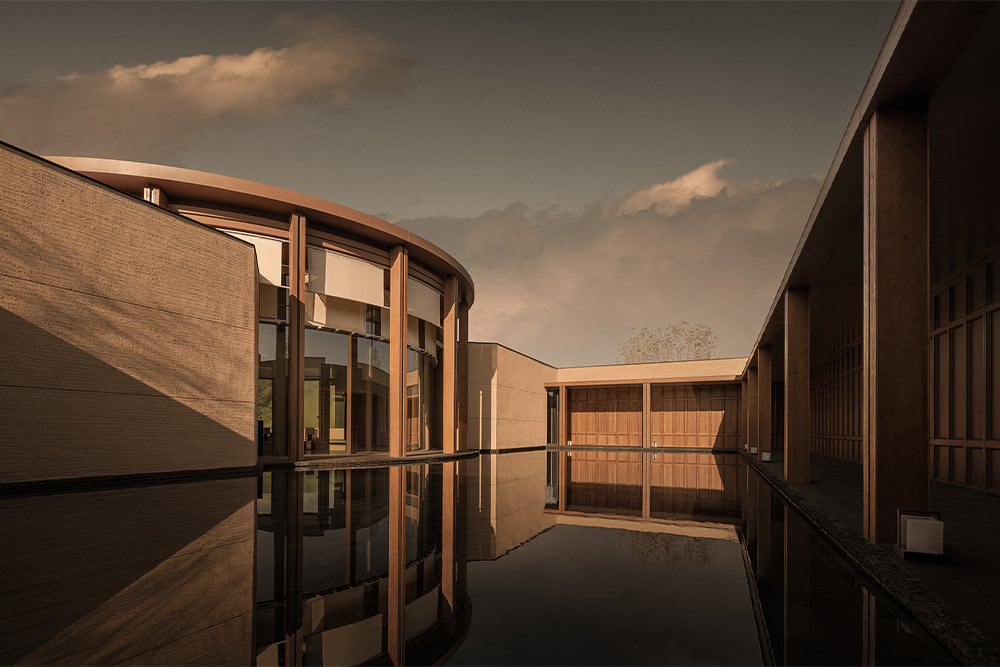
The journey for guests begins upon arrival, with the hotel’s name itself holding a profound meaning. "Nalati" translates to "the place where the sun is first seen" in Mongolian, immediately setting a tone of new beginnings and natural illumination. The entrance canopy features a curved design that elegantly evokes radiating sunbeams, creating an illusion of floating above the drop-off area. The soft curves and warm, earthy tones of the entrance are designed to mimic the welcoming embrace of an "aul," a traditional Kazakh nomadic settlement on the grasslands. The adjacent courtyard, bathed in natural light, offers a serene arrival experience, enhanced by a thoughtful combination of stone steps and wooden railings that exude a relaxed ambiance.
The theme of light’s journey through the day continues into the lobby. A strategically placed skylight pierces the expansive, yurt-like dome, allowing sunlight to stream in. As the day progresses, the rays of the sun shift across the interior red brick walls, subtly mirroring the movements of migrating herders across the steppe. Surrounding the skylight, layered, scale-like patterns reminiscent of thawing earth add a tactile dimension and further connect the interior to the natural processes of the landscape. Dominating the space, a sweeping, curved window frames an unobstructed, panoramic vista of the boundless grasslands and distant mountains. Complementing the natural artistry, reception desk is set against a backdrop of artwork meticulously crafted using local felt-thread techniques, showcasing the region’s traditional artistry.
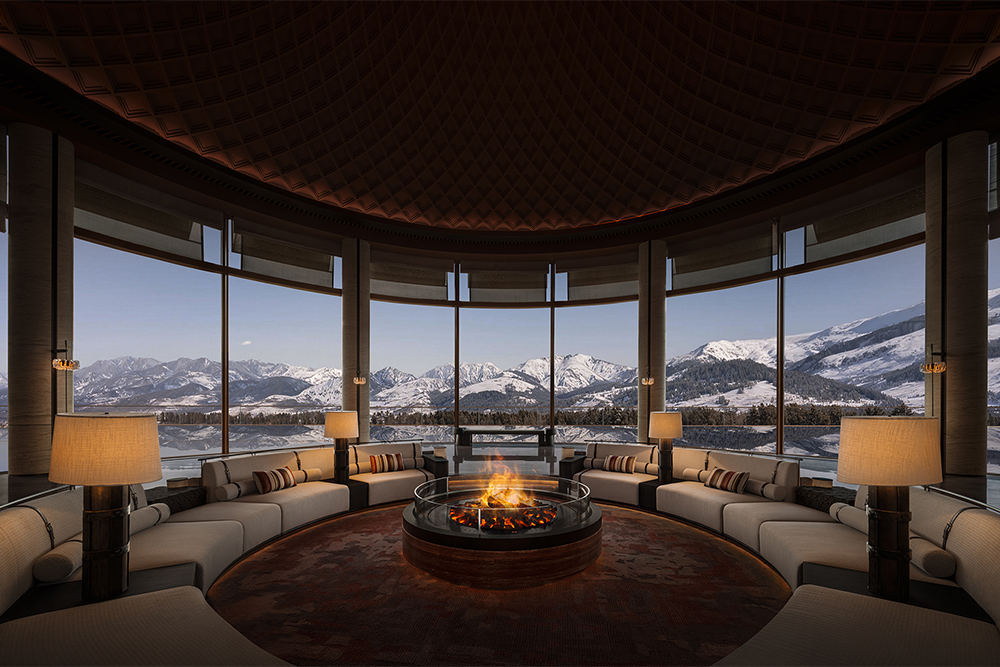
At the heart of the lobby, a central hearth stands as the most evocative element, recalling the profound cultural significance of traditional firepits in nomadic life. This communal space serves as the "heart of the home," inviting guests to gather around, mirroring the Kazakh tradition of sharing warmth, food, and stories. "The hearth reflects a shift in modern luxury hospitality from material opulence toward warmth, intimacy, and cultural resonance," Cheng explained. "Luxury here is defined by a profound sense of freedom rooted in a deep connection with nature." This philosophy positions the hotel as a sanctuary where modern comforts meet ancient traditions, fostering a sense of belonging and shared experience.
Culinary and Accommodation Experiences
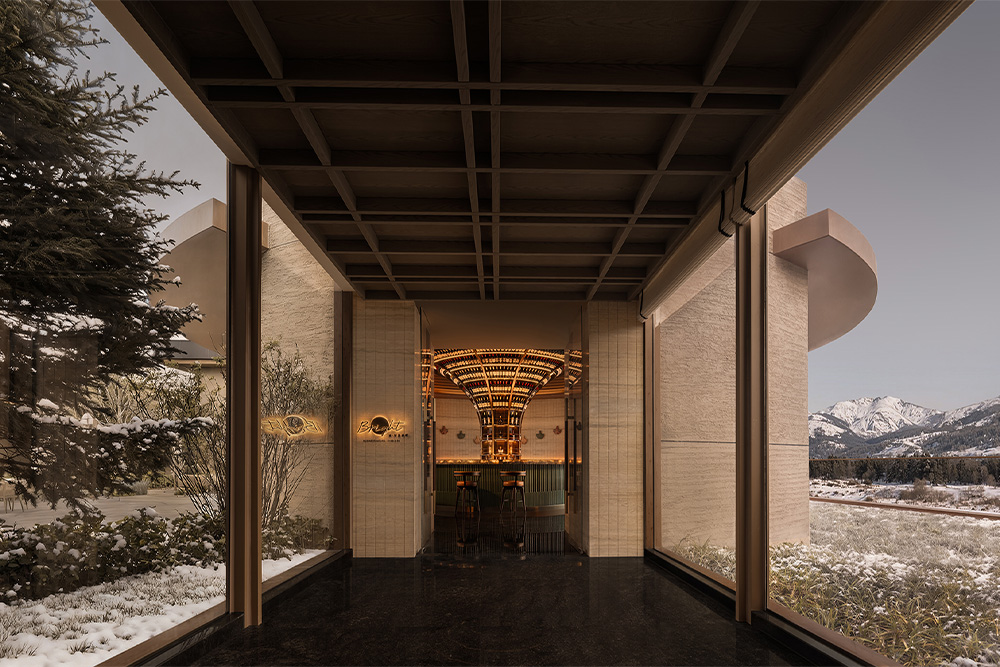
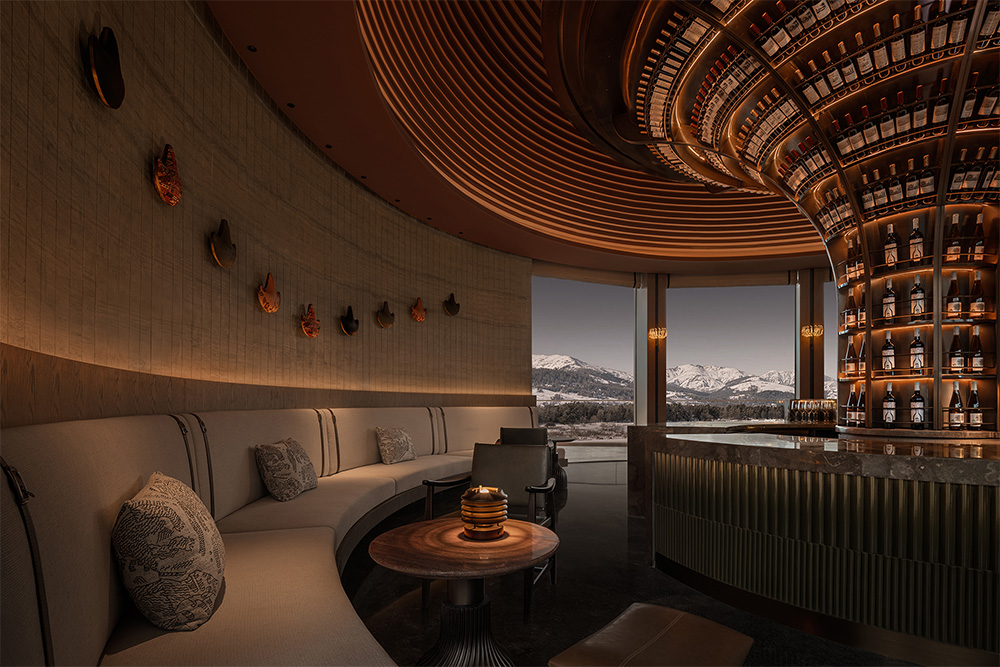
The hotel’s restaurant, aptly named "Show · A Neighborhood Café," further immerses guests in their natural surroundings. The design of the circular bar at its core is inspired by a solitary tree standing on the grasslands, a poignant symbol that guides the visual flow and layout of the space. The use of red bricks and washed stone finishes echoes the earthy tones of the landscape, while warm wood and metal accents introduce a contemporary tactile quality, creating a dining environment that is both grounded and sophisticated.
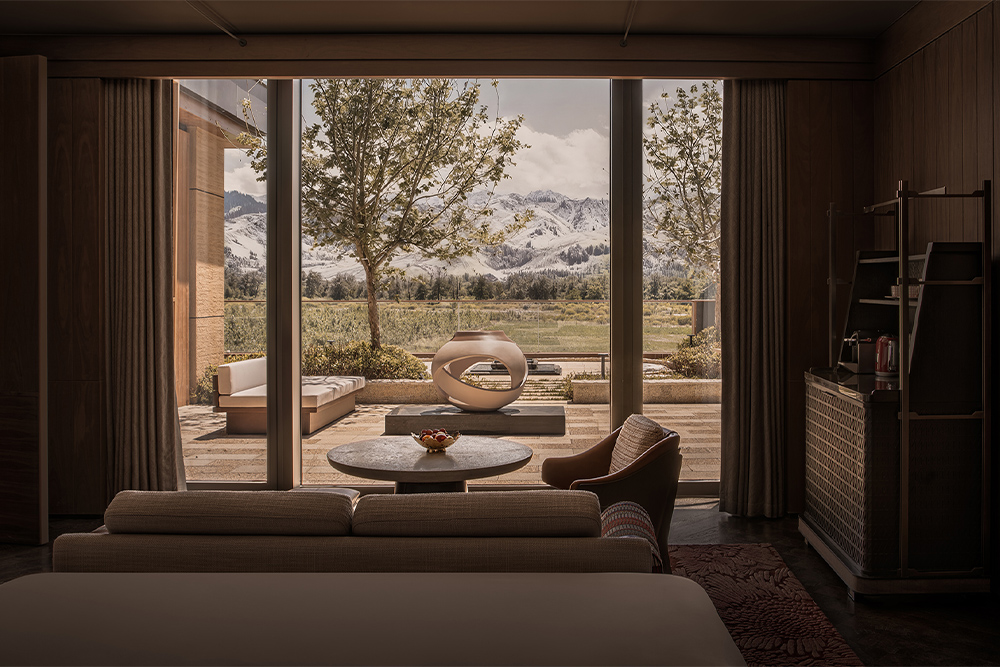
The guest accommodations are designed to be serene retreats, continuing the hotel’s commitment to natural integration and cultural resonance. Light fixtures inspired by the Crocus alatavicus, the first flower to bloom in Nalati each spring, guide guests from the elevators to their rooms. Upon entering, guests are welcomed through intricately carved double wooden doors. Inside, natural light floods in through skylights, illuminating the walls and the carpet, which is inspired by the rich tradition of felt craft. The partitions and walls subtly reinterpret the distinctive diamond-grid wooden framework characteristic of local yurts, adding an authentic touch to the modern design.
"We are most proud of how cultural heritage has been meaningfully integrated at every scale of the project," Cheng remarked. "We hope guests leave not just with photographs, but a sense of inner calm born from communion with nature, respect for nomadic culture, and a renewed longing for freedom and movement."
Broader Context and Implications
The opening of Hotel Indigo Nalati arrives at a time when China is increasingly investing in developing its western regions, aiming to boost tourism and economic growth. The Xinjiang Uyghur Autonomous Region, while vast and rich in natural and cultural resources, has also been a focal point of international attention due to geopolitical concerns. The development of high-quality tourism infrastructure like Hotel Indigo Nalati could play a dual role: showcasing the region’s natural beauty and cultural heritage to a global audience, and potentially fostering greater understanding through direct cultural exchange.
The Duku Highway, a legendary mountain road stretching over 560 kilometers, is a major tourist draw, attracting hundreds of thousands of visitors annually, particularly during its open season from May to October. Similarly, the Ili "Figure-8" Scenic Loop offers a diverse range of landscapes, from snow-capped peaks to alpine meadows and deserts, making the region a prime destination for road trip enthusiasts and nature lovers. The strategic positioning of Hotel Indigo Nalati at the nexus of these routes is designed to capture this burgeoning tourism market.
Data from China’s Ministry of Culture and Tourism indicates a steady rise in domestic tourism in recent years, with a growing preference for experiential travel that emphasizes cultural immersion and connection with nature. Hotel Indigo Nalati, with its unique design philosophy and focus on local heritage, is well-positioned to cater to this trend. The average length of stay for tourists in such destinations often ranges from three to five days, with travelers typically seeking authentic experiences that go beyond conventional sightseeing.
The success of Hotel Indigo Nalati could serve as a model for future tourism development in Xinjiang, emphasizing sustainable practices, cultural preservation, and a design ethos that respects the natural environment. The hotel’s commitment to integrating local Kazakh culture, particularly the concept of "mausyn" and the visual language of nomadic life, offers a powerful example of how hospitality can become a vehicle for cultural appreciation and inter-cultural dialogue.
The development also aligns with IHG’s global strategy for its Hotel Indigo brand, which focuses on vibrant, culturally rich neighborhoods and unique local experiences. By bringing this brand to Nalati, IHG is tapping into a growing demand for authentic, locally inspired travel. The emphasis on local craftsmanship, traditional motifs, and the narrative of the land ensures that guests are not merely visiting a hotel, but are embarking on an enriching journey into the heart of Xinjiang’s unique identity.
The implications of this development extend beyond the tourism sector. The creation of such a facility often leads to increased demand for local goods and services, potentially benefiting local artisans, farmers, and service providers. Furthermore, the focus on cultural heritage can spur renewed interest and preservation efforts for traditional crafts and practices.
As the Hotel Indigo Nalati opens its doors, it represents a significant stride in redefining luxury hospitality in China’s less-traveled regions. It stands as a testament to the power of thoughtful design to harmonize human needs with environmental stewardship and cultural respect, offering a compelling narrative of place that promises to resonate deeply with its guests. The hotel’s success will likely be measured not only by its occupancy rates but also by its ability to foster a genuine connection between its visitors and the extraordinary landscape and culture of Nalati.


 Anjar Salim
 Chandra Hamzah
 Tatiana Tantri Indah Sari
 Budi Mulyono
 Lukman Taruna Persada Ramadan
