
 Hendra Ismail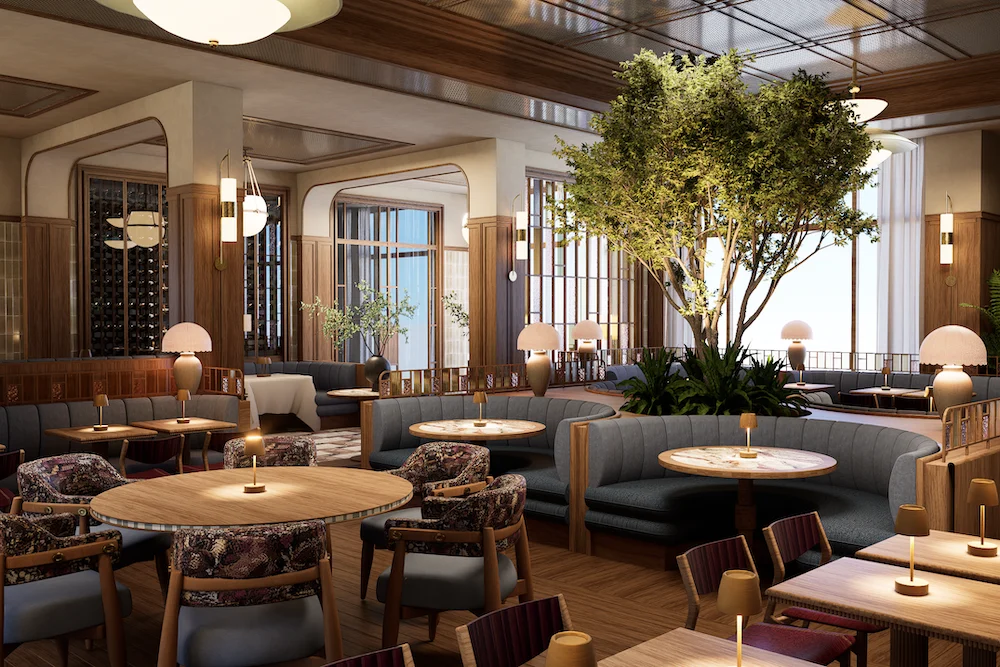
Scott Miller, a distinguished figure in hospitality design with prior experience at AvroKO and the London-based 1508, has officially launched Ensemble, a new venture poised to reshape the landscape of hospitality design and strategy. The studio is founded on a core philosophy: the paramount importance of the guest experience, envisioned through a lens of curated intimacy and sophisticated residential comfort. Ensemble debuts with a promising initial portfolio, prominently featuring the ambitious Paradise Valley Hotel & Casitas, a project slated to break ground in Arizona this year.
The Paradise Valley Hotel & Casitas represents a significant undertaking in the luxury hospitality sector. This new-build boutique property, situated in the coveted Paradise Valley, Arizona, is a collaborative effort involving Walton Global as the owner and developer, Clayco as the construction firm, and Noble House Hotels & Resorts set to manage its operations. Ensemble’s mandate for this project extends beyond mere aesthetics; they are tasked with crafting the property’s overarching identity and meticulously designing its public spaces. Their innovative approach aims to infuse the local luxury market with a rare sense of personal connection, by conceptualizing the resort not as a conventional destination, but as an expansive, private residence. This strategic departure from traditional resort design seeks to foster a deeper, more nuanced engagement with guests, prioritizing comfort, familiarity, and an elevated sense of belonging.
A Residential Ethos in Luxury Hospitality
The design philosophy at Ensemble, and particularly as manifested in the Paradise Valley Hotel & Casitas, centers on a profound understanding of what makes a space feel like home, elevated to the highest echelon of luxury. Upon entering the hotel, guests will not be met with the imposing grandeur typical of many luxury resorts. Instead, they will step into a lobby meticulously designed to evoke the warmth and familiarity of a refined living room. This carefully cultivated atmosphere of intimacy and elegance is achieved through the judicious use of natural, aged materials, which lend a sense of history and permanence to the space.
The architectural dialogue within the lobby is a testament to Ensemble’s nuanced design approach. A subtle interplay will emerge between the building’s inherent orthogonal structure and the more organic, flowing forms of the interior design. This is most powerfully expressed in the lobby’s sculptural reception desk, a piece that functions as both a functional element and an artistic statement. Complementing this is an indoor fireplace, strategically placed to anchor the arrival experience, immediately imbuing the space with a sense of warmth and invitation. This deliberate design choice moves away from sterile, transactional check-in processes and towards an experience that feels more like being welcomed into a private estate.
The selection of materials further underscores this residential intent. Imagine the tactile pleasure of aged wood grains, the subtle sheen of natural stone, and the comforting weight of bespoke furnishings. These elements, combined with thoughtful lighting, will create an ambiance that is both sophisticated and deeply welcoming. The aim is to create a space where guests feel instantly at ease, allowing them to shed the stresses of travel and settle into a mood of relaxed indulgence. This initial impression is crucial, setting the tone for the entire guest journey and differentiating the property from its more ostentatious competitors. The integration of these elements speaks to a broader trend in luxury hospitality, where authenticity and a sense of place are increasingly valued over superficial opulence.
Desert Duality: The Heart of Paradise Valley Hotel & Casitas
Beyond the intimate embrace of the lobby, the Paradise Valley Hotel & Casitas unfolds into a sun-drenched courtyard, serving as a pivotal transitional space. This courtyard acts as a sophisticated bridge, seamlessly connecting the intimate interior zones with the expansive desert landscape that defines the property’s setting. During daylight hours, the courtyard will radiate an atmosphere of openness, brightness, and airy spaciousness, designed to be a place of tranquil respite and natural immersion.
As the sun dips below the horizon and twilight descends, the courtyard undergoes a captivating transformation. It will evolve into a shimmering oasis, punctuated by the soft glow of strategically placed firepits. These elements not only enhance the visual appeal but also create inviting gathering spaces, encouraging social interaction and a deeper appreciation of the desert night. This dynamic evolution of the central courtyard is a key feature, designed to offer distinct experiences throughout the day and night, reflecting the inherent duality of the desert environment itself.
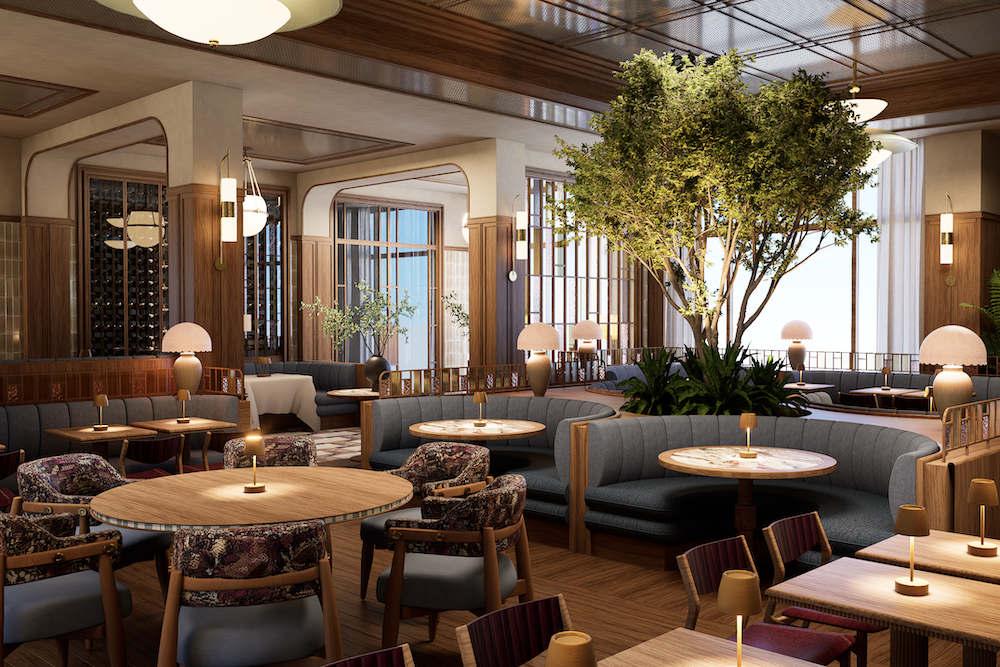
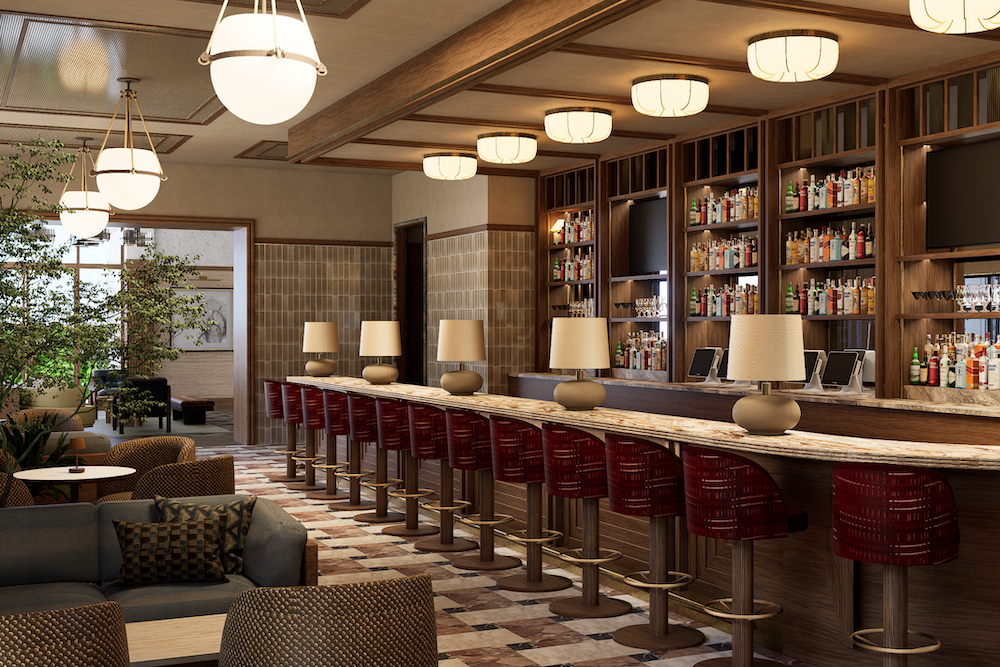
This central outdoor space is not an isolated feature but is intimately connected to the hotel’s dining and bar areas, fostering fluid movement and a sense of layered discovery throughout the property. The design encourages guests to explore, with each area offering a unique perspective and sensory experience. The narrative of contrast and connection continues into the hotel’s spa. Here, the theme of desert duality is explored through a deliberate interplay of light and shadow, the invigorating contrast of hot and cold therapies, and the juxtaposition of the ruggedness of stone with the delicate beauty of blooming desert flora.
Throughout the grounds, playful yet sophisticated design moments are woven into the fabric of the resort. A striking example is the checkered tile pattern, a recurring motif that adds visual interest and a touch of classic charm. This design element will be featured prominently in both the central courtyard and the cabana-lined pool area, creating a sense of visual continuity and reinforcing the property’s unique aesthetic. These carefully considered details contribute to an overall experience that is both cohesive and engaging, ensuring that every corner of the resort offers something memorable.
Candace Hickman, Design Director at Ensemble, elaborated on the creative impetus behind these design choices. “We were drawn to the desert’s inherent duality – its striking clarity by day, and its more seductive, atmospheric presence after dark,” Hickman stated. “Throughout the property, crisp architectural gestures are balanced by tactile materials, sculptural forms, and a moodier, more intimate palette, making the hotel feel both rooted in the landscape and expressive of the quieter, more rarified luxury that defines Paradise Valley.” This statement highlights the intentionality behind every design decision, aiming to create a property that is not only visually stunning but also deeply resonant with its environment and the discerning clientele it aims to attract.
Ensemble’s Vision and the Future of Hospitality
The launch of Ensemble signifies more than just the introduction of a new design firm; it represents a deliberate challenge to conventional hospitality paradigms. Scott Miller’s established track record with highly acclaimed firms like AvroKO, known for its innovative and often unconventional approach to hospitality spaces, combined with his experience at 1508, a studio recognized for its sophisticated and detailed interiors, positions Ensemble for significant impact. The firm’s foundational principle – prioritizing the guest experience through thoughtful, residential-inspired design – taps into a growing consumer demand for authenticity, personalization, and a sense of genuine connection with their surroundings.
The Paradise Valley Hotel & Casitas serves as a potent manifesto for Ensemble’s capabilities. The project’s timeline, with groundbreaking anticipated this year, suggests a rapid progression from concept to realization, a testament to the firm’s agility and the clear vision shared by all stakeholders. The collaboration between Walton Global, Clayco, and Noble House Hotels & Resorts underscores the project’s substantial backing and the shared commitment to delivering a unique luxury offering.
Supporting Data and Market Context
The luxury hospitality market in Arizona, and particularly in the Paradise Valley region, is characterized by a high concentration of affluent residents and a steady influx of discerning travelers. According to recent industry reports, the average daily rate (ADR) for luxury hotels in the Phoenix metropolitan area, which encompasses Paradise Valley, has seen consistent growth, often exceeding national averages. Furthermore, occupancy rates in this segment remain robust, indicating a strong demand for high-quality accommodations and experiences. This economic climate provides a fertile ground for a property that promises to deliver a differentiated and elevated guest experience.
The trend towards "experiential travel" is also a significant factor. Modern travelers, especially those in the luxury segment, are increasingly seeking destinations and accommodations that offer unique, memorable experiences rather than simply a place to stay. They are looking for opportunities to connect with local culture, enjoy personalized service, and immerse themselves in environments that feel authentic and inspiring. Ensemble’s residential approach directly addresses this trend by creating spaces that feel more like curated homes than impersonal hotels, fostering a sense of intimacy and personal narrative.
Implications and Broader Impact
The success of Ensemble and its flagship project, the Paradise Valley Hotel & Casitas, could have a ripple effect across the hospitality industry. By championing a design philosophy that prioritizes guest comfort and familiarity, the firm is setting a new benchmark for luxury. This approach has the potential to influence how other developers and designers conceive of high-end hospitality spaces, shifting the focus from sheer scale and opulence to nuanced detail, emotional connection, and a profound understanding of the guest journey.
The emphasis on a "private residence" feel also speaks to a desire for exclusivity and personalized service that goes beyond mere transactional interactions. In a world increasingly saturated with digital interfaces, the tactile, human-centered approach championed by Ensemble offers a welcome counterpoint. It suggests a future where luxury hotels are not just destinations for indulgence, but rather extensions of a refined lifestyle, offering a sanctuary of comfort and bespoke experiences.
The success of this model could also lead to a diversification of luxury offerings, catering to a clientele that seeks understated elegance and authentic experiences over ostentatious displays of wealth. This could, in turn, encourage the development of more boutique and character-driven properties, contributing to a richer and more varied hospitality landscape. Ensemble’s commitment to integrating the local environment and culture into its designs further strengthens this potential, promising a more sustainable and contextually relevant form of luxury. As the firm embarks on this new chapter, its innovative approach is poised to leave an indelible mark on the future of hospitality design.


 Anjar Salim
 Chandra Hamzah
 Tatiana Tantri Indah Sari
 Budi Mulyono
 Lukman Taruna Persada Ramadan
