
 Walid Sujud Trenggono
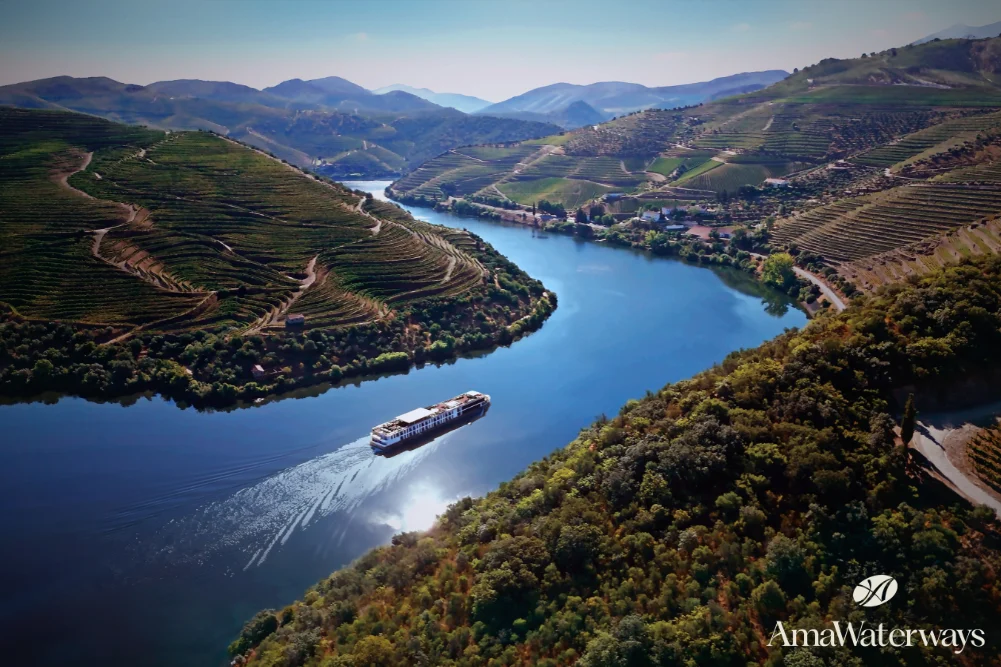
For a quarter of a century, the luxury river cruise sector has undergone a profound structural evolution, moving away from traditional, rigid tour itineraries toward personalized, experiential travel. At the forefront of this transformation is AmaWaterways, a company founded in 2002 by river cruise pioneer Rudi Schreiner, travel industry executive Kristin Karst, and Jimmy Murphy. Over the past 25 years, the line has steadily expanded its global footprint, redefining what passengers can expect from a voyage on inland waterways through architectural innovation, elevated wellness programming, and an inclusive excursion model that challenges industry norms.
As the line looks toward the future with new vessel rollouts scheduled through 2027, industry analysts note that its growth reflects broader shifts in consumer demand. Today’s travelers increasingly prioritize flexibility, health-conscious amenities, and immersive cultural engagement over standardized sightseeing. By introducing features such as double-width hull designs, onboard wellness hosts, and up to six daily excursion choices included in the base fare, AmaWaterways has positioned itself at the vanguard of contemporary river cruising.
Main Facts and the Evolution of Onboard Living
The operational philosophy of AmaWaterways centers on eliminating the friction traditionally associated with multi-destination travel. In a standard ocean or river cruise model, passengers frequently encounter tiered pricing structures where specialized shore excursions, fitness classes, and alternative dining venues carry significant supplementary fees. AmaWaterways inverted this paradigm by bundling a wide spectrum of daily activities directly into the initial ticket price.
On a typical sailing along iconic European waterways such as the Danube, Rhine, or Douro, guests are presented with up to six distinct excursion choices each morning. These options cater to varying physical activity levels and personal interests, ranging from gentle walking tours through medieval, cobblestone village centers to strenuous, guided mountain hikes overlooking terraced vineyards. Culinary-focused excursions, museum visits, and complimentary bicycle rentals—allowing independent exploration along dedicated riverfront paths—further diversify the daily offerings.
This flexibility addresses a common travel dynamic: couples or groups with disparate interests can pursue their preferred activities independently during the day before reconvening in the evening. Onboard, the architectural layout of the fleet reinforces this sense of community. Public spaces, including panoramic lounges, sun decks equipped with walking tracks and pools, and multiple dining venues, are engineered to encourage social interaction.
According to internal guest satisfaction metrics frequently cited by the company, this combination of independent daytime exploration and communal evening gatherings fosters a uniquely cohesive onboard atmosphere. The attentive service model, characterized by crew members learning guests’ names and preferences early in the voyage, further solidifies the personalized nature of the experience.
Chronology and Global Expansion
The trajectory of AmaWaterways mirrors the broader maturation of the river cruising sector over the last twenty-five years. Established in 2002, the company initially focused on European riverways, capitalizing on the rising popularity of voyages along the Danube and the Rhine. During this foundational period, the company established its reputation for thoughtful ship design, emphasizing larger staterooms, French balconies, and twin-balcony configurations that maximized natural light and scenic views.
As the brand matured through the 2010s, it began diversifying its geographical portfolio beyond traditional European itineraries. Recognizing the untapped potential of exotic rivers worldwide, AmaWaterways expanded operations to the Mekong River in Southeast Asia, offering immersive cultural journeys through Vietnam and Cambodia. This was followed by the introduction of luxury safaris paired with river cruising on the Chobe River in Southern Africa, establishing a multi-modal travel experience that combined wildlife viewing with traditional cruising.
A significant milestone in ship design occurred with the introduction of the AmaMagna, a vessel measuring twice the width of traditional European river ships. Operating primarily on the Danube, the AmaMagna features expansive public areas, multiple dining venues including an open-air restaurant, a full-sized pickleball court, and generous stateroom dimensions that rival luxury ocean liners.
Looking ahead to the 2027 season, the company is scheduled to launch the AmaRudi, further expanding its fleet capacity and continuing its tradition of architectural innovation. Furthermore, AmaWaterways achieved a major operational milestone by becoming the first major international river cruise line to navigate Colombia’s Magdalena River, opening up a culturally rich and ecologically diverse destination previously inaccessible to large-scale river tourism. Today, the company’s award-winning fleet encompasses 34 ships operating across Europe, Asia, Africa, and South America.
Supporting Data: Wellness, Culinary Standards, and Fleet Metrics
Data compiled from travel industry associations indicates a surging demand for wellness-integrated travel, a trend that AmaWaterways anticipated early in its operational history. Unlike many competitors that treat fitness as an auxiliary amenity, AmaWaterways integrates wellness directly into the daily fabric of the journey by employing dedicated Wellness Hosts across its European fleet.
These certified professionals lead a comprehensive daily schedule that includes dawn yoga sessions on the Sun Deck, core strengthening, stretching classes designed to alleviate travel fatigue, and guided fitness walks. This holistic approach is complemented by the line’s culinary program, which has received widespread acclaim, including induction into La Chîne des Rôtisseurs, one of the world’s oldest and most prestigious gastronomic societies.
The onboard dining experience features four distinct venues, anchored by the Main Restaurant and the intimate Chef’s Table, where multi-course degustation menus showcase regionally sourced ingredients. Reflecting a commitment to local provenance, the culinary team frequently sources produce from farms located within sight of the ship’s moorings. This farm-to-table approach is paired with an extensive wine program that includes a curated selection of over 32 premium regional wines poured complimentary during lunch and dinner.
From a structural standpoint, the fleet statistics highlight the company’s emphasis on passenger comfort:
- Fleet Size: 34 award-winning vessels operating globally.
- Geographic Reach: Rivers across Europe, Asia, Africa, and South America, including the Rhine, Danube, Douro, Mekong, Chobe, and Magdalena rivers.
- Excursion Capacity: Up to six complimentary daily shore excursions catering to diverse activity levels.
- Dining Variety: Up to six dining venues available on revolutionary wide-body vessels like the AmaMagna.
Official Responses and Industry Analysis
Industry observers and tourism economists note that AmaWaterways’ strategic focus on experiential travel and inclusive pricing has set a benchmark for the upper-premium river cruise category. Travel advisors frequently report that clients gravitate toward lines that mitigate hidden costs while offering robust physical and cultural enrichment.
In statements regarding the line’s operational philosophy, executive leadership has consistently emphasized that river cruising is fundamentally about connecting travelers to the heartland of destinations—communities that historically developed along riverbanks long before modern highway networks were established. By maintaining intimate ship sizes—typically accommodating around 150 to 200 guests, with the exception of the wider AmaMagna—the line ensures access to smaller ports and historic towns that large ocean cruise ships cannot reach.
Broader Impact and Economic Implications
The expansion of luxury river cruising into emerging regions, such as Colombia’s Magdalena River and remote African waterways, carries significant economic implications for local communities. Sustainable tourism initiatives implemented by lines like AmaWaterways often involve partnerships with local guides, artisans, and agricultural producers, injecting direct economic value into regional economies.
Furthermore, the emphasis on slow travel and holistic well-being reflects a profound shift in consumer psychology in the post-pandemic era. Travelers are increasingly seeking out environments that facilitate physical restoration, mental decompression, and meaningful human connection. By fostering an onboard environment where crew members and passengers forge genuine relationships, river cruising has transcended its historical perception as a passive sightseeing mode, evolving into an active, restorative lifestyle experience.
As AmaWaterways approaches its milestone anniversaries and prepares for future fleet expansions, its trajectory underscores a fundamental truth of modern tourism: innovation succeeds not merely through scale, but through a rigorous commitment to quality, adaptability, and respect for the destinations explored. For travelers contemplating their next voyage, the convergence of cultural immersion, culinary excellence, and inclusive wellness offers a compelling blueprint for the future of exploration.


 Gabriela Annisa

 Lukman Taruna Persada Ramadan

 Tatiana Tantri Indah Sari

 Anjar Salim


 Dwi Wanna
