
 Lukman Taruna Persada Ramadan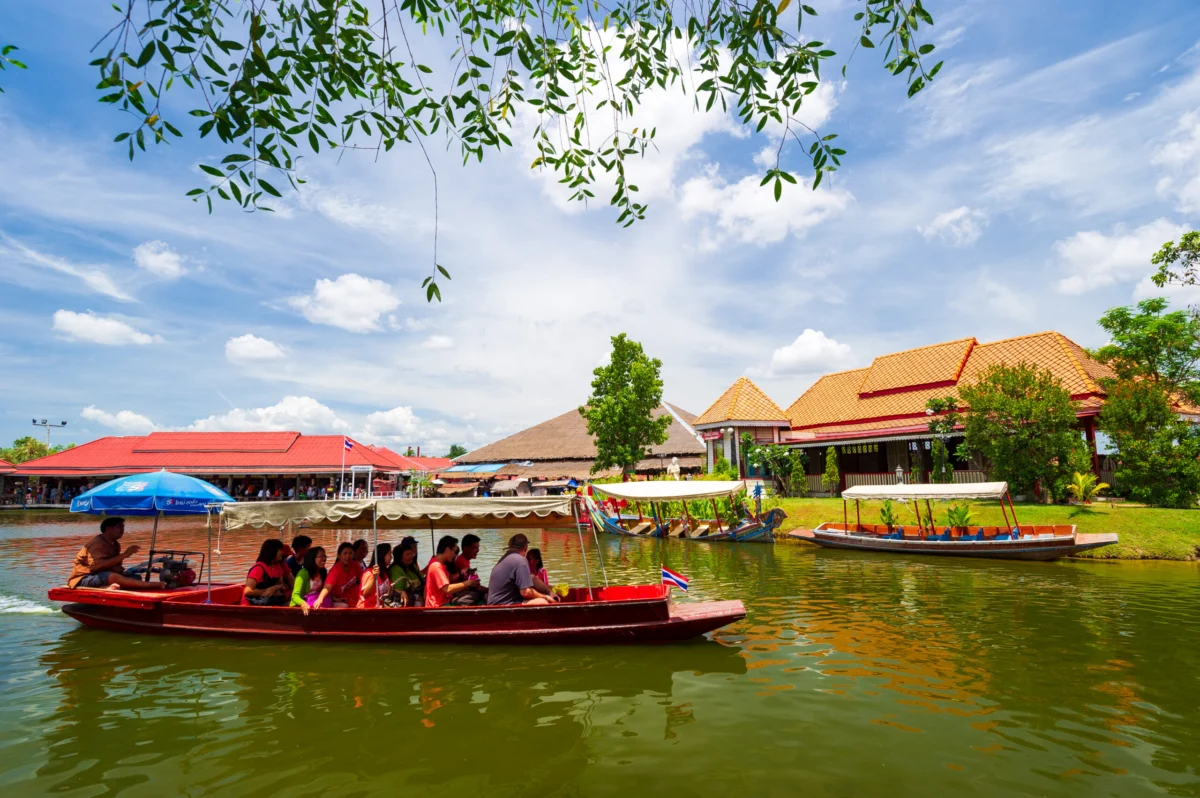
Thailand, a nation globally celebrated for its pristine beaches, bustling urban centers, and verdant rainforests, often presents a unique paradox to its residents: where does one seek a vacation when already living in paradise? The answer for many Thais, particularly those from the vibrant capital of Bangkok, lies along the western coast of the Gulf of Thailand, approximately 200 kilometers (125 miles) southwest of the metropolis: Hua Hin. This serene city, nestled within Prachuap Khiri Khan province on the northern Malay Peninsula, has carved out a distinctive identity as Thailand’s oldest coastal resort, a tranquil haven affectionately dubbed the "Thai Riviera." Its blend of natural beauty, historical significance, and a more understated charm sets it apart from the country’s more boisterous tourist hubs, making it a compelling case study in diversified tourism development.
A Legacy Forged by Royalty: The Genesis of a Coastal Retreat
The origins of Hua Hin as a premier vacation destination are deeply intertwined with the Thai monarchy. Its transformation from a quiet fishing village began in the early 20th century when Prince Purachatra Jayakara, a son of King Chulalongkorn (Rama V), discovered its pristine shores during a hunting trip. Impressed by the area’s tranquility and natural beauty, he initiated the construction of a summer residence, setting the precedent for royal patronage. However, it was during the reigns of King Rama VI (Vajiravudh) and King Rama VII (Prajadhipok) that Hua Hin truly blossomed into a royal seaside retreat. King Rama VII commissioned the construction of the Klai Kangwon Palace (meaning "Far From Worries") in 1926, which continues to serve as a summer residence for the royal family to this day. This consistent royal endorsement not only cemented Hua Hin’s status but also shaped its character, fostering an atmosphere of refined leisure rather than boisterous revelry.
The arrival of the railway line from Bangkok in 1921 was a pivotal moment, making Hua Hin easily accessible for the first time. This infrastructure development facilitated the influx of Bangkok’s elite and foreign expatriates, who were drawn to its cool sea breezes and tranquil environment, especially during the sweltering hot season. The iconic Centara Grand Beach Resort & Villas Hua Hin, originally known as the Railway Hotel, built in 1923, stands as a testament to this era, its elegant colonial architecture a cherished landmark reflecting the town’s historical grandeur. This early establishment of a high-quality resort catering to discerning guests laid the foundation for Hua Hin’s enduring appeal as an upscale, yet understated, destination.
Hua Hin’s Dual Appeal: Domestic Popularity Meets Growing International Interest
Unlike the widely publicized party capitals such as Phuket or Pattaya, Hua Hin has largely maintained an "under-the-radar" status among many international tourists, instead thriving as a beloved weekend getaway for Bangkok residents. Data from the Tourism Authority of Thailand (TAT) consistently shows strong domestic tourism figures, with Thais frequently opting for short breaks to destinations like Hua Hin. In recent years, domestic tourism has been a crucial pillar of Thailand’s overall tourism economy, particularly in periods of reduced international travel. Hua Hin’s proximity to Bangkok, approximately a 2.5 to 3-hour drive, makes it an ideal escape, offering a change of pace without extensive travel.

However, Hua Hin’s reputation is steadily growing on the international stage. While it may not attract the sheer volume of visitors seen in other major Thai destinations, its unique charm appeals to a specific demographic seeking authenticity, tranquility, and a touch of luxury. European visitors, particularly those from Germany and Scandinavia, have long been drawn to Hua Hin, often spending extended periods during the cooler months. The city’s peak season typically commences in November, following the conclusion of the monsoon season (July to October), and extends through February, coinciding with cooler temperatures and holiday periods in Europe. This influx of international visitors during the high season complements the year-round domestic tourism, creating a vibrant, yet never overly crowded, atmosphere.
Diverse Attractions and Experiences: Beyond the Beaches
While its white-sand beaches remain a primary draw, Hua Hin offers a rich tapestry of attractions and activities that cater to a wide array of interests. Khao Takiab Beach, famously known as Monkey Mountain Beach due to the resident macaques, provides stunning vistas and a unique wildlife encounter, alongside opportunities for sunbathing and water sports.
For those seeking cultural immersion and local flavor, Hua Hin’s markets are essential experiences. The bustling Hua Hin Night Market, opening daily around 6 p.m., transforms a central street into a lively bazaar, offering an eclectic mix of local crafts, fashion, souvenirs, and an enticing array of street food. Beyond this traditional market, the more contemporary Cicada Market stands out for its focus on art, handicrafts, and live performances, creating a sophisticated weekend evening experience. Market Village, a modern shopping mall, provides a more conventional retail and entertainment option.
Beyond the immediate city, the surrounding area offers further exploration. Khao Sam Roi Yot National Park, a short drive south, boasts stunning limestone karsts, mangrove forests, and the iconic Phraya Nakhon Cave, home to a beautiful royal pavilion illuminated by a shaft of light. For a taste of Thailand’s burgeoning wine industry, Monsoon Valley Vineyard offers tours and tastings amidst picturesque hills. Golf enthusiasts are also well-catered for, with numerous championship golf courses dotted around the region, attracting players from across Asia and beyond.
The city also embraces spiritual practices. Visitors can witness the daily Buddhist blessing ceremony, a serene and moving spectacle where local monks traverse the city collecting alms at dawn, offering a glimpse into traditional Thai life and spirituality. This blend of natural beauty, cultural experiences, and modern amenities contributes to Hua Hin’s comprehensive appeal.
Culinary Delights and Sophisticated Hospitality

Hua Hin’s culinary scene, while perhaps less diverse in sheer volume compared to Bangkok or Phuket, excels in quality and offers unique experiences, especially for discerning palates and corporate entertaining. Fresh seafood is a cornerstone, sourced directly from local fishing villages, ensuring an authentic taste of the Gulf. Restaurants ranging from casual beachside shacks to upscale establishments serve grilled prawns, steamed fish, and spicy curries.
For business travelers or those seeking refined dining, several establishments stand out. Jaras at InterContinental Hua Hin is renowned for its contemporary royal Thai cuisine, meticulously crafted with fresh seafood from local fishermen and produce from nearby farms, offering an elevated gastronomic journey. Another sophisticated option is Pracã at The Standard Hua Hin, a trendy restaurant boasting mouthwatering cuisine complemented by breathtaking views of the Gulf of Thailand and the chic Heritage House backdrop, ideal for stylish clientele.
The hospitality sector in Hua Hin is equally impressive, offering a range of accommodations from charming boutique resorts to luxurious international brands. The Aleenta Hua Hin Pranburi Resort & Spa, a member of Small Luxury Hotels of the World, exemplifies the region’s commitment to exquisite, Thai-owned hospitality. This beachfront boutique resort, known for its focus on wellness and sustainability, sources ingredients from its organic garden for its acclaimed Aleenta Restaurant and The Aleenta Beach Cafe. A true showstopper for private events or intimate gatherings is a private dining experience on the beach, featuring a three-course meal prepared by a private chef, enjoyed alfresco under a canopy of stars and string lights. Another unique outdoor dining venue is a picnic atop Khao Kalok Hill (also known as Buddha Blessing Hill), where guests can enjoy sunset canapés amidst ancient temples and panoramic views of the city and Pran Buri Forest.
The historic Centara Grand Railway Hotel, a landmark dating back to 1923, offers a glimpse into Hua Hin’s colonial past while providing modern amenities, making it a distinguished choice for power lunches and business breakfasts. These establishments collectively underscore Hua Hin’s capacity to cater to both leisure travelers and corporate guests, offering unique venues and experiences that leave a lasting impression.
Accessibility and Infrastructure: Connecting to the Thai Riviera
Reaching Hua Hin, while requiring a bit more planning than flying directly into Phuket, is part of its allure as a slightly more exclusive destination. The primary gateway for international visitors is Suvarnabhumi Airport (BKK) in Bangkok. From there, the most efficient and popular mode of transport to Hua Hin is by car, either via pre-booked taxi services like Hua Hin Cab (which can be arranged online in advance) or a rental car. The journey typically takes less than three hours, offering a comfortable and direct route.
Public transport options from Bangkok are also available. Minibus services run hourly from various points in Bangkok, taking approximately four to five hours, offering a more economical choice. For a more scenic and traditional Thai travel experience, a train ride from Bangkok’s Krung Thep Aphiwat Central Terminal (the new central railway hub) to Hua Hin takes between three and four hours, winding through picturesque landscapes.

Hua Hin also possesses its own airport, Hua Hin Airport (HHQ), though it primarily services domestic flights. Currently, direct flights connect Hua Hin with Chiang Mai, offering an enticing option for travelers looking to combine a coastal retreat with exploration of Thailand’s historic northern city. While direct international flights are less common, there have been discussions and plans for expanding international connectivity in the future, which could significantly boost the region’s global profile.
Once in Hua Hin, navigating the city is relatively straightforward. Songthaews, converted pickup trucks acting as shared taxis, and tuk-tuks are readily available for local transport, though negotiating fares in advance is advisable. Additionally, modern ride-hailing services like Bolt and Grab, popular across Southeast Asia, provide convenient and often more transparent pricing options. While Hua Hin might require a slightly more deliberate travel plan, its accessibility from Bangkok and within the town itself ensures that once arrived, exploring this tranquil paradise is an effortless endeavor.
Implications and Future Outlook: Balancing Growth with Preservation
Hua Hin’s journey from a royal retreat to a prominent domestic and emerging international destination offers valuable insights into sustainable tourism development. Its success lies in its ability to maintain a distinct identity, avoiding the over-commercialization that has impacted other Thai coastal areas. The royal connection continues to imbue the city with a sense of dignity and tradition, attracting a demographic that appreciates cultural authenticity and a more relaxed pace.
Economically, tourism in Hua Hin supports a substantial number of local businesses, from hotels and restaurants to craft vendors and transport providers. The steady influx of both domestic and international visitors provides stable employment opportunities and contributes significantly to the local economy of Prachuap Khiri Khan province. The TAT and local authorities are increasingly focused on promoting high-value tourism, attracting visitors who stay longer, spend more, and engage respectfully with local culture and environment.
Challenges remain, particularly concerning environmental sustainability and infrastructure development. As visitor numbers grow, managing waste, protecting marine ecosystems, and ensuring responsible development become paramount. Local initiatives promoting organic farming (as seen with Aleenta Resort) and responsible tourism practices are crucial for preserving Hua Hin’s natural charm.
Hua Hin stands as a testament to Thailand’s diverse tourism offerings. It represents a successful model of leveraging historical legacy and natural beauty to create a destination that appeals to a broad spectrum of travelers, from royal families and discerning international guests to local weekenders. As Thailand continues to refine its tourism strategy, places like Hua Hin, with their unique blend of tranquility, culture, and understated elegance, are poised to play an increasingly vital role in defining the future of Thai tourism. It remains a cherished secret for many, yet one that is slowly, gracefully, revealing its splendors to the wider world, solidifying its place as a jewel in the crown of the "Land of Smiles."




 Chandra Hamzah
 Tatiana Tantri Indah Sari
 Budi Mulyono
 Anjar Salim

