
 Lukman Taruna Persada Ramadan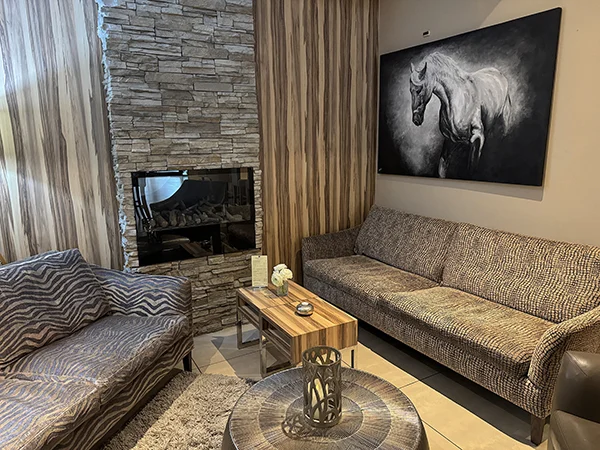
Oberhausen, a city nestled on the Ruhr River at the periphery of Essen, Germany, stands as a profound testament not merely to urban transformation, but to a complete civic repurposing. Once a pulsating epicenter of heavy industry, its landscape dominated by the towering silhouettes of coal mines, iron and steel production facilities, and manufacturing plants throughout the late 19th and 20th centuries, Oberhausen has meticulously engineered an intentional evolutionary path towards becoming a verdant, 21st-century city. This strategic pivot is meticulously tailored for a healthier, more active, and outdoors-oriented standard of living. What renders Oberhausen a particularly compelling choice for meetings, conferences, and leisure travel is its unwavering commitment to its past; rather than obscuring its industrial heritage, the city masterfully integrates it, showcasing a pragmatic and inspiring model for how municipalities can leverage existing infrastructure and history to forge an environmentally sound and prosperous future.
The Ruhrgebiet’s Metamorphosis: A Deeper Dive into Oberhausen’s Journey
The Ruhr region, historically known as the "Ruhrpott" due to its rich coal deposits and subsequent industrial might, was the engine room of Germany’s economic prowess for generations. Oberhausen, at its heart, bore the brunt and the bounty of this era. The city’s industrial boom, fueled by an abundance of natural resources and strategic location, led to significant population growth and economic prosperity. However, this prosperity came with considerable environmental consequences, including widespread pollution and the creation of vast industrial wastelands. The decline of coal mining and heavy industry in the latter half of the 20th century presented the Ruhrgebiet, and Oberhausen specifically, with monumental economic and social challenges. Mass unemployment, urban decay, and a loss of identity loomed large over communities accustomed to the rhythm of the mines and mills.
In response, a visionary strategic shift began to take shape across the Ruhr. Oberhausen embraced this transformation with particular zeal, recognizing the imperative to diversify its economy and enhance the quality of life for its residents. The city embarked on ambitious urban renewal projects, investing heavily in green infrastructure, cultural institutions, and modern service industries. Industrial brownfields, once scars on the landscape, were systematically reclaimed and redeveloped into parks, recreational areas, and new residential or commercial zones. The concept of the "New Mitte" (New Centre) emerged as a central pillar of this revitalization, transforming a former industrial site into a vibrant city center replete with shopping, entertainment, and modern business facilities. This strategic vision aimed to not only mitigate the environmental damage of the past but also to reposition Oberhausen as a forward-looking city, attractive to both residents and visitors seeking a balance of urban amenity and natural serenity. This approach offers a powerful lesson for other post-industrial cities globally, demonstrating that economic decline need not be a death knell but rather a catalyst for innovative, sustainable redevelopment.
Parkhotel Oberhausen: An Anchor of Authenticity and Sustainability
Amidst this landscape of profound change, Parkhotel Oberhausen distinguishes itself as a living embodiment of the city’s reinvention. While the older business district, near the main train station, and the "New Mitte" city center are home to several European- and internationally-branded business hotels, Parkhotel Oberhausen offers a distinct alternative. This 98-room boutique hotel, a roughly 10- to 15-minute drive from the bustling New Mitte, has earned the esteemed reputation among locals and regular guests as the "best hotel in town." This distinction is not merely a matter of amenities, but a reflection of the profound vision articulated by its family owners, Paul and Ursula Wischermann. Their philosophy centers on immersing guests into Oberhausen’s elevated quality of life, offering an authentic, rooted experience that contrasts with the more standardized offerings of larger chains.
The hotel’s design philosophy is a harmonious blend of nature-inspired motifs and minimalist aesthetics, creating a warm, inviting atmosphere that subtly echoes the city’s green aspirations. Its aesthetic sets a precedent for other properties emerging along the Ruhr, demonstrating that luxury and comfort can be achieved through thoughtful, sustainable design rather than ostentation. The surrounding residential setting further imbues the Parkhotel with a unique character, providing a sense of community and tranquility that is often elusive in more central, commercial hotel locations. This deliberate choice to integrate with the local fabric reinforces the hotel’s commitment to reflecting the true spirit of Oberhausen.
Exceptional Accommodations and Wellness for the Modern Traveler
Parkhotel Oberhausen caters to a diverse range of guests with its thoughtfully designed accommodations. Guests can choose from standard rooms, larger "comfort category" rooms, and spacious junior suites, each crafted to provide a serene and restorative environment. A notable feature in many of these upscale accommodations is the inclusion of a whirlpool tub equipped with an integrated television in the bathroom, offering a luxurious touch that enhances the relaxation experience. This attention to detail ensures a premium stay, whether for business or leisure.
Beyond the private spaces, the hotel’s commitment to guest well-being extends to its comprehensive wellness area. This dedicated zone includes a modern fitness area, allowing guests to maintain their routines, alongside a traditional Finnish sauna for deep relaxation and detoxification. For those seeking alternative therapeutic benefits, two infrared cabins are available, offering gentle heat therapy known for its numerous health advantages. These facilities are designed to provide a holistic approach to wellness, complementing the active, outdoorsy lifestyle that Oberhausen itself promotes. As the Ruhr region increasingly focuses on revitalizing its tourism infrastructure, Parkhotel’s blend of modern amenities, comfort, and a strong sense of place positions it as a leader in defining the future of hospitality in this evolving German landscape. The hotel’s unique aesthetic, combining contemporary design with natural elements, serves as an inspiration for forthcoming developments, showcasing how properties can seamlessly integrate into and enhance their local environment while meeting the evolving expectations of discerning travelers.

A Taste of Regional Excellence: Culinary Delights at Parkhotel Oberhausen
The culinary offerings at Parkhotel Oberhausen are a cornerstone of its commitment to regional authenticity and quality. Zur Bockmühle, the hotel’s signature restaurant, epitomizes this philosophy. It presents a menu characterized by "simple but beautifully plated appetizers and dinners," with a steadfast emphasis on seasonal produce and proteins sourced directly from the local area. This dedication to local sourcing not only supports regional farmers and producers but also ensures the freshest possible ingredients, allowing the natural flavors to shine. The restaurant regularly features rotating specials that spotlight the season’s best vegetables or unique regional seasonings. For instance, a spring visit might unveil exquisite dishes centered around white asparagus, a highly prized delicacy in Germany, showcasing the kitchen’s responsiveness to the agricultural calendar. Complementing the exquisite cuisine is a small, carefully curated list of mostly German wines, selected to perfectly pair with the regional fare and introduce guests to the rich winemaking traditions of the country.
In delightful contrast to the refined elegance of Zur Bockmühle, Schottes Kneipe, the hotel’s adjoining traditional German pub, offers a more rustic and convivial experience. This establishment serves up hearty comfort food and a selection of local draft beers in a genuinely "neighborhood-y setting." It provides a charming counterpoint to the sleek, modern restaurants and interactive venues found within the New Mitte, offering guests a taste of authentic German pub culture. This dual culinary offering allows guests to experience both the contemporary gastronomic trends and the cherished traditions of the region without leaving the hotel premises.
Beyond these two distinct dining venues, Parkhotel Oberhausen also provides versatile spaces for various gatherings. Le Jardin, for instance, serves a high-quality breakfast daily, ensuring a nutritious and pleasant start to the day. The hotel also boasts a leafy outdoor lounge space, perfect for informal meetings, casual relaxation, or enjoying a drink al fresco. Uniquely, the hotel features a five-lane bowling alley, an unexpected amenity that offers a fun and engaging venue for business mixers, small team-building meetings, or family gatherings, further enhancing the hotel’s appeal as a comprehensive destination for both business and leisure.
Beyond Hospitality: Parkhotel’s Commitment to Community and Environment
Parkhotel Oberhausen’s contributions extend far beyond conventional hospitality, appealing profoundly to businesses and meeting planners who prioritize venues reflecting a commitment to elevated quality of life and community engagement. The hotel’s deep roots in Oberhausen are evident in its operational philosophy: a significant portion of its fresh look and design elements are the result of collaborations with local architects and furniture designers from Oberhausen. This deliberate choice not only supports the local economy but also ensures that the hotel’s aesthetic is authentically integrated with the regional identity.
Furthermore, the hotel champions an exemplary employee-centric culture. Unlike many establishments that rely on agencies, Parkhotel Oberhausen takes pride in hiring its employees and interns directly. This direct engagement fosters a strong sense of loyalty and belonging, which is clearly reflected in its remarkably low employee turnover rate of just 2 percent. This figure stands as a powerful testament to the supportive working environment, fair practices, and genuine care that the management, led by the Wischermann family, extends to its staff. Such a stable and motivated workforce invariably translates into superior guest service and a more welcoming atmosphere.
The Parkhotel also maintains a robust track record as a "good neighbor" within the Oberhausen community. It makes regular and meaningful contributions of equipment, funds, and assets to local non-profit organizations, such as the Oberhausen women’s shelter. These philanthropic endeavors underscore the hotel’s belief in corporate social responsibility and its role in strengthening the social fabric of the city.
In an era where environmental consciousness is paramount, Parkhotel Oberhausen has also embraced an evolving roster of sustainability initiatives. These efforts place equal importance on the principles of reusing and recycling, aiming to minimize the hotel’s ecological footprint. While specific details may vary, such initiatives typically include comprehensive waste separation programs, energy-efficient lighting and appliances, water conservation measures in guest rooms and public areas, and sourcing of eco-friendly cleaning products. The commitment to local suppliers for its restaurant further reduces transportation emissions, aligning with a broader ethos of environmental stewardship. This holistic approach to community and environmental responsibility makes Parkhotel Oberhausen not just a place to stay, but a partner in the city’s sustainable future, enhancing its appeal to ethically conscious travelers and organizations.
Oberhausen and the Ruhr: A Vibrant Cultural and Leisure Landscape
As Oberhausen concurrently emerges as a compelling leisure destination, it offers a wealth of conversation-starting attractions, many just a short drive from Parkhotel Oberhausen. One such marvel is the "Slinky Springs to Fame" pedestrian bridge, an artistic and functional landmark that playfully spans the Rhine-Herne Canal. This vibrant, colorful structure, resembling a giant Slinky toy, has become an iconic symbol of the region’s creative repurposing of its industrial infrastructure. Adjacent to it lies the Ludwiggalerie, a distinguished art gallery housed within a former industrial building. The Ludwiggalerie offers diverse exhibitions, often focusing on photography, pop art, and contemporary German artists, providing a rich cultural experience. Within its premises, visitors can also discover an eclectic boutique and a casually romantic café, perfect for leisurely contemplation after immersing oneself in art.

Perhaps the most significant testament to the Ruhr’s transformation is the UNESCO World Heritage-designated Zollverein Coal Mine Industrial Complex, located in nearby Essen. This monumental site, once the largest and most modern coal mine and coking plant in the world, is now a thriving cultural and recreational hub. Its now-iconic Doppelbock, the functional centerpiece of the former mine, serves as a visual gateway to a vast landscape of repurposed industrial architecture. Today, the Zollverein complex is home to museums (including the Ruhr Museum), design schools, art installations, and a vibrant events calendar. It also marks the beginning of the ZollvereinSteig, a 26.3-kilometer hiking trail and network of paved bike paths that wind through the former industrial grounds and surrounding green spaces. This adaptive reuse of such a colossal industrial site exemplifies the region’s commitment to preserving its heritage while simultaneously creating new avenues for tourism, education, and recreation.
The broader Ruhr region, with its extensive network of green corridors, revitalized waterways, and industrial heritage routes, offers endless opportunities for outdoor activities, from cycling along the Ruhr River to exploring vast nature parks. This blend of rich history, modern culture, and accessible green spaces positions Oberhausen and its surroundings as a truly unique and multifaceted destination, appealing to a wide array of interests.
Oberhausen’s Model: Implications for Urban Development and Sustainable Tourism
Oberhausen’s journey from an industrial powerhouse to a green, 21st-century city serves as an invaluable case study for urban development and regeneration worldwide. It demonstrates a successful blueprint for how post-industrial cities can not only recover from economic decline but thrive by embracing sustainability, cultural heritage, and a renewed focus on quality of life. The city’s ability to integrate its past into its future – preserving iconic industrial landmarks while transforming its urban fabric – offers critical lessons for global cities grappling with similar challenges. This strategic foresight has positioned Oberhausen as a magnet for a new generation of visitors and businesses who prioritize authenticity, environmental consciousness, and a balanced lifestyle.
The city’s emphasis on green spaces, sustainable practices, and local community engagement also aligns perfectly with the burgeoning trend of sustainable tourism. Travelers are increasingly seeking destinations that offer genuine experiences while demonstrating a commitment to environmental protection and social responsibility. Oberhausen, with its compelling narrative of transformation and its strong ethical foundations, meets this demand head-on. The success of establishments like Parkhotel Oberhausen, which mirrors the city’s values through local sourcing, community support, and eco-friendly operations, underscores the economic viability of this sustainable approach. This model suggests that destinations that authentically integrate sustainability into their core identity will be the ones that attract and retain visitors in the long term, fostering robust and resilient local economies.
The evolving definition of "quality of life," which has shifted significantly since the industrial era of the Krupp dynasty, finds a profound expression in contemporary Oberhausen. The city and its key establishments like Parkhotel Oberhausen exemplify this new paradigm, where economic prosperity is intertwined with environmental stewardship, cultural richness, and communal well-being.
Conclusion: A Harmonious Blend of Past, Present, and Future
Oberhausen’s remarkable journey of transformation—from the sooty heart of Germany’s industrial engine to a vibrant, green, and culturally rich 21st-century city—is a compelling narrative of resilience and forward-thinking urban planning. It showcases how a municipality can not only overcome the legacy of de-industrialization but actively repurpose its identity, creating a model for sustainable urban development that balances heritage with innovation.
At the core of this success story, Parkhotel Oberhausen stands as a microcosm of the city’s ethos. Through the vision of Paul and Ursula Wischermann, it provides a distinctive taste of how travelers can experience a uniquely German amalgam of style, comfort, and pragmatism in lodging. Its commitment to local integration, employee welfare, philanthropic endeavors, and environmental sustainability makes it more than just a place to stay; it is an active participant in defining Oberhausen’s elevated quality of life.
For both business and leisure travelers, Oberhausen, with its rich history, revitalized cultural landscape, and deep commitment to a green future, offers an unforgettable experience. And within this dynamic city, Parkhotel Oberhausen emerges not merely as a hotel, but as an authentic gateway to understanding and appreciating the harmonious blend of past, present, and future that defines this remarkable German destination.
Parkhotel Oberhausen
Teutoburger Str. 156
46119 Oberhausen, Germany
tel +49 208 69020
parkhotel-oberhausen.de




 Anjar Salim
 Chandra Hamzah
 Tatiana Tantri Indah Sari
 Budi Mulyono
