
 Budi Mulyono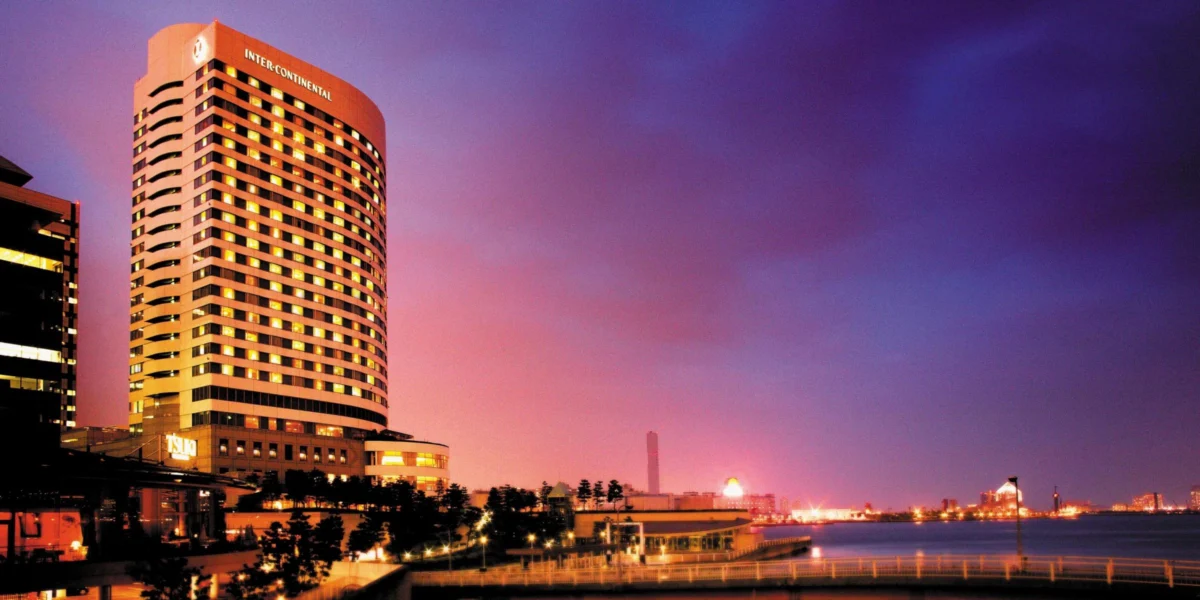
The InterContinental Ambassador program represents a unique segment within the broader hospitality industry, operating as a subscription-based loyalty tier that sits parallel to the traditional earned status levels of IHG One Rewards. Unlike standard loyalty programs that require a specific number of nights or spend to achieve elite status, the Ambassador program is accessible through a direct annual payment of $225 or the redemption of 45,000 IHG One Rewards points. This model, often referred to in the industry as "Loyalty as a Service" (LaaS), provides immediate access to high-tier benefits specifically tailored for guests of the InterContinental Hotels & Resorts brand. However, the fiscal viability of this membership is contingent upon a traveler’s specific consumption patterns and stay frequency within the InterContinental portfolio.
The Mechanics of the Ambassador Program
InterContinental Hotels Group (IHG) has structured the Ambassador program to serve as a premium layer of benefits that applies almost exclusively to its flagship luxury brand. While members are automatically granted Platinum Elite status within the broader IHG One Rewards ecosystem—providing secondary benefits at brands such as Holiday Inn, Crowne Plaza, and Kimpton—the primary value proposition is concentrated on the InterContinental experience. The core benefits include a guaranteed one-category room upgrade, a guaranteed 4:00 p.m. late checkout, a $20 credit per stay for restaurants and bars, and a complimentary weekend night certificate.
The distinction between "earned" status and "purchased" status is a critical component of IHG’s market strategy. By offering a paid pathway to benefits, the company captures revenue from high-value travelers who may not stay frequently enough to earn top-tier status through traditional means but who prioritize luxury and predictability when they do travel. This approach contrasts with competitors like Marriott Bonvoy or Hilton Honors, which generally do not offer a direct-purchase equivalent for their luxury brands, though they do provide status through co-branded credit card spend.
Historical Context and Evolution of IHG Loyalty
The Ambassador program has its roots in the former "Six Continents Club," a legacy program that predates the modern IHG One Rewards structure. Over the decades, IHG has refined the program to maintain a sense of exclusivity while integrating it into its global digital infrastructure. In 2022, IHG underwent a massive rebranding and restructuring of its loyalty program, transitioning from "IHG Rewards" to "IHG One Rewards." During this transition, the Ambassador program was maintained as a distinct entity, reflecting its success as a revenue-generating tool and its popularity among loyalists of the InterContinental brand.
Historically, the program also included a "Royal Ambassador" tier, which remains an invite-only status for the most frequent guests of the brand. The standard Ambassador tier, however, remains the only publicly available paid status of its kind in the mainstream luxury hotel market. The stability of the $225 price point—which has seen only moderate adjustments over several years—suggests a calculated effort by IHG to maintain a low barrier to entry for affluent travelers while ensuring the benefits remain sustainable for the hotels to fulfill.
Quantifying the Financial Value Proposition
To determine the objective value of the InterContinental Ambassador status, an analysis of the "guaranteed" benefits against the cost of entry is required. The $225 annual fee must be offset by the tangible savings realized during stays.
- The Weekend Night Certificate: This is widely considered the most valuable asset in the Ambassador toolkit. The certificate allows for the second night of a two-night weekend stay to be complimentary. In high-demand markets such as London, Paris, or New York, a single night at an InterContinental property can frequently exceed $400. If utilized at a property like the InterContinental Paris Le Grand or the InterContinental London Park Lane, the certificate can effectively pay for the membership twice over in a single stay.
- The 4:00 P.M. Late Checkout: In the hospitality industry, a guaranteed late checkout is a rare commodity. Most programs offer this "subject to availability." By guaranteeing this benefit, IHG provides a service that many business travelers value at approximately $50 to $100 per stay, particularly when dealing with evening flight departures.
- Room Upgrades: The guaranteed one-category upgrade provides a value that fluctuates based on the property’s pricing structure. On average, the price delta between a standard room and a superior or deluxe room ranges from $30 to $70 per night. For a traveler staying ten nights a year, this benefit represents a theoretical value of $300 to $700.
However, data suggests that the value diminishes significantly for travelers who primarily book stays using points (Reward Nights). The terms and conditions of the program specify that the room upgrade and the $20 beverage credit are not guaranteed on Reward Nights, though many properties may still provide them as a gesture of goodwill.
Strategic Constraints and "The Fine Print"
The Ambassador program is governed by a rigorous set of terms that prevent "benefit stacking" or unintended exploitation of the system. A primary example is the "Ambassador Complimentary Weekend Night" rate. To use the free night certificate, members must book a specific "Ambassador Weekend Rate," which is often slightly higher than the lowest non-refundable "Advance Purchase" rate. Consequently, the "free" night is not a 50% discount on the cheapest possible stay, but rather a discount off a flexible, mid-tier rate.
Furthermore, the room upgrade policy contains specific exclusions. Upgrades to Club InterContinental rooms—which include lounge access, breakfast, and evening cocktails—are explicitly excluded from the guarantee. If an Ambassador member is upgraded to a room that happens to be on the Club floor, they are not entitled to the lounge benefits unless they have paid for a Club-level room or hold a separate "Lounge Membership" milestone through the IHG One Rewards program. This distinction is a frequent point of confusion for members and highlights the complexity of modern hotel loyalty structures.
Service Recovery and Performance Guarantees
A notable feature of the Ambassador program is its explicit compensation policy for service failures. In an industry where "guarantees" are often hollow, IHG provides a clear framework for when a hotel fails to deliver on Ambassador promises. If a property cannot provide the 4:00 p.m. late checkout or the one-category room upgrade, the member is entitled to a choice of 10,000 IHG One Rewards points or a $50 credit for use at the hotel’s facilities.
This "Service Recovery" clause serves as a powerful incentive for hotel management to honor the benefits. For the traveler, it provides a form of insurance. The 10,000 points are valued at approximately $50 based on industry averages, ensuring that even when the physical benefit is unavailable, the financial value of the membership is preserved. This level of transparency is rare in the hospitality sector and contributes to the program’s reputation for reliability.
Market Implications and Global Reach
The InterContinental brand operates over 200 hotels globally, with a significant presence in major financial hubs and resort destinations. The Ambassador program’s impact is most felt in regions with high concentrations of these properties, such as Southeast Asia, Europe, and the Middle East. In the Middle East, the program adapts to local customs by redefining the "weekend" as Thursday, Friday, and Saturday, ensuring the weekend night certificate remains functional across different cultural contexts.
The program also acts as a gateway to the broader IHG portfolio. By granting Platinum Elite status, IHG encourages Ambassador members to stay at its midscale and upscale brands like Hotel Indigo or Crowne Plaza when an InterContinental is not available. This creates a "halo effect," where the luxury membership drives volume across the entire corporate structure. Industry analysts view this as a sophisticated method of customer retention, as it captures the "high-low" traveler who stays at luxury resorts for leisure but chooses efficient, midscale brands for business.
Analysis of the "Points vs. Cash" Enrollment
Prospective members face a choice between paying $225 or 45,000 points. From a data-driven perspective, the cash payment is often the more economical choice. The "valuation" of IHG points is generally pegged at 0.5 cents per point. Therefore, 45,000 points represent approximately $225 in "opportunity cost" value. However, IHG frequently runs promotions where points can be purchased for as low as 0.5 cents, making the two options roughly equal. The decision typically rests on the member’s current liquidity versus their points balance. For those with a surplus of points earned through business travel, the "free" status via 45,000 points is a popular way to extract value from the program without an out-of-pocket expense.
Future Outlook for Paid Status Programs
As the hospitality industry continues to recover from the shifts in travel patterns observed over the last several years, paid loyalty programs are expected to gain more traction. They provide hotels with immediate cash flow and a committed customer base. The InterContinental Ambassador program serves as a blueprint for this model. Recent expansions of the program’s benefits to include limited recognition at Six Senses Hotels Resorts Spas and Regent Hotels & Resorts indicate that IHG is looking to leverage the Ambassador brand across its entire "Luxury & Lifestyle" collection.
The primary challenge for the program moving forward will be maintaining the "guaranteed" nature of its benefits in an era of high occupancy and labor shortages. As hotels reach capacity, fulfilling late checkouts and room upgrades becomes operationally difficult. The continued success of the Ambassador program will depend on IHG’s ability to enforce these standards at the franchise level, ensuring that the "guarantee" remains a reality for the traveler.
In summary, the InterContinental Ambassador status is a strategic financial tool for the frequent luxury traveler. It moves the concept of loyalty from a nebulous "points-earning" exercise to a concrete, contractual agreement between the guest and the brand. While it is not a universal necessity for all IHG guests, for those who frequent the InterContinental brand, the program offers a documented return on investment that is rare in the competitive landscape of global travel.




 Anjar Salim
 Chandra Hamzah
 Tatiana Tantri Indah Sari
 Lukman Taruna Persada Ramadan
