
 Budi Mulyono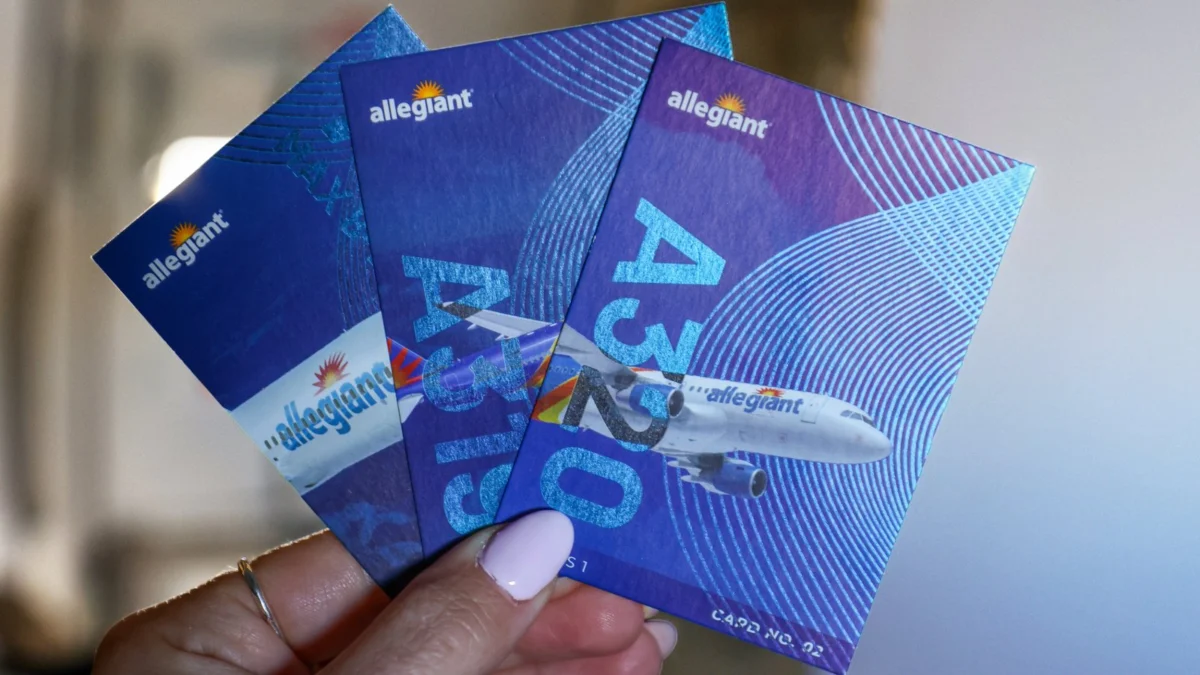
Allegiant Air has officially announced the introduction of its own series of collectible aircraft trading cards, marking the airline’s entry into a burgeoning industry trend aimed at fostering deeper connections between flight crews and passengers. The Las Vegas-based ultra-low-cost carrier (ULCC) revealed the initiative via social media, encouraging travelers—particularly children and aviation enthusiasts—to engage with pilots to obtain these limited-edition keepsakes. This move positions Allegiant alongside a growing cohort of major and regional carriers that utilize physical memorabilia to enhance the onboard experience and generate organic brand visibility through social media channels.
The launch of the trading card program represents a strategic shift for Allegiant, an airline traditionally focused on point-to-point leisure travel for budget-conscious families. By introducing a tangible, collectible item, the airline aims to humanize the flying experience and provide a memorable touchpoint that extends beyond the duration of the flight. The cards typically feature high-resolution imagery of the airline’s fleet, detailed technical specifications of the aircraft, and educational facts regarding aviation history and operations.
The Evolution of the Airline Trading Card Phenomenon
While the concept of airline collectibles is not entirely new, the modern "trading card craze" has seen a significant resurgence in the post-pandemic era. The tradition is often traced back to Delta Air Lines, which is widely credited with pioneering the concept in the early 2000s. Delta’s program, which began around 2003, was designed to educate younger passengers about aviation and provide pilots with a tool to interact positively with the public. Over the last two decades, Delta has released multiple series of cards, with the most recent iterations becoming highly sought-after items on secondary markets and hobbyist forums.
Following the success of Delta’s initiative, other major U.S. carriers began to recognize the marketing potential of these low-cost, high-engagement items. United Airlines, American Airlines, and Alaska Airlines have all implemented similar programs, often timing the release of new card series with major company milestones, such as centennial celebrations or the induction of new aircraft types into their fleets. For instance, American Airlines recently utilized trading cards to celebrate its 100th anniversary, while Alaska Airlines released a special edition set to coincide with World Pilots’ Day.
The trend has also permeated the low-cost sector. Frontier Airlines, known for the animal mascots on its aircraft tails, has leveraged this branding by featuring those same animals on its trading cards. Even Spirit Airlines had explored the medium prior to its recent operational restructuring. Allegiant’s entry into this space suggests that the practice has moved from a niche marketing tactic to an industry standard for passenger engagement.
Strategic Integration into Allegiant’s Leisure-Focused Model
Allegiant Air occupies a unique niche in the American aviation landscape, focusing primarily on connecting small-to-medium-sized cities to world-class leisure destinations like Orlando, Las Vegas, and Phoenix. Because a significant portion of Allegiant’s customer base consists of families on vacation, the introduction of trading cards is particularly well-aligned with its demographic.
Industry analysts suggest that for a leisure-focused carrier, the goal is to transform the flight from a mere utility into a part of the vacation itself. By providing children with a "mission" to collect cards from different pilots or aircraft types, the airline creates a sense of gamification. This engagement serves a dual purpose: it distracts and entertains younger passengers while simultaneously building brand loyalty from an early age.
Furthermore, the program offers a rare opportunity for positive interaction between the flight deck and the cabin. In an era of heightened security and automated processes, the "pilot trading card" serves as a bridge, encouraging passengers to greet the flight crew and learn about the professionals responsible for their journey. Allegiant’s official communication emphasizes this interaction, specifically instructing passengers to "ask one of our pilots" to begin their collection.
Technical Details and Collectibility Factors
The Allegiant trading cards are expected to highlight the airline’s current transition and diversity in its fleet. Historically an all-Airbus operator, Allegiant is in the process of integrating Boeing 737 MAX aircraft into its operations. This fleet evolution provides a wealth of content for a trading card series.
Potential card features likely include:
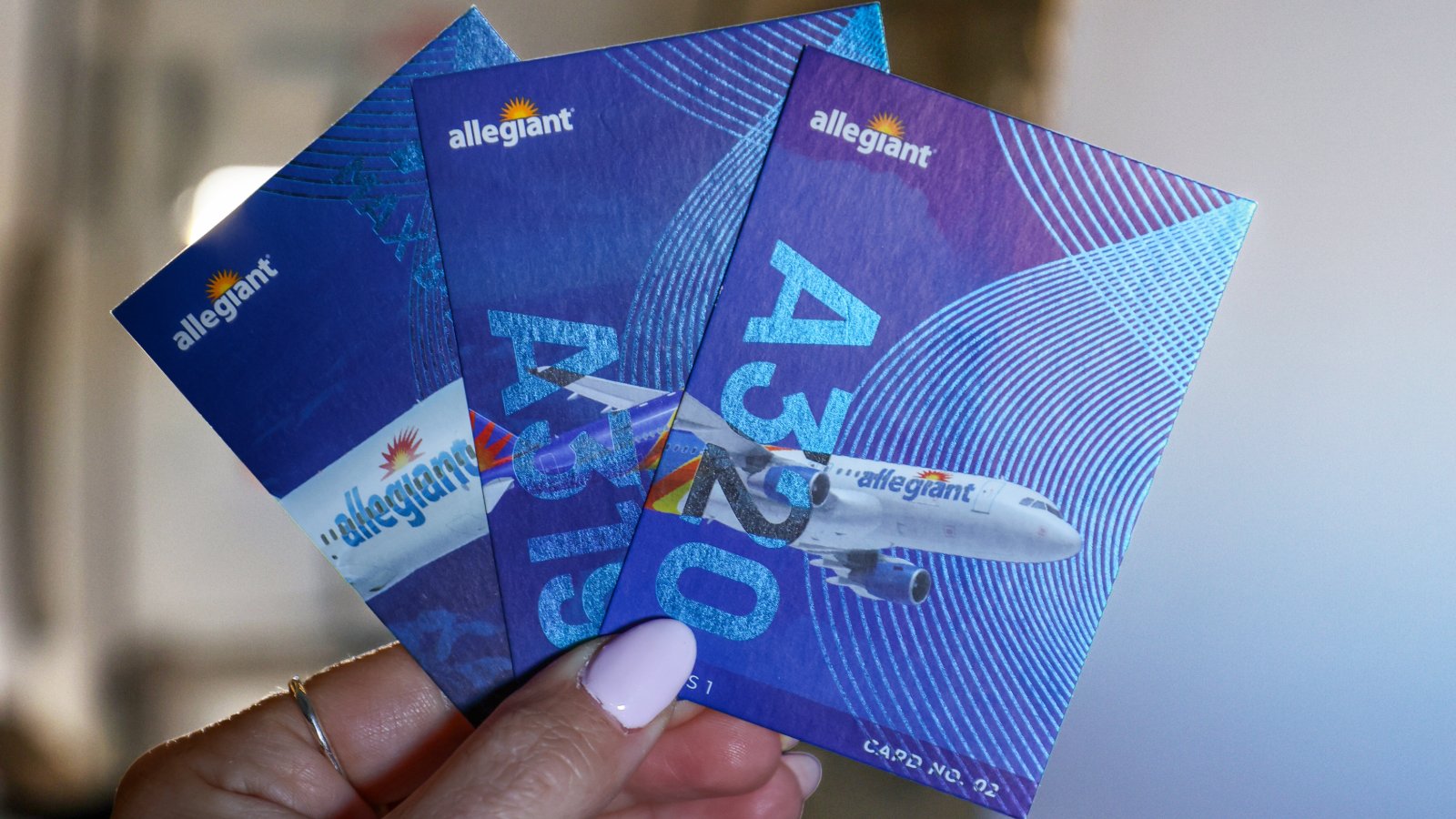
- Aircraft Type: Detailed cards for the Airbus A319 and A320, as well as the new Boeing 737-7 and 737-8-200 models.
- Technical Specs: Information such as maximum takeoff weight (MTOW), cruising speed, engine types (such as the CFM56 or LEAP-1B), and seating capacity.
- Fun Facts: Trivia regarding Allegiant’s history, its unique business model, or the specific routes served by certain aircraft.
- Visual Design: High-gloss finishes featuring the airline’s distinctive "sunburst" livery, which is iconic in the leisure travel market.
The scarcity of these cards often drives their value among the "AvGeek" (aviation enthusiast) community. Because cards are distributed at the discretion of the crew and are subject to availability on specific airframes, certain cards—such as those representing newly delivered aircraft or special liveries—can become rare.
The Role of Social Media and Organic Marketing
A primary driver behind the proliferation of airline trading cards is the "Instagrammable" nature of the hobby. Passengers frequently document their finds on platforms like X (formerly Twitter), Instagram, and TikTok, using hashtags such as #AviationPhotography, #AirlineTradingCards, and #AvGeek.
For Allegiant, this represents a cost-effective form of organic marketing. When a passenger posts a photo of a trading card, they are effectively endorsing the airline to their personal network. This user-generated content (UGC) carries a level of authenticity that traditional advertising often lacks. The announcement of Allegiant’s program itself gained traction through a featured image from a passenger’s Instagram account, illustrating the circular nature of this marketing strategy.
Market research indicates that travelers are increasingly looking for "shareable moments." A simple physical card provides a tactile contrast to the digital boarding passes and mobile apps that dominate the modern travel experience. This "analog" souvenir serves as a lasting reminder of the brand long after the passenger has deplaned.
Operational Considerations and Crew Involvement
While the program is popular among passengers, its success relies heavily on the participation of the flight crew. Pilots are the primary "gatekeepers" of the cards, and the initiative requires them to manage a small inventory of memorabilia alongside their safety-critical duties.
Airlines that have successfully implemented these programs often report that pilots enjoy the interaction, as it allows them to share their passion for aviation with the next generation. However, carriers must also manage expectations regarding availability. Allegiant has noted that supplies may vary by flight and that the cards are not guaranteed, a standard disclaimer intended to prevent passenger frustration if a specific crew has exhausted their stock.
The logistical side involves the periodic printing and distribution of cards to various pilot bases across Allegiant’s network. For a carrier with 24 bases ranging from Allentown, Pennsylvania, to Punta Gorda, Florida, ensuring a steady supply requires coordinated effort from the corporate marketing and flight operations departments.
Broader Implications for the Airline Industry
The adoption of trading cards by Allegiant underscores a broader trend of airlines seeking ways to differentiate their "soft product" in a highly competitive market. As airlines move toward unbundled fares and basic economy offerings, small gestures like free trading cards help to mitigate the perception of air travel as a commoditized service.
This trend also reflects a shift in how airlines view "loyalty." While traditional frequent flyer programs focus on miles and spend, engagement-based loyalty focuses on emotional connection. A child who receives a trading card on their first Allegiant flight is more likely to have a positive association with the brand, potentially influencing family travel decisions in the future.
Furthermore, the success of these programs has led to discussions about digital integration. Some industry observers speculate that the next phase of airline collectibles could involve Non-Fungible Tokens (NFTs) or digital badges earned through airline apps. However, the current popularity of physical cards suggests that for now, the tangible nature of the souvenir remains its greatest appeal.
Conclusion
Allegiant Air’s decision to launch a trading card program is a calculated move to enhance its brand image and deepen passenger engagement. By tapping into a proven trend and leveraging the enthusiasm of the aviation community, Allegiant is providing a low-cost, high-impact amenity that resonates with its core demographic of leisure travelers. As the "collectible craze" continues to sweep through the cockpits of major carriers, the humble trading card has solidified its place as a staple of the modern flying experience, proving that even in a digital age, a small piece of cardstock can create a lasting connection between an airline and its passengers.




 Anjar Salim
 Chandra Hamzah
 Tatiana Tantri Indah Sari
 Lukman Taruna Persada Ramadan
