
 Gabriela Annisa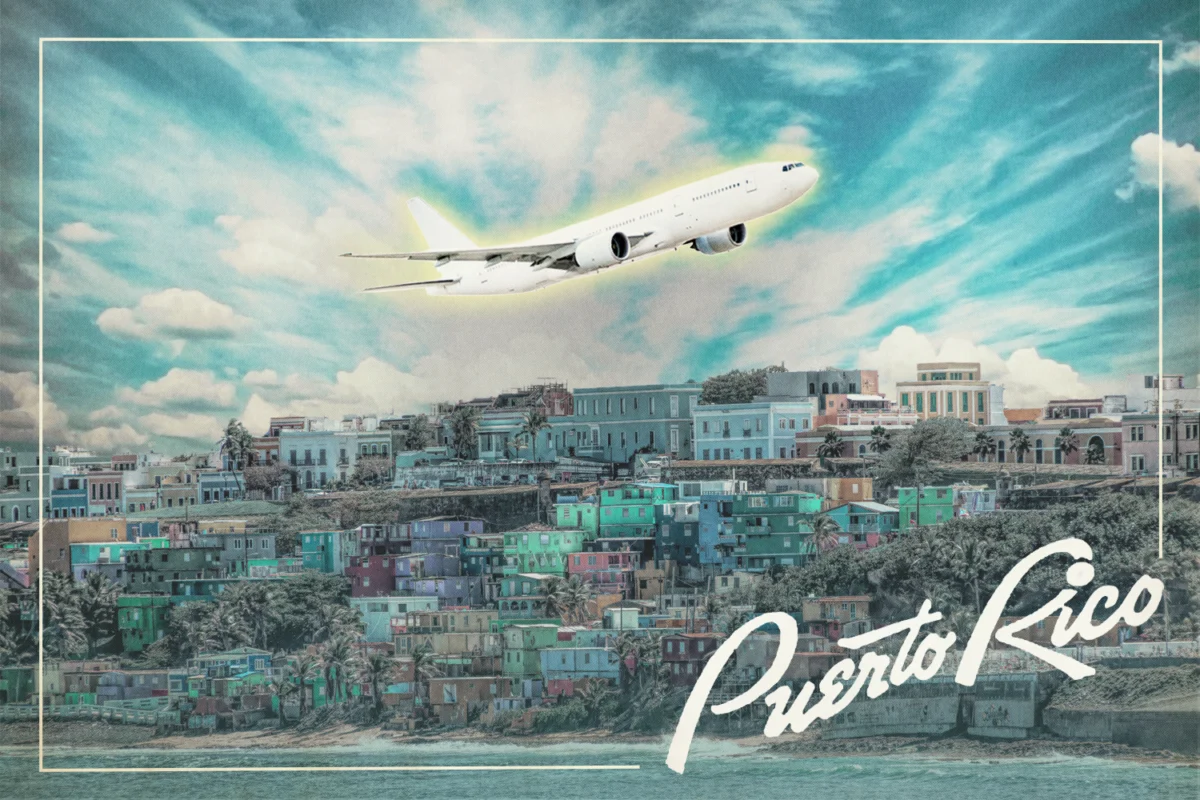
In an aviation landscape characterized by a subtle contraction in the sheer number of flights departing U.S. airports compared to pre-pandemic levels in 2019, even as overall seat counts have nudged higher due to the deployment of larger aircraft, the narrative of growth has generally been modest. However, amidst this backdrop, a select group of markets defies the trend, showcasing extraordinary dynamism. Few shine with greater brilliance than Puerto Rico, an island territory that has orchestrated a remarkable surge in its tourism sector and, consequently, its air travel connectivity. This exceptional rebound, fueled by booming visitor numbers and astute shifts in airline strategies, has positioned Puerto Rico as a compelling case study in resilience and strategic development. Yet, this hard-won momentum now faces significant tests from external pressures, notably rising global fuel costs and broader industry shakeups, prompting a closer examination of its sustainability and future trajectory.
A History of Resilience: From Devastation to Revival
Puerto Rico’s current aviation and tourism boom is particularly noteworthy given its recent history of profound challenges. For years leading up to the mid-2010s, the island grappled with a protracted economic recession, a mounting public debt crisis, and a significant outward migration of its population. The tourism sector, while always present, struggled to reach its full potential amidst these fiscal and social headwinds. This difficult period culminated in a series of devastating natural disasters that threatened to cripple the island entirely.
In September 2017, Hurricanes Irma and Maria delivered a catastrophic one-two punch, with Maria, a Category 4 storm, leaving an indelible scar. The hurricanes decimated critical infrastructure, plunging the entire island into darkness for months, destroying homes, roads, and vital services. The immediate impact on tourism was severe, with hotels shuttered, airports damaged, and the very notion of leisure travel seeming a distant dream. The road to recovery was arduous, marked by extensive federal aid, local community efforts, and a determined focus on rebuilding not just infrastructure, but also the island’s economy and spirit. Efforts centered on a "Build Back Better" philosophy, aiming to create more resilient systems and infrastructure capable of withstanding future shocks.
As the island slowly pieced itself back together through 2018 and 2019, initial signs of tourism recovery began to emerge. Hotels underwent extensive renovations, often upgrading facilities, and targeted marketing campaigns were launched to restore Puerto Rico’s image as a vibrant, welcoming destination. Just as this nascent recovery was gaining traction, the world was hit by the COVID-19 pandemic in early 2020. While initially causing a global shutdown of travel, the pandemic paradoxically presented a unique opportunity for Puerto Rico. As a U.S. territory, it offered mainland Americans a relatively accessible "escape" without the need for a passport or complex international travel restrictions often associated with foreign destinations. This factor, combined with flexible entry protocols compared to many other locations, positioned Puerto Rico favorably in a rapidly evolving travel landscape. Furthermore, the rise of remote work during the pandemic meant that some visitors extended their stays, blending leisure with work, thereby contributing to a sustained demand for accommodations and services.
The Drivers of an Unprecedented Aviation Surge
The remarkable surge in Puerto Rico’s aviation sector post-pandemic can be attributed to a confluence of strategic airline decisions, robust tourism demand, and proactive governmental and private sector collaboration. Airlines, emerging from the pandemic, fundamentally re-evaluated their route networks. With business travel significantly curtailed and international travel slow to rebound, carriers pivoted their focus towards domestic leisure markets. Puerto Rico, with its unique status as a U.S. territory offering Caribbean charm, became an exceptionally attractive proposition.
Major carriers significantly increased their frequencies and deployed larger aircraft on existing routes, while also launching an array of new services. Airlines like Spirit, Frontier, JetBlue, and American Airlines have been particularly aggressive in expanding their footprint in San Juan (SJU) and other regional airports. This expansion was driven by a clear understanding of market dynamics: a large Visiting Friends and Relatives (VFR) segment from the mainland U.S. diaspora, coupled with burgeoning leisure demand for its pristine beaches, vibrant culture, and diverse natural attractions. The island’s appeal also extended to the Meetings, Incentives, Conferences, and Exhibitions (MICE) market, which began a strong recovery as corporate travel resumed.
The Puerto Rico Tourism Company (PRTC) and Discover Puerto Rico (DPR), the island’s Destination Marketing Organization (DMO), played pivotal roles in amplifying this demand. Through innovative and sustained marketing campaigns, they effectively communicated Puerto Rico’s readiness to welcome visitors, highlighting its unique blend of American familiarity and rich Caribbean heritage. This included showcasing new and renovated hotel properties, enhanced infrastructure, and a renewed emphasis on the island’s natural beauty and cultural experiences. Collaborative efforts between the government and the private sector also fostered investment in airport improvements, the development of new hotels, and incentives for airlines to establish or expand service, creating a virtuous cycle of growth.
Quantifying the "Miracle": Data Points of Recovery
The statistics paint a vivid picture of Puerto Rico’s exceptional recovery. While overall U.S. flight departures remain below 2019 levels, Puerto Rico has not only recovered but surpassed its pre-pandemic aviation performance. San Juan’s Luis Muñoz Marín International Airport (SJU), the primary gateway to the island, has been a key beneficiary.
In 2023, SJU reported passenger traffic exceeding 13 million, a significant increase from its pre-pandemic peak of approximately 9 million passengers in 2019. This represents an over 40% increase in passenger volume in just four years, a growth rate that far outstrips the national average. Flight frequencies to SJU have also seen a substantial uptick, with dozens of new routes introduced from various U.S. cities, including non-traditional hubs. Seat capacity has surged even more dramatically, reflecting both increased flight numbers and the deployment of larger aircraft by airlines keen to capitalize on the robust demand. For instance, some reports indicate a nearly 25% increase in available seats to Puerto Rico in 2023 compared to 2019, contrasting sharply with the marginal overall increase in U.S. domestic seat capacity.
This aviation boom has translated directly into significant economic benefits for the island. Tourism revenue has soared, with official figures indicating billions of dollars injected into the local economy annually. Hotel occupancy rates consistently hover at or above 75%, often surpassing national averages, and the Average Daily Rate (ADR) for accommodations has seen healthy increases, signaling strong demand and pricing power. The sector has also been a major engine for job creation, providing employment opportunities across hospitality, transportation, retail, and ancillary services, thereby contributing significantly to Puerto Rico’s Gross Domestic Product (GDP). The multiplier effect of tourism spending further permeates various segments of the economy, from local artisans to agricultural producers, creating a broad-based positive impact.
Voices from the Ground: Perspectives on Growth
Officials from Discover Puerto Rico frequently express optimism regarding the island’s tourism trajectory, often citing strategic goals to diversify offerings beyond traditional beach tourism to include cultural, adventure, and culinary experiences. They emphasize the importance of sustainable development and community involvement to ensure that the benefits of tourism are widely distributed.
Airline executives, while typically cautious in their forward-looking statements, have implicitly affirmed their confidence in the Puerto Rican market through continued investment in routes and capacity. Their decisions reflect a data-driven assessment of sustained demand and favorable operating conditions, even as they navigate broader industry challenges. The stability offered by Puerto Rico as a U.S. domestic market, coupled with its strong leisure appeal, has proven to be a compelling combination.
On the ground, local business owners in the hospitality and retail sectors generally report increased revenues and heightened activity. Restaurants are busier, tour operators are fully booked, and local shops are seeing more customers. However, this rapid growth has not been without its challenges. Many businesses report difficulties in recruiting and retaining staff, leading to labor shortages across various tourism-related roles. This scarcity often results in increased wage costs, contributing to inflationary pressures. Additionally, the strain on existing infrastructure, from road congestion to the capacity of local utilities and popular attractions, is a growing concern that requires ongoing attention and investment.
Economists observing Puerto Rico’s economic landscape acknowledge the significant positive impact of the tourism boom but also sound notes of caution. They highlight the need for continued economic diversification, warning against an over-reliance on a single sector, however robust. They also point to the importance of managing growth sustainably, ensuring that the benefits outweigh potential negative externalities such as rising cost of living for residents or environmental degradation if not properly managed.
Emerging Headwinds: Tests to Sustained Growth
Despite its remarkable recovery, Puerto Rico’s aviation and tourism momentum is now facing significant headwinds that could test its sustainability.
Rising Fuel Costs: Global geopolitical events and supply chain disruptions have led to volatile and often elevated jet fuel prices. Fuel typically represents one of the largest operating expenses for airlines. Sustained high fuel costs can erode airline profitability, forcing carriers to reconsider less profitable routes, reduce frequencies, or increase ticket prices. Any of these actions could potentially dampen demand for travel to Puerto Rico, particularly if it becomes significantly more expensive to fly to the island compared to alternative destinations. Airlines are constantly optimizing their networks, and higher operating costs could make some of Puerto Rico’s routes less attractive in their overall portfolio.
Industry Shakeups: The airline industry is perpetually in flux. Potential mergers, acquisitions, or restructuring efforts among major carriers could lead to network rationalization, where routes are consolidated or eliminated. Changes in fleet strategies, such as a renewed focus on larger, more efficient aircraft for long-haul international routes or a reduction in regional jet service, could also impact connectivity to Puerto Rico, especially from smaller U.S. feeder markets. Furthermore, ongoing labor negotiations, particularly with pilots and flight attendants, and persistent pilot shortages, can constrain overall industry capacity and influence decisions on route expansion or contraction.
Infrastructure Strain: The rapid influx of tourists places considerable stress on existing infrastructure. While significant investments have been made since Hurricane Maria, continued growth necessitates further upgrades to roads, public transportation, water and electrical utilities, and waste management systems. Popular tourist sites may experience overcrowding, potentially diminishing the visitor experience and impacting local ecosystems if not managed effectively.
Labor Shortages and Inflation: The robust demand for tourism services has exacerbated existing labor shortages in Puerto Rico, a challenge compounded by pre-existing outward migration trends. Businesses struggle to find enough skilled workers, from hotel staff to tour guides, leading to competitive wage pressures. This, combined with global supply chain issues and increased demand, contributes to inflation, raising the cost of goods and services for both visitors and, more critically, local residents. A rising cost of living could eventually make Puerto Rico a less competitive destination or create social tensions between the tourism sector and local communities.
Environmental and Social Concerns: The success of tourism also brings potential environmental and social challenges. Increased visitor numbers can lead to greater environmental impact on sensitive natural areas like beaches, reefs, and forests. The risk of "over-tourism" in certain popular spots necessitates careful planning and sustainable practices to protect the island’s natural beauty, which is a key draw for visitors. Balancing the needs of a thriving tourism industry with the well-being of local communities and the preservation of cultural heritage is a delicate but crucial act.
Looking Ahead: Sustaining the Momentum
For Puerto Rico to sustain its "miracle recovery" and build a resilient tourism economy, several strategic imperatives must be addressed. Continued diversification of its tourism product is essential. While sun-and-sand will always be a cornerstone, developing niches such as medical tourism, eco-tourism, adventure tourism, and cultural heritage experiences can attract a broader demographic and reduce seasonality.
Ongoing investment in modernizing infrastructure, including airport expansion, improved public transportation, and robust utility services, is critical to accommodating future growth and enhancing the visitor experience. Workforce development programs are vital to address labor shortages, equipping local residents with the skills needed to thrive in the tourism sector, ensuring that the economic benefits are retained within the community.
Embracing sustainable tourism practices and fostering responsible development is paramount. This involves protecting natural resources, supporting local businesses, and ensuring that tourism development respects and benefits local communities. Finally, long-term strategic planning is necessary to avoid the boom-bust cycles often associated with tourism-dependent economies. This includes developing robust contingency plans for future natural disasters or economic downturns, continuously monitoring market trends, and adapting strategies to maintain competitiveness.
Conclusion: A Model of Resilience and Opportunity
Puerto Rico’s journey from the brink of economic collapse and environmental devastation to becoming a shining star in the U.S. aviation and tourism landscape is a testament to extraordinary resilience and strategic foresight. It serves as a compelling case study for other regions facing similar challenges, demonstrating how a concerted effort, coupled with advantageous market positioning, can drive remarkable recovery. However, the path ahead is not without its obstacles. The confluence of rising fuel costs, potential airline industry realignments, and the internal pressures of managing rapid growth necessitates a vigilant and adaptive approach. The ability of Puerto Rico to navigate these emerging headwinds, while continuing to invest in its infrastructure, workforce, and sustainable practices, will determine whether its current "miracle recovery" evolves into a truly enduring era of prosperity and opportunity for the island. The delicate balance between maximizing economic benefits and preserving the island’s unique charm and resources will be the ultimate measure of its sustained success.




 Anjar Salim
 Chandra Hamzah
 Tatiana Tantri Indah Sari
 Budi Mulyono
 Lukman Taruna Persada Ramadan
