
 Gabriela Annisa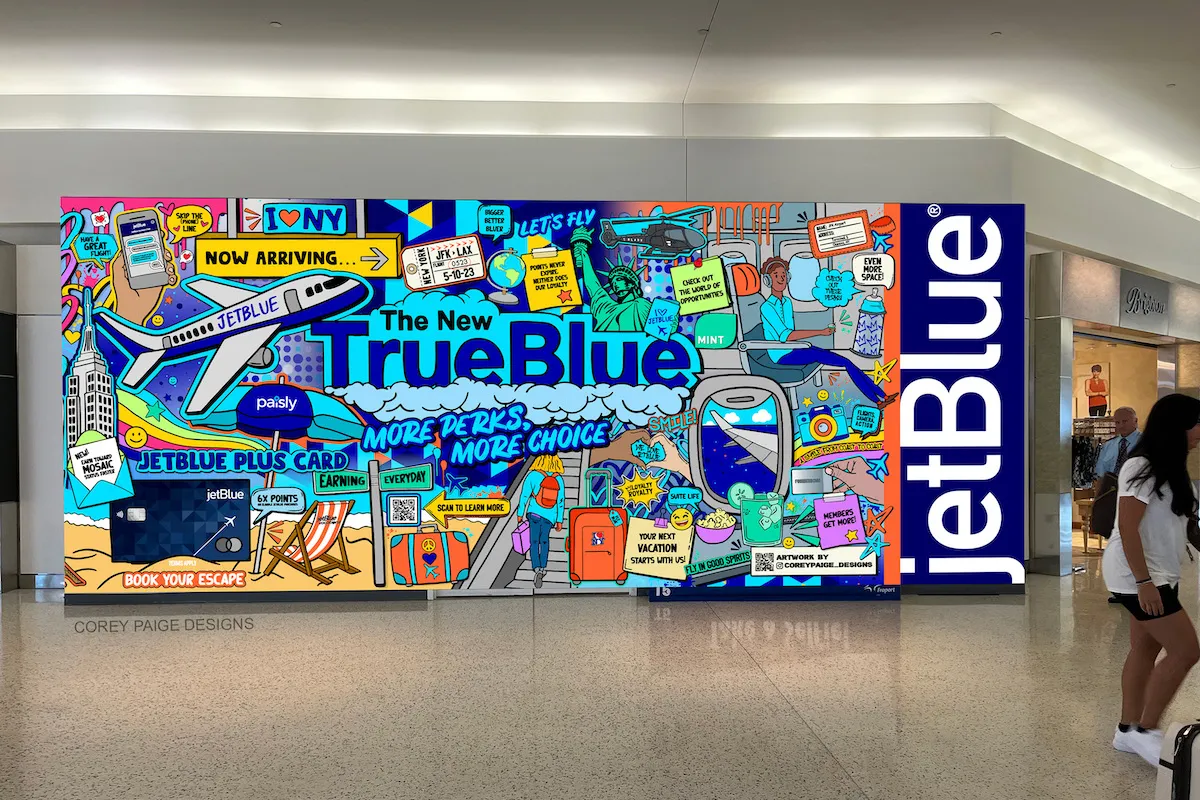
The first quarter of 2026 has presented a starkly contrasting picture for two prominent airlines, JetBlue Airways and Norwegian Air Shuttle, highlighting the divergent paths carriers are navigating in a volatile global aviation market. While JetBlue reported its sixth consecutive year of losses, signaling persistent struggles to achieve profitability, Norwegian Air has emerged from its post-bankruptcy restructuring with encouraging financial results, showcasing a robust recovery and strategic repositioning. Both airlines, like many across the industry, are contending with surging fuel prices and operational disruptions, yet their individual circumstances and strategic responses have yielded vastly different outcomes.
JetBlue’s Persistent Struggles: A Deep Dive into Q1 2026 Performance
JetBlue Airways has found itself in an increasingly precarious financial position, posting a negative 10% operating margin in the first quarter of 2026. This marks a deterioration from the negative 8% operating margin reported in the same period last year, despite the inclusion of the Easter travel period which typically provides a revenue boost. This latest performance extends a concerning trend for the New York-based carrier, which has now recorded losses for six straight years, encompassing every year of the 2020s. The airline’s leadership, including CEO Joanna Geraghty, faces mounting pressure to reverse this trajectory amidst a confluence of internal and external challenges.
A primary driver of JetBlue’s deepening losses is the escalating cost of jet fuel. In Q1 2026, JetBlue paid an average of $2.96 per gallon for fuel. This figure is notably higher than many of its major U.S. competitors, such as Delta Air Lines at $2.62, United Airlines at $2.78, and Southwest Airlines at $2.73 per gallon. While all airlines are grappling with higher fuel costs, JetBlue’s specific exposure, particularly to Northeast markets and potentially less diversified sourcing, places it at a disadvantage. For context, the airline’s internal business plan for the quarter had assumed a Brent crude oil price of $63 per barrel; the actual price soared to $112 per barrel, nearly double their projection, underscoring the magnitude of the unexpected cost burden.
Beyond fuel, JetBlue has been disproportionately affected by operational disruptions. The airline, with its significant concentration in the Northeastern United States, is particularly vulnerable to severe weather events. Q1 2026 saw a series of snowstorms impact major hubs like Boston, leading to widespread flight cancellations and delays. These weather-related issues, coupled with broader Transportation Security Administration (TSA) disruptions, contributed significantly to increased operating costs. Management quantified this impact, stating that operational disruptions alone added approximately four points of pressure to the airline’s year-over-year operating expenses (CASM ex-fuel), which increased by 6.6% in Q1.
Competitive Landscape and Strategic Headwinds
JetBlue’s financial woes are further compounded by an increasingly competitive domestic market. The first quarter witnessed a "miraculous turnaround" for Southwest Airlines, which achieved a 5% operating margin, matching Delta as a top performer among U.S. carriers. Southwest’s strategic reforms, including the introduction of new premium seating options and assigned seats, may be drawing business away from carriers like JetBlue, even where direct route overlap is not extensive. While Southwest is not present at JFK, its enhanced offerings in shared markets like the Northeast to Florida corridor could indirectly impact JetBlue’s market share.
Another significant competitive factor is the distressed state of Spirit Airlines. Spirit’s strategy of offering "really, really low fares" in key markets like Florida and Orlando directly challenges JetBlue, which also has a substantial presence in these regions. The ongoing speculation surrounding a potential federal bailout for Spirit Airlines adds another layer of complexity and frustration for JetBlue. Such a bailout, which would be highly unusual for an airline of Spirit’s relative size, would be met with "irate" reactions from JetBlue, according to industry observers. JetBlue has a history of adverse government policy interventions, including the termination of its Northeast Alliance with American Airlines and the blocking of its proposed merger with Spirit. A federal rescue of Spirit would be viewed as yet another detrimental governmental action.
Internally, JetBlue faces structural challenges. The airline’s loyalty program, TrueBlue, generates less revenue compared to the more established programs of the "Big Three" U.S. airlines (American, Delta, United) and even Alaska Airlines. While efforts are underway to enhance TrueBlue, including leveraging its new alliance with United, building a robust revenue-generating loyalty ecosystem takes time. Furthermore, JetBlue commands less premium demand than its larger rivals, a segment that has demonstrated greater resilience and profitability in the current market.
JetBlue’s ambitious growth strategy, particularly its "all-in" approach in Fort Lauderdale, presents both opportunity and risk. The airline has added substantial capacity in Fort Lauderdale, with JetBlue President Marty St. George expressing satisfaction with "revenue trends and customer response." Indeed, all of JetBlue’s second-quarter capacity growth is slated for Fort Lauderdale, signaling a determined effort to build a "leadership position" in this key focus city. This strategy is widely seen as an attempt to "push Spirit out" of the market. However, this aggressive expansion could backfire if Spirit were to recover or if market dynamics shift, leading to overcapacity and further fare dilution.
Compounding its capacity management challenges, JetBlue is reluctant to cut routes at JFK Airport due to the critical importance of retaining valuable slots. Management has explicitly stated its unwillingness to "sacrifice those JFK slots," even as it trims capacity elsewhere in response to higher fuel prices. This constraint means JetBlue cannot fully optimize its network for profitability in the same way other airlines might, further impacting its bottom line.
Management Response and Outlook
In response to these formidable challenges, JetBlue has initiated its "JetForward" program, a comprehensive plan aimed at transforming the business and achieving financial priorities. CEO Joanna Geraghty affirmed that the program is "on track and working," with clear evidence of progress. The JetForward plan focuses on three key areas within management’s control: fares, capacity, and costs. JetBlue is actively raising fares, leveraging the strong demand seen across both domestic and international routes, noting that these higher fares are largely "sticking." Capacity is being trimmed, with plans for further reductions if fuel prices remain elevated, though JFK slots remain protected. On the cost front, the airline is "doubling down" on cost-cutting initiatives, including a hiring freeze or a significant reduction in hiring plans.
While these measures are being implemented, the airline’s financial health remains a concern. JetBlue’s CFO acknowledged that the "balance sheet isn’t where we want it to be." However, management reassured investors that the airline is not facing "imminent bankruptcy," citing substantial assets that can be used as collateral for additional financing if needed. The silver lining for JetBlue, mirroring the broader industry sentiment, is the "very, very strong" demand environment. Despite higher fares, customers are still buying tickets, providing a crucial revenue stream in these challenging times.
Norwegian Air’s Remarkable Turnaround: A Blueprint for Recovery
In stark contrast to JetBlue’s protracted struggles, Norwegian Air Shuttle has delivered a compelling narrative of post-bankruptcy recovery and strategic resurgence. The airline, once known for its overly ambitious long-haul expansion, excessive aircraft orders, and eventual bankruptcy during the COVID-19 pandemic, has successfully reinvented itself as a leaner, more focused European carrier.
For the first quarter of 2026, Norwegian reported a negative 7% operating margin, a significant improvement from the negative 13% recorded in the prior year’s first quarter. This performance is particularly encouraging given that Q1 is typically a seasonally weak period for leisure-focused airlines operating in the Nordic region, where winter months deter travel. Breaking down the results, the core Norwegian operation posted a negative 11% operating margin (up from negative 17% last year), while its recently acquired regional airline, Widerøe, achieved a positive 2% operating margin. Widerøe’s profitability, in contrast to its negative 1% last year, highlights its less seasonal, more corporate-centric business model and its value to the group.
Norwegian’s turnaround is attributed to a combination of disciplined management, favorable market dynamics, and strategic advantages. The airline benefited from a stronger Norwegian Krone against the U.S. dollar, which helped mitigate some cost pressures. Crucially, Norwegian has implemented effective fuel and currency hedging strategies, providing a buffer against volatile market fluctuations. The airline’s fleet planning has also improved, with Boeing 737 MAX deliveries now proceeding on schedule, allowing for more predictable capacity deployment.
The European competitive landscape has also played into Norwegian’s hands. Rivals like SAS and Lufthansa have been forced to implement significant capacity cuts due to high fuel prices and operational constraints. SAS, for instance, canceled approximately 1,000 flights in April alone, while Lufthansa announced a reduction of 20,000 flights over a longer period. These cutbacks create opportunities for Norwegian to gain market share, particularly in its core Nordic and European routes. Norwegian has also been successful in winning corporate share, especially through its integration with Widerøe, which provides a vital network of niche regional routes within Norway.
Demand patterns in Europe have also shifted favorably for Norwegian. Geopolitical instability in the Middle East has prompted European customers to reconsider destinations like Dubai, Tel Aviv, and Doha. Instead, many are opting for Southern Mediterranean and Western European routes, areas where Norwegian has a strong presence. This reallocation of leisure travel demand has boosted bookings and revenue performance.
Furthermore, Norwegian’s internal cost-saving programs are yielding substantial results, and its loyalty program is performing well. The integration of Widerøe continues to generate merger synergies, such as combined booking itineraries on the Norwegian website, with app functionality expected soon. The airline’s management is confidently evaluating "additional lease extensions depending on the market development and profitable growth opportunities," a clear indicator of its positive outlook and commitment to expansion where the numbers add up. Addressing industry-wide concerns about jet fuel supply, Norwegian’s CEO expressed confidence that the airline would "get the fuel we need as long as we have visibility today," suggesting that supply issues are not currently a significant constraint in Europe.
Broader Aviation Landscape: US vs. Europe Dynamics and Outlook
The contrasting fortunes of JetBlue and Norwegian illuminate the complex and often divergent trends within the global aviation industry. While U.S. carriers like JetBlue grapple with intense domestic competition, specific regional fuel pricing challenges, and regulatory hurdles, European airlines, particularly those that have undergone significant restructuring like Norwegian, are demonstrating remarkable agility and resilience.
The industry-wide phenomenon of soaring costs, predominantly driven by fuel, met by robust consumer demand, has created a "race to the heavens" where airlines are pushing fares higher to offset expenses. The critical question remains: who will win this race? JetBlue, despite its current difficulties, benefits from strong underlying demand, allowing it to raise fares. However, its structural disadvantages and specific market pressures make this a tougher battle than for some competitors.
Insights from recent industry gatherings, such as the CAPA Summit in Berlin, suggest a mood of cautious optimism among European airline executives. While there is trepidation regarding economic uncertainties and geopolitical risks, the prevailing sentiment is that strong demand and consumer willingness to accept higher fares provide a stable foundation. Airlines like Wizz Air and others at the summit corroborated Norwegian’s view on fuel supply, indicating that while prices are a concern, availability is not currently a major issue for European operations.
Upcoming earnings reports from major European players like Air France-KLM, Icelandair, IAG, Lufthansa, Ryanair, and EasyJet will further clarify the broader picture for the continent’s aviation sector. Early indicators, however, suggest a more positive outlook than initially anticipated, with airlines leveraging strategic positioning, cost controls, and robust demand to navigate the challenging environment.
In conclusion, JetBlue’s Q1 2026 results underscore the formidable task ahead for the airline as it attempts to break a six-year losing streak amidst fierce competition and escalating costs. Its strategic initiatives and growth plans are being tested by external shocks and internal structural challenges. Conversely, Norwegian Air’s impressive recovery highlights the power of aggressive restructuring and disciplined execution, offering a compelling case study for navigating adversity and capitalizing on shifting market dynamics in a post-pandemic world. The global aviation industry remains a high-stakes arena where strategic foresight and operational efficiency are paramount for survival and success.




 Anjar Salim
 Chandra Hamzah
 Tatiana Tantri Indah Sari
 Budi Mulyono
 Lukman Taruna Persada Ramadan
