Gabriela Annisa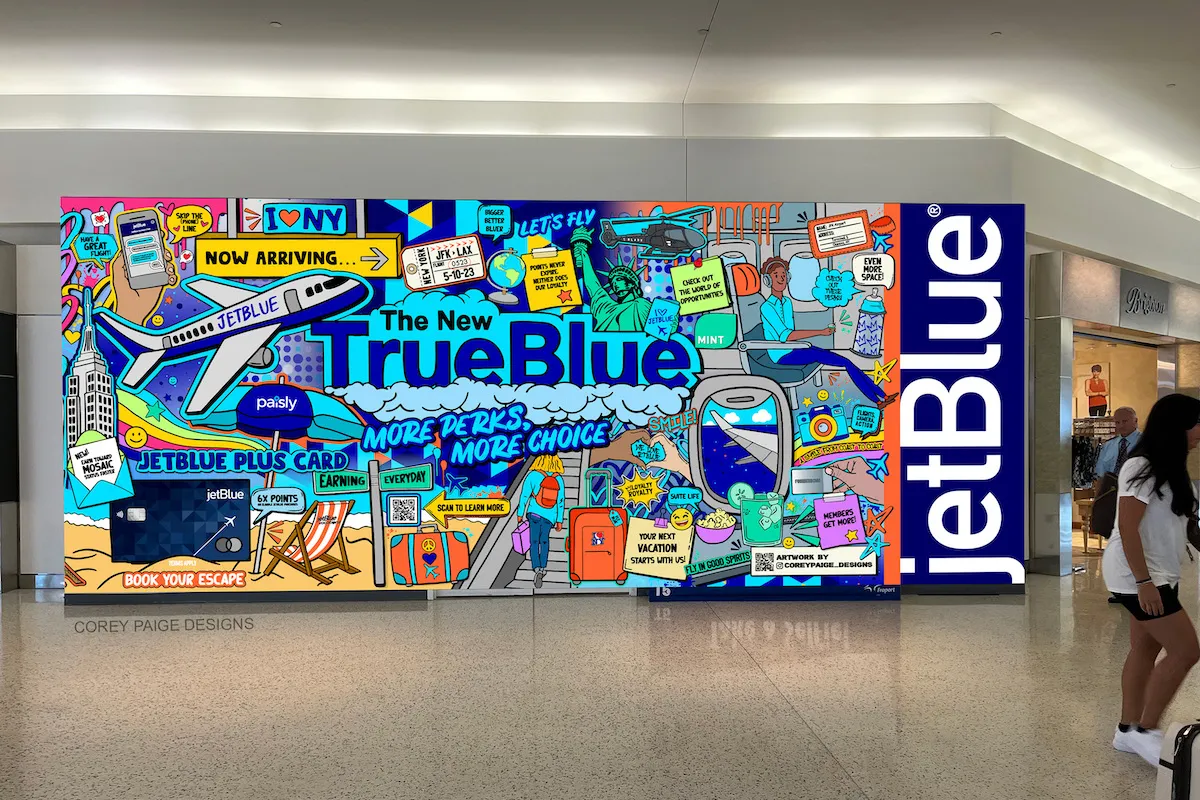
The first quarter of 2026 has presented a stark contrast in the global aviation industry, with U.S. carrier JetBlue reporting significant deepening losses while its European counterpart, Norwegian, delivered a remarkable turnaround, signaling divergent paths in navigating persistent economic headwinds and evolving market dynamics. JetBlue Airways posted a concerning negative 10% operating margin for the quarter, worsening from an 8% loss in the same period last year, intensifying pressure on its long-term profitability. Across the Atlantic, Norwegian defied expectations by significantly narrowing its operating loss to negative 7% from negative 13% a year prior, illustrating the efficacy of its post-bankruptcy restructuring and strategic recalibration.
JetBlue’s Mounting Challenges: A Persistent Profitability Puzzle
JetBlue’s financial woes are not a new development, with the airline enduring six consecutive years of losses, encompassing every year of the 2020s. This extended period of unprofitability raises critical questions about the airline’s strategic direction and its ability to adapt to a fiercely competitive and volatile market. The first quarter’s performance, traditionally a challenging period for many airlines, saw JetBlue fall behind even other U.S. carriers facing similar pressures. For instance, Alaska Airlines, which also reported difficulties, posted a negative 7.5% operating margin, still outperforming JetBlue. The leadership, under CEO Joanna Geraghty, acknowledged the difficult situation, with the mood in "JetBlue Towers" described as realistic, given the formidable challenges at play.
Headwinds from Fuel and Operational Disruptions
A primary driver of JetBlue’s struggles, like many in the industry, has been the escalating cost of jet fuel. The airline reported paying an average of $2.96 per gallon, significantly higher than many of its U.S. peers. Delta Air Lines, for example, managed a lower $2.62 per gallon, partly aided by its refinery operations, while United Airlines paid $2.78 and Southwest Airlines $2.73. JetBlue’s higher fuel costs are attributed to its operational footprint, particularly its exposure to the Northeast and specific markets where fuel prices tend to be elevated, similar to Alaska’s situation with West Coast and Singapore sourcing.
Beyond fuel, JetBlue’s operations were severely impacted by adverse weather conditions in the Northeast, a region where the airline has a significant concentration of its network. Snowstorms in key operational hubs like Boston disproportionately affected JetBlue compared to more geographically diversified carriers. Furthermore, industry-wide TSA disruptions contributed to operational inefficiencies and increased costs, adding another layer of complexity to the airline’s already strained finances. The airline quantified these operational disruptions, noting that they contributed approximately four percentage points to a 6.6% year-over-year increase in its cost per available seat mile (CASM) excluding fuel, underscoring the tangible impact on its bottom line.
Market Dynamics and Competitive Pressures
JetBlue’s challenges are not solely internal or attributable to external factors like fuel and weather. The competitive landscape has also intensified. The remarkable turnaround of Southwest Airlines in Q1 2026, which achieved a 5% operating margin—matching Delta and a significant improvement from its negative 2% last year—may have siphoned off some business. Southwest’s strategic reforms, including the introduction of new premium seating options and the addition of ancillary fees, have enhanced its appeal and revenue generation capabilities. While JetBlue and Southwest don’t extensively overlap in major transcontinental markets or at JFK, they do compete in vital Northeast-Florida corridors, and Southwest’s improved offering could have swayed some price-sensitive customers who previously preferred JetBlue’s assigned seating.
Adding to the competitive pressure is the distressed state of Spirit Airlines, which has resorted to offering extremely low fares to attract passengers. This aggressive pricing strategy in markets like Florida and Orlando, where JetBlue also has a strong presence, has undoubtedly impacted JetBlue’s ability to command higher fares and maintain revenue performance. The ongoing uncertainty surrounding Spirit, including discussions of a potential federal bailout, further complicates the competitive dynamics in these crucial leisure markets.
Strategic Investments and Loyalty Gaps
JetBlue has also faced structural disadvantages. Its TrueBlue loyalty program, while valued by its members, has historically generated less revenue compared to the more robust and lucrative programs of the "Big Three" U.S. carriers (American, Delta, United) and even Alaska Airlines. The airline is actively making changes to enhance TrueBlue’s profitability, with its alliance with United Airlines being a key component. This alliance aims to provide JetBlue loyalty members with expanded travel options, such as connecting flights to Asia via United, thereby increasing the program’s perceived value and revenue potential.
A significant element of JetBlue’s current strategy is its substantial investment in Fort Lauderdale, where it is aggressively increasing capacity. JetBlue President Madison George stated, "We’re particularly pleased with the revenue trends and customer response we’re seeing in Fort Lauderdale. All of our second-quarter capacity growth is driven by Fort Lauderdale. We plan to continue building upon our leadership position in this key focus city." While management reports solid revenue performance in the region, the initial phases of such aggressive capacity expansion often entail some routes operating at a loss, viewed as a long-term investment rather than an immediate boost to the bottom line. This strategy is widely perceived as an attempt to assert dominance and potentially weaken Spirit Airlines, which also has a significant presence in Fort Lauderdale.
The Fort Lauderdale Dilemma and Slot Protection
JetBlue’s capacity management decisions are driven by strategic imperatives. Despite the need to trim capacity in response to high fuel prices, the airline is reluctant to cut back in two key areas: Fort Lauderdale and JFK Airport. In Fort Lauderdale, the growth is intended to cement its "leadership position" and, implicitly, to challenge Spirit’s market share. At JFK, JetBlue is acutely aware of the value of its slots and is unwilling to sacrifice them, a decision that underscores the scarcity and strategic importance of airport access in congested markets. This delicate balancing act of growing in some markets while maintaining presence in others, even at the expense of immediate profitability, highlights the complex trade-offs JetBlue is making.
Government Intervention and Industry Tensions
The potential for a federal bailout of Spirit Airlines has emerged as a significant point of contention within the industry. Such a move would be highly unusual for a company of Spirit’s relative size and systemic importance, contrasting with historical bailouts of systemically critical entities like Lockheed Martin, Chrysler, major auto manufacturers, or entire industries during COVID-19. While proponents might argue for saving thousands of jobs, critics, including other airlines, contend that it distorts market competition and could put other carriers like Frontier and JetBlue at a disadvantage. JetBlue, having already experienced adverse government interventions with the termination of its Northeast Alliance (NEA) with American Airlines and the blocking of its merger attempt with Spirit, would undoubtedly view a Spirit bailout with "irate" frustration, adding to its list of grievances against government policy.
The Association of Value Airlines (AVA), comprising Spirit, Frontier, Avelo, Allegiant, and Sun Country (not including JetBlue or Breeze), is reportedly negotiating for collective relief from fuel prices or taxes. This collective action by ultra-low-cost carriers underscores the severity of the economic pressures facing the budget segment of the industry.
JetForward: A Race Against Time
In response to its protracted challenges, JetBlue has launched the "JetForward" program, a comprehensive plan aimed at transforming its business and achieving financial priorities. CEO Joanna Geraghty expressed confidence, stating, "We are seeing clear evidence that JetForward is on track and working, and we remain confident it is the right plan to transform our business and get us closer to our financial priorities." The plan focuses on three controllable levers: raising fares, cutting capacity, and reducing costs. JetBlue is actively raising fares where demand allows and is implementing capacity cuts, with expectations of further reductions, potentially even in Fort Lauderdale if fuel prices remain stubbornly high. Cost-cutting measures include a hiring freeze or a slowdown in hiring plans.
However, the efficacy of JetForward is challenged by external realities. The airline’s business plan for the year was based on a Brent crude oil price assumption of $63 per barrel, which has since skyrocketed to $112 per barrel, nearly double the projection. This massive discrepancy highlights the immense pressure airlines face from volatile energy markets. Despite these cost pressures, demand remains remarkably strong across both domestic and international routes, allowing JetBlue to raise fares, a testament to the resilience of consumer travel appetite. The question remains whether increased revenues can outpace the surging costs, making it a critical "race to the heavens" for the airline.
Norwegian’s Remarkable Rebound: From Bankruptcy to Resurgence
In stark contrast to JetBlue’s struggles, Norwegian has emerged as a compelling success story of post-pandemic recovery and strategic restructuring. Once known for its overly ambitious long-haul expansion into markets like Oakland, Bangkok, and Argentina, coupled with aggressive aircraft orders, the airline found itself in bankruptcy during the COVID-19 pandemic. While the pandemic was a catalyst, analysts suggest Norwegian was likely heading for bankruptcy even without it, due to its unsustainable growth model.
However, Norwegian leveraged its bankruptcy proceedings to execute a radical transformation. The airline shed its unprofitable long-haul operations, drastically cut costs, and refocused on its core short- and medium-haul network, primarily serving Scandinavia and Europe. This strategic pivot has paid dividends, leading to its impressive Q1 2026 performance.
Strong Q1 Performance and Segmented Success
Norwegian reported a significant improvement in its operating margin, narrowing its Q1 loss to negative 7% from negative 13% the previous year. This is particularly noteworthy given that the first quarter is typically a low season for leisure travel to colder Nordic regions. The airline’s results were further segmented, showing that its core Norwegian operations narrowed their loss to negative 11% from negative 17% year-over-year. Crucially, its recently acquired regional airline, Widerøe (acquired in 2023 or 2024), contributed positively with a 2% operating margin, an impressive feat given its negative 1% performance last year. Widerøe’s success is partly attributed to its less seasonal business model, which incorporates a higher proportion of corporate travel.
Strategic Advantages and Market Share Gains
Several factors have underpinned Norwegian’s strong performance. The strengthening of the Norwegian Krone against the U.S. dollar has provided a favorable tailwind on the cost side. Furthermore, timely deliveries of Boeing 737 MAX aircraft have enabled the airline to execute its network plans efficiently. Norwegian has also benefited from the aggressive capacity cuts implemented by its rivals. Major European carriers like SAS, which canceled approximately 1,000 flights in April alone citing high fuel prices, and Lufthansa, which announced 20,000 flight reductions over an extended period, have created opportunities. Norwegian has capitalized on these reductions, particularly from SAS, to gain market share, including corporate travel, especially through its integrated Widerøe network, which serves numerous niche regional routes within Norway.
Demand Shift and Hedging Success
Norwegian’s financial resilience is also attributed to its prudent financial management, including robust fuel and currency hedging strategies, which have mitigated the impact of market volatility. On the demand side, the airline observed a significant shift in European travel patterns. With geopolitical tensions in the Middle East, customers who might traditionally have vacationed in destinations like Dubai, Tel Aviv, or Doha are now opting for Southern Mediterranean, Western, and Southern European routes. Norwegian has strategically positioned itself to capture this redirected demand, leading to strong performance in these segments.
Operational Efficiencies and Integration Benefits
The airline’s internal efforts have also contributed significantly. A comprehensive cost-saving program has yielded substantial efficiencies, while its loyalty program is performing well. The ongoing integration with Widerøe continues to generate merger synergies, with customers now able to book combined Norwegian and Widerøe itineraries on the website, with app functionality expected soon. This seamless integration enhances connectivity and customer convenience. Moreover, Norwegian is evaluating additional lease extensions for its aircraft, a clear indicator that its current operations are profitable and sustainable, suggesting a confident outlook for profitable growth opportunities.
Broader European Aviation Outlook
The broader European aviation landscape, as discussed at the recent CAPA Summit in Berlin, reflects a cautious but optimistic sentiment. Despite initial concerns, European airlines, including Norwegian and Wizz Air, generally express confidence in the availability of jet fuel supplies. While prices remain a challenge, the supply chain appears stable. Industry leaders acknowledged the pervasive trepidation and the absence of complacency, yet the overwhelming message was one of resilience. Demand for air travel remains robust, and critically, consumers are largely accepting higher fares. This suggests that as long as this demand strength persists, European carriers, especially those that have streamlined operations and managed costs effectively like Norwegian, are poised for continued recovery.
The diverging fortunes of JetBlue and Norwegian in the first quarter of 2026 serve as a microcosm of the dynamic and challenging global aviation industry. While JetBlue grapples with a complex web of internal and external pressures, struggling to break its cycle of losses, Norwegian stands as a testament to the power of strategic restructuring and agile market adaptation. The contrasting narratives underscore that in an environment marked by high fuel costs, competitive intensity, and shifting consumer behaviors, fundamental operational efficiency, prudent financial management, and a clear strategic focus are paramount for navigating the turbulent skies of modern air travel.




 Anjar Salim
 Chandra Hamzah
 Tatiana Tantri Indah Sari
 Budi Mulyono
 Lukman Taruna Persada Ramadan