
 Dwi Wanna
Nineteen years after a transformative month-long stay, a return to the Thai island of Ko Lipe has revealed a stark and disheartening reality: a once-idyllic, off-the-beaten-path destination has succumbed to rapid and unsustainable development, mirroring the cautionary tales of other popular Thai locales. What was once a sanctuary for intrepid travelers, characterized by limited electricity, budget-friendly beachfront bungalows, and a profound sense of tranquility, has become a casualty of unchecked tourism expansion.
A Nostalgic Journey Meets Harsh Reality
In 2006, Ko Lipe offered a vision of paradise. Electricity was a luxury, often available only for a few hours a day. Basic bungalows could be secured for approximately $2 USD, and the island operated with a palpable sense of remoteness, marked by a definitive "last boat for the season." The rhythm of life was simple and deeply restorative: days were spent lounging on pristine beaches, engrossed in books, exploring vibrant coral reefs through snorkeling, and enjoying the limited, yet authentic, culinary and social offerings of the island’s handful of establishments. This unhurried pace fostered a deep connection with the environment and its local inhabitants, allowing visitors to truly disconnect and immerse themselves in the idyllic backpacker dream.
The author’s initial experience on Ko Lipe was so profound that it was, at the time, considered the highlight of extensive global travels. The bonds forged with fellow travelers and locals, the opportunity to learn rudimentary Thai, and the overall embrace of a simple, fulfilling lifestyle left an indelible mark. This cherished memory, however, also instilled a long-standing apprehension about revisiting the island. The fear was that any return would inevitably lead to a melancholic comparison with the past, an attempt to recapture a "magic" that was intrinsically tied to a specific time, place, and community, a phenomenon often described as "chasing travel ghosts." Furthermore, the author harbored concerns about the inevitable development that would have occurred over nearly two decades, anticipating that witnessing such changes might evoke significant sadness.
Thailand’s tourism trajectory has frequently been characterized by rapid, often unsustainable, growth. The pattern of "build, build, build" has transformed numerous islands, leading to a degradation of their natural charm and ecological balance. This foresight contributed to the author’s reluctance to witness Ko Lipe, a place so deeply ingrained in positive memory, transformed into a landscape of sprawling resorts and commercialized attractions.
The Decision to Return: A Convergence of Circumstance
Despite these reservations, the decision to return to Ko Lipe for New Year’s Eve in 2024 was driven by practical considerations and a desire for a vibrant celebration. The island lay on a planned route through Southeast Asia, a logical stopover en route to Malaysia. Seeking a lively destination for the holiday, and acknowledging the limited alternatives in the immediate vicinity, Ko Lipe presented itself as the most viable option. Crucially, its established ferry service to Langkawi, the author’s next destination, added to its logistical appeal. Thus, with a heavy heart and a sense of resigned anticipation, the author "sucked it up and went."
The Devastating Transformation: A "Ko Phi Phi Model" of Development
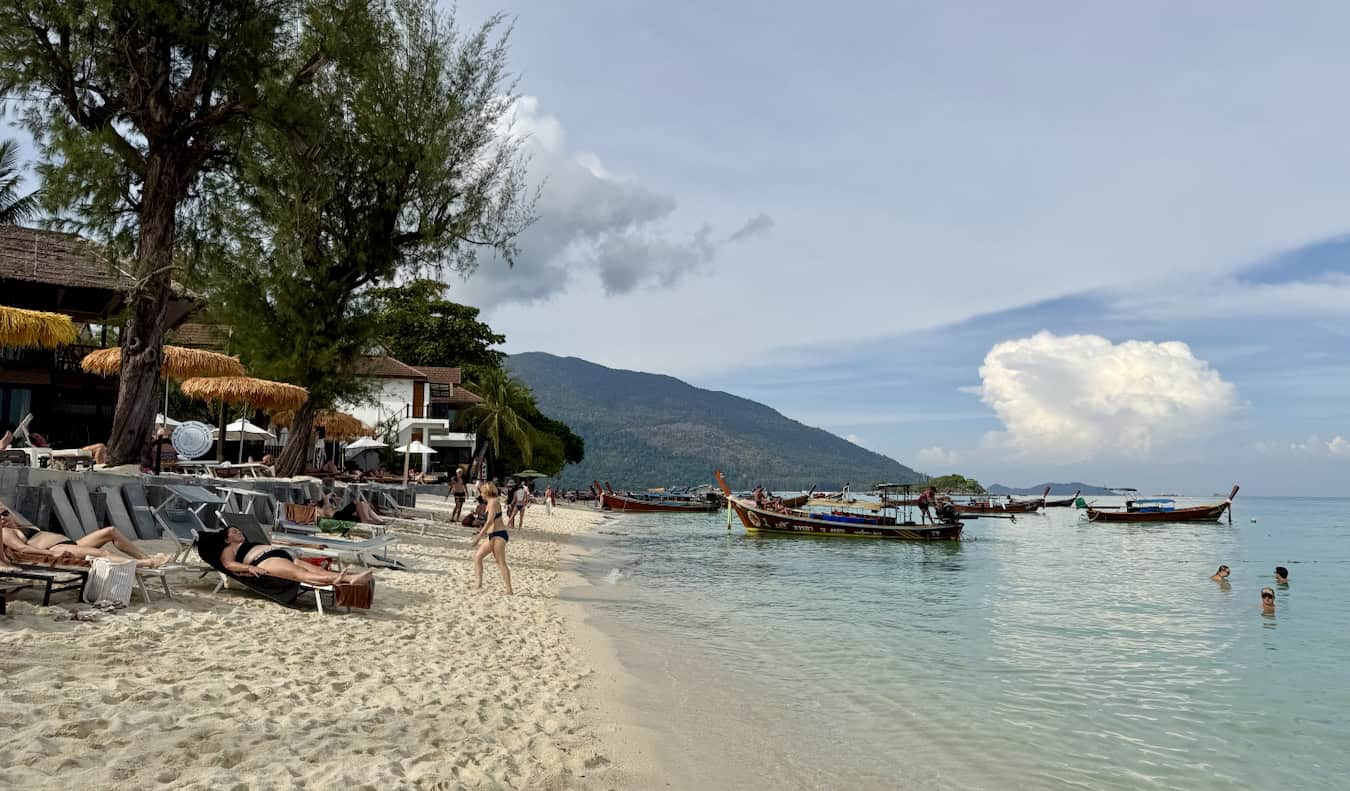
The subsequent findings were, unfortunately, grim. Ko Lipe, it appears, has adopted the "Ko Phi Phi model" of tourism development, a trajectory that has led to severe overdevelopment and unsustainable practices. The once-familiar dirt footpaths that meandered through the island have been replaced by concrete, accommodating vehicular traffic and construction machinery. Vast swathes of coconut palms have been cleared to make way for high-end resorts, complete with swimming pools—a particularly ironic addition to an island with no natural freshwater supply. The pace of construction remains relentless, with new projects continually emerging.
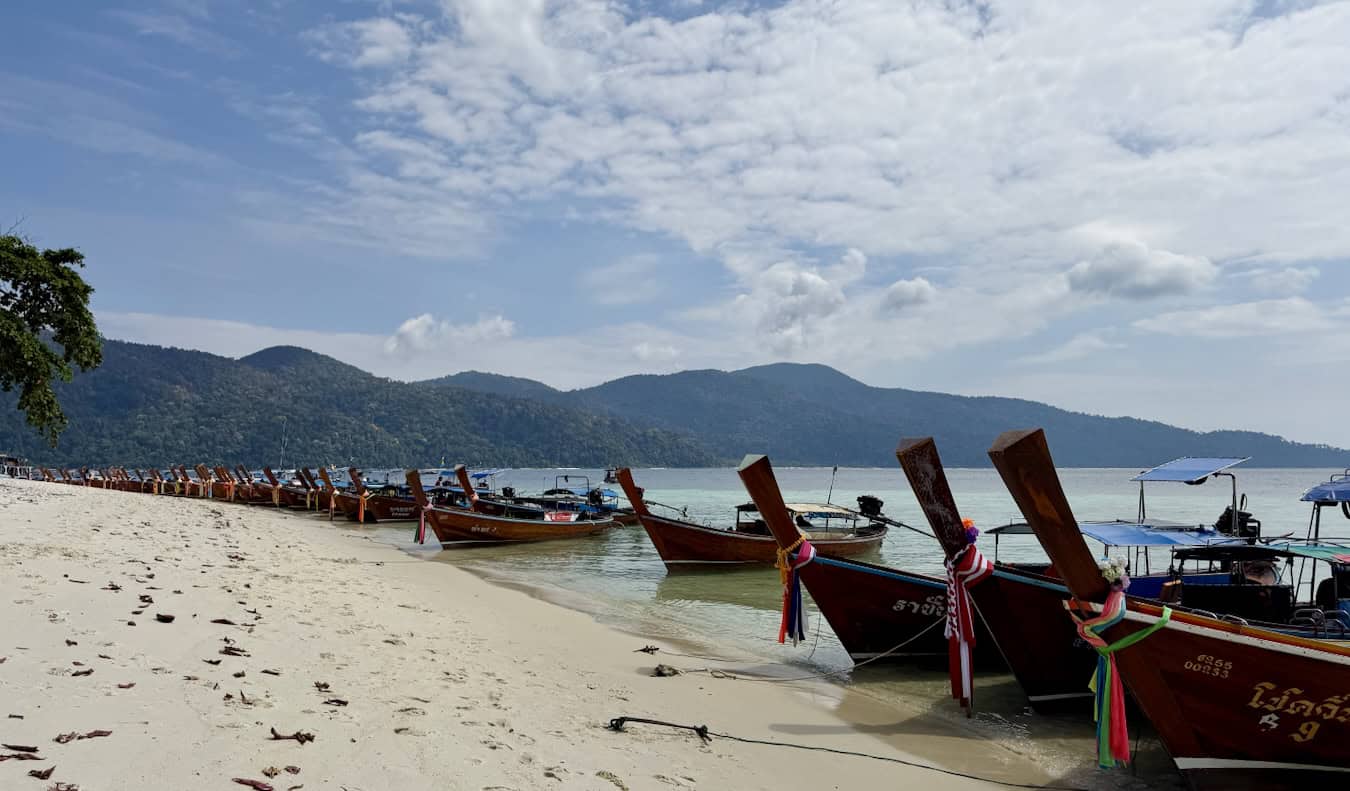
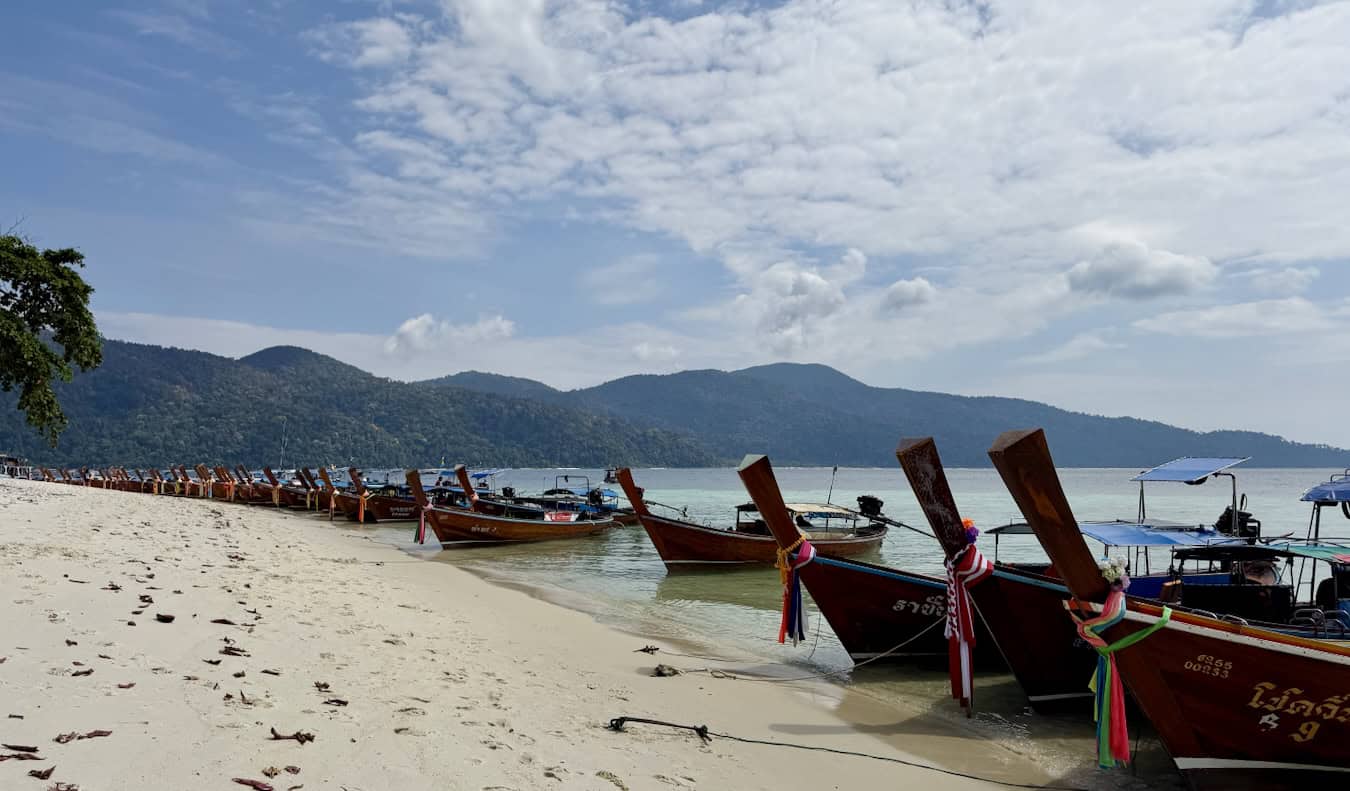
The ecological toll is equally alarming. The coral reefs surrounding the island, once teeming with marine life, are in a state of decline. This degradation is a direct consequence of increased boat traffic, the indiscriminate dropping of anchors, pollution from waste and exhaust fumes, and intensified fishing activities. The beaches, once pristine stretches of white sand, are now often lined with numerous longtail boats. The constant presence of these vessels, coupled with their exhaust emissions, has created a visible sheen on the water’s surface, impacting the marine ecosystem and the experience of swimmers. The culinary landscape has also shifted, with restaurants increasingly catering to Western palates with often mediocre interpretations of international cuisine, rather than celebrating the rich and authentic flavors of Thai gastronomy.
Socio-Economic Repercussions: Displacement and Exploitation
The rapid economic boom on Ko Lipe has not been without its social consequences. Many local residents have been compelled to sell their land to mainland developers, leading to their displacement. The island’s workforce is now largely comprised of individuals from the mainland, many of whom see little of the economic benefits derived from the tourism surge. This situation represents a common narrative in rapidly developing tourist destinations, where the profits are often concentrated in the hands of external investors, while the local communities bear the brunt of the environmental and social changes.
A Plea for Conscious Travel
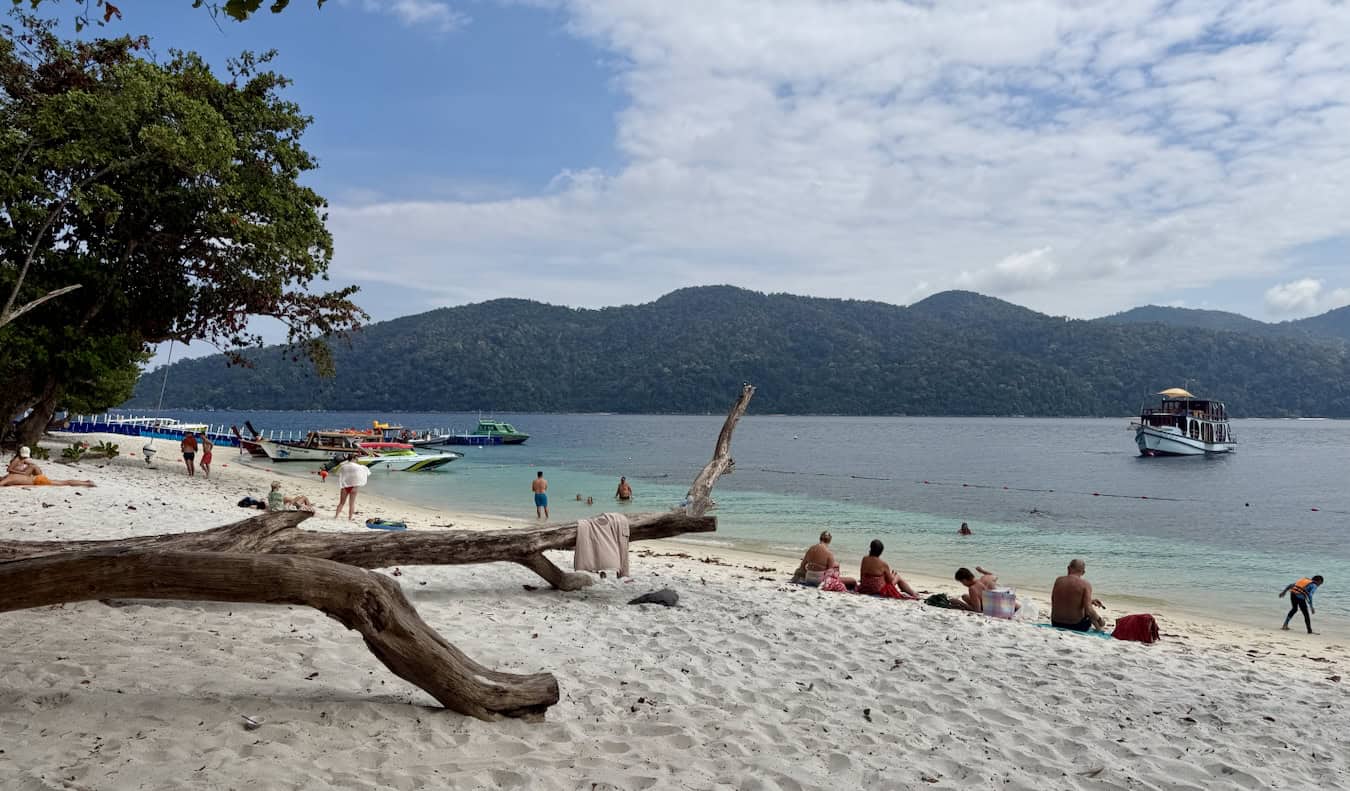
The author acknowledges that for first-time visitors, Ko Lipe may still present an appealing facade. The island’s natural beauty—its postcard-perfect scenery, azure waters, and white-sand beaches—remains undeniable. Furthermore, its proximity to the Tarutao National Marine Park allows for excursions to secluded neighboring islands. When compared to heavily developed destinations like Ko Phi Phi, Krabi, or Phuket, Ko Lipe may still appear relatively less impacted, leading to initial reactions of awe.
However, the article argues that this perspective overlooks the cumulative impact of unchecked development. The conclusion drawn is that, similar to the author’s stance on Ko Phi Phi, visiting Ko Lipe is no longer advisable. The argument is not against economic growth itself, but against development that is not sustainably managed and that further strains the island’s finite resources. While acknowledging that reversing such extensive development is a complex undertaking, the author emphasizes that the current trajectory is unsustainable and detrimental.
Alternative Destinations for Responsible Tourism
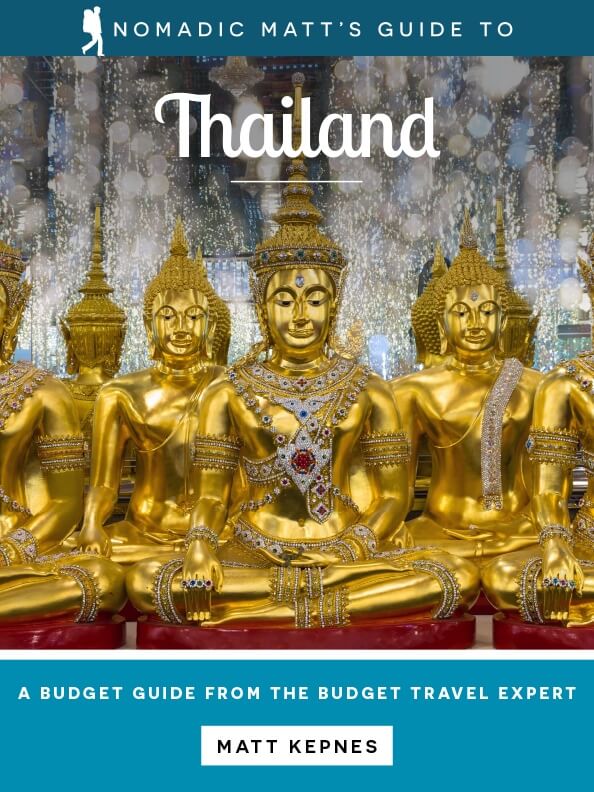
The article suggests that numerous other islands in the region offer well-managed and more sustainable tourism experiences. Islands such as Ko Lanta, Ko Jum, and Ko Mook are presented as viable alternatives for travelers seeking to enjoy Thailand’s natural beauty without contributing to the degradation of fragile ecosystems. The core message is that conscious travel choices are paramount; by opting for destinations that prioritize responsible management, travelers can contribute to preserving the allure of these places for future generations.
The author draws a parallel to other instances where consumer consciousness has driven positive change. The decline in elephant riding tourism and the rise of eco-lodges are cited as examples of how informed consumer choices can influence industry practices. The increasing discourse around overtourism, fueled by both locals and travelers, signifies a growing awareness of the issue.
While the author expresses doubt about the possibility of reversing Ko Lipe’s current development path, a glimmer of hope remains that increased awareness and a collective decision by travelers to choose alternative destinations might eventually lead to a re-evaluation of its tourism strategy. However, at the very least, by choosing not to visit, travelers can avoid exacerbating the existing problems.
The Power of Consumer Choice
The article concludes with a powerful call to action, underscoring the significant impact of individual travel decisions. The author reiterates that by refraining from visiting overdeveloped destinations like Ko Lipe, travelers are actively choosing not to contribute to the problem. This proactive stance, coupled with a growing global awareness of the consequences of overtourism, could, in the long term, foster a shift towards more sustainable tourism models. The hope is that by voting with their feet and wallets, travelers can collectively influence the future of destinations like Ko Lipe, encouraging a move towards responsible stewardship and preserving the natural and cultural heritage that makes these places so special. The current state of Ko Lipe serves as a poignant reminder that even the most beautiful paradises are vulnerable, and their preservation hinges on the conscious choices of those who seek to experience them.



 Anjar Salim
 Chandra Hamzah
 Tatiana Tantri Indah Sari
 Budi Mulyono
 Lukman Taruna Persada Ramadan
