
 Dwi Wanna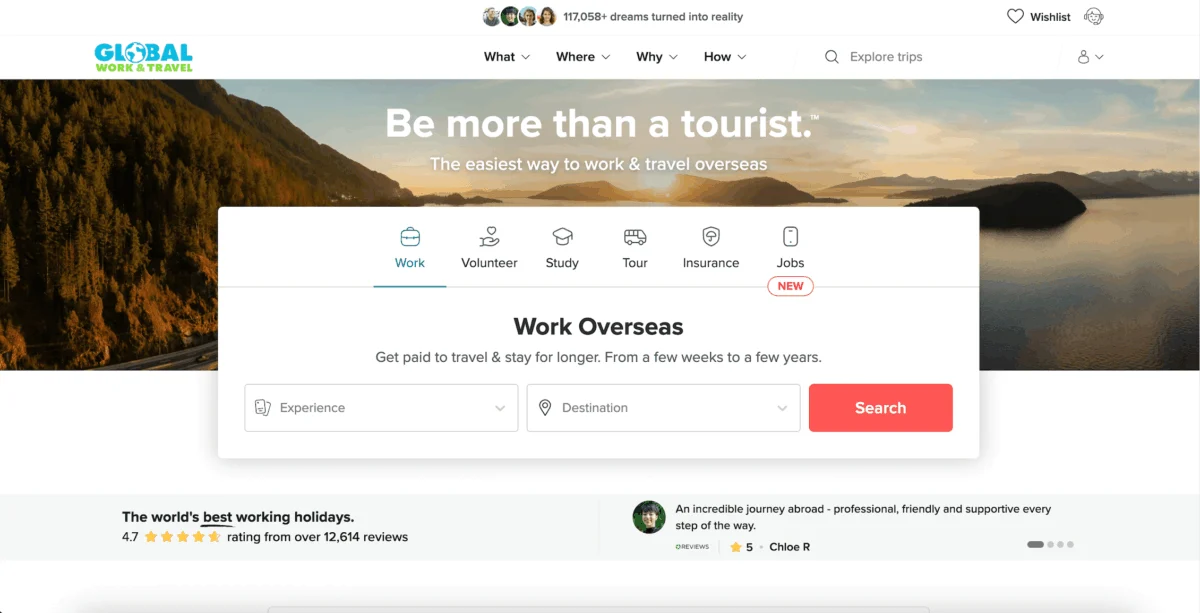
The prevailing model of modern travel often falls into a pattern of superficial engagement. Travelers typically arrive at a destination, capture photographs of iconic landmarks alongside countless others, dine at establishments recommended by guidebooks, and frequent popular bars. Structured tours are common, offering a glimpse into the local culture, and if fortunate, brief interactions with residents may occur. However, this approach rarely facilitates a profound understanding of a place. Even individuals who identify as long-term travelers, often professing to be "not tourists," tend to replicate these behaviors, albeit at a more leisurely pace and with a focus on minimizing expenditure. This is not inherently a critique of such travel styles, as it reflects the inherent transient nature of visiting a foreign locale. The romanticized notion of seamlessly integrating into a new culture, forming immediate friendships, and experiencing dramatic adventures, as often depicted in popular media, remains largely an aspiration rather than a reality. The fundamental reason is that most travelers are temporary visitors, and the majority of locals do not seek out friendships with tourists; indeed, significant interaction between locals and tourists is not the norm.
Achieving a truly immersive travel experience necessitates a commitment to extended stays. To genuinely comprehend a place, one must invest time. The most transformative journeys often involve actively contributing to a community and establishing genuine relationships through sustained presence, fostering a sense of being embedded rather than merely passing through. There is a growing sentiment that more travelers should consider giving back during their trips. Historically, identifying legitimate and effective organizations and opportunities for meaningful contributions abroad was a significant challenge, with concerns about efficacy and genuine impact on local populations.
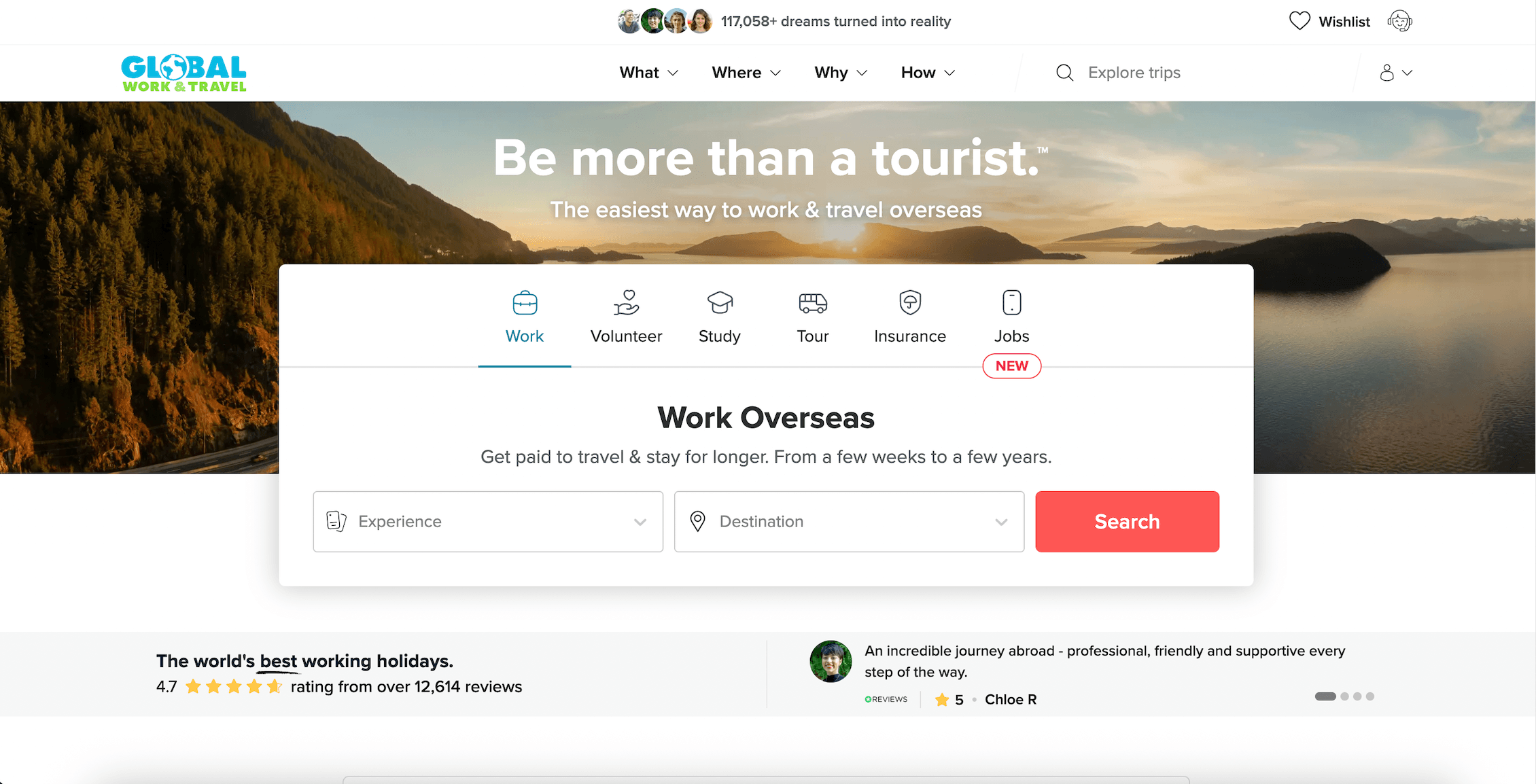
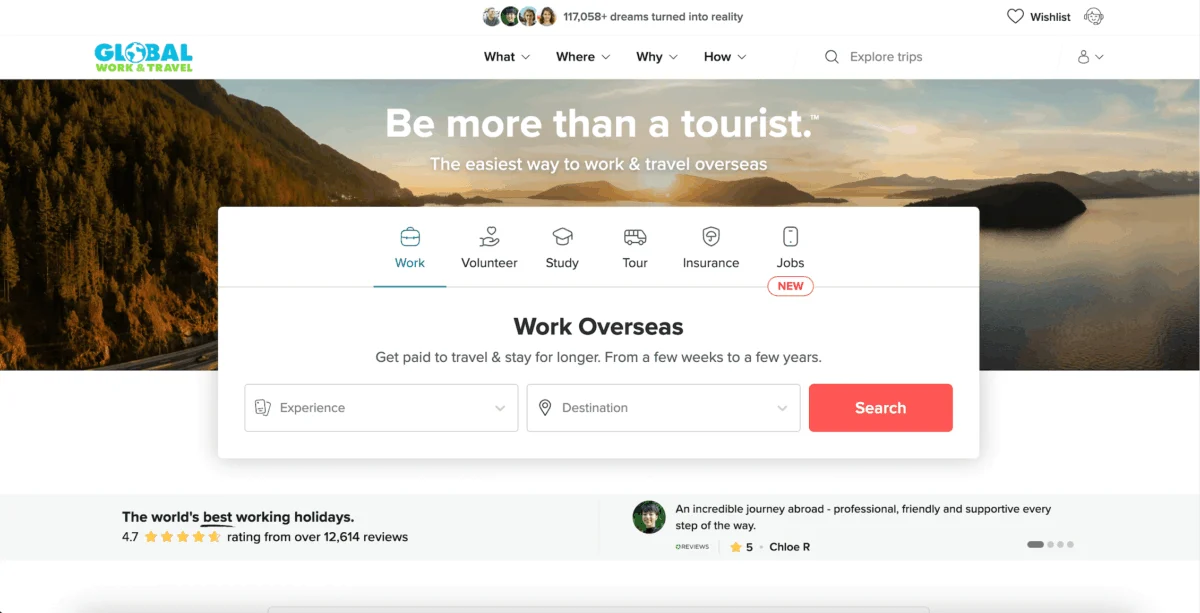
The landscape of global engagement has evolved, with a proliferation of organizations now facilitating meaningful volunteer work and even paid employment opportunities for travelers. Among these, Global Work & Travel has emerged as a prominent facilitator. The organization specializes in connecting individuals with working holiday programs, volunteer initiatives, teaching positions, and internships across a diverse range of global destinations.
Global Work & Travel: Facilitating Global Immersion
Global Work & Travel operates as the world’s largest gap year company, boasting nearly two decades of experience in placing individuals in international work and volunteer programs. To date, the company has facilitated opportunities for over 116,000 individuals across continents including Europe, the Americas, Asia, Africa, and the Pacific region. Their comprehensive services aim to demystify the complexities of relocating and working abroad, particularly for those new to international living. The challenges of expatriation are manifold, ranging from securing employment and stable accommodation to navigating local transportation and the competitive job market.
Companies like Global Work & Travel provide a crucial support structure, mitigating the inherent difficulties of self-managed international transitions. Their offerings include personalized job matching, pre-departure guidance, visa assistance, placement services, and ongoing support through their proprietary gWorld portal, a digital platform designed to streamline trip management. This structured approach is particularly beneficial for first-time international workers, often bridging the gap between aspiration and execution. The organization’s programs are diverse, catering to a wide array of interests and career aspirations.
The Rise of Working Holiday Makers: A New Paradigm
For the past decade, the "digital nomad" lifestyle has represented an aspirational model for long-term travel. This approach typically involves remote work, earning in a strong currency, and residing in a more cost-effective location. However, this model is accessible only to a select demographic requiring remote employment, a specific income threshold, and often a degree of career stability that many younger travelers have yet to attain.
The working holiday model presents a compelling alternative. Instead of bringing employment from one’s home country, individuals secure positions upon arrival. This fosters integration into the local economy, promoting a more grounded experience than the detached nature of some remote work scenarios. Social connections are often forged through the workplace rather than exclusively through co-working spaces or short-term accommodations. This model facilitates the establishment of a life in a new location, transcending a purely temporary routine.
Working holiday participants often experience a more accessible and grounded version of the global lifestyle that digital nomads pursue. They are not simply passing through; they are actively living and working in their chosen destination. This involves developing professional relationships with colleagues, adhering to a schedule, and having a tangible reason to extend their stay beyond a brief vacation. The potential for building lasting connections is significantly enhanced. Furthermore, this path is considerably more attainable for a broader segment of the population, not requiring a pre-existing remote business or extensive professional experience, but rather a willingness to embrace new experiences and the appropriate logistical support.
This shift suggests a growing interest in practical, on-the-ground international living rather than solely remote work. The focus is moving from "how can I work remotely?" to "how can I genuinely live and work abroad for an extended period?" Structured programs like those offered by Global Work & Travel address the primary obstacles, such as job procurement and visa navigation, thereby enabling individuals to translate their aspirations into tangible realities. For many, this represents not merely an alternative to digital nomadism but a more sustainable, accessible, and realistic pathway to experiencing life and work in a foreign country.
The Significance of Ethical Volunteering
Volunteering abroad carries a complex reputation, and it is crucial to acknowledge the existence of programs that may not deliver genuine benefits to local communities, often prioritizing traveler satisfaction over tangible impact. Such initiatives can be profit-driven, offering a superficial sense of contribution without addressing the actual needs of the host population. Global Work & Travel addresses this concern by rigorously vetting its partner programs in areas such as wildlife conservation, community development, education, and healthcare. This ensures that participants engage with reputable initiatives that contribute positively to the regions in which they operate.
The case for well-structured and ethical volunteering is compelling. Engaging directly with local communities on self-identified priorities, such as in Zanzibar community development, or contributing to wildlife and conservation efforts in South Africa, or participating in elephant rehabilitation projects in Thailand, can profoundly alter one’s worldview. Beyond contributing to a locale, these experiences foster a deeper understanding of the genuine needs of people and ecosystems, and the challenges they face. This process broadens perspectives and promotes empathy. The organization’s Global Animal Welfare Fund further amplifies this impact by channeling resources directly into conservation projects at its partner sites, extending the reach of individual volunteer efforts.
The Enduring Appeal of Working Holidays
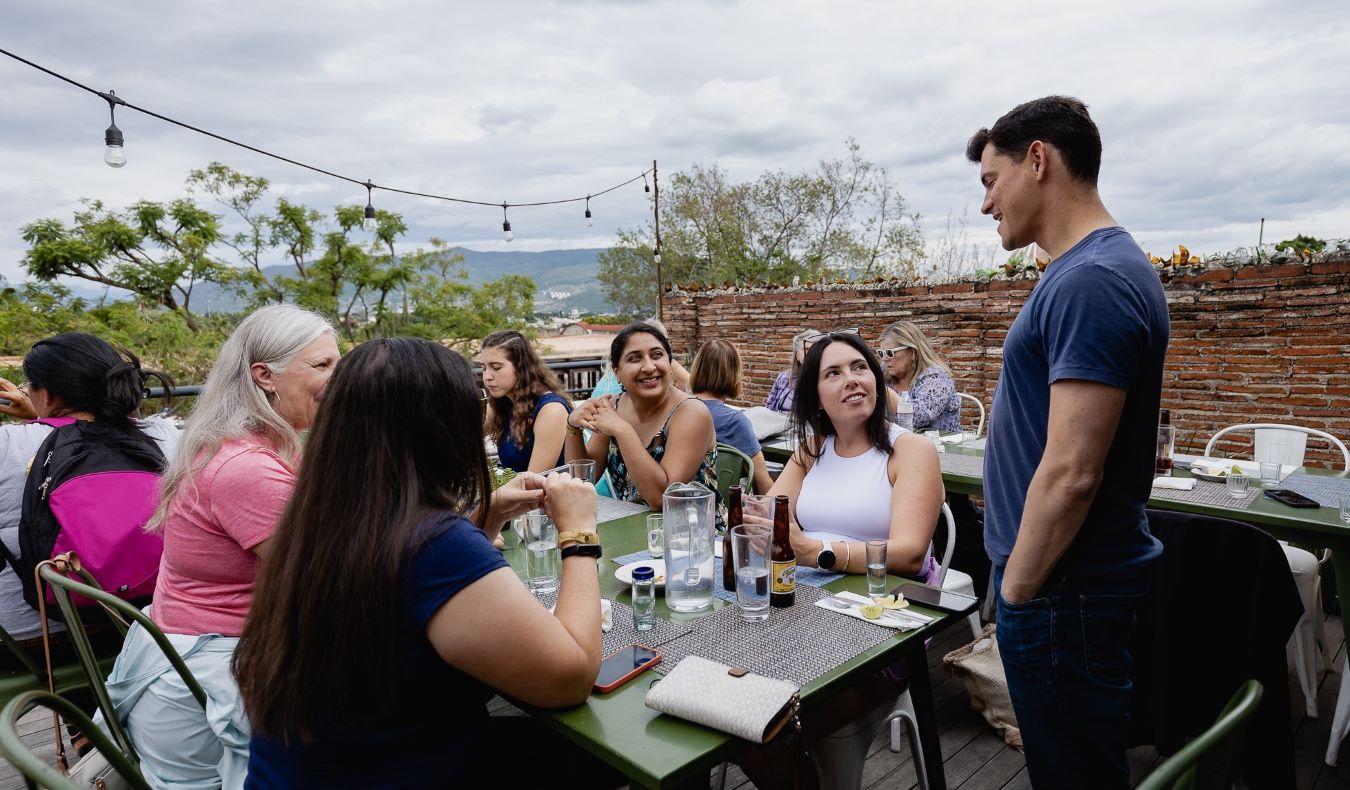
Working holidays offer an unparalleled opportunity to truly experience a country rather than merely visit it. This immersive approach involves integrating into the local culture through daily life. It facilitates meeting a broader range of people, including both locals and fellow travelers, fostering the development of genuine friendships. A significant advantage is the ability to earn income while traveling, enabling extended stays that far exceed the duration of a typical vacation. This extended presence allows for a deeper exploration of local life, the discovery of hidden gems, and a more authentic understanding of how people live in different parts of the world. Furthermore, working holidays cultivate valuable skills, enhance résumés with international experience, and make long-term travel more financially viable. The profound cultural understanding gained through such experiences is something that a brief holiday simply cannot replicate. The prospect of earning while immersing oneself in a new culture is an attractive proposition for many. Ultimately, working holidays transform travel from a fleeting vacation into a sustainable lifestyle.
Global Work & Travel’s Operational Strengths
Global Work & Travel is recognized as a leader in facilitating extended international travel, offering a wide array of options for individuals seeking to volunteer, work, or simply spend significant time in a chosen destination. Several aspects of their operational model are particularly noteworthy. Their extensive network of global partners ensures a diverse range of opportunities across numerous countries. The company’s commitment to providing comprehensive pre-departure and in-country support addresses the logistical and emotional challenges of relocating. Furthermore, their transparent pricing and clear program descriptions build trust and manage expectations for participants. The integration of their gWorld app streamlines communication and resource access, enhancing the overall traveler experience.
Frequently Asked Questions
Do I need prior experience to work abroad with Global Work & Travel?
For the majority of their programs, basic work experience is sufficient. Teaching programs typically include TEFL certification, and volunteer opportunities can be undertaken with no prior experience.
What is the minimum age requirement?
Most programs are open to individuals aged 18 and above. Working holiday visas generally have an upper age limit of 35, varying by destination country. Volunteer and teaching programs, however, are often open to participants aged 18 to 80.
How long does the entire process typically take?
The duration varies depending on the specific program and destination. It is generally recommended that individuals book their trips 6 to 12 months in advance to allow ample time for planning, job matching, and visa processing. Initial deposits can be as low as $1.
Is my financial investment secure if circumstances change?
Global Work & Travel offers a lifetime deposit policy, ensuring that initial payments do not expire. The company is also affiliated with various consumer protection services, providing an additional layer of security for travelers.
Can I participate as a solo traveler?
Yes, solo travel is a very common scenario. The gWorld Community and program-specific group connections facilitate rapid integration and the formation of new relationships with fellow travelers in similar situations.
Travel achieves its most profound impact when it transcends mere tourism. The most enduring memories and impactful experiences are rarely derived from queuing to view a famous landmark. Instead, they stem from genuine human connection and active engagement. Global Work & Travel has made the pursuit of such meaningful, deeply immersive travel accessible in a way that was not feasible a decade ago. For those who have contemplated such an experience but have been deterred by logistical complexities, exploring the offerings of Global Work & Travel is recommended. Using the code NOMADICMATT can unlock a $100 discount on their next trip, facilitating a transition from contemplation to action.


 Anjar Salim
 Chandra Hamzah
 Tatiana Tantri Indah Sari
 Budi Mulyono
 Lukman Taruna Persada Ramadan
