
 Gabriela Annisa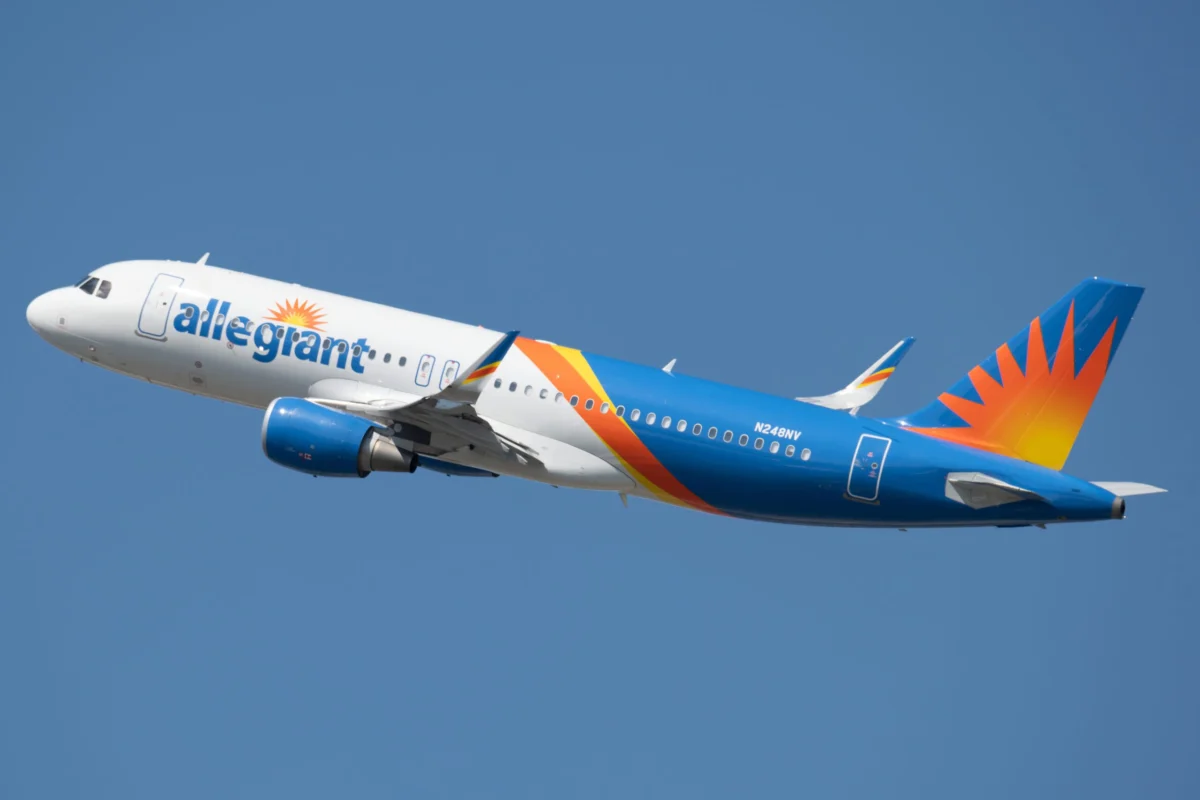
The U.S. domestic airline market is currently characterized by starkly divergent regional performances, with Las Vegas experiencing a significant contraction in air traffic, while San Diego emerges as a rapidly expanding hub. This shift reflects broader economic trends, evolving traveler preferences, and intensified airline competitive strategies post-pandemic. Once hailed as an "all-star" airline market, Las Vegas is grappling with a 6% year-over-year decline in passenger volumes, a trend that persisted through the first quarter of 2024. Conversely, San Diego International Airport (SAN) has become a battleground for major carriers, projecting a robust 15% increase in seat capacity for the upcoming third quarter, placing it among the fastest-growing airports globally.
Las Vegas: The Fading Luster of a Former "Rock Star"
For decades, Las Vegas held an unparalleled position as a premier leisure and convention destination, attracting millions annually with its unique blend of entertainment, dining, and gambling. Allegiant Air, headquartered in the city, famously described it as a "rock star" airline market due to its consistent high demand and profitability for carriers. However, recent data suggests this vigor is waning, prompting industry analysts to question whether the city is facing a temporary setback or a more profound structural shift.
The 6% reduction in air traffic reported for the previous year and continuing into April of the current year represents a substantial challenge for an economy heavily reliant on tourism. This decline is not merely a statistical blip but a symptom of several interconnected factors impacting the city’s appeal and accessibility.
One of the most immediate and impactful contributors to the capacity reduction has been the significant withdrawal of Spirit Airlines from the Las Vegas market. As recently as summer 2023, Spirit was the second busiest airline at Harry Reid International Airport (LAS), underscoring its critical role in providing low-cost air service. Its subsequent reduction in flights, largely driven by broader financial challenges and a strategic re-evaluation of its network, left a considerable void. For Las Vegas, a city whose tourism model historically thrived on accessible and affordable travel, the departure of a major ultra-low-cost carrier directly impacts inbound visitor numbers, particularly from price-sensitive segments. Airport authorities, while not commenting on specific airline strategies, have indicated ongoing efforts to attract new or expanded services to offset capacity losses.
Beyond the changes in airline operations, Las Vegas has witnessed a marked decrease in international visitor arrivals. Data from the Las Vegas Convention and Visitors Authority (LVCVA) for 2023 showed a slower recovery for international visitors compared to domestic counterparts. Most glaringly, Canadian visitors, historically a strong demographic for Las Vegas, have reduced their travel south. Factors such as a weaker Canadian dollar against the U.S. dollar, coupled with evolving travel patterns and political considerations, have made cross-border trips less frequent. Similarly, while precise figures for European and Asian visitors are harder to disaggregate from overall international arrivals, industry observations suggest a general tapering. Many international travelers typically reach Las Vegas via connecting flights through major U.S. hubs, and a global shift towards other international destinations, particularly Europe and Asia, has diverted a segment of this traffic away from the U.S. altogether.
The Shift Towards Premium and Event-Driven Tourism
A critical underlying shift impacting Las Vegas’s airline market is its conscious pivot towards a more premium, high-value destination model. Historically, the city’s allure was built on affordable hotel rooms, subsidized buffets, and low-cost entertainment, all underwritten by robust gambling revenues. However, the post-pandemic era has seen a dramatic escalation in prices across the board. According to a Wall Street Journal report, hotel rates in Las Vegas have risen faster than in any other major U.S. market, signaling a clear intent to cater to affluent travelers. This strategy, while potentially increasing revenue per visitor, fundamentally alters the city’s accessibility for the middle-class and budget-conscious traveler.
For airlines, this premium shift presents a conundrum. While Las Vegas aims for a higher-spending clientele, the actual premium air traffic on domestic routes to LAS has not seen a corresponding boom. Legacy carriers like United, American, and Delta are increasingly focusing their premium capacity on lucrative long-haul international routes to destinations such as Paris, London, or Tokyo, where profit margins on business and first-class seats are significantly higher. A short-haul flight from Los Angeles or even a transcontinental flight from New York to Las Vegas, while offering some premium demand, often struggles to compete with the profitability of intercontinental services. This leaves low-cost carriers, who traditionally thrived on the value-driven segment, struggling to fill seats amidst rising operating costs and a diminishing core customer base for their model in the city.
The demand profile for Las Vegas has also become noticeably "lumpier." What was once a steady, year-round flow of tourists, irrespective of the season, has increasingly coalesced around major events. High-profile spectacles like the Formula One Grand Prix, the Super Bowl, the Consumer Electronics Show (CES), and performances at new venues like The Sphere, undeniably draw massive crowds and generate significant economic activity. The city has also heavily invested in professional sports, with the NFL’s Raiders and an NHL team, and the upcoming relocation of the MLB’s Athletics in 2028, further solidifying its status as an events hub. While these events create peak demand, they also contribute to troughs during non-event periods, leading to a less predictable and more seasonal airline schedule compared to its historical consistent appeal.
Adding to the competitive pressures, the proliferation of online sports gambling apps and the expansion of regional casinos across the United States have diluted Las Vegas’s unique selling proposition. Travelers can now engage in gaming activities closer to home, removing a key incentive for a dedicated trip to Nevada. Places like Gary, Indiana, once reliant on industrial economies, have turned to local casinos, drawing away potential visitors who might have previously opted for a Las Vegas getaway. This widespread availability of gaming options fundamentally challenges the revenue model that once subsidized the city’s tourism offerings.
In response to these dynamics, various airlines are adjusting their strategies. Southwest Airlines, historically the dominant carrier at LAS, had significantly expanded its presence in the immediate post-pandemic period. However, its growth has tapered more recently, with the airline re-prioritizing other markets. Conversely, ultra-low-cost carriers like Frontier Airlines and Breeze Airways are cautiously stepping into the void left by Spirit, seeking to capitalize on specific routes and segments. Frontier, in particular, has been noted for its opportunistic expansion into markets where other carriers have retrenched. However, Allegiant Air, despite its historical ties to the city, has reportedly expressed diminished interest in aggressive expansion in Las Vegas, shifting its focus elsewhere. The "Big Three" U.S. airlines continue to prioritize more lucrative international routes and business-heavy domestic corridors, further sidelining Las Vegas from their primary growth strategies. The question remains whether Las Vegas is experiencing a temporary correction from an oversupplied market or a more lasting structural recalibration to a different economic reality.
San Diego: A Thriving Market Amidst Fierce Competition
In stark contrast to Las Vegas, San Diego has emerged as a vibrant growth market for the airline industry. Ranked as the third fastest-growing airport globally for seat capacity in the upcoming third quarter, San Diego International Airport (SAN) projects a remarkable 15% increase in available seats. This impressive growth is largely fueled by an intense competitive battle between two major West Coast carriers: Alaska Airlines and Southwest Airlines.
Alaska Airlines is leading the charge with a projected 35% increase in its seat capacity at SAN, including its Hawaiian routes. Southwest Airlines, the long-standing market leader in San Diego, is fiercely defending its territory, planning a 28% increase in its own seat capacity. This aggressive expansion by both carriers underscores San Diego’s strategic importance and its robust economic fundamentals.
San Diego, the 18th most populous metropolitan area in the United States, boasts an exceptionally wealthy and diverse economy. Its strong sectors include biotechnology, defense, telecommunications, and a thriving tourism industry centered around its pristine beaches, cultural attractions like Balboa Park, and renowned institutions such as the San Diego Zoo. Unlike some other California cities, San Diego has maintained a strong appeal for inbound tourism and a high-value local population, making it an attractive market for airlines targeting both leisure and business travelers. For Southwest Airlines, San Diego ranks as its 12th largest market by capacity, a testament to its long-term significance within the carrier’s extensive network. For Alaska Airlines, San Diego holds an even more prominent position, ranking as its 4th largest market.
Alaska Airlines’ aggressive push into San Diego is partly driven by its strategic need for growth beyond its primary hub in Seattle. Seattle-Tacoma International Airport (SEA) faces significant physical capacity constraints, limiting Alaska’s ability to expand organically there. Furthermore, its previous attempt to establish a stronger presence in Los Angeles and San Francisco through the acquisition of Virgin America a decade ago did not yield the anticipated growth. Consequently, San Diego, along with Portland, has become a crucial avenue for Alaska to expand its West Coast network and leverage its strong brand presence. Alaska also perceives a distinct advantage in catering to premium travelers, a growing segment that aligns well with San Diego’s affluent demographic. With amenities like first-class cabins, lounge access (even if not currently in San Diego), and a robust loyalty program, Alaska is positioning itself as the carrier of choice for business and discerning leisure travelers.
Southwest Airlines, while traditionally focused on its single-class, low-cost model, has recognized the evolving preferences of its customers. The airline is gradually introducing features like extra legroom seats and exploring the possibility of lounges in key markets, indicating a subtle shift towards a more segmented offering. In San Diego, Southwest’s substantial growth is a clear defensive play to maintain its market dominance against Alaska’s aggressive incursions. The competitive dynamic benefits consumers with potentially lower fares and more flight options, but it also creates a volatile environment for airline profitability on specific routes.
Despite its allure, San Diego presents unique infrastructure challenges. Notably, San Diego International Airport is the busiest single-runway airport in the United States. This constraint poses inherent limits to future capacity expansion, even if demand continues to surge. Efforts to expand airport infrastructure in California are notoriously complex and time-consuming, often encountering significant regulatory hurdles and community opposition, reflecting the state’s "wealth preservation" ethos. This philosophy, prevalent in highly developed and affluent regions like California, often prioritizes maintaining existing quality of life and property values over aggressive new infrastructure development.
This contrasts sharply with the situation in Los Angeles, which has seen a decline in airline capacity and even a net population loss in recent years. While Los Angeles grapples with affordability issues and out-migration to more cost-effective areas (including Las Vegas), San Diego has managed to retain its high-value population and attract visitors, making it a more attractive proposition for airline growth despite its own high cost of living. The competitive "war" between Alaska and Southwest in San Diego is, therefore, a testament to the market’s inherent strength and strategic value within these broader West Coast dynamics.
Implications for the U.S. Airline Industry and Urban Development
The contrasting fortunes of Las Vegas and San Diego underscore several critical implications for the U.S. airline industry and urban development. Las Vegas’s struggle highlights the challenges of relying too heavily on a single economic driver (tourism) in an increasingly diversified and price-sensitive global market. Its pivot to premium, while aiming for higher yields, risks alienating the mass market that traditionally fueled its growth, leading to a potential mismatch between its aspirational market positioning and the realities of airline network planning. The city’s future will depend on its ability to diversify its economic base, maintain its unique appeal, and potentially find new ways to balance its premium aspirations with accessible travel options.
San Diego’s success, on the other hand, illustrates the power of a strong, diversified local economy, coupled with a desirable lifestyle, in attracting airline investment. Even with airport infrastructure constraints, the underlying demand from a wealthy populace and robust tourism sector drives aggressive airline competition. This model could serve as a blueprint for other "not-quite-hub" cities like Nashville, Austin, or Raleigh-Durham, which possess excellent economies and quality of life, making them attractive targets for airline expansion despite not being traditional mega-hubs.
Ultimately, these two cities represent different facets of the post-pandemic recovery and adaptation. While Las Vegas navigates a complex recalibration of its identity and economic model, San Diego showcases the enduring strength of markets with robust local economies and strategic importance for major carriers. The ongoing competitive dynamics will continue to shape airline networks and travel patterns across the U.S., reflecting the evolving priorities of both travelers and the industry.




 Anjar Salim
 Chandra Hamzah
 Tatiana Tantri Indah Sari
 Budi Mulyono
 Lukman Taruna Persada Ramadan
