
 Budi Mulyono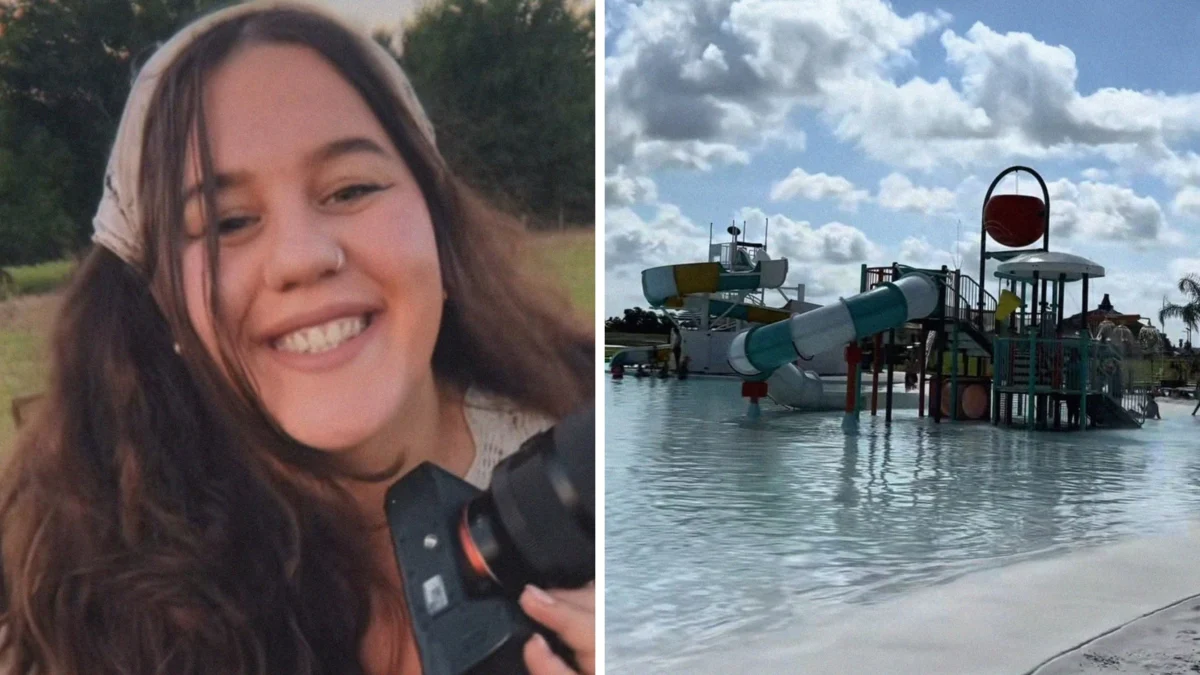
When a traveler pays $1,500 per night for a premium resort experience, the expectation is one of impeccable service, pristine amenities, and an environment that justifies a luxury price point. However, for one family celebrating a birthday at Mirada Lagoon, the reality of their stay stood in stark contrast to the promotional materials that drew them to the property. A recent viral report from a disappointed guest has cast a spotlight on significant maintenance failures, hygiene concerns, and a particularly alarming safety hazard involving a corroded battery found in a children’s play area. The subsequent denial of a refund by resort management has sparked a broader conversation regarding consumer rights in the hospitality industry and the growing gap between social media marketing and the actual guest experience.
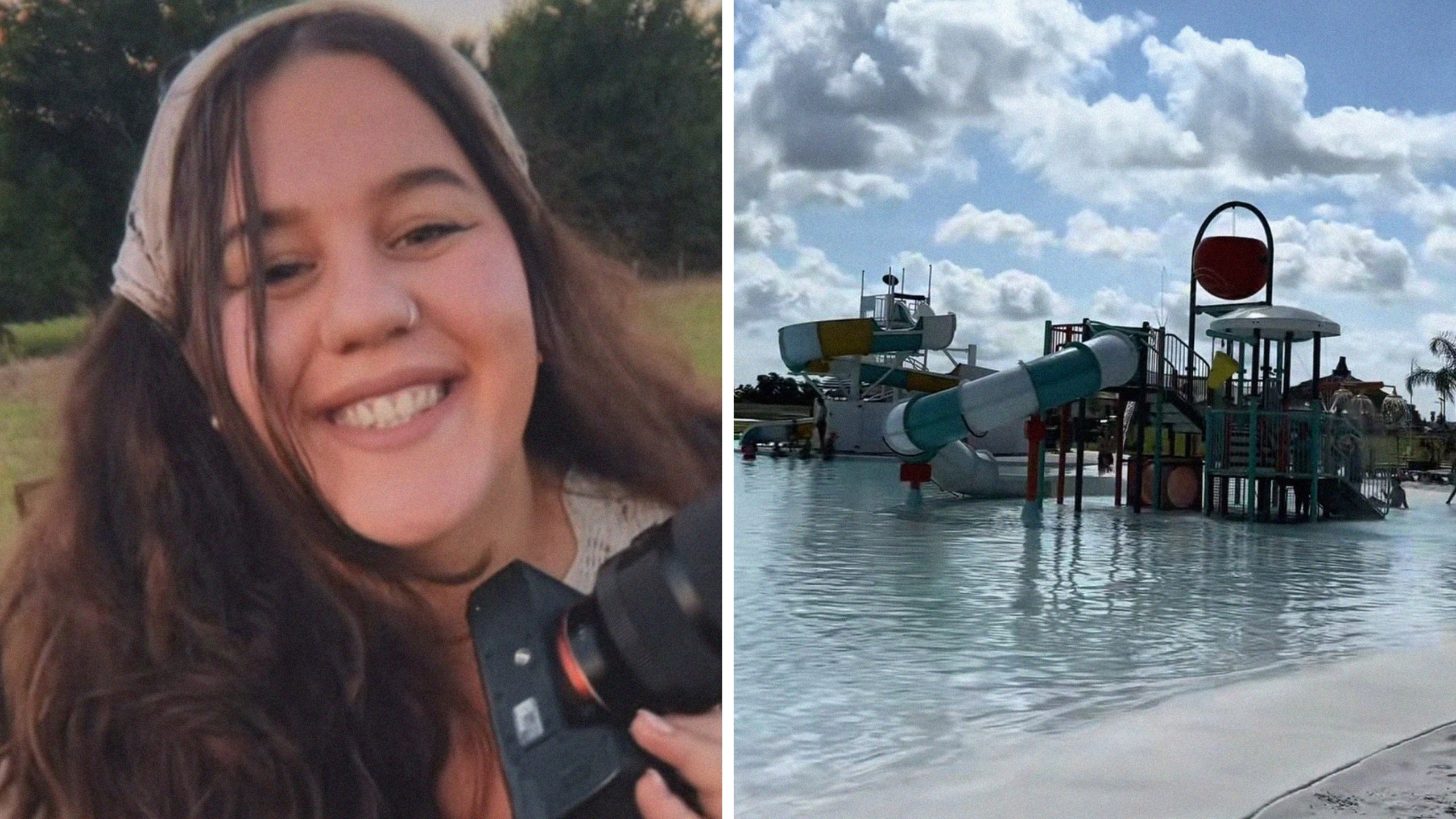
The controversy began when the creator behind Heirloom Photography, posting under the TikTok handle @noi.moselle, shared a video documenting the conditions she and her family encountered upon arrival. The clip, which has garnered more than 276,000 views, serves as a digital tour of a "luxury" getaway gone wrong. Instead of the sparkling, high-end environment advertised, the footage reveals a series of systemic issues ranging from cosmetic neglect to potential health and safety violations. The creator’s caption was blunt: “Mirada Lagoon you’re such a disappointment and danger… these conditions are unacceptable and others should know.”
A Catalog of Failures: From Filth to Hazardous Materials
The most pressing concern highlighted in the documentation was the presence of a corroded button-style battery located on the floor of a pool within a designated children’s play area. In the video, the battery appears visibly degraded, with the metallic casing showing signs of chemical leakage. For parents and safety advocates, this detail transformed the story from a matter of poor customer service into a serious public safety issue. Button batteries are notorious in the medical community for the "silent" but deadly threat they pose to toddlers and young children.
In addition to the battery, the creator documented peeling paint in areas frequented by children. The concern raised was that toddlers, who are prone to exploring their environment with their mouths, could easily ingest flakes of paint. While the specific composition of the paint at Mirada Lagoon was not verified, any peeling industrial coating in a high-traffic childcare area is considered a maintenance failure by standard hospitality metrics.
The video further illustrated a lack of basic upkeep in the common areas and private accommodations. Footage showed debris scattered across the lagoon’s beach areas, dingy furniture, and public restrooms that appeared to be in a state of disrepair. Specifically, the creator highlighted a broken door handle and a locking mechanism that was improperly installed or non-functional, compromising the privacy of guests. Furthermore, a baby changing table was shown in a condition described as too "filthy" for use, suggesting a breakdown in the resort’s custodial protocols.
Chronology of the Incident and the Attempted Resolution
The timeline of the event suggests a rapid escalation from arrival to departure. According to the guest’s account, the issues were not isolated to a single room or a single moment but were pervasive throughout the property.
- Arrival and Discovery: The family arrived for a scheduled birthday getaway, having paid a premium rate of $1,500 per night. Upon beginning their tour of the amenities, they immediately noticed the lack of cleanliness and the presence of debris.
- Identification of Hazards: The discovery of the corroded battery in the kids’ play area served as the turning point for the family. Recognizing the potential medical emergency a battery ingestion could cause, the family determined the environment was unsafe for their children.
- Management Confrontation: The family approached resort management to voice their concerns, presenting the evidence of the property’s condition. They requested a full refund, stating that the resort failed to provide the luxury experience promised and, more importantly, failed to maintain a safe environment.
- Refund Denial: Management reportedly denied the request for a refund. While the resort’s specific reasoning was not provided in the video, hospitality entities often cite non-refundable booking policies or "terms and conditions" agreed upon at the time of purchase to justify such denials.
- Departure and Public Disclosure: Unwilling to stay in the documented conditions, the family chose to leave the property early, effectively forfeiting their payment. Following the encounter, the creator posted the footage to TikTok to warn other local residents and travelers about the conditions.
The Medical and Safety Implications of Button Batteries
The reaction from the online community was swift, with a significant portion of the discourse focusing on the battery found in the pool. To understand why this detail resonated so strongly, one must look at the data provided by pediatric health organizations. According to the National Capital Poison Center, button batteries can cause severe internal chemical burns in as little as two hours if swallowed or lodged in the nose or ear.
When a lithium button battery is swallowed, it can get stuck in the esophagus. The battery’s current reacts with saliva to create caustic soda (sodium hydroxide), which can burn through the esophagus and into the trachea or major blood vessels. These injuries are often fatal or result in lifelong disability. The presence of a corroded battery in a pool adds a layer of chemical contamination to the water itself. The fact that such an object remained in a high-visibility children’s area suggests a significant lapse in the resort’s daily "sweep" and maintenance routines.
The Disconnect Between Digital Marketing and Physical Reality
The Mirada Lagoon incident highlights a recurring theme in modern travel: the "reality gap." Mirada Lagoon is part of a growing trend of man-made, massive crystalline lagoons that serve as the centerpieces for residential and resort communities. These properties are often marketed through high-gloss drone photography, filtered Instagram posts, and influencer partnerships that emphasize a Caribbean-style paradise in the middle of suburban Florida.
However, industry experts note that maintaining these massive artificial bodies of water and their surrounding infrastructure requires constant, labor-intensive upkeep. When a resort charges $1,500 a night, the overhead for staffing and maintenance is expected to be high. The conditions documented by the guest suggest that the operational side of the resort may not be keeping pace with its marketing efforts.
Online reviews for hotels and resorts have become the primary tool for consumer protection. While a resort’s website will always show the "best day" the property ever had, guest-uploaded photos provide a chronological history of the property’s actual state. Travelers are increasingly encouraged to look past the "hero shots" on booking sites and scrutinize recent reviews for recurring keywords such as "dirty," "broken," or "safety."
Official Responses and Legal Considerations
As of the latest reports, Mirada Lagoon has not issued a formal public statement regarding the TikTok video or the specific allegations of hazardous conditions. Inquiries sent to the resort’s management by media outlets have remained unanswered. This silence often exacerbates public relations crises, as it allows the guest’s narrative to remain the sole source of information for potential customers.
From a legal and consumer rights perspective, the denial of a refund in cases of documented safety hazards can be a complex issue. Most luxury resorts operate under strict cancellation policies. However, "implied warranty of habitability" and "duty of care" are legal concepts that require innkeepers to provide a safe and sanitary environment. If a property is found to be truly hazardous—such as having toxic materials in a play area—guests may have grounds for a credit card chargeback or a small claims court filing. Documentation, such as the video captured by Heirloom Photography, is critical in these disputes.
Broader Impact on the Florida Tourism Industry
The incident at Mirada Lagoon serves as a cautionary tale for the broader Florida tourism industry, which relies heavily on its reputation for family-friendly luxury. Wesley Chapel and the surrounding Tampa Bay area have seen a boom in "lagoon-style" living and vacationing. As more of these massive man-made attractions open, the pressure to maintain standards becomes a matter of regional brand integrity.
For travelers, the lesson is clear: high price tags do not always guarantee high standards. Experts recommend that when encountering such conditions, guests should:
- Document everything immediately with time-stamped photos and video.
- Notify management in writing (via email or a signed physical note) to create a paper trail.
- If a refund is denied on-site, contact the credit card company used for the booking to initiate a dispute based on "services not as described" or "unsafe conditions."
- Report safety hazards to local health departments or building inspectors to ensure the issues are rectified for future guests.
The story of the Mirada Lagoon birthday getaway is a reminder that in the age of social media, a resort’s reputation is only as good as its most recent guest’s experience. For this family, the cost of the lesson was $1,500 and a ruined celebration, but their viral warning may save other families from a similar fate.



 Anjar Salim
 Chandra Hamzah
 Tatiana Tantri Indah Sari
 Lukman Taruna Persada Ramadan
