
 Anjar Salim
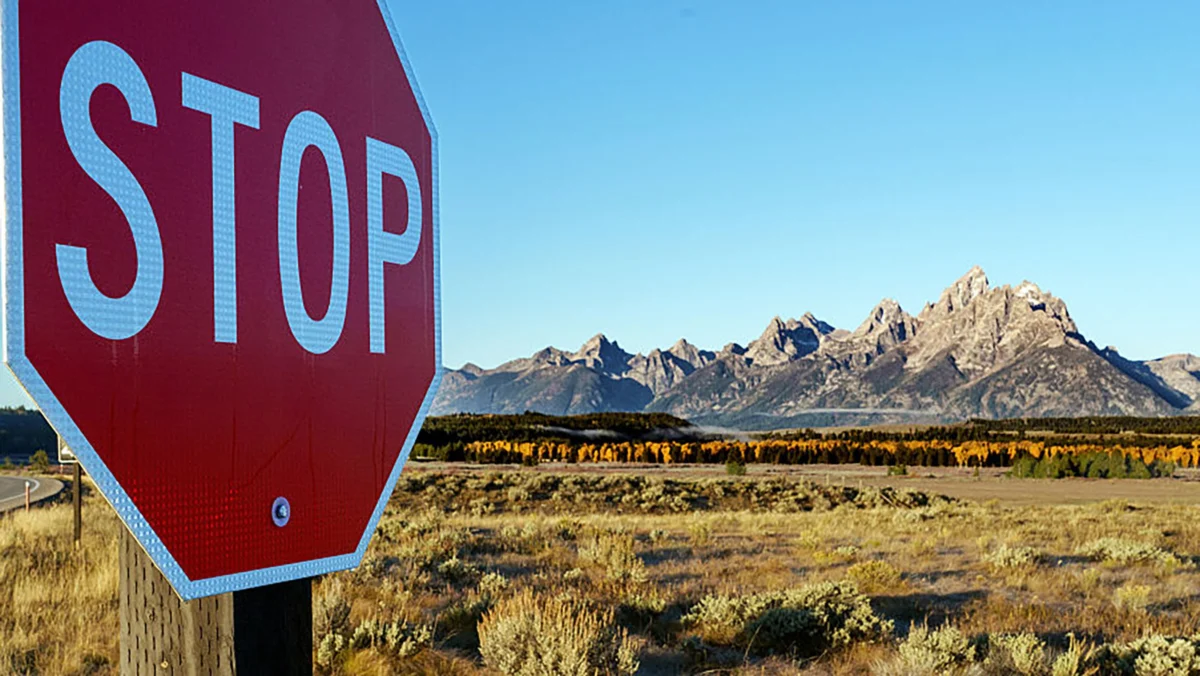
The tranquil vistas of Grand Teton National Park, famed for their jagged mountain peaks, pristine alpine lakes, and abundant wildlife populations, have unexpectedly found themselves at the center of a national sports and environmental controversy. Plans that initially surfaced in late September 2026 regarding potential discussions between Major League Baseball (MLB) and federal officials to host a professional baseball game within the park’s boundaries have ignited a fierce, bipartisan backlash across the state of Wyoming. Local residents, municipal leaders, and top-tier state politicians have mobilized swiftly to oppose the concept, warning that even a temporary sports facility could inflict permanent ecological damage on one of America’s most treasured protected ecosystems.
The unfolding debate highlights a recurring friction point in modern public land management: the tension between commercial entertainment ventures, high-profile tourism spectacles, and the fundamental mandate of the National Park Service to preserve natural habitats for future generations. As local authorities formally petition the Department of the Interior to abandon the concept, questions remain regarding how such an unconventional proposal gained traction in the first place and what precedent it might set for America’s national park system.
Chronology of the Controversy
The public awakening to the MLB-Grand Teton proposal began on September 26, 2026, when an investigative report published by The Washington Post revealed that representatives from Major League Baseball and the Trump administration had engaged in exploratory talks regarding the staging of a regular-season or exhibition professional baseball game inside the Wyoming park. The report caught local officials, conservation groups, and state legislators entirely off guard, as no public announcements or preliminary environmental assessments had been shared with regional stakeholders.
Within 48 hours of the report’s publication, the reaction from Wyoming stakeholders shifted from astonishment to outright rejection. On September 28, the town council of Jackson, Wyoming, alongside the Teton County Commissioners, convened to address the looming prospect. Recognizing the urgency of the matter, municipal leaders drafted and rapidly approved an official letter directed to Interior Secretary Douglas Burgun. The correspondence urged the National Park Service to explicitly reject the concept and pivot any future athletic showcases toward municipal or commercial venues outside the park’s protected borders.
By September 29 and 30, the issue had drawn strong statements from Wyoming’s congressional delegation and state leadership. Both Republican and Democratic lawmakers voiced deep concerns over the logistical reality of building a temporary professional-grade baseball diamond in a delicate mountain ecosystem. By October 1, the White House issued a clarifying statement distancing itself from the initiative, signaling that the executive branch was not driving the proposal and that the concept held no official administrative priority.
Environmental Realities and Infrastructure Hurdles
At the heart of the opposition lies a profound concern over the physical realities of constructing sports infrastructure within a national park. Grand Teton National Park spans over 310,000 acres of ecologically diverse terrain, serving as a critical habitat for grizzly bears, black bears, moose, elk, bison, pronghorn, and numerous migratory bird species. Conservationists and local policymakers argue that the logistical footprint of a Major League Baseball game—requiring temporary seating for thousands of spectators, high-intensity broadcast lighting, parking facilities, media compounds, and heavy construction equipment—is fundamentally incompatible with the park’s founding charter.
According to the joint letter submitted by the Jackson town council and Teton County Commissioners, even temporary structures can generate severe, lasting impacts. These include habitat fragmentation, acoustic disruption from construction and crowds, nocturnal light pollution that interferes with wildlife behavior, and immense strain on local municipal resources, waste management, and regional transportation infrastructure. Furthermore, building a regulation-sized baseball field requires extensive grading, soil compaction, and turf installation, processes that could introduce invasive plant species and disrupt delicate watershed drainage patterns.
The economic and ecological costs of staging major sporting events in remote natural settings have long been a subject of study among environmental scientists. Unlike urban stadiums equipped with permanent transit networks, robust municipal water systems, and waste management facilities, national parks operate on constrained budgets with infrastructure primarily designed for low-impact recreation, such as hiking, camping, and wildlife viewing.
Bipartisan Political Pushback
The political landscape surrounding the Grand Teton baseball proposal is notable for its rare, unified bipartisan resistance. In a state where political divisions often mirror national partisan fault lines, elected officials from across the spectrum have aligned seamlessly in their defense of the park.
Wyoming State Senator Mike Gireau, a Democrat representing Jackson, did not mince words when discussing the concept with regional media outlets, describing the proposal as an abhorrent and disappointing misstep that overlooked the core identity of the region. However, the opposition was equally pronounced among the state’s federal Republican leadership.
U.S. Senator John Barrasso, a senior Republican lawmaker who sits on the influential U.S. Senate Committee on Energy and Natural Resources—which holds jurisdiction over the National Park Service—adopted a diplomatic yet firm tone in his assessment. While acknowledging the visual appeal of pairing America’s pastime with the dramatic backdrop of the Grand Teton range, Barrasso emphasized that the engineering and logistical hurdles were insurmountable without compromising the ecological integrity of the park.
"The impact to our world-class wildlife, outdoor recreation and the natural beauty of the park cannot be ignored," Senator Barrasso stated in an interview with outdoor journalism outlet Outside. "I would be thrilled to bring a major league baseball showcase game to Wyoming. Grand Teton National Park simply isn’t the place to do this."
Wyoming Governor Mark Gordon echoed these sentiments in a formal statement provided to The Jackson Hole News and Guide. Gordon focused heavily on the sensory and aesthetic qualities of the valley, warning against the permanent loss of quietude, dark night skies, and the natural acoustics of the park. "I cannot imagine, however, losing the night sky, the sound of elk bugling or just the joy of sitting and taking in the beauty of an evening in that valley that God made almost perfect," Gordon wrote. "It is not the place."
Broader Implications for Public Lands Management
The episode touches upon a broader conversation regarding the commercialization and activation of America’s public lands. In recent years, professional sports leagues have increasingly sought unique, picturesque outdoor backdrops to host marquee events outside traditional urban stadiums. Notably, Major League Baseball’s successful "Field of Dreams" games in Dyersburg, Iowa, and the NHL’s regular-season outdoor classic hockey games have proven immensely popular with television audiences and ticket buyers alike.
However, sports industry analysts point out a critical distinction between agricultural or municipal settings utilized in past MLB special events and the strict statutory protections governing the National Park System. National parks are managed under the Organic Act of 1916, which mandates the conservation of scenery, natural and historic objects, and wildlife in such a manner as to leave them unimpaired for the enjoyment of future generations. Introducing commercial media spectacles and industrial-scale temporary construction into these spaces tests the legal and ethical boundaries of that mandate.
Although the White House has publicly stepped back from the proposal—clarifying that the initiative did not originate as a presidential directive or a Department of the Interior priority—the episode serves as a case study in the vigilance of local communities and state governments in safeguarding federal public lands. As discussions surrounding the proposal appear to stall, local leaders in Teton County and state legislators across Wyoming continue to monitor federal agencies to ensure that any future conceptual planning for commercial sporting events is permanently redirected toward appropriate regional venues well outside the boundaries of Grand Teton National Park.




 Diana Nuri Rohmawati

 Tatiana Tantri Indah Sari


 Gabriela Annisa

 Lukman Taruna Persada Ramadan
