
 Diana Nuri Rohmawati

Madrid, the sprawling capital of Spain, serves as the economic, political, and cultural epicenter of the nation, housing an estimated population of 3.5 million residents within its municipal boundaries. Surpassed in coastal recognition by tourist hubs such as Barcelona, Madrid quietly draws upward of 10 million international and domestic visitors annually. The city functions as a seamless blend of historical prestige and modern dynamism, characterized by monumental 16th-century Habsburg architecture, world-renowned fine arts institutions, and a culinary landscape that ranges from medieval taverns to avant-garde gastronomy.
For decades, urban planners and tourism authorities have noted Madrid’s unique temporal rhythm. Operating on a schedule that defies standard European tourism hours, the city follows a delayed daily cycle where midday meals stretch into the late afternoon, evening activities commence well after dark, and nightlife routinely persists until dawn. This distinct cultural pacing requires travelers to adjust their expectations regarding business hours, dining times, and social events. According to local cultural historians, embracing this relaxed synchronization provides visitors with a more authentic immersion into the daily lives of Madrileños, revealing a city whose civic identity is deeply rooted in communal gathering and shared public spaces.
Navigating a metropolis of this scale presents logistical challenges for first-time visitors. To address the complexities of urban navigation, regional tourism boards and travel analysts have outlined strategic, multi-day itineraries designed to optimize visitor flow, distribute economic impact across lesser-known neighborhoods, and highlight both UNESCO World Heritage monuments and hidden civic treasures.
Day 1: The Paseo del Arte and Historic House Museums
The inaugural day of exploration centers on the Paseo del Arte, a prestigious urban corridor designated as a UNESCO World Heritage site in 2021. Spanning iconic grand avenues, this zone encompasses more than 40 architectural monuments and cultural institutions of global significance.
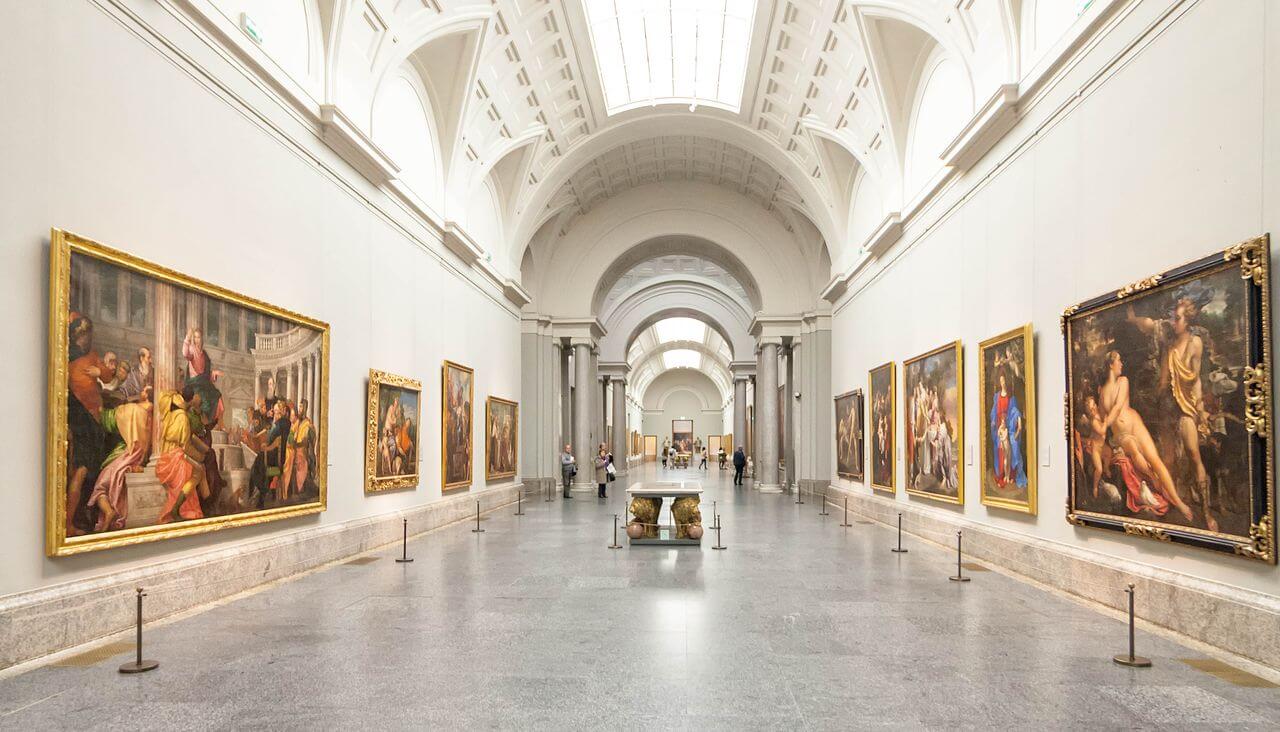
The itinerary commences at the Museo del Prado, universally recognized as one of the preeminent fine arts repositories in existence. Established in the early 19th century, the Prado houses extensive collections of Spanish masters, including Francisco Goya, Diego Velázquez, and El Greco, alongside canonical European works by Peter Paul Rubens, Sandro Botticelli, and Caravaggio. Cultural economists note that the museum serves as a primary anchor for cultural tourism in central Spain, drawing millions of patrons annually and generating significant regional revenue.
A ten-minute walk northward along the Paseo del Prado leads visitors to the Thyssen-Bornemisza Museum, which bridges historical gaps by tracing the evolution of Western art from the early Renaissance through 20th-century Pop Art. The museum walk culminates at the Museo Nacional Centro de Arte Reina Sofía. Dedicated to modern and contemporary art, the Reina Sofía features masterworks by Pablo Picasso, Joan Miró, Salvador Dalí, and Wassily Kandinsky. Its undisputed centerpiece is Picasso’s 1937 monumental oil painting, Guernica, a universally acknowledged masterpiece of anti-war symbolism depicting the bombing of the Basque town during the Spanish Civil War.
Following the morning museum circuit, the afternoon transitions to Madrid’s culinary and domestic history. Visitors frequently sample traditional regional fare, such as cocido madrileño (a traditional chickpea-based stew), at historic establishments like Taberna La Fragua de Vulcano, or dine within 17th-century vaulted brick wine caves at Bodega de los Secretos.
The late afternoon is dedicated to Madrid’s distinctive house museums—former private aristocratic palaces preserved in their original residential states. Among these, the Sorolla Museum, dedicated to the Impressionist painter Joaquín Sorolla, stands as a major cultural focal point following extensive infrastructural and architectural renovations. Alternatively, the Museum of Romanticism and the Lázaro Galdiano Foundation offer intimate glimpses into 19th-century bourgeois life and private antiquities collecting within neo-Renaissance settings.
Day 2: Habsburg Architecture and the Historic Center
The second day investigates the medieval and Renaissance foundations of the capital, formally known as Madrid de los Austrias (Habsburg Madrid). Urban development in this sector reflects the architectural legacy of the Spanish Empire under the Habsburg dynasty during the 16th and 17th centuries.
The geographic and symbolic starting point is Puerta del Sol, a bustling public square that serves as the radial center of Spain’s national highway network, designated by the famous Kilómetro Cero plaque on the pavement. The square is also home to the iconic bronze statue El Oso y el Madroño (The Bear and the Strawberry Tree), which has symbolized the municipal coat of arms of Madrid since the 13th century.
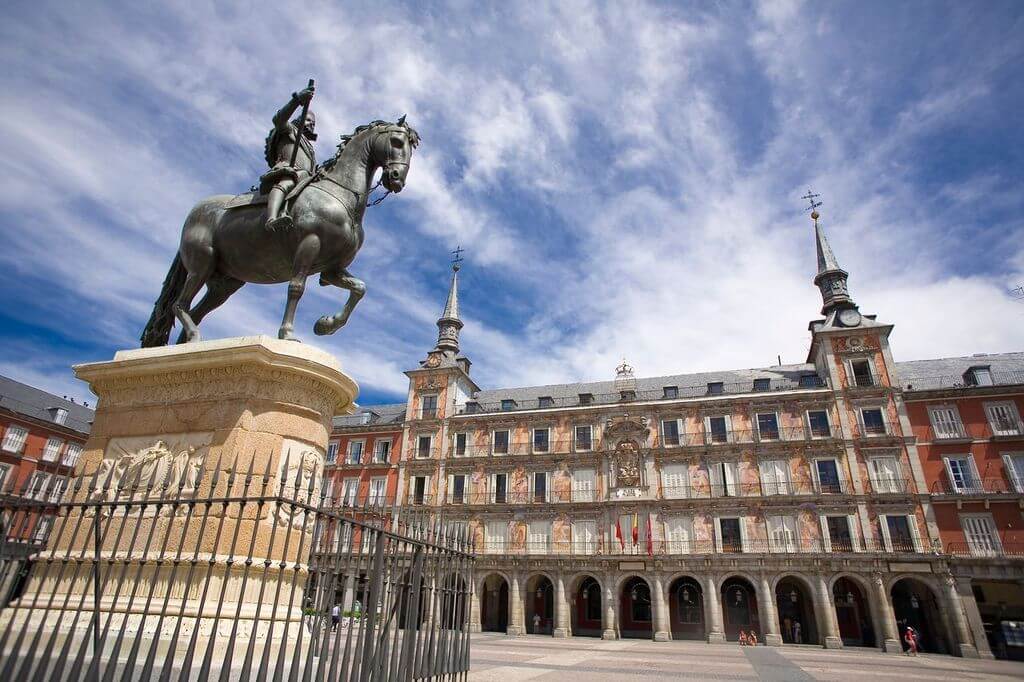
Adjacent to Puerta del Sol lies the Plaza Mayor, a grand, porticoed rectangular square completed in the 17th century under King Philip III. Historically utilized for royal ceremonies, public executions, bullfights, and commercial markets, the plaza currently functions as a central tourist promenade flanked by outdoor cafés and historical establishments, most notably the ornate Casa de la Panadería. Culinary tradition dictates that visitors sample the city’s signature fried calamari sandwich (bocadillo de calamares) in the adjacent pedestrian alleyways.
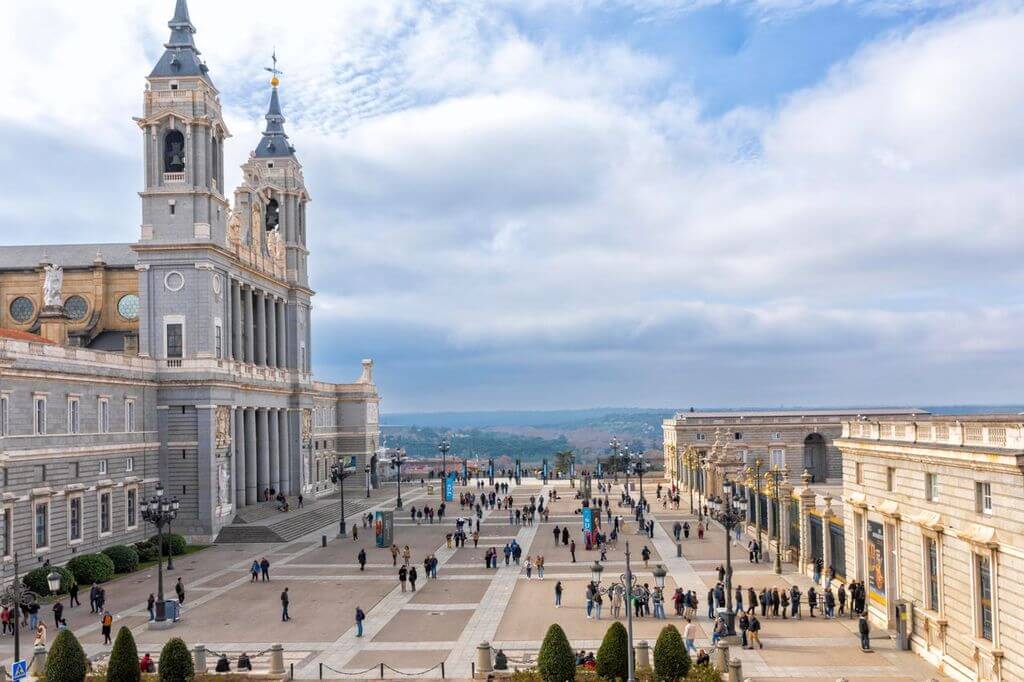
The afternoon itinerary directs travelers to the Royal Palace of Madrid (Palacio Real). Constructed on the foundations of a 9th-century Moorish fortress, the current 18th-century Baroque structure commissioned by King Philip V is the largest functioning royal palace in Western Europe by floor area, encompassing over 3,400 rooms. While no longer the primary residence of the Spanish royal family—who reside at the Palacio de la Zarzuela—the palace remains the official venue for state ceremonies and diplomatic receptions. Guided and self-guided tours permit public access to the Grand Staircase, the throne room, and the Royal Armory, which houses an extensive collection of medieval tournament armor and weaponry.
The historical loop concludes at the nearby Almudena Cathedral. Construction on the cathedral faced prolonged delays, commencing in the late 19th century under the architectural direction of Francisco de Cubas and ultimately concluding in 1993, when it was consecrated by Pope John Paul II. The structure exhibits a neoclassical exterior designed to harmonize with the adjacent Royal Palace, contrasting with a neo-Romanesque crypt supported by more than 400 monolithic stone columns.
Day 3: Gastronomic Evolution and Skyline Perspectives
Recognized globally as a premier culinary destination, Madrid’s food culture has evolved from traditional Castilian hearth cooking into an international culinary laboratory. The third day highlights the city’s dual commitment to historic dining preservation and contemporary gastronomy.
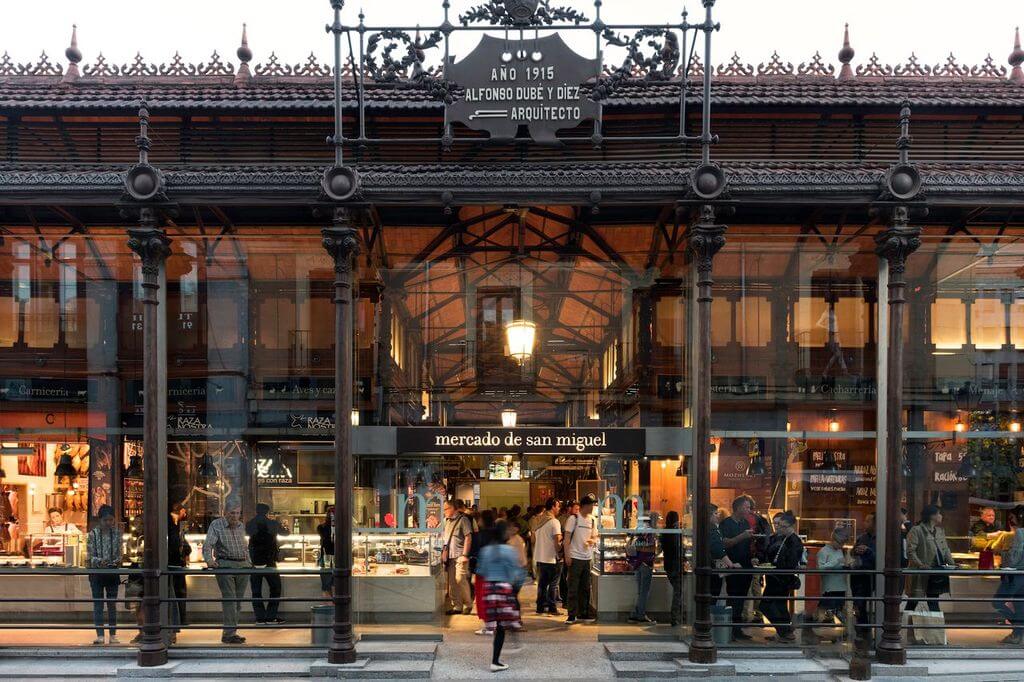
The morning begins at Madrid’s historic food markets. The Mercado de San Miguel, housed within an early 20th-century wrought-iron and glass structure near Plaza Mayor, operates as an upscale gastronomic market specializing in gourmet tapas, regional wines, and artisanal products. Secondary neighborhood hubs, such as the Mercado de San Antón in Chueca and the Mercado de Vallehermoso in Chamberí, offer deeper insights into local provisioning, highlighting shifting consumer preferences toward organic, locally sourced ingredients.
For dinner, culinary historians and traditionalists frequently patronize Sobrino de Botín, officially certified by Guinness World Records as the oldest continuously operating restaurant in the world, having opened its doors in 1725. Renowned for its traditional Castilian roast suckling pig (cochinillo asado), the establishment famously featured in the literary works of Ernest Hemingway. Alternatively, travelers engage in traditional tapas crawls through the historic neighborhoods of La Latina and Barrio de las Letras.
In recent years, urban culinary analysts have highlighted Madrid’s rapid transformation into one of Europe’s leading hubs for plant-based dining. Neighborhoods such as Malasaña and Lavapiés host an expanding network of vegetarian and vegan establishments, successfully adapting traditional Spanish comfort foods into innovative plant-based equivalents.
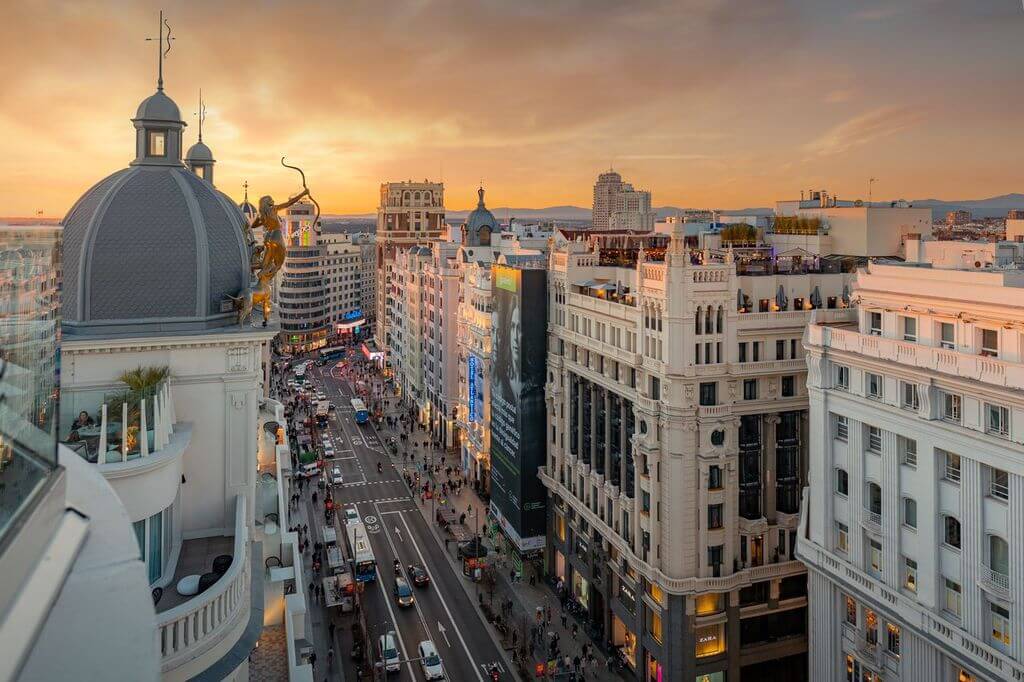
As evening approaches, visitors transition to Madrid’s vibrant rooftop culture along the central Gran Vía. Venues such as the Riu Plaza España’s 360º rooftop bar and Picalagartos Sky Bar provide panoramic views of the urban skyline, reflecting ongoing municipal investments in sustainable urban hospitality and architectural repurposing.
Day 4: UNESCO Day Trips and Monumental Legacy
While central Madrid concentrates immense cultural capital, the surrounding Community of Madrid region features several UNESCO World Heritage sites that underscore the geopolitical and architectural ambitions of the Spanish monarchy. Day four is dedicated to regional excursions located within a one-hour radius of the capital.
The first primary option is the Royal Monastery of San Lorenzo de El Escorial, situated at the foothills of the Sierra de Guadarrama mountain range. Commissioned in the 16th century by King Philip II as a monument to Spain’s military victory at the Battle of St. Quentin and as a dynastic pantheon, the massive granite complex functions simultaneously as a royal palace, basilica, monastery, and Renaissance library. Architectural historians note its austere Herrera style—characterized by strict geometric symmetry and minimal ornamentation—which contrasts sharply with the decorative excesses typical of subsequent royal architecture.
A second regional alternative is the Royal Palace and Gardens of Aranjuez, designated as a UNESCO Cultural Landscape. Located south of the capital along the Tagus River, the palace served as the designated spring residence for the Spanish royal family. Blending Renaissance and Baroque design elements, the estate is celebrated for its extensive water gardens, monumental fountains, and intricately decorated interior rooms featuring royal porcelain and imported silk tapestries.
A third regional destination is the historic university city of Alcalá de Henares, situated 45 minutes east of Madrid. Celebrated as the birthplace of Miguel de Cervantes, author of Don Quixote, the city preserves a distinct architectural heritage dating back to the Spanish Golden Age, anchored by the historic University of Alcalá founded in 1499 by Cardinal Cisneros.
Day 5: Off-the-Beaten-Path Treasures and Urban Green Spaces
The final day of the itinerary directs focus toward lesser-known civic institutions and vast municipal green spaces that balance the dense urban fabric of the capital.
The morning involves visits to cloistered historic convents that double as private art repositories. The Monastery of Las Descalzas Reales, founded in 1559 by Joanna of Austria, daughter of Emperor Charles V, occupies a former royal palace. Historically populated by aristocratic women who contributed extensive dowries, artworks, and tapestries upon taking religious vows, the convent preserves an extraordinary collection of Renaissance and Baroque masterworks behind its austere exterior walls. Similarly, the Royal Monastery of La Encarnación, founded in 1611 by Queen Margaret of Austria, houses significant religious relics, Baroque paintings, and polychrome sculptures within an active monastic community.
The itinerary concludes at the Casa de Campo, the largest public park in Madrid. Spanning approximately 17 square kilometers (6.5 square miles), the park was historically designated as a royal hunting estate before being transferred to public municipal ownership in 1931 following the establishment of the Second Spanish Republic. Today, the expansive green space features an artificial lake, extensive cycling and walking trails, and elevated viewpoints overlooking the western facade of the Royal Palace and the Almudena Cathedral.
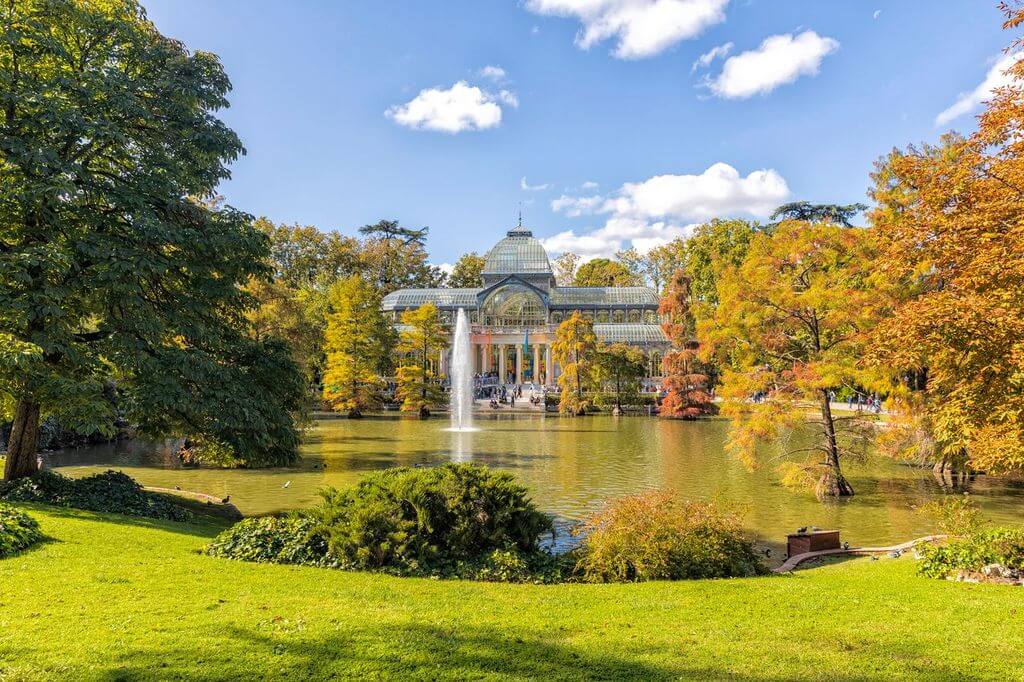
Urban planning experts regard the integration of vast natural reserves like Casa de Campo and El Retiro into the urban core as a model for sustainable European capital development. By balancing monumental architectural density with accessible green infrastructure, Madrid continues to reinforce its standing as one of the continent’s most resilient, culturally vibrant, and dynamically evolving metropolitan centers.




 Tatiana Tantri Indah Sari

 Anjar Salim

 Gabriela Annisa

 Lukman Taruna Persada Ramadan
