
 Budi Mulyono
The global travel and aviation landscape has undergone a series of transformative changes this week, characterized by significant corporate mergers, international route expansions, and shifts in loyalty program valuations. From the finalized consolidation of low-cost carriers to the strategic acquisition of national flag carriers, these developments signal a period of intense restructuring as the industry navigates evolving economic pressures and consumer demands. Central to these updates is the finalization of the merger between Allegiant Air and Sun Country Airlines, a move that is expected to reshape the ultra-low-cost carrier (ULCC) market in North America. Simultaneously, European aviation has reached a milestone with Lufthansa Group’s acquisition of a majority stake in ITA Airways, while major domestic players like United Airlines and JetBlue Airways have strengthened their operational ties.
The Consolidation of Low-Cost Carriers: The Allegiant and Sun Country Merger
The finalization of the merger between Allegiant Air and Sun Country Airlines marks a pivotal moment for the budget travel sector. By combining resources, the two entities aim to create a more robust competitor to the "Big Four" U.S. carriers—Delta, United, American, and Southwest. This merger brings together two distinct but complementary business models: Allegiant’s focus on connecting small-to-medium cities to leisure destinations and Sun Country’s hybrid model of scheduled service, charter flights, and cargo operations for Amazon.
Industry analysts suggest that the synergy between these two carriers will provide a significant boost to fleet utilization and route network efficiency. Allegiant has historically operated an all-Airbus fleet, while Sun Country has relied on the Boeing 737 platform. Managing a dual-fleet type presents logistical challenges, yet the combined entity is expected to leverage increased purchasing power for fuel and maintenance. The merger comes at a time when the ULCC sector is facing increased scrutiny over service reliability and fee structures, suggesting that the new entity will need to focus on operational stability to retain its combined customer base.

Lufthansa Group Secures Majority Stake in ITA Airways
In Europe, the long-anticipated acquisition of ITA Airways by the Lufthansa Group has reached a definitive stage. Lufthansa has secured a majority stake in the Italian flag carrier, which rose from the remains of the insolvent Alitalia. This move integrates Italy—one of Europe’s most lucrative travel markets—into Lufthansa’s multi-hub strategy, alongside its existing hubs in Frankfurt, Munich, Zurich, Vienna, and Brussels.
The strategic importance of Rome Fiumicino as a southern hub cannot be overstated. By bringing ITA Airways into its fold, Lufthansa gains a stronger foothold in the Mediterranean market and improves its connectivity to South America and Africa. For ITA Airways, the partnership provides much-needed capital and access to Lufthansa’s sophisticated global sales and distribution network. Regulatory bodies in the European Union had previously expressed concerns regarding potential monopolies on certain short-haul routes, but the approval indicates that Lufthansa has met the necessary concessions to maintain market competition.
United Airlines Expands International Footprint and Domestic Partnerships
United Airlines has made headlines this week with a dual focus on international expansion and domestic collaboration. The carrier announced its return to Caracas, Venezuela, marking a significant move as major U.S. airlines had largely suspended operations in the region over the past decade due to economic and political volatility. The resumption of flights suggests a cautious optimism regarding the stabilization of travel demand and operational safety in the region.
Furthermore, United is strengthening its transpacific network by adding two new direct flights to Japan. This expansion targets the growing demand for business and premium leisure travel to Tokyo and beyond. Analysts note that United’s focus on Japan leverages its joint venture with All Nippon Airways (ANA), providing passengers with seamless connectivity across Asia.
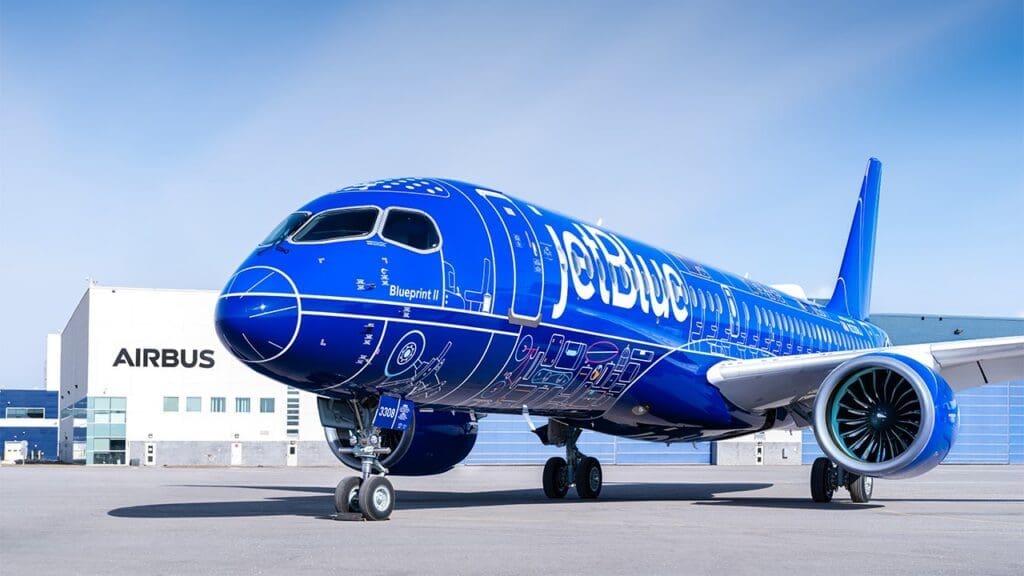
On the domestic front, United and JetBlue have signaled a deepening of their relationship. While the specifics of the cooperation remain under wraps, industry observers suggest that the two carriers may be exploring interline enhancements or reciprocal loyalty benefits. This comes in the wake of the dissolution of the Northeast Alliance between JetBlue and American Airlines, as JetBlue seeks new strategic partners to bolster its network utility.
Air India Network Realignment and Operational Adjustments
Following its acquisition by the Tata Group, Air India continues its aggressive transformation plan. This week, however, the airline announced the suspension of several underperforming routes. These adjustments are part of a broader "Vihaan.AI" transformation strategy aimed at optimizing the airline’s fleet and focusing resources on high-yield international and domestic corridors.
The suspension of these routes is viewed as a necessary step in addressing the airline’s historical issues with profitability and aircraft availability. As Air India awaits the delivery of hundreds of new aircraft from Boeing and Airbus, the management is prioritizing routes that align with its goal of capturing a 30% share of the Indian domestic and international markets. The airline has stated that impacted passengers will be offered full refunds or alternative routing, emphasizing its commitment to improving customer service standards.
Shifts in Hospitality: Hyatt Award Valuations and Market Trends
The hospitality sector is also seeing significant changes, particularly within loyalty programs. World of Hyatt has announced its annual award category changes, prompting a surge in bookings as members attempt to lock in current rates before the scheduled increases take effect. Several high-demand properties are expected to move to higher categories, effectively increasing the number of points required for a free night.

In the Chicago market, the Chicago Athletic Association hotel has become a focal point of recent reviews, highlighting a trend toward the "adaptive reuse" of historic buildings. The hospitality industry in major urban centers like Chicago is currently balancing a recovery in group business travel with a shift in leisure traveler preferences toward boutique and lifestyle-oriented accommodations.
The Evolution of the Airport Experience: Lounges and Security
The value proposition of airport lounges is being reassessed as overcrowding continues to plague premium spaces. In response to this demand, Mastercard has officially entered the lounge space by opening its own branded facilities. These lounges, part of the "Taste of Priceless" initiative, aim to provide a curated culinary and relaxation experience for high-tier cardholders, bypassing the traditional airline-affiliated lounge networks.
This expansion by credit card issuers into the lounge market reflects a broader trend of financial institutions seeking to enhance "lifestyle" benefits for their customers. However, the proliferation of lounge access through various credit cards has led to record-high occupancy levels, forcing many operators to implement stricter access policies or time limits.
Safety also remains a primary concern for aviation authorities following a security breach at Denver International Airport. A fatal incident occurred after an unauthorized individual breached a perimeter fence, prompting a review of airport security protocols nationwide. The Transportation Security Administration (TSA) and local law enforcement are investigating the lapse, which has raised questions about the efficacy of physical barriers at large-scale international airports.

Infrastructure Rebranding: The Transition of PBI to DJT
In a notable development for Florida’s infrastructure, Palm Beach International Airport (PBI) is undergoing a rebranding process. Legislative efforts and local administrative decisions have moved forward to rename the facility DJT, in honor of former President Donald J. Trump. The renaming of major transportation hubs is often a complex process involving the Federal Aviation Administration (FAA) and significant logistical updates to global distribution systems and navigational charts.
The move has drawn both support and scrutiny, reflecting the political significance often attached to public infrastructure projects. Proponents argue that the renaming honors a prominent local resident and former president, while critics point to the costs and potential confusion associated with changing a well-established airport code and identity.
Broader Implications for the Global Travel Industry
The events of this week underscore a period of consolidation and strategic pivoting. The merger of Allegiant and Sun Country, combined with Lufthansa’s acquisition of ITA, suggests that the airline industry is moving toward a model where scale and hub dominance are paramount for survival in a high-cost environment.
For consumers, these shifts present a mixed landscape. While airline mergers can lead to improved network connectivity and operational stability, they often result in reduced competition on specific routes, potentially leading to higher fares. Similarly, the devaluation of hotel loyalty points and the overcrowding of airport lounges indicate that the "golden age" of travel rewards is facing pressure from inflation and high participation rates.

As the industry moves into the next quarter, the focus will likely remain on fleet modernization, the integration of merged entities, and the continuous adjustment of international networks to meet shifting geopolitical and economic realities. The travel sector remains in a state of flux, with legacy carriers and budget airlines alike seeking the optimal balance between growth and profitability.




 Anjar Salim
 Chandra Hamzah
 Tatiana Tantri Indah Sari
 Lukman Taruna Persada Ramadan
