
 Budi Mulyono
The launch of the Citi AAdvantage Globe Mastercard marks a significant expansion in the long-standing partnership between Citigroup and American Airlines, introducing a mid-to-high-tier credit offering designed to bridge the gap between entry-level travel cards and ultra-premium lounge-access products. Positioned with a $350 annual fee, the card targets a specific demographic of frequent flyers who seek tangible travel enhancements and accelerated status qualification without the $590 commitment required by the top-tier Citi / AAdvantage Executive World Elite Mastercard. As the travel industry continues its trend toward "premiumization," this card introduces a unique suite of benefits, most notably a redesigned approach to airport lounge access via annual Admirals Club passes.
Strategic Market Positioning and the Mid-Premium Gap
For several years, the airline credit card market was bifurcated into two primary categories: mid-tier cards with fees around $95, offering basic perks like a first checked bag free, and ultra-premium cards with fees exceeding $550, offering full lounge memberships. American Airlines identified a "missing middle" in its portfolio—travelers who fly frequently enough to value lounge access but not frequently enough to justify a full membership.
The Citi AAdvantage Globe Mastercard fills this void. By offering four annual Admirals Club passes rather than a full membership, the card provides a lower-cost entry point for the "aspirational" traveler. This strategy aligns with American Airlines’ broader "Loyalty Points" ecosystem, which shifted the focus of the AAdvantage program from miles flown to dollars spent, making credit card engagement the primary driver of elite status.
Detailed Analysis of the Admirals Club Access Benefit
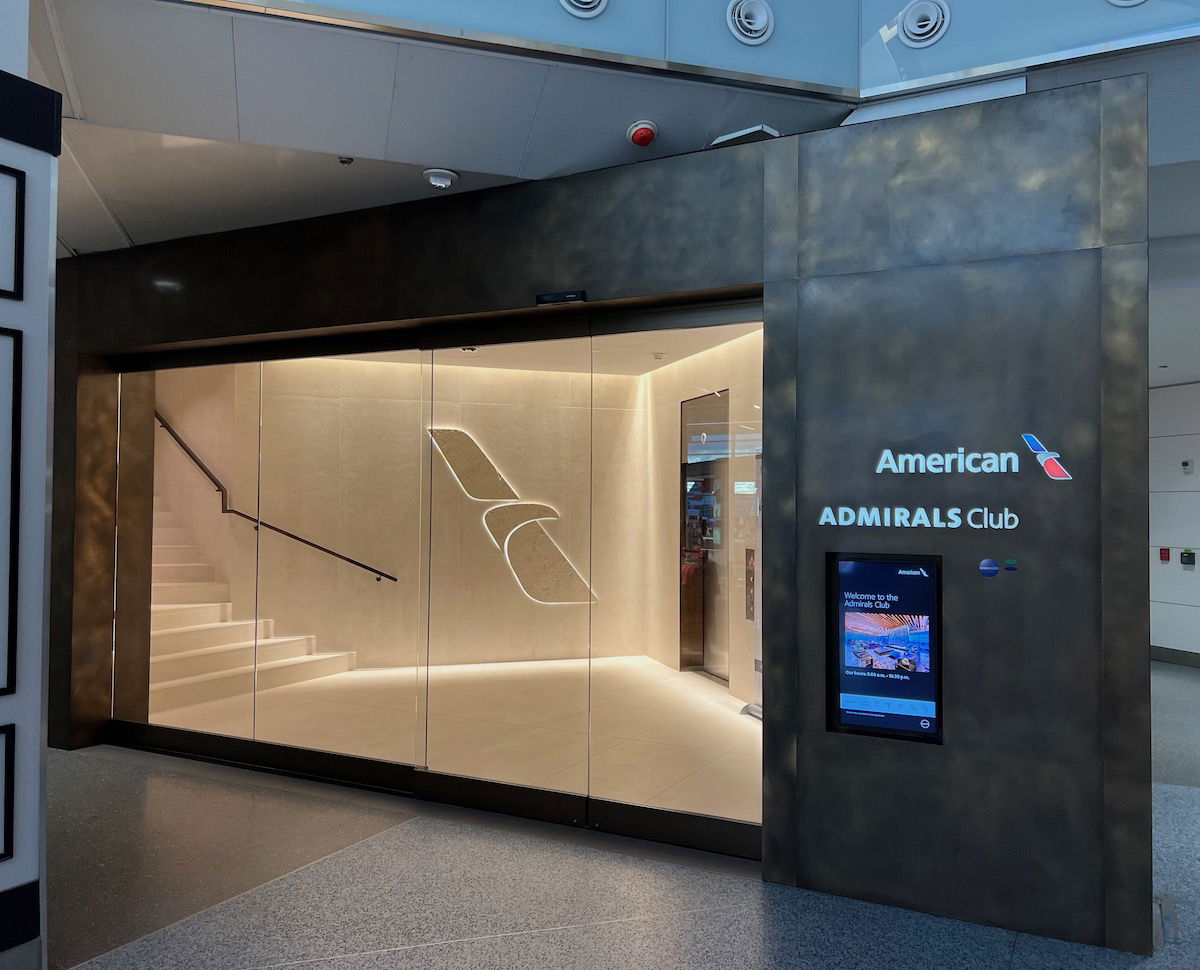
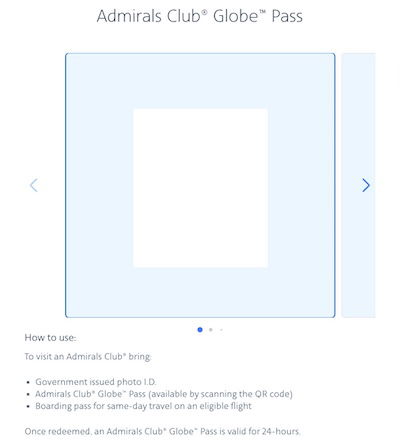
The centerpiece of the Citi AAdvantage Globe Mastercard’s value proposition is the inclusion of four annual Admirals Club passes. While American Airlines has historically sold one-day passes for $79, the passes provided with this card come with specific terms that increase their utility compared to standard retail passes.
Operational Terms and Accessibility
Each pass granted to a Globe cardmember is valid for 24 hours from the moment of activation. This is a critical distinction from single-entry passes; a traveler with a 24-hour pass can access multiple Admirals Clubs across different airports during a single journey, including layovers and arrival lounges. Furthermore, the passes are issued electronically and deposited directly into the primary cardmember’s AAdvantage account.
Guest Policy and Capacity Guarantees
One of the most significant advantages of the Globe Mastercard passes is the guest policy. Each pass allows the entry of one adult (the cardmember or an authorized traveler) and up to three children under the age of 18. This makes the benefit particularly lucrative for families, who would otherwise face exorbitant costs for lounge access during holiday travel.
Crucially, industry reports indicate that these specific passes are exempt from the capacity controls that often plague retail one-day passes. During peak travel periods, American Airlines frequently restricts the use of standard $79 one-day passes to ensure that full Admirals Club members are not inconvenienced by overcrowding. By exempting Globe cardmembers from these restrictions, the issuer provides a level of reliability usually reserved for top-tier status holders and Executive cardmembers.
Financial Value Proposition: The $350 Annual Fee Breakdown
To justify the $350 annual fee, the Citi AAdvantage Globe Mastercard includes a variety of credits and bonuses that, if fully utilized, can offset the cost of ownership.
- Annual Admirals Club Passes: Valued at $79 each (the retail price of a one-day pass), the four passes represent a $316 nominal value.
- Inflight Credits: The card offers up to $100 in annual credits for American Airlines inflight purchases, including Wi-Fi and food/beverage services.
- Splurge Credits: A unique $100 "Splurge Credit" is provided annually, intended for use at select luxury retailers or premium travel services, further diversifying the card’s appeal beyond the airport.
- Companion Certificate: Cardmembers receive an annual $99 domestic economy companion certificate (plus taxes and fees), which can save hundreds of dollars on a second ticket for a partner or friend.
- Loyalty Points Bonus: The card offers a "Flight Streak" bonus of up to 15,000 Loyalty Points per year, which directly contributes toward earning AAdvantage Gold, Platinum, or Executive Platinum status.
Chronology of Benefit Distribution and Account Management
The lifecycle of the Citi AAdvantage Globe Mastercard benefits is designed for immediate gratification followed by a structured annual renewal process.
- Application and Integration: Upon application, prospective cardmembers must provide their AAdvantage frequent flyer number. This ensures that the credit card account is "hard-linked" to the airline’s loyalty database.
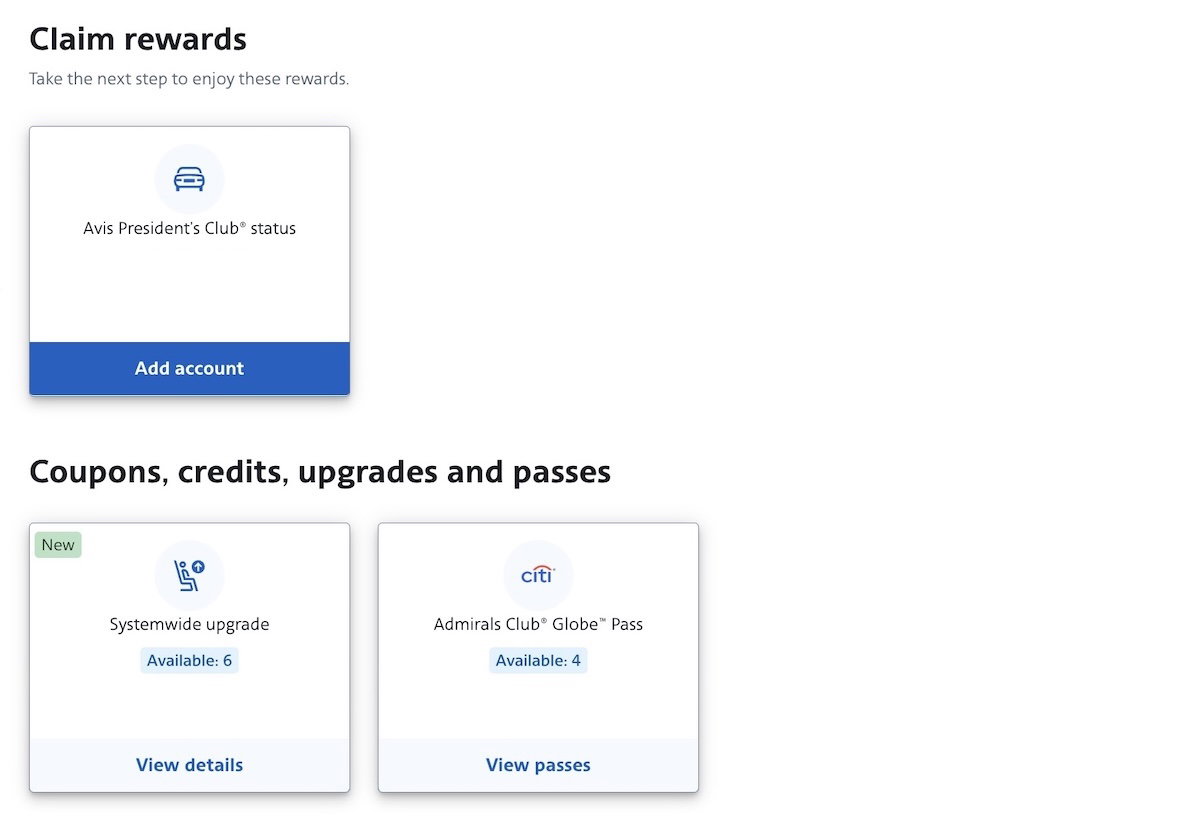
- Approval and Initial Deposit: Data from recent applicants indicates that the four Admirals Club passes post to the user’s "Rewards Hub" almost instantly upon account approval. This allows travelers to apply for the card shortly before a scheduled trip and utilize the lounge benefits immediately.
- Annual Refresh: The passes are issued on a calendar-year basis. This means a cardmember who joins in October will receive four passes for the remainder of the year and another four passes on January 1st, regardless of their card anniversary date.
- Expiration Protocols: Each pass is valid until December 31st of the year it was issued. Unlike some travel credits that roll over, these passes operate on a "use it or lose it" basis, encouraging consistent engagement with the airline.
Comparative Analysis: Globe vs. Executive Mastercard
Industry analysts have noted that the Citi AAdvantage Globe Mastercard may cannibalize some of the market share from the $590 Citi AAdvantage Executive card. However, the distinction in lounge access remains the primary differentiator.
The Executive card provides a full Admirals Club membership, which includes unlimited access for the cardmember, immediate family (or two guests), and access for authorized users. For a traveler flying more than 10 times a year, the Executive card remains the superior financial choice. For the "leisure-premium" traveler who flies quarterly, the Globe card’s four-pass system is more efficient. The Globe card also lacks the "Authorized User" lounge access perk, which is a major selling point for the Executive card.
Broader Impact on the Airline Loyalty Landscape
The introduction of the Globe Mastercard is a tactical move by American Airlines to increase its "share of wallet" among consumers. By offering a high-fee card with tangible, easy-to-understand benefits like lounge passes and companion certificates, the airline secures long-term loyalty in an increasingly competitive market.
Implications for Airport Infrastructure
As more travelers gain access to lounges through mid-tier cards, pressure on airport infrastructure increases. American Airlines has been proactively renovating its Admirals Club network—most notably in hubs like Austin (AUS), Washington D.C. (DCA), and Newark (EWR)—to accommodate higher passenger volumes. The decision to exempt Globe cardmembers from capacity controls suggests that the airline is confident in its ability to manage these new cohorts of lounge visitors.
Economic and Revenue Outlook
For Citigroup, the Globe card represents a high-interchange-revenue product. Because the card encourages spending to reach "Flight Streaks" and earn Loyalty Points, users are likely to make the Globe card their "top of wallet" choice for daily expenses. For American Airlines, the $350 fee provides a steady stream of non-transportation revenue, which has become vital to airline profitability in the post-pandemic era.
Industry Reactions and Expert Commentary
Travel industry analysts suggest that the Globe Mastercard is a direct response to the success of the Delta SkyMiles Platinum American Express and the United Quest Card from Chase. Both competitors have long had successful products in the $250–$400 price range.
"American Airlines is playing catch-up in the mid-premium space," noted one loyalty program consultant. "By focusing on the Admirals Club passes, they are targeting the specific pain point of the modern traveler: the airport terminal experience. It’s a psychological win for the consumer to feel they have ‘VIP access’ without paying the nearly $600 fee for a traditional lounge card."
Conclusion: A New Standard for Mid-Tier Travel Cards
The Citi AAdvantage Globe Mastercard represents a shift in how airlines and banks conceptualize premium travel. It moves away from the "all or nothing" approach to lounge access, offering a curated experience that fits the reality of modern travel patterns. While the $350 annual fee is significant, the combination of four flexible Admirals Club passes, $200 in various credits, and a companion certificate provides a clear path to value for the informed consumer.
As the card matures in the marketplace, its success will likely be measured by how many users it can "graduate" from the $95 Platinum Select card and how effectively it retains travelers within the American Airlines ecosystem. For now, it stands as a robust option for those seeking a more comfortable airport experience and a faster track to elite status in the AAdvantage program.




 Anjar Salim
 Chandra Hamzah
 Tatiana Tantri Indah Sari
 Lukman Taruna Persada Ramadan
