
 Cholid Fahmi Thalib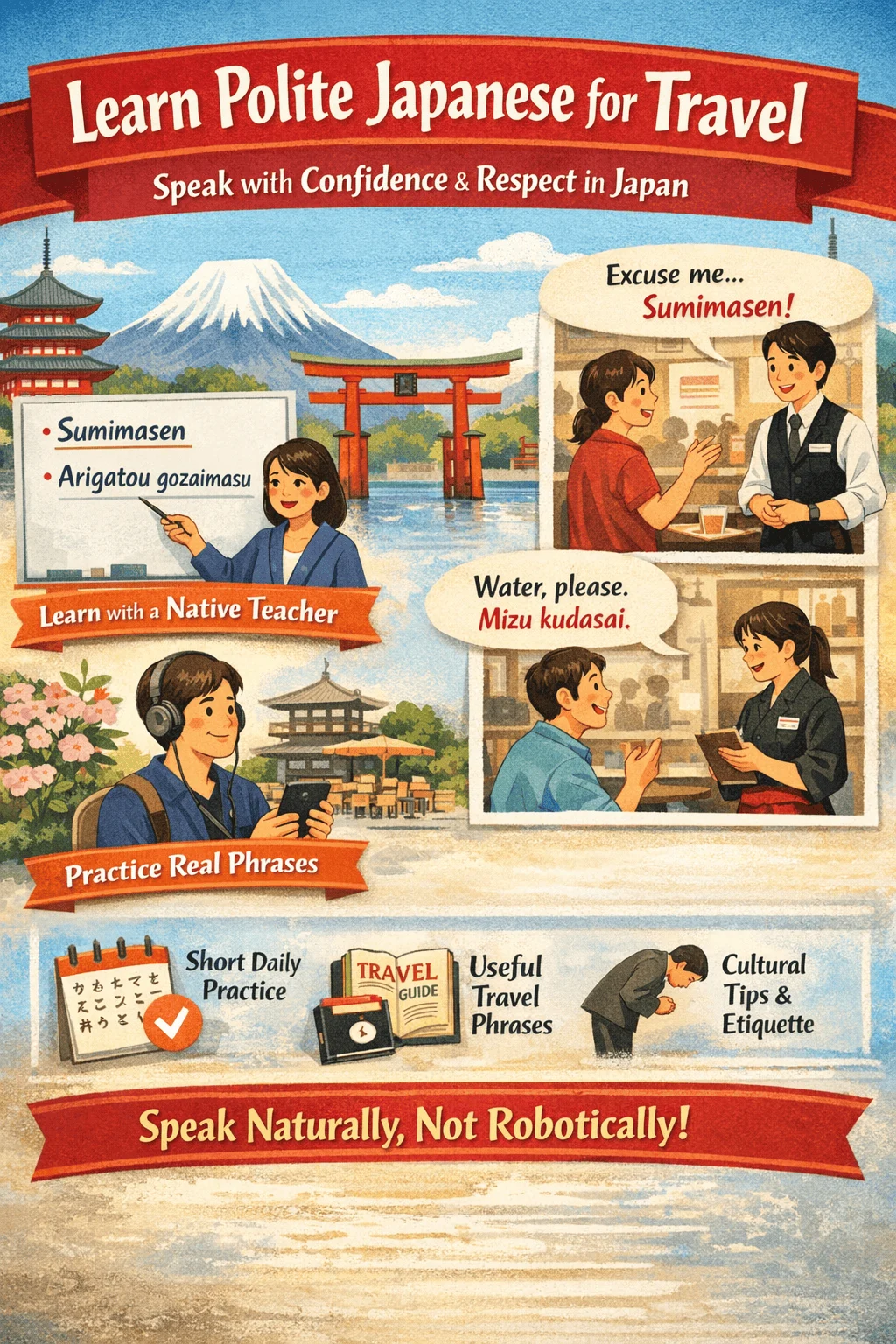
The prospect of traveling in Japan often conjures images of serene temples, bustling cityscapes, and unparalleled culinary experiences. However, for many international visitors, the language barrier can present a significant challenge, potentially diminishing the richness of their journey. While fluency in Japanese is a lofty goal, acquiring a foundational understanding of polite Japanese can dramatically enhance interactions, fostering smoother communication and deeper cultural appreciation. This article explores effective strategies for travelers to quickly master essential polite Japanese phrases and customs, moving beyond rote memorization to a more intuitive and practical understanding of conversational etiquette.
The Significance of Politeness in Japanese Culture
In Japanese society, politeness (known as keigo) is not merely a matter of good manners; it is deeply ingrained in the cultural fabric and is crucial for building rapport and showing respect. The nuances of keigo can be complex, involving different verb conjugations, honorific prefixes, and specific vocabulary depending on the social hierarchy, relationship between speakers, and the context of the interaction. For travelers, understanding and employing basic polite expressions can bridge cultural divides, demonstrate respect for local customs, and lead to more positive and memorable experiences. This is particularly true in service industries, where politeness and attentiveness are paramount.
Beyond Memorization: A Contextual Learning Approach
Traditional language learning often emphasizes memorizing extensive vocabulary lists and grammatical rules. However, for short-term travelers, this approach can be overwhelming and inefficient. Instead, a more effective strategy involves focusing on practical, high-frequency phrases and understanding their contextual application. This method mirrors how native speakers learn and use language – through immersion and repeated exposure in real-life situations.
One of the primary challenges for learners is the sheer volume of vocabulary. A typical phrasebook might contain hundreds of entries, many of which a traveler may never use. The key is to prioritize phrases that are most likely to be encountered and utilized during typical travel scenarios. This includes greetings, expressions of gratitude and apology, requests, and simple questions related to directions, food, and accommodation.
Key Phrases for Everyday Interactions
1. Essential Greetings and Farewells:
- Ohayou gozaimasu (おはようございます): Good morning. This is used from morning until around noon.
- Konnichiwa (こんにちは): Hello/Good afternoon. This is the standard greeting used from late morning through the afternoon.
- Konbanwa (こんばんは): Good evening. Used after sunset.
- Sayonara (さようなら): Goodbye. While commonly taught, this can sometimes sound final. More casual goodbyes like Jaa ne (じゃあね – see you) or Mata ne (またね – see you later) are used among friends. For polite farewells in public or professional settings, Shitsurei shimasu (失礼します – excuse me for leaving) or Dewa mata (ではまた – see you then) are more appropriate.
2. Expressing Gratitude and Apology:
- Arigatou gozaimasu (ありがとうございます): Thank you very much. This is a versatile and essential phrase. Arigatou (ありがとう) is a more casual version.
- Sumimasen (すみません): Excuse me/Sorry. This is an incredibly useful phrase that serves multiple purposes. It can be used to get someone’s attention (like a waiter), to apologize for a minor inconvenience (like bumping into someone), or to express thanks when someone has gone out of their way for you.
- Gomen nasai (ごめんなさい): I am sorry. This is a more direct apology than sumimasen and is used for more significant apologies.
3. Making Requests:
- Kudasai (ください): Please (when making a request). It is typically appended to a noun or verb stem. For example, Mizu kudasai (水ください – Water, please) or Kore o kudasai (これをください – This one, please).
- Onegaishimasu (お願いします): Please (more formal and broader than kudasai). This can be used when asking for something, making a request for service, or entrusting something to someone. For example, when ordering food, you might say Kore o onegaishimasu (これを お願いします – I’ll have this, please).
4. Essential Questions:
- Eigo o hanasemasu ka? (英語を話せますか?): Can you speak English?
- … wa doko desu ka? (…はどこですか?): Where is…? For example, Toire wa doko desu ka? (トイレはどこですか? – Where is the restroom?).
- Kore wa ikura desu ka? (これはいくらですか?): How much is this?
Strategic Learning Methods for Travelers
1. Contextual Immersion and Active Listening:
The most effective way to learn polite Japanese is by immersing oneself in situations where it is used. This involves actively listening to native speakers, paying attention to their tone, intonation, and the specific phrases they employ. This can be achieved through:
- Observing Interactions: When dining at restaurants, checking into hotels, or navigating public transport, pay close attention to how staff and locals interact. Notice the use of sumimasen before asking a question or arigatou gozaimasu after receiving service.
- Utilizing Language Learning Apps: Many apps offer short, scenario-based lessons. Platforms like Duolingo, Memrise, or Babbel can provide a structured introduction to basic phrases. However, it’s crucial to supplement these with more nuanced content.
- Engaging with Native Speakers: For travelers who have the opportunity, interacting with Japanese teachers or language exchange partners can provide invaluable real-time feedback and practice. Online platforms like italki offer access to tutors specializing in travel Japanese. A tutor can clarify the subtle differences in politeness levels and help tailor learning to specific travel needs, such as ordering food in a restaurant or navigating airport procedures.
2. The Power of Repetition and Short Practice Sessions:
Consistent, short bursts of practice are more beneficial than infrequent, long study sessions. Aim to incorporate Japanese phrases into your daily routine, even before your trip.
- Daily Phrase Practice: Dedicate 10-15 minutes each day to learning and practicing a few new phrases. Focus on mastering the pronunciation and context of each.
- Shadowing: This technique involves listening to audio recordings of native speakers and repeating the phrases immediately after them, mimicking their pronunciation, rhythm, and intonation. This is highly effective for improving accent and fluency.
- Role-Playing: Practice common travel scenarios with a friend or language partner. For instance, simulate ordering food, asking for directions, or checking into a hotel.
3. Understanding the Role of Tone and Non-Verbal Cues:
Politeness in Japan is conveyed not only through words but also through tone of voice, body language, and gestures.
- Tone of Voice: A soft, gentle tone is generally perceived as more polite. Avoid speaking too loudly or abruptly.
- Bowing: A slight bow often accompanies polite greetings and expressions of gratitude or apology. The depth and duration of the bow vary depending on the situation and the relationship between individuals.
- Eye Contact: While direct eye contact is common in some Western cultures, in Japan, prolonged direct eye contact can sometimes be perceived as confrontational. It is more common to briefly make eye contact and then avert your gaze.
4. Leveraging Technology and Cultural Resources:
Modern technology offers numerous tools to aid language learning for travelers.
- Translation Apps: Apps like Google Translate or DeepL can be useful for understanding unfamiliar words or phrases. However, it’s important to use them cautiously, as direct translations may not always capture the intended nuance or politeness level. It’s advisable to test phrases aloud to gauge their naturalness.
- Audio Phrasebooks: Many travel guides come with accompanying audio resources that allow you to hear pronunciation and practice along.
- Cultural Etiquette Guides: Understanding basic Japanese customs, such as removing shoes indoors, not tipping, and being mindful of noise levels on public transport, is as crucial as learning the language itself.
Practical Application During Travel
Upon arrival in Japan, actively seek opportunities to use the polite Japanese phrases you have learned. Don’t be discouraged by mistakes; locals generally appreciate the effort.
- Start Small: Begin by using sumimasen to get a waiter’s attention or arigatou gozaimasu when receiving your change.
- Be Patient: If you are struggling to express yourself, politely state Eigo o hanasemasu ka? (Can you speak English?). Most tourist areas have staff who can communicate in English.
- Observe and Adapt: Pay attention to how locals respond and try to adapt your communication style accordingly.
The Broader Impact of Cultural Understanding
Learning basic polite Japanese extends beyond mere communication; it fosters a deeper appreciation for Japanese culture and its emphasis on harmony (wa). When travelers make an effort to speak the local language, even minimally, it signals respect and a willingness to engage with the culture on its own terms. This can lead to more authentic interactions, warmer hospitality, and a more fulfilling travel experience.
In recent years, there has been a growing recognition of the importance of accessible language learning for tourism. Initiatives aimed at providing multilingual signage and information in tourist hotspots have increased, but the personal touch of knowing a few key phrases remains invaluable. For instance, during the lead-up to major international events like the Tokyo Olympics, there was a significant push to equip service industry workers with basic English and to encourage tourists to learn essential Japanese phrases. This highlights the symbiotic relationship between language, culture, and tourism.
The implication of mastering polite Japanese for travelers is multifaceted. It not only enhances their individual journey by reducing stress and increasing confidence but also contributes positively to the perception of foreign visitors within Japan. A traveler who demonstrates cultural awareness and makes an effort to communicate respectfully is likely to be met with greater kindness and assistance.
Future Trends in Travel Language Learning
The landscape of language learning is continuously evolving, with technology playing an increasingly central role. Future trends are likely to include more sophisticated AI-powered language tutors that can offer personalized feedback on pronunciation and grammar, immersive virtual reality experiences that simulate real-life interactions, and gamified learning platforms that make acquiring new languages more engaging.
However, the fundamental principles of contextual learning, consistent practice, and cultural sensitivity will remain paramount. As Japan continues to welcome a growing number of international visitors, the ability to communicate politely and effectively will undoubtedly remain a cornerstone of a truly enriching travel experience. By focusing on practical phrases and understanding their cultural significance, travelers can transform their journey from a passive observation to an active, respectful, and deeply rewarding engagement with the Land of the Rising Sun.


 Chandra Hamzah
 Tatiana Tantri Indah Sari
 Budi Mulyono
 Anjar Salim

